Tooth decay is not just a dental issue—it’s a biological battle happening in your mouth every day. Caused by acid-producing bacteria like Streptococcus mutans, decay begins when plaque feeds on sugars from food and releases acids that strip minerals from your enamel. This process, called demineralization, can lead to cavities if left unchecked. But here’s the empowering truth: you can stop tooth decay in its tracks—and even reverse early damage—with the right daily habits.
The key lies in shifting the balance from destruction to repair. Your body has a natural ability to remineralize enamel using saliva, fluoride, and essential minerals. By reducing acid attacks, boosting your mouth’s defenses, and supporting this healing process, you can prevent cavities before they start. This guide reveals science-backed methods to stop decay at every stage—from invisible white spots to full-blown sensitivity—using simple changes to your hygiene, diet, and dental care routine.
Break the Acid Attack Cycle
Every time you eat or drink something sugary or starchy, bacteria in plaque produce acid for up to 30 minutes. If you snack constantly, your teeth never get a chance to recover, and saliva can’t neutralize the pH in time. The frequency of sugar exposure matters more than the amount—how often you eat sugar is the real driver of decay.
Limit Snacking to Protect Enamel
Frequent eating keeps your mouth in a constant acidic state, blocking natural remineralization.
– Eat meals in one sitting rather than grazing throughout the day.
– Wait at least two hours between eating episodes to allow your mouth to return to a neutral pH.
– Avoid sipping on soda, juice, or sweetened coffee all day—these are major sources of repeated acid exposure.
Pro Tip: One candy bar after dinner causes less harm than four small sugary snacks spaced through the day. It’s not just what you eat—it’s how often.
Neutralize Mouth Acidity After Eating
Help your mouth bounce back faster after meals.
– Chew sugar-free gum with xylitol for 5–10 minutes post-meal. Xylitol reduces harmful bacteria and boosts saliva flow.
– Rinse with water if brushing isn’t possible. Swishing removes food debris and dilutes acid.
– Wait 30 minutes before brushing after consuming acidic foods (like citrus, wine, or soda) to avoid scrubbing weakened enamel.
Visual Cue: If your teeth feel “fuzzy” after eating, that’s plaque feeding on sugar—clean them soon to stop acid production.
Use Fluoride to Strengthen and Repair Enamel
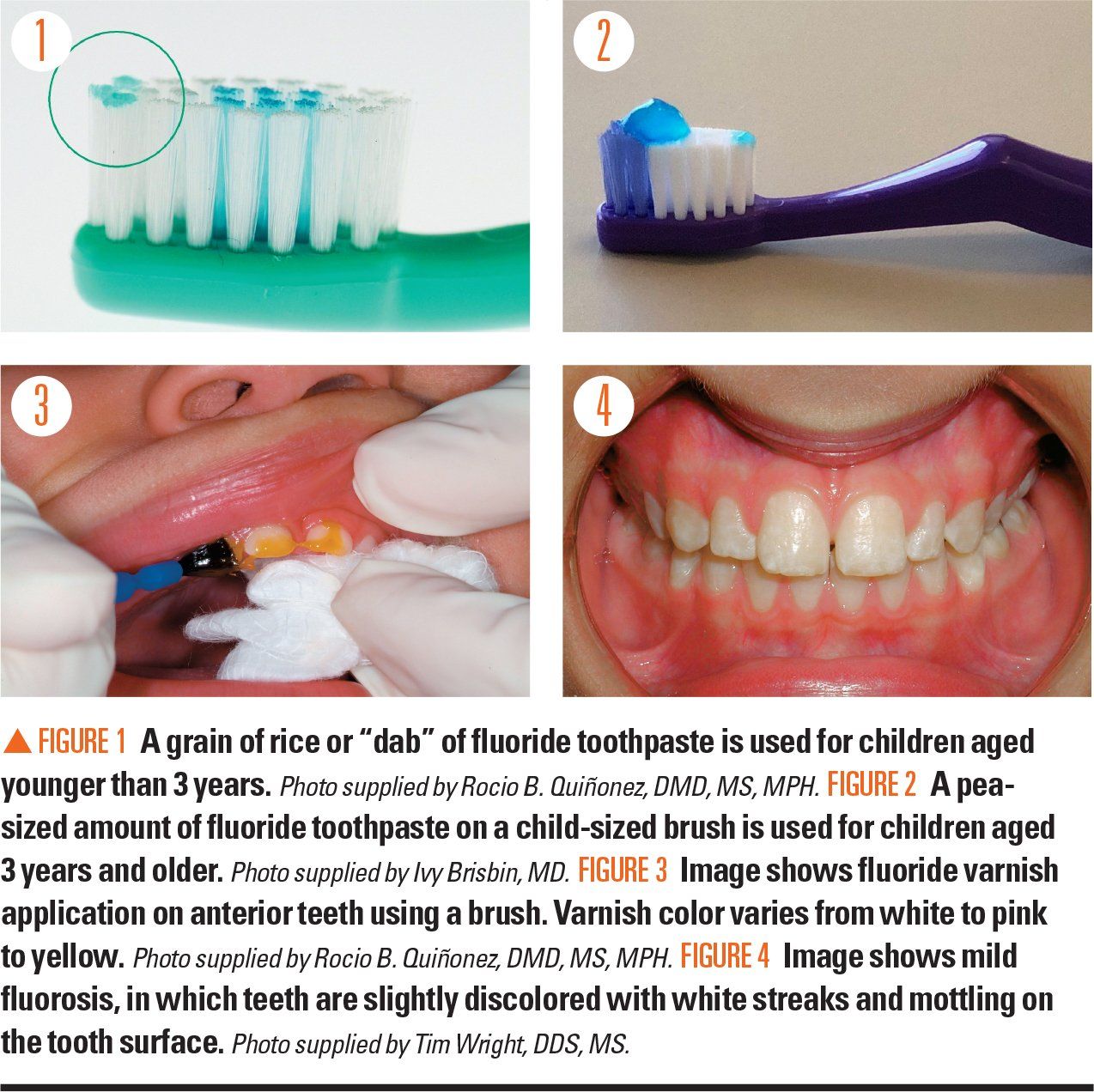
Fluoride is the most effective weapon against tooth decay. It doesn’t just protect—it actively reverses early decay by pulling calcium and phosphate back into weakened enamel.
Brush with Fluoride Toothpaste Twice Daily
Use a toothpaste containing 1450 ppm fluoride (look for the ADA Seal of Acceptance).
– Brush for 2 minutes, covering all surfaces: outer, inner, chewing, and along the gumline.
– Use a soft-bristled toothbrush angled at 45 degrees to clean under the gums.
– Spit, don’t rinse after brushing. Leaving fluoride residue on your teeth increases protection by up to 40%.
Fact: Communities with fluoridated tap water see up to 25% fewer cavities across all ages.
Upgrade to Prescription Fluoride If You’re High Risk
If you have dry mouth, wear braces, or get frequent cavities, ask your dentist about:
– High-fluoride toothpaste (e.g., PreviDent 5000)
– Fluoride varnish applications during cleanings
– Custom fluoride trays for overnight use
These deliver stronger, targeted remineralization for vulnerable teeth.
Choose Tap Water Over Bottled
Most fluoridated tap water contains 0.7 ppm of fluoride—the optimal level for cavity prevention.
– Drinking it provides constant low-dose protection.
– Children who drink only bottled water may miss out and need supplements.
Warning: Many bottled waters contain little to no fluoride. Check the label or switch to tap for better dental health.
Floss to Stop Hidden Decay Between Teeth
Nearly 40% of cavities form between teeth, where brushing can’t reach. Brushing alone cleans only about 60% of tooth surfaces.
Floss Every Day Without Exception
Flossing removes plaque and food from under the gumline and tight spaces.
– Use 18 inches of floss, winding ends around your middle fingers.
– Gently slide between teeth using a sawing motion.
– Curve into a “C” shape around each tooth and go beneath the gumline.
– Use clean sections as you move from tooth to tooth.
Expert Note: Bleeding gums? Don’t stop—this usually means inflammation from plaque. Keep flossing daily; bleeding typically stops within 1–2 weeks.
Try Interdental Tools If Flossing Is Difficult
Alternatives that work just as well:
– Interdental brushes (ideal for braces or gaps)
– Water flossers (great for gum health and deep pockets)
– Floss picks (convenient for on-the-go cleaning)
Pro Tip: Use a water flosser with an antimicrobial solution for added bacterial control.
Boost Saliva to Naturally Fight Decay

Saliva is your mouth’s built-in defense system. It neutralizes acid, washes away food, and delivers minerals to repair enamel.
Stimulate Saliva Flow Daily
Maximize your body’s natural repair system:
– Chew xylitol gum 3–5 times a day, especially after meals.
– Stay hydrated—drink water regularly, especially if your mouth feels dry.
– Suck on sugar-free lozenges to trigger flow.
Why Xylitol Works: Unlike sugar, xylitol can’t be fermented by S. mutans. It starves the bacteria and reduces their numbers over time.
Avoid Dry Mouth Triggers
Many medications (antihistamines, antidepressants), medical conditions, and lifestyle habits (alcohol, caffeine, smoking) reduce saliva.
– Use alcohol-free mouthwash to avoid drying effects.
– Ask your doctor about alternative medications if dry mouth is severe.
– Try over-the-counter saliva substitutes (e.g., Biotène) if needed.
Eat a Cavity-Fighting Diet
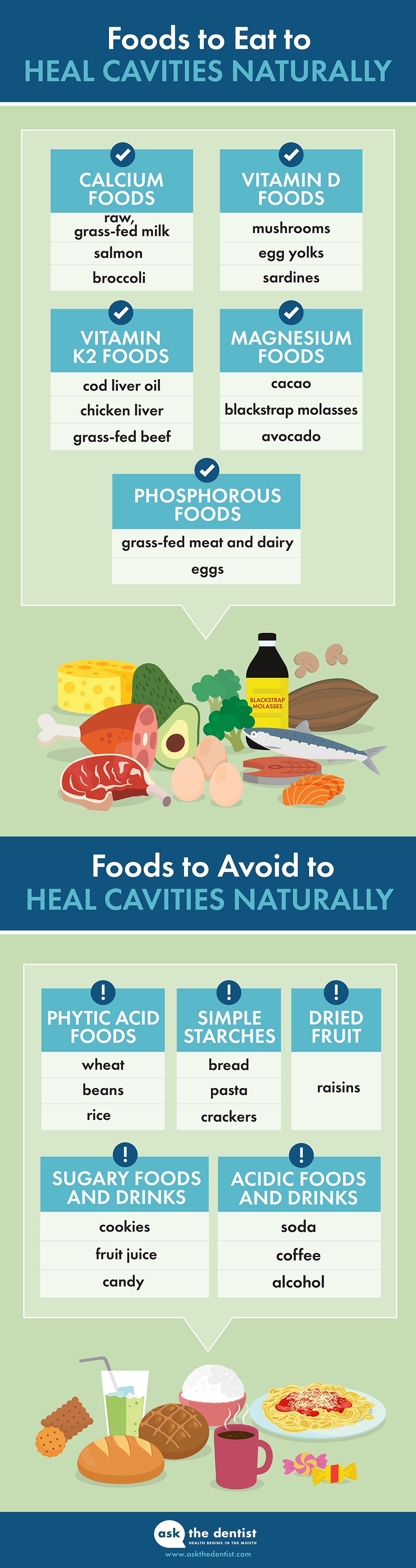
Food either fuels decay or helps stop it. The right diet supports remineralization and starves harmful bacteria.
Eat These Tooth-Protective Foods
| Food | Benefit |
|---|---|
| Cheese, milk, plain yogurt | Raise oral pH, deliver calcium and casein to strengthen enamel |
| Crunchy vegetables (carrots, celery) | Clean teeth mechanically and stimulate saliva |
| Leafy greens (kale, spinach) | High in calcium, folic acid, and other minerals |
| Nuts and seeds (almonds, pumpkin seeds) | Provide phosphorus and protein for enamel repair |
| Green tea (unsweetened) | Contains EGCG, which fights bacteria and inflammation |
Study Insight: Eating cheese after a meal increases salivary pH and reduces enamel erosion.
Avoid These Decay-Promoting Foods
- Soda, sports drinks, fruit juice – High in sugar and acid
- Sticky snacks (gummies, dried fruit, caramel) – Linger on teeth
- Refined carbs (white bread, crackers, chips) – Break down into sugars quickly
- Citrus, wine, vinegar-based dressings – Erode enamel directly
Rule: If it sticks to your teeth or makes your mouth feel fuzzy, it’s feeding plaque.
Apply Dental Sealants to Block Molar Decay
Sealants are clear coatings painted onto the chewing surfaces of back teeth, where 90% of childhood cavities start.
Seal Molars as Soon as They Erupt
- First molars (age 5–7): Seal immediately upon full eruption.
- Second molars (age 11–14): Seal as soon as possible.
Sealants fill deep grooves, creating a smooth surface that’s easy to clean.
Sealants Last for Years
- They can protect teeth for 5–10 years or longer.
- Dentists check them at every visit and reapply if worn.
Impact: Sealants reduce molar decay by up to 80%—one of the most cost-effective prevention tools available.
Use Mouthwash Strategically
Mouthwash adds an extra layer of protection—but only if used correctly.
Choose Fluoride-Containing Rinses
Look for products with 0.05% sodium fluoride (e.g., ACT, Listerine Total Care).
– Use once daily, at a different time than brushing (e.g., midday).
– Swish for 30–60 seconds, then spit—don’t rinse.
This prolongs fluoride contact and enhances remineralization.
Try Natural or Antimicrobial Options
- Alcohol-free herbal rinses (e.g., with tea tree oil, clove, or peppermint) reduce bacteria without drying.
- Chlorhexidine (prescription): Powerful against plaque but use only short-term due to staining risk.
Avoid: Antibacterial mouthwashes with alcohol—they can worsen dry mouth and disrupt the oral microbiome.
Visit Your Dentist Regularly
Even perfect home care can’t replace professional monitoring.
Get Checkups Every 6 Months
Regular visits allow early detection of white spot lesions before cavities form.
– Dentists remove tartar that brushing can’t eliminate.
– They assess your risk using tools like CAMBRA (Caries Management by Risk Assessment).
High-risk individuals may need visits every 3–4 months.
Accept Preventive Treatments
Ask your dentist about:
– Fluoride varnish – Painted on for intense remineralization
– Sealant application – Especially for children and teens
– Antibacterial treatments – For high plaque levels
These are quick, painless, and highly effective at stopping decay.
Final Action Plan to Stop Tooth Decay
Follow this daily routine to protect your teeth for life:
| Action | Frequency | Why It Works |
|---|---|---|
| Brush with fluoride toothpaste | 2x/day (especially before bed) | Removes plaque, strengthens enamel |
| Floss or use interdental cleaner | 1x/day | Cleans between teeth where cavities start |
| Use fluoride mouthwash | 1x/day (not after brushing) | Boosts remineralization |
| Chew xylitol gum | After meals/snacks (3–5x/day) | Stimulates saliva, reduces bacteria |
| Drink fluoridated tap water | All day | Washes teeth, delivers fluoride |
| Eat tooth-friendly foods | Daily | Supports enamel repair |
| Limit sugar/snacking | Minimize frequency | Reduces acid attacks |
| Apply/maintain sealants | As recommended (especially kids) | Blocks decay in molars |
| See dentist | Every 6 months (or more if high risk) | Catches problems early |
You can stop tooth decay—but only with consistent, science-backed habits. By controlling acid attacks, using fluoride wisely, eating smart, and seeing your dentist regularly, you can keep your teeth strong, pain-free, and cavity-free for life.