Waking up with a stiff jaw, unexplained headaches, or teeth that feel worn down? You’re not alone—up to 16% of adults suffer from sleep bruxism, and many don’t realize it until damage has already occurred. Tooth grinding, or bruxism, isn’t just a dental issue; it’s often a signal that something deeper is off—whether it’s chronic stress, poor sleep quality, or even obstructive sleep apnea. Left untreated, bruxism can lead to cracked teeth, TMJ disorders, and long-term facial pain. The good news: you can significantly reduce or even stop tooth grinding with the right mix of lifestyle changes, protective devices, and targeted medical treatments. This guide reveals science-backed strategies—from stress management and jaw exercises to custom night guards and airway-focused therapies—that help you protect your smile and wake up pain-free.
Spot the Warning Signs of Teeth Grinding
Catching bruxism early is key to avoiding permanent damage. Many people only discover they grind their teeth after a dentist points out excessive wear—or a partner complains about the sound at night.
Recognize the Physical Clues
Common symptoms include morning jaw soreness, flattened or chipped teeth, temple headaches, and cracked dental fillings. You might also notice increased sensitivity to hot or cold foods, or your jaw may feel fatigued after eating. If your partner hears grinding during the night, that’s one of the strongest indicators of sleep bruxism.
Get a Professional Dental Diagnosis
A dentist can confirm bruxism through a thorough exam. They’ll look for distinctive tooth wear patterns, check for enamel erosion, and palpate your jaw muscles for tenderness or overdevelopment. They’ll also assess TMJ function and ask about your sleep habits, stress levels, and medication use. Early detection helps prevent long-term complications.
Break the Stress-Grinding Cycle

Stress and anxiety are the top triggers for both awake and sleep bruxism. Emotional strain, high-pressure jobs, or mood disorders like anxiety and depression can all lead to unconscious jaw clenching.
Calm Your Nervous System Daily
Practice deep breathing: inhale for 4 seconds, hold for 4, exhale for 6—repeat 5–10 times. This activates the parasympathetic nervous system, reducing muscle tension. Combine it with progressive muscle relaxation, starting from your feet and moving up to your jaw, to release physical stress.
Mindfulness meditation for just 10 minutes a day can also lower cortisol levels. Apps like Headspace or Calm offer guided sessions specifically for sleep and stress relief.
Consider Cognitive Behavioral Therapy (CBT)
CBT helps reframe negative thought patterns and reduce chronic stress. Studies show it’s effective for stress-related bruxism, especially when combined with improved sleep hygiene.
Stay Active to Reduce Tension
Regular exercise—like walking, swimming, or cycling—lowers stress hormones and improves sleep. Aim for 30 minutes most days to keep your body and mind balanced.
Optimize Your Sleep Routine
:max_bytes(150000):strip_icc()/what-is-sleep-hygiene-5085887-FINAL-831b8421e75249f0952fbf4efb0adda7.png)
Poor sleep habits increase the risk of sleep bruxism. Disrupted sleep cycles make you more vulnerable to grinding during lighter sleep stages.
Stick to a Consistent Sleep Schedule
Go to bed and wake up at the same time every day, even on weekends. This stabilizes your circadian rhythm and reduces nighttime muscle activity linked to bruxism.
Wind Down with a Relaxing Bedtime Routine
Avoid screens at least an hour before bed. Instead, read a physical book, take a warm bath, or listen to calming music. Using lavender essential oil in a diffuser can also promote relaxation and deeper sleep.
Create a Sleep-Friendly Environment
Keep your bedroom cool, dark, and quiet. Use blackout curtains, a white noise machine, and remove electronic devices. A peaceful sleep space supports uninterrupted rest and reduces bruxism episodes.
Eliminate Evening Stimulants
Caffeine, alcohol, and nicotine overstimulate the nervous system and increase jaw muscle activity—especially at night.
Cut Off Caffeine by 2 PM
Avoid coffee, tea, energy drinks, and chocolate in the afternoon. Even decaf coffee may contain trace amounts of caffeine that can disrupt sleep and trigger grinding.
Avoid Alcohol Before Bed
While alcohol may help you fall asleep faster, it fragments sleep and increases muscle contractions. Avoid drinking within 3 hours of bedtime to reduce nighttime grinding.
Quit Smoking
Nicotine is a powerful stimulant that raises heart rate and muscle tension. Smokers are twice as likely to grind their teeth at night. Quitting not only helps bruxism but improves overall health.
Support Jaw Health with Proper Nutrition
Nutritional deficiencies—especially in magnesium and B vitamins—can contribute to muscle tension and bruxism.
Eat More Magnesium-Rich Foods
Magnesium supports neuromuscular function and promotes muscle relaxation. Include spinach, almonds, pumpkin seeds, black beans, avocados, and dark chocolate (70%+ cocoa) in your diet.
Consider a Magnesium Supplement
If your diet lacks magnesium, try 200–400 mg of magnesium glycinate or citrate before bed. It’s gentle on the stomach and supports both muscle relaxation and sleep quality.
Stay Hydrated
Dehydration can lead to muscle cramps and dry mouth, both linked to nighttime grinding. Drink 8–10 glasses of water daily to keep your muscles functioning smoothly.
Retrain Your Jaw During the Day
Building awareness of jaw position during the day can help reduce clenching at night.
Adopt the Correct Resting Jaw Position
Keep your teeth slightly apart, lips closed, and tongue resting on the roof of your mouth just behind the front teeth. This position reduces strain on the TMJ and masseter muscles.
Set Daytime Reminders
Place sticky notes on your computer or set phone alarms every few hours to check: “Are my teeth apart?” Over time, this builds muscle memory and reduces unconscious clenching.
Avoid Harmful Oral Habits
Stop chewing gum, biting pens, or clenching while concentrating. These behaviors reinforce the grinding pattern and keep jaw muscles overactive.
Perform Daily Jaw Relaxation Exercises
Simple exercises can loosen tight jaw muscles and improve mobility.
Try the Tongue-to-Roof Stretch
Place the tip of your tongue behind your upper front teeth. Slowly open your mouth wide while keeping your tongue in place. Hold for 5 seconds, then close slowly. Repeat 10–15 times, 2–3 times daily.
Massage Tight Jaw Muscles
Use your fingers to gently rub the masseter muscles (cheeks where you clench) and temporalis muscles (sides of your head near temples). Apply circular pressure for 1–2 minutes to relieve tension.
Use Heat Therapy for Muscle Relief
Heat increases blood flow and relaxes overworked jaw muscles.
Apply a Warm Compress Before Bed
Soak a towel in warm (not hot) water, wring it out, and apply it to your jaw for 10–15 minutes. You can also use a microwavable heating pad designed for facial use. Repeat in the morning if your jaw feels stiff.
Try Mouth Taping to Improve Breathing
Mouth breathing during sleep is linked to airway obstruction and bruxism. Taping your lips gently at night promotes nasal breathing.
Use Nasal Breathing Tape
Apply a hypoallergenic tape like Somnifix or Myotape across your lips before bed. Breathe through your nose only. This improves oxygenation, reduces snoring, and may decrease grinding episodes.
Caution: Do not use if you have nasal congestion or undiagnosed sleep apnea without medical guidance.
Invest in a Custom Night Guard
The most effective way to prevent tooth damage from grinding is a professionally made night guard.
Why Custom Guards Are Superior
Unlike over-the-counter models, custom-fitted guards are made from dental impressions to match your bite exactly. They distribute grinding forces evenly, protect enamel, and reduce muscle strain by preventing full jaw closure.
Get Fitted by a Dentist
Your dentist will take an impression of your teeth, send it to a lab, and adjust the final guard for comfort. While more expensive upfront, a custom guard lasts years and is far more effective than boil-and-bite options.
Rule Out Sleep Apnea and Airway Issues
Up to 40% of bruxism cases are linked to sleep-disordered breathing. The brain may trigger grinding to reopen a blocked airway during apnea events.
Recognize Sleep Apnea Symptoms
Watch for loud snoring, gasping at night, daytime fatigue, morning dry mouth, or headaches. If you have these, see a sleep specialist.
Get a Sleep Study
A polysomnography test monitors brain waves, oxygen levels, breathing, and jaw muscle activity. It confirms whether your bruxism is primary or secondary to OSA.
Use CPAP or APAP Therapy
Continuous or automatic positive airway pressure (CPAP/APAP) keeps your airway open, reducing apnea events and associated grinding. Newer models are quieter and more comfortable.
Explore Advanced Dental Appliances
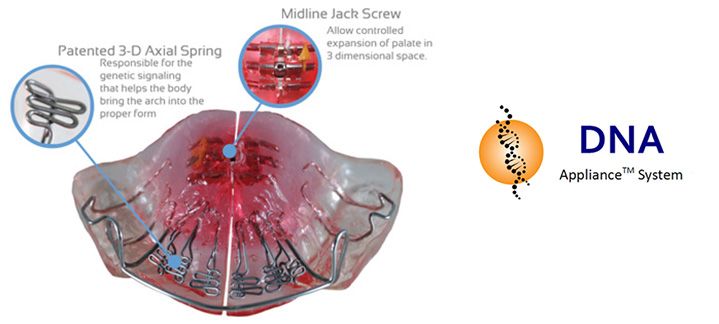
For structural airway issues, specialized devices can correct the root cause.
Try a DNA Appliance
The Daytime Nighttime Appliance (DNA) gently expands the upper jaw, creating more space for the tongue and improving airflow. It treats underlying sleep apnea and may eliminate the need for CPAP.
Consider Mandibular Advancement Devices (MAD)
These oral appliances move the lower jaw forward to keep the airway open. They’re effective for mild to moderate OSA and can reduce bruxism.
Repair Damaged Teeth and Correct Bite Issues
If grinding has already caused harm, restorative dentistry can help.
Fix Chipped or Worn Teeth
Options include dental bonding, crowns, or veneers. These restore appearance and function but don’t stop grinding—always combine with preventive strategies.
Correct Bite Imbalances
If misaligned teeth contribute to clenching, your dentist may recommend orthodontics or occlusal adjustment to improve bite harmony.
Try Botox for Severe, Painful Bruxism
For chronic cases unresponsive to other treatments, Botox injections can provide relief.
How Botox Works
Injected into the masseter muscles, Botox weakens contractions for 3–6 months, reducing grinding force and pain. It’s not a cure but gives your teeth and joints a break while you address root causes.
Note: Only administered by trained dentists or physicians.
Manage Pain and Prevent Long-Term Damage
When flare-ups occur, act quickly to reduce discomfort and protect your jaw.
Use Cold or Heat Strategically
Apply a cold pack for acute pain or swelling (20 minutes on, 20 off). Use a warm compress for muscle tightness.
Take OTC Pain Relievers as Needed
Ibuprofen reduces inflammation; acetaminophen helps with pain. Don’t rely on them long-term—treat the cause, not just the symptom.
Eat a Soft Diet Temporarily
Avoid chewy or crunchy foods. Stick to soups, smoothies, and mashed foods for a few days to let your jaw rest.
Prevent Complications with Ongoing Care
Ignoring bruxism can lead to enamel erosion, cracked teeth, TMJ disorders, and chronic headaches. Regular checkups, symptom tracking, and partner feedback are essential for long-term management.
Visit Your Dentist Every 6 Months
Even if you feel fine, your dentist can spot early wear and adjust your night guard.
Keep a Symptom Journal
Track jaw pain, headaches, stress levels, and sleep quality to identify patterns and adjust your treatment plan.
Final Note: Preventing tooth grinding requires a proactive, multi-pronged approach. Start with stress reduction and better sleep habits, use a custom night guard for protection, and investigate sleep apnea if symptoms suggest breathing issues. By addressing both symptoms and root causes, you can stop bruxism in its tracks and protect your smile for life.