If you’ve just had a tooth pulled, your dentist or oral surgeon almost certainly gave you a simple but powerful instruction: start rinsing with salt water 24 hours after the procedure. But why is salt water rinse after tooth extraction so universally recommended? This basic mixture—just salt and warm water—isn’t a home remedy or old wives’ tale. It’s a scientifically supported, time-tested practice endorsed by dental professionals worldwide for its ability to speed healing, prevent infection, and reduce pain.
After an extraction, the mouth is vulnerable. The open socket is a potential entry point for bacteria, and the delicate blood clot that forms in the wound must remain undisturbed to avoid complications like dry socket. Brushing too close to the area can be painful or risky, making regular cleaning difficult. That’s where salt water comes in. It gently cleanses the site, soothes inflammation, and creates an environment where harmful bacteria struggle to thrive—all without irritating sensitive tissues. Unlike alcohol-based mouthwashes that sting and delay healing, salt water is natural, safe, and effective.
Understanding why this simple rinse works so well—and how to use it correctly—can make a significant difference in your recovery. Whether you had a single tooth removed or multiple wisdom teeth extracted, following this post-op care step can help you heal faster, with less discomfort and fewer risks.
How Salt Water Prevents Infection
Creates a Bacteria-Fighting Environment
Salt water helps prevent infection by altering the environment in your mouth. When you rinse, the salt temporarily raises the pH level, making your mouth more alkaline. Most harmful oral bacteria prefer acidic conditions, so this shift slows their growth and reduces their ability to colonize the extraction site.
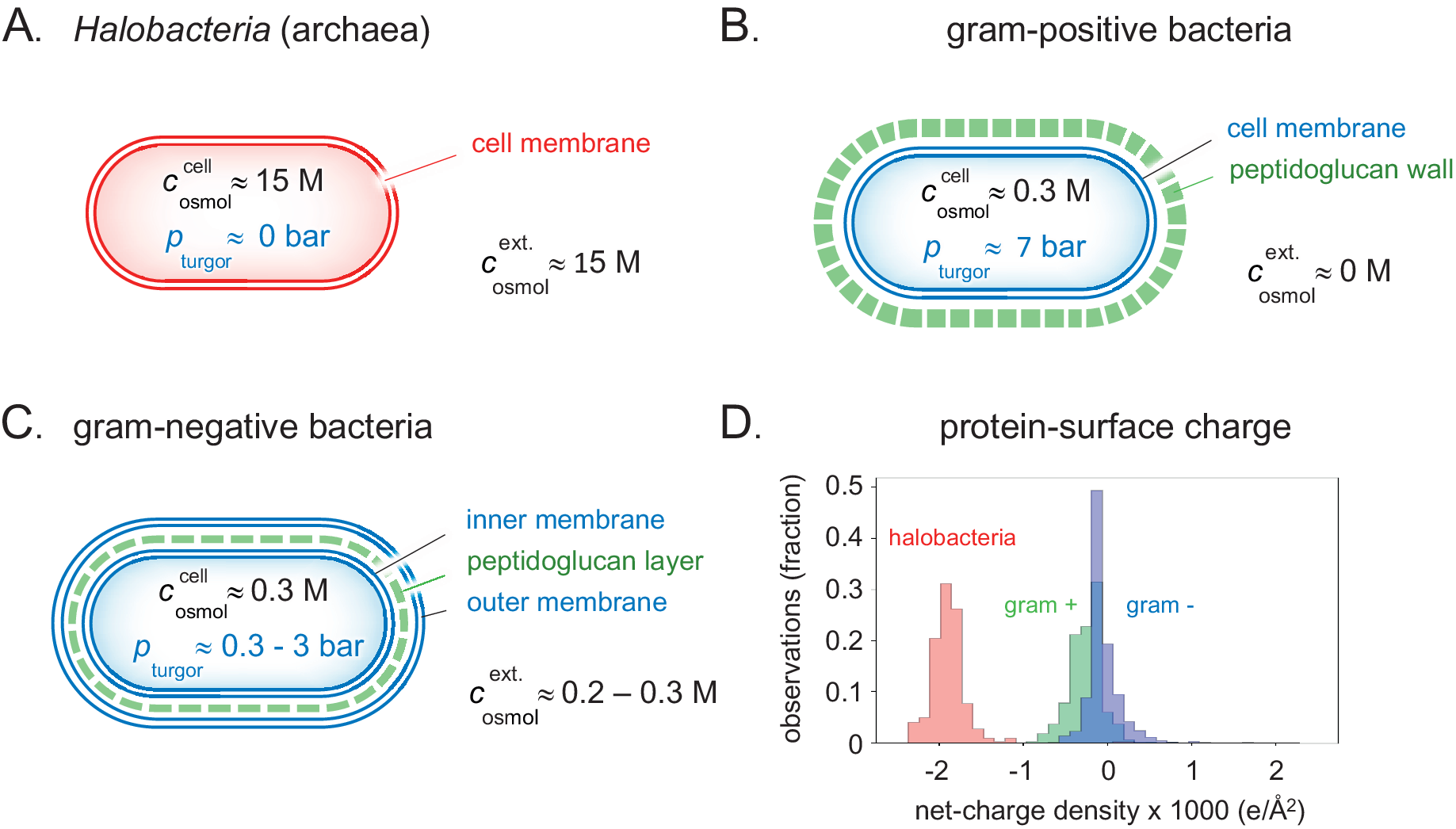
The real power lies in osmosis—a biological process where salt draws water out of bacterial cells. This dehydrates and weakens microbes, lowering the overall bacterial load around the wound. While salt water doesn’t sterilize the mouth, it significantly reduces the number of germs, giving your immune system a better chance to do its job.
Unlike antiseptic mouthwashes containing alcohol or harsh chemicals, salt water doesn’t burn or dry out soft tissues. It cleans gently, making it ideal for use on open wounds.
Reduces Risk of Dry Socket
One of the most feared complications after tooth extraction is dry socket (alveolar osteitis), which occurs when the protective blood clot dissolves or gets dislodged prematurely. Without this clot, the underlying bone and nerves are exposed, leading to severe pain, bad breath, and delayed healing.
Salt water rinses help prevent dry socket by keeping the area clean without disturbing the clot—as long as you rinse gently. Vigorous swishing can create suction that pulls the clot loose, so it’s crucial to move the solution slowly around your mouth. Used properly, salt water removes food debris and plaque that could otherwise harbor bacteria and contribute to clot breakdown.
Soothes Swelling and Pain Naturally
Calms Inflamed Tissues
Swelling, soreness, and discomfort are normal in the first few days after extraction. Salt water’s natural anti-inflammatory properties help reduce gum inflammation and ease pain. The warmth of the solution also increases blood flow to the area, which promotes healing and provides mild analgesic effects.
Many patients report feeling immediate relief after rinsing. The warm liquid soothes irritated nerves, while the salt reduces tissue puffiness. This makes eating, speaking, and sleeping more comfortable during the critical early stages of recovery.
Safe Alternative to Medications
For those who are sensitive to painkillers or prefer to minimize medication use, salt water offers a drug-free way to manage post-op symptoms. While it shouldn’t replace prescribed pain relievers for severe discomfort, regular rinsing can reduce your reliance on medication over time and support a more natural healing process.
Promotes Faster Healing
Boosts Blood Flow to the Socket
Healing depends on a steady supply of oxygen and nutrients delivered by blood. Salt stimulates microcirculation in the gums, enhancing the flow of healing factors to the extraction site. This increased blood flow accelerates tissue regeneration and shortens recovery time.
It also helps flush out toxins and metabolic waste from the wound, further supporting a clean, healthy healing environment.
Supports Clot Stability and Tissue Growth
The blood clot is essential—it acts as a protective barrier while new tissue forms beneath it. Salt water helps maintain clot integrity by reducing bacterial invasion and inflammation that could compromise it.
As healing progresses, gentle rinsing encourages the development of granulation tissue, the pink, healthy tissue that fills the socket and paves the way for complete recovery.
How to Make the Right Salt Water Solution
Correct Salt-to-Water Ratio
Use ½ to 1 teaspoon of table salt per 8 ounces (1 cup) of warm tap water. Both amounts are effective—choose based on comfort. Stir until the salt fully dissolves to avoid sharp granules that could scratch the wound.
Too much salt can irritate tissues; too little may not offer optimal benefits. Stick to this simple ratio for best results.
Use Lukewarm, Not Hot, Water
Always use warm, not hot, water. High temperatures can increase bleeding or dissolve the blood clot. The ideal temperature is slightly above body temperature—comfortable to hold in your mouth.
Test it on your wrist if unsure. It should feel warm but not scalding.
Proper Rinsing Technique
Step-by-Step Instructions
- Wait 24 hours after extraction before starting.
- Take a small sip of the salt water.
- Gently tilt your head to let the solution bathe the extraction site.
- Swish very gently or hold for 30 to 60 seconds.
- Spit out—do not swallow.
- Repeat up to 8 times daily, especially after meals.
Think of it as “bathing” the socket, not scrubbing it.
What to Watch For
- No increase in bleeding: If you notice fresh bleeding, you’re rinsing too hard.
- Clot remains intact: You shouldn’t feel sudden, sharp pain.
- Gradual improvement: Discomfort should steadily decrease.
When to Start and Stop Rinsing
Begin 24 Hours After Surgery
Never rinse on the day of extraction. The first 24 hours are critical for clot formation. Start your first rinse the morning after surgery, at least 24 hours post-procedure.
Continue for 7–14 Days
- Simple extractions: At least 7 days
- Wisdom teeth or surgical cases: Up to 14 days
If healing is slow or you’re using an irrigating syringe, follow your dentist’s instructions. Gradually reduce frequency as normal brushing resumes.
Frequency: How Often to Rinse
- Minimum: Twice daily (morning and night)
- Ideal: After every meal and snack
- Maximum: 6–8 times per day during the first week
Rinsing after eating removes trapped food and keeps the socket clean—like “brushing with water.”
Special Care for Wisdom Teeth Removal
Use of Irrigating Syringe

After wisdom teeth are removed, deep sockets can trap food. Your surgeon may give you a plastic irrigating syringe to flush these areas.
Start on day 3, once the clot is stable. Fill with warm salt water and gently flush each socket.
Targeted Flushing Technique
- Load the syringe.
- Gently insert the tip near the socket.
- Slowly press to release water.
- Let debris flow out naturally.
Repeat 3–4 times daily for up to two weeks.
Safety Tips and Common Mistakes
Don’t Swallow Large Amounts
Swallowing a little salt water is harmless, but too much can cause nausea or electrolyte imbalance. Always spit it out.
Avoid These Risks
- Vigorous swishing → dislodges clot
- Hot water → increases bleeding
- Starting too soon → disrupts clotting
- Over-salting → irritates tissue
Keep it gentle, warm, and timely.
What If You Can’t Use Salt?
Plain Warm Water Works Temporarily
No salt? Rinse with plain warm water. It lacks antibacterial effects but still removes debris. Better than nothing—resume salt water as soon as possible.
Alternatives to Avoid
- Alcohol-based mouthwashes: Too harsh
- Hydrogen peroxide: Can damage tissue
- Medicated rinses unless prescribed
Stick to salt water unless your dentist advises otherwise.
Broader Oral Health Benefits
Salt water isn’t just for extractions. It also helps:
– Heal canker sores
– Soothe sore throats
– Ease gum irritation
– Freshen breath naturally
It’s a versatile tool for overall oral care.
Why Dentists Agree on Salt Water
Oral surgeons, dentists, and hygienists all recommend salt water because it’s:
– Effective
– Safe
– Affordable
– Accessible
Despite minor differences in dosage or frequency, the core message is clear: start 24 hours after extraction, rinse gently and often.
Summary: Key Steps for Best Results
| Step | Action |
|---|---|
| Wait | 24 hours before first rinse |
| Mix | ½–1 tsp salt in 8 oz warm water |
| Rinse | Gently for 30–60 seconds |
| Frequency | 2–8 times daily, after meals |
| Duration | 7–14 days depending on healing |
| Avoid | Swishing hard, hot water, early use |
| Special Cases | Use syringe from day 3 for wisdom teeth |
Salt water rinse after tooth extraction is a simple, powerful tool that supports faster, safer healing. By reducing bacteria, soothing pain, and protecting the blood clot, it helps prevent complications and speeds recovery. Follow the 24-hour rule, use gentle technique, and rinse consistently. This age-old remedy remains a gold standard in post-op dental care—for good reason.