A sharp tooth can make every bite, word, and laugh an uncomfortable ordeal. Whether it’s from a chip, wear, or injury, jagged edges can slice your tongue or cheek, causing irritation and even sores. While the best solution is always professional dental care, how to file a sharp tooth at home may offer temporary relief when you can’t get to a dentist right away.
But caution is critical. Filing a tooth yourself should only be done if the tooth is pain-free and the damage is minor. If you’re feeling sensitivity, pain, or heat in the tooth, you could be dealing with exposed dentin or nerve damage—filing under those conditions can worsen the problem. This guide walks you through safe at-home methods, when to avoid DIY fixes, and how to protect your smile until you can see a dentist.
See a Dentist Before Attempting Any DIY Fix
Before picking up a file, your first step should be scheduling a dental visit. What seems like a simple sharp edge could hide a deeper fracture, decay, or structural issue only a professional can diagnose.
When to Seek Emergency Dental Care
Don’t wait if you notice any of these red flags:
– Sharp pain when chewing or sensitivity to temperature
– A visible crack or large chip in the tooth
– Swelling, bleeding, or pus around the gum line
– The sharp edge appeared after trauma (like a fall or sports injury)
These symptoms may indicate nerve exposure, infection, or a broken tooth root—all requiring immediate treatment. Ignoring them can lead to abscesses, tooth loss, or systemic infection.
Schedule a Routine Appointment for Non-Emergencies
Even if your tooth doesn’t hurt, see your dentist as soon as possible. They can:
– Smooth the tooth safely using sterile, precision tools
– Perform dental recontouring to reshape the tooth cosmetically
– Apply composite bonding or a veneer if the chip is significant
– Prevent future decay by sealing rough enamel edges
Pro Tip: If your appointment is weeks away and the sharp edge keeps cutting your mouth, use orthodontic wax as a temporary shield—never rely on home filing as a permanent fix.
File the Tooth with a Nail File (Only If Pain-Free)

If you’re unable to see a dentist immediately and the tooth shows no signs of pain or sensitivity, a nail file can help smooth the edge.
Choose the Right Tool
- Diamond-coated nail file: Most effective for hard enamel; files efficiently with minimal pressure
- Standard emery nail file: Less aggressive, better for light smoothing
- Avoid metal files with coarse grit or sharp edges—they can slip and injure gums or remove too much enamel
Never use scissors, knives, or metal tools not designed for oral use. These increase the risk of cuts, infection, and irreversible damage.
Step-by-Step Filing Process
- Stand in front of a bright mirror to clearly see the affected tooth
- Wet the file slightly to reduce friction and heat buildup
- Hold the file flat and horizontal against the sharp edge
- Use gentle back-and-forth motions—do not press hard
- File for only 10–15 seconds, then stop and assess
- Rinse your mouth and test the area with your tongue
Warning: Stop immediately if you feel heat, pain, or sensitivity. This means you may have breached the enamel and reached the softer, more vulnerable dentin layer.
How Much Should You File?
- Only file enough to eliminate the cutting edge
- Aim for a smooth, rounded contour—not a flat or uneven surface
- Over-filing weakens the tooth structure and increases decay risk
Expert Note: A few light strokes with a diamond file are often all it takes. Over-filing doesn’t just weaken enamel—it can alter your bite and lead to jaw strain.
Use a Non-Metal Emery Board for Gentle Smoothing
For minor sharpness, a non-metal emery board is a safer, more controlled option than metal files.
Why Emery Boards Are Safer
- Made of paper or cardboard with fine abrasive grit
- Less likely to slip or gouge surrounding tissue
- Gentle on enamel when used correctly
Limitation: Emery boards work best for small, superficial sharpness—not deep chips or fractures.
How to Use an Emery Board Safely
- Position the board flat against the sharp edge
- Slide it back and forth gently 10–20 times
- Check progress frequently in the mirror
- Stop as soon as the edge no longer catches on your tongue
Avoid aggressive or repeated filing. Enamel does not regenerate—once it’s gone, it’s gone.
When NOT to File Your Tooth at Home
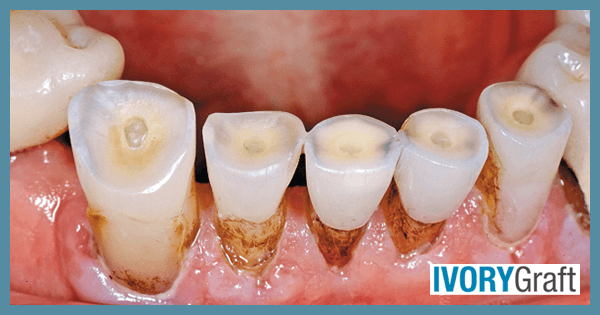
Filing is never safe in these situations:
Tooth Pain or Sensitivity
- Indicates possible nerve exposure or dentin damage
- Filing can deepen the injury and lead to infection
- Requires professional evaluation and likely restorative treatment
Deep Chips or Cracks
- May expose the pulp (nerve center) of the tooth
- DIY filing risks further breakage or infection
- Often requires bonding, crown, or root canal therapy
Ongoing Irritation After Filing
- If the tooth still feels sharp or begins to hurt after filing
- You may have filed too much or created an uneven surface
- A dentist must assess and repair the damage
Critical Reminder: Enamel damage is permanent. Unlike skin or bone, it doesn’t heal or regrow.
Protect Your Mouth Until You See a Dentist
If you can’t file the tooth—or shouldn’t—use temporary protective measures.
Apply Orthodontic Wax
- Wash your hands and dry the tooth
- Pinch off a small piece of wax
- Roll it into a ball and press it over the sharp edge
- Replace daily or when it falls off
Benefit: Creates a smooth, protective barrier that prevents cuts to your tongue and cheeks.
Use Pain Relief Wisely
- Over-the-counter painkillers: Ibuprofen or acetaminophen (follow label instructions)
- Topical numbing gels: Benzocaine-based products for short-term relief
- Cold compress: Apply to the outside of your cheek to reduce swelling
Caution: Pain relievers mask symptoms—they don’t treat the cause. Delaying care can turn a small issue into a major dental emergency.
Eat Safely to Avoid Further Damage
Your diet can either help or harm a damaged tooth.
Foods to Avoid
- Hard items: Ice, nuts, popcorn, chips (risk of further chipping)
- Sticky foods: Caramel, gum, dried fruit (can pull on weakened areas)
- Acidic foods/drinks: Citrus, soda, wine, vinegar (erode enamel)
- Sugary snacks: Candy, pastries, bread (feed cavity-causing bacteria)
Soft, Tooth-Friendly Foods
- Mashed potatoes
- Yogurt and cottage cheese
- Oatmeal or porridge
- Scrambled eggs
- Applesauce
- Soups and broths
- Noodles and rice
Tip: Cut food into small pieces to reduce chewing pressure on the affected tooth.
Prevent Future Damage
Even after smoothing the edge, protect your tooth from further harm.
Break Harmful Habits
- Don’t chew on ice, pens, or fingernails
- Never use your teeth to open packages or bottles
- Wear a night guard if you grind or clench your teeth (bruxism)
Maintain Strong Oral Health
- Brush gently with a soft-bristled toothbrush
- Use fluoride toothpaste to strengthen remaining enamel
- Floss daily to prevent decay near the damaged area
- Rinse with warm salt water (½ tsp in a cup of water) to soothe irritation and reduce bacteria
Pro Tip: Regular dental checkups can catch small issues before they become painful problems.
Understand What Causes a Sharp Tooth

Knowing the root cause helps prevent recurrence.
Common Causes
- Tooth wear from grinding (bruxism): Like sharpening a knife, repeated friction creates sharp edges
- Chips or fractures: From biting hard objects or facial trauma
- Enamel erosion: Caused by acidic diet, acid reflux, or frequent vomiting
- Uneven wear: Misaligned bite or previous dental work altering tooth shape
Expert Insight: Dr. Lewis Chen, DDS, explains: “Sometimes, a tooth becomes sharp from overuse—like sharpening a knife. The more you grind or chew unevenly, the sharper one tooth can get.”
Final Tips for Safe At-Home Filing
- ✅ Only file if the tooth is completely pain-free
- ✅ Use a mirror and bright light for clear visibility
- ✅ Choose non-metal tools like emery boards or diamond nail files
- ✅ File gently and briefly—10–15 seconds max
- ✅ Stop immediately if you feel pain, heat, or sensitivity
- ✅ Always follow up with a dentist, even if it feels better
Never sacrifice long-term dental health for short-term comfort.
Know the Risks of DIY Filing
Filing a tooth at home carries serious risks:
Potential Complications
- Enamel loss: Leads to sensitivity, decay, and further chipping
- Tooth weakening: Increases risk of fractures or cracks
- Nerve exposure: May require root canal or extraction
- Bite misalignment: Uneven filing can affect jaw function and cause TMJ issues
Bottom Line: At-home filing is a temporary patch, not a fix. Only a dentist can reshape your tooth safely and preserve its health.
Final Note: Knowing how to file a sharp tooth can offer momentary relief, but it should never replace professional dental care. Use conservative methods only when necessary, stop at the first sign of discomfort, and always follow up with a dentist. Your enamel is irreplaceable—once it’s gone, it’s gone for good. Protect your smile with smart choices today.