
You’ve just had your wisdom teeth removed, and now you’re sitting at home with gauze tucked into your cheek, wondering: How often should I change this? It’s one of the most common post-op concerns—and for good reason. Improper gauze use can delay healing or even lead to complications like dry socket, a painful condition that affects up to 30% of surgical extraction patients. The standard advice is to change gauze every 30 to 60 minutes while active bleeding continues, but the real key isn’t the clock—it’s your body’s signals. Bright red blood soaking through? Time for a fresh pad. Gauze that’s only faintly pink after 45 minutes? You may be done. This guide breaks down exactly when, how, and why to use gauze after wisdom tooth removal, what signs to watch for, and when it’s time to call your dentist—so you can heal safely and avoid setbacks.
First 45 Minutes: Keep Gauze in Place
Right after surgery, your oral surgeon places a sterile gauze pad over each extraction site. Your job during this critical window? Leave it alone for 30 to 45 minutes while applying firm, steady pressure by biting down gently with your teeth.
Why Wait 45 Minutes?
This initial period is essential for blood clot formation—your body’s natural first aid. The clot acts as a protective barrier over the exposed bone and nerves, preventing infection and kickstarting tissue regeneration. Removing the gauze too early disrupts this fragile process and can restart bleeding.
- ✅ Do: Bite down consistently using your back teeth.
- ❌ Don’t: Talk excessively, chew, or peek at the site.
- ❌ Don’t: Remove the gauze early, even if it feels damp or uncomfortable.
After 45 minutes, remove the gauze carefully. If it sticks, lightly dampen it with water before peeling it away—yanking can pull out the forming clot, which dramatically increases the risk of dry socket.
Change Gauze Based on Bleeding, Not Time
Forget the schedule—your bleeding level should dictate gauze changes, not the timer on your phone.
When to Replace Gauze
Replace gauze when:
– It’s soaked through with bright red blood.
– You feel blood pooling in your mouth.
– You taste blood or notice dripping.
Most patients need to change gauze every 30 to 60 minutes during the first few hours. Use only enough pressure to control bleeding—over-biting can irritate the site.
Signs You Can Stop Changing Gauze
Discontinue gauze when:
– The pad comes out clean or slightly pink after 45 minutes.
– No fresh blood flows from the socket.
– You no longer taste blood or feel wetness.
If bleeding slows within 2 to 6 hours, you’re on the right track. Some patients—especially those who had multiple or impacted teeth removed—may need gauze longer, sometimes up to 24 hours. But never exceed that without consulting your dentist.
Proper Gauze Application Technique

How you apply gauze matters just as much as how often you change it.
Step-by-Step Gauze Placement
- Use sterile gauze – Fold a pad into 2–3 layers for better absorption and pressure.
- Place directly over the socket – Ensure full coverage of the extraction site.
- Bite down gently but firmly – Use your molars; avoid chewing motions.
- Set a timer – Replace only when saturated, not out of habit.
- Avoid overuse – Changing every 15–20 minutes can disturb clot development.
Pro Tip: Start with dry gauze—it applies more pressure and absorbs better. Switch to lightly dampened gauze later if dryness causes sticking during removal.
Use a Tea Bag If Bleeding Persists
Still bleeding after several hours? Try a black tea bag—a proven, natural alternative recommended by oral surgeons.
Why Tea Bags Work
Black tea contains tannins, natural compounds that help constrict blood vessels and accelerate clotting.
How to Apply a Tea Bag
- Soak a black tea bag in warm (not hot) water.
- Squeeze out excess liquid.
- Fold and place it directly over the extraction site.
- Bite down for 30–45 minutes.
Many patients see noticeable improvement within an hour. Reapply if needed, but contact your dentist if heavy bleeding persists beyond 6 hours.
Know When to Stop Using Gauze
Using gauze too long can backfire. Once bleeding slows, continued use increases the risk of clot disruption.
Safe to Stop If:
- Gauze shows only trace pink staining after 45 minutes.
- No active bleeding from the socket.
- The clot appears dark red and jelly-like.
- Your mouth feels dry, with no pooling or dripping.
Most patients can stop gauze use within 6 hours. If you’re still soaking through pads beyond that, it’s time to call your dental provider.
Never Sleep with Gauze in Your Mouth
It might seem logical to leave gauze in overnight, but do not sleep with it.
Risks of Overnight Use
- Choking hazard if it slips back into your throat.
- Clot disruption from unconscious jaw movement.
- No added benefit—your body heals best at rest without foreign material.
If you’re still oozing at bedtime:
– Use the tea bag method one last time.
– Sit upright for 30 minutes before lying down.
– Place a towel on your pillow to protect against minor seepage.
Avoid These Gauze Mistakes

Small missteps can derail healing. Avoid these common errors:
❌ Spitting or Rinsing Too Soon
Spitting creates suction that can pull the clot out. Wait 24 hours before rinsing—even salt water.
❌ Using a Straw
Suction from drinking through a straw is a leading cause of dry socket. Avoid for at least 5–7 days.
❌ Smoking or Vaping
Nicotine restricts blood flow and slows healing. Wait at least 72 hours—preferably longer.
❌ Eating Hard or Hot Foods
Stick to soft, cool foods like yogurt, applesauce, or smoothies. Chew on the opposite side.
❌ Leaving Gauze In Too Long
Gauze left in for hours can stick to the clot. Removing it may dislodge the clot—leading to severe pain and delayed healing.
Extended Gauze Use: When It’s Necessary
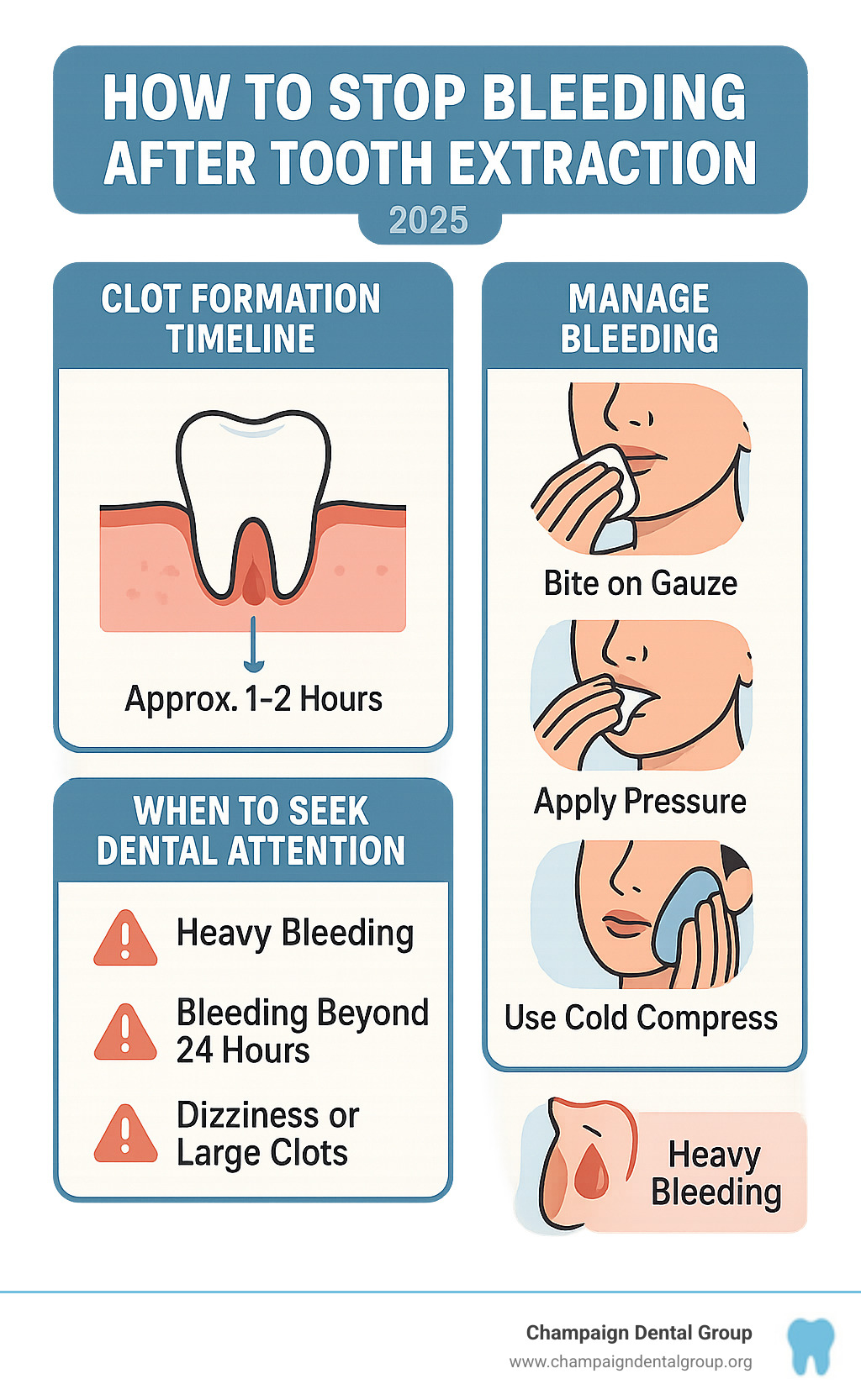
Some patients need gauze longer than 6 hours.
Who May Need Gauze Beyond 6 Hours?
- Impacted wisdom teeth removal – More trauma means more bleeding.
- Multiple extractions – Larger wound area requires longer clotting time.
- Blood thinners (e.g., aspirin, warfarin) – Interfere with clot formation.
- High blood pressure – Increases bleeding risk.
- Smokers – Impaired circulation delays healing.
If you fall into one of these categories, follow your dentist’s personalized instructions closely.
When to Call Your Dentist
Most bleeding stops within hours. If not, seek help.
Seek Immediate Care If:
- Heavy bleeding continues beyond 6 hours despite gauze and pressure.
- You’re swallowing large amounts of blood, causing nausea or vomiting.
- Pain worsens after Day 2—a key sign of dry socket.
- The socket looks empty, dry, or bone is visible.
- You develop fever, pus, or foul odor days after surgery.
Dry socket is treatable, but early intervention reduces pain and speeds recovery.
After Gauze: Next Steps for Healing
Once gauze is no longer needed, shift focus to protection and hygiene.
24 Hours Post-Surgery: Start Saltwater Rinses
- Mix ½ tsp salt in 8 oz warm water.
- Gently swish 4–5 times daily, especially after eating.
- Don’t spit—let fluid drain from your mouth.
Saltwater reduces bacteria and soothes tissues without disrupting healing.
Soft Diet for the First 3 Days
Stick to foods that don’t require chewing near the site:
– Mashed potatoes
– Scrambled eggs
– Smoothies
– Oatmeal
– Cooled broth-based soups
Avoid hot, spicy, crunchy, or sticky foods that can irritate the socket.
Rest and Activity Guidelines
- Rest for 2–3 days.
- Avoid strenuous exercise for 48–72 hours—it raises blood pressure and can restart bleeding.
- Keep your head elevated when lying down.
Manage Pain and Swelling
- First 24 hours: Use cold compresses (20 minutes on, 20 minutes off).
- After 24 hours: Switch to warm compresses to boost circulation.
- Take ibuprofen or acetaminophen as directed.
- Use prescription meds only if needed—they can cause drowsiness.
Healing Timeline Without Gauze
| Time After Surgery | What to Expect |
|---|---|
| Day 1–2 | Bleeding stops; clot stabilizes. Mild pain and swelling. |
| Day 3–5 | Swelling peaks, then subsides. Stitches (if used) begin dissolving. |
| Day 7–10 | Jaw stiffness improves. Most discomfort gone. |
| Week 2–3 | Gums close over socket. |
| 1–3 months | Bone fills in; full healing complete. |
Healing isn’t linear. Some days may feel worse—especially around Day 3. That’s normal.
FAQs: Gauze After Wisdom Teeth Removal
How long should I keep gauze in?
Keep the first gauze for 30–45 minutes. Replace every 30–60 minutes until bleeding slows—usually 2–6 hours.
Can I stop gauze if there’s light bleeding?
Yes. Pink-tinged saliva is normal. Only continue gauze if you see active, bright red bleeding.
Should gauze be wet or dry?
Use dry gauze first for maximum pressure. Use lightly damp gauze later to prevent sticking.
Can I sleep with gauze?
No. It’s a choking risk and offers no benefit. Remove it before bed once bleeding slows.
What if I swallow blood?
Small amounts are harmless and may cause mild nausea. Sit upright and avoid lying flat.
How do I know if the clot formed?
A healthy clot is dark red, firm, and jelly-like. If the socket looks white or hollow, contact your dentist—it could be dry socket.
Can gauze cause dry socket?
Yes—if it sticks and pulls the clot out when removed. Don’t leave gauze in too long or change it too often.
When can I eat after removing gauze?
Once active bleeding stops, eat soft, cool foods. Chew on the opposite side.
How long does the extraction site take to heal?
- Gums: 1–2 weeks.
- Bone: Several months.
- Full recovery varies by person and procedure complexity.
Final Note: Proper gauze use is your first line of defense against complications after wisdom tooth extraction. Change it every 30–60 minutes while bleeding is active, stop when oozing fades, and never sleep with it in. Protect the blood clot by avoiding spitting, straws, and smoking. If bleeding won’t stop or pain spikes, call your dentist. Follow these steps, and you’ll be on the fast track to a smooth, safe recovery.