Waking up after wisdom tooth extraction can be tough—swelling, pain, and anxiety about complications often make rest feel impossible. But getting quality sleep isn’t just about comfort; it’s essential for healing. The first 72 hours post-surgery are critical, and how you sleep directly affects your recovery speed, pain levels, and risk of complications like dry socket. With the right positioning, pain control, and aftercare, you can rest safely and wake up feeling better. This guide delivers proven, step-by-step strategies to help you sleep comfortably and safely after wisdom tooth removal—so you heal faster and avoid preventable setbacks.
Elevate Your Head Properly to Reduce Swelling and Bleeding

Keeping your head above your heart is the most effective way to minimize swelling and prevent nighttime bleeding. When lying flat, blood naturally pools in the head and jaw, increasing pressure at the surgical site. This can lead to throbbing pain, more swelling, and even disrupted clot formation.
Use a Wedge Pillow or Recliner for Stable Support
Sleep in a recliner chair or prop yourself up with 2–3 firm pillows under your upper back and head. Aim for a 30–45 degree angle—this helps drainage and reduces blood pressure in the jaw. A foam wedge pillow, available at most pharmacies, offers stable, long-lasting support and won’t slip during the night like regular pillows often do.
Avoid stacking pillows only under your neck or head. This can bend your spine, strain your neck, and restrict airflow—especially if you’re drowsy from pain meds. Instead, support your entire upper body to maintain a natural, open airway and consistent elevation.
Maintain Elevation for at Least 72 Hours
Keep your head elevated for the first three nights after surgery. Swelling typically peaks around day two, so consistent elevation helps control it before it worsens. If you wake up with a puffy face or pulsing pain, it’s a sign you weren’t high enough—adjust your setup before going back to sleep.
Even when you start feeling better, don’t rush to lie flat too soon. Gradually reduce elevation after day three, but keep slight support (like an extra pillow) if swelling persists.
Sleep on Your Back to Protect the Surgical Site

Your sleep position plays a major role in how quickly and comfortably you heal. Lying in the wrong position can increase swelling, cause pain, or even dislodge the blood clot.
Why Back Sleeping Is Best
Sleeping on your back keeps your jaw neutral and prevents pressure on the extraction sites. It also helps maintain head elevation without strain. If you’re still numb from anesthesia, back sleeping reduces the risk of accidentally biting your cheek, tongue, or lips while asleep.
Back sleeping also minimizes jaw movement during the night, which supports clot stability and reduces irritation to the surgical area.
Avoid Side and Stomach Sleeping
Side sleeping presses your jaw into the pillow, increasing pressure and swelling on the affected side. It also makes it harder to maintain proper head elevation, especially if you roll during the night.
Stomach sleeping is the worst choice—it forces your face downward, raising blood pressure in the head and increasing the risk of bleeding or clot disruption. Plus, turning your head to the side while lying on your stomach can strain your jaw and neck.
If you’re a habitual side sleeper, place a body pillow behind your back to prevent rolling. You can also try tucking a small pillow under your chin to encourage keeping your head aligned.
Remove Gauze Before Bed to Prevent Choking
While gauze helps control bleeding right after surgery, you should remove it before falling asleep unless a responsible adult is monitoring you. Gauze can shift, loosen, or become a choking hazard—especially when drowsy from anesthesia or pain medication.
Choking Hazard Risk Is Real
Even if you’re using gauze correctly, it can slip into the back of your throat while you sleep. This is especially dangerous if you’re alone or heavily sedated. Never fall asleep with gauze in your mouth unless someone is awake and checking on you every 20–30 minutes.
When to Stop Using Gauze
Use gauze for 30–60 minutes after surgery to control initial bleeding. Replace it if it becomes soaked, but only if active bleeding continues. Once bleeding slows to light oozing (pink saliva is normal), remove the gauze before bedtime.
If bleeding remains heavy—soaking through gauze in under 30 minutes—contact your dentist. Do not rely on gauze all night to manage excessive bleeding.
Take Pain Meds Before Bed to Stay Ahead of Discomfort
Pain that wakes you up is harder to manage. The key is staying ahead of it by taking medication before you lie down.
Dose Strategically for Maximum Effect
Take your pain medication 30–60 minutes before bedtime so it kicks in while you’re still upright. This prevents sudden pain spikes that can disrupt sleep. Follow your dentist’s instructions exactly—don’t skip doses, even if you feel okay.
Set a phone alarm to take your next dose on schedule, especially the first two nights. Disrupted sleep from missed meds can delay healing and increase inflammation.
Combine Medications for Stronger Relief
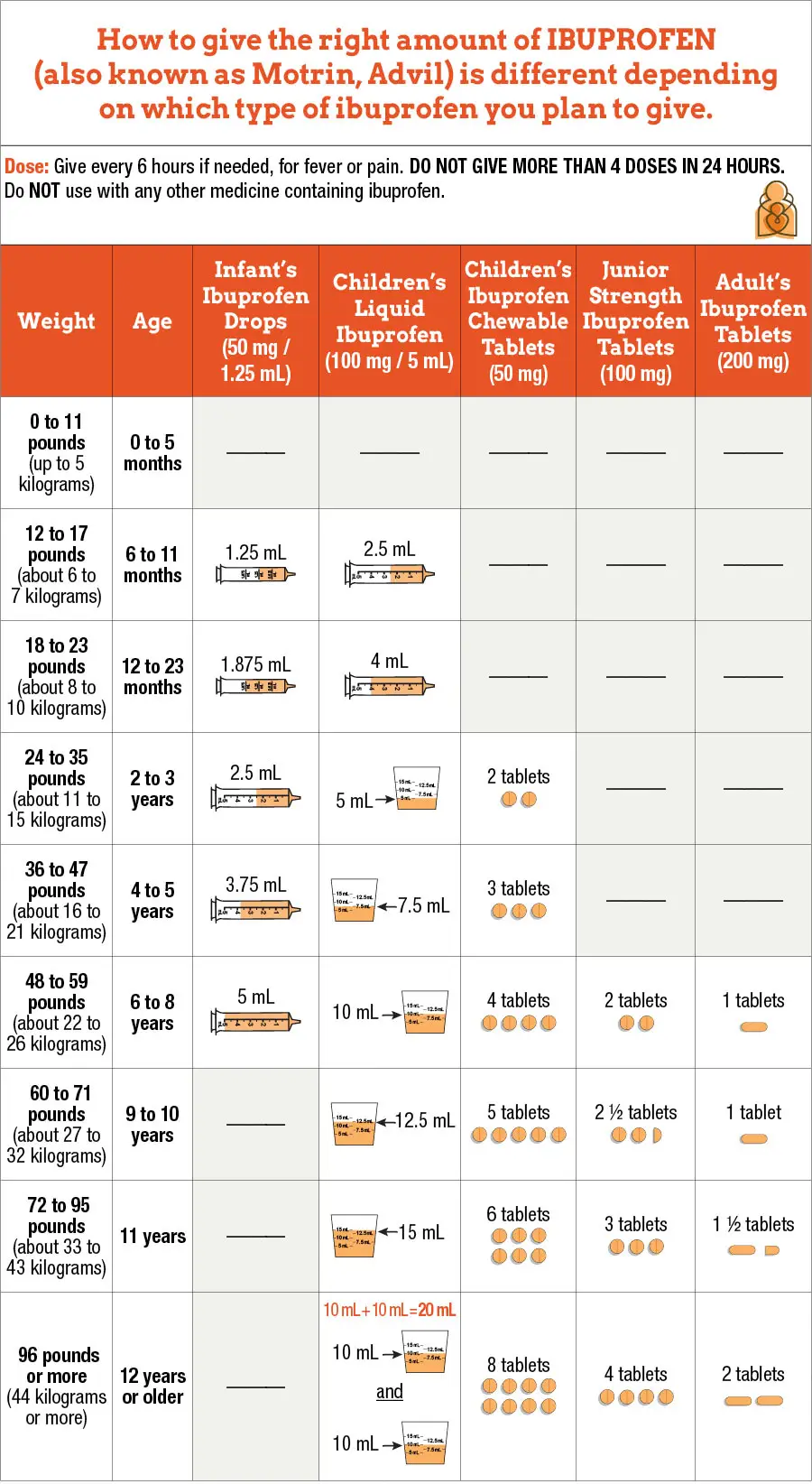
If approved by your dentist, combine ibuprofen (Advil) and acetaminophen (Tylenol). Ibuprofen reduces inflammation and swelling, while Tylenol targets pain. Together, they provide stronger relief than either drug alone—and reduce the need for opioids.
For example: take 600 mg ibuprofen and 500–1000 mg acetaminophen every 6–8 hours as directed. Always confirm dosing with your oral surgeon.
Use Cold Therapy Before Bed to Soothe Pain and Swelling
Cold packs numb the area, reduce inflammation, and help you fall asleep faster.
Apply Ice Correctly
Wrap an ice pack or frozen peas in a thin towel. Apply it to the cheek near the surgery site for 15–20 minutes before turning off the lights. Never apply ice directly to the skin—this can cause frostbite.
Use a 20 minutes on, 20 minutes off cycle to avoid tissue damage. Cold therapy is most effective in the first 48 hours.
Switch to Warm Compresses After 48 Hours
After two days, swelling should start to go down. At this point, switch to a warm compress to boost blood flow and speed healing. Apply for 15–20 minutes before bed to relax jaw muscles and ease lingering stiffness.
Prevent Dry Socket While You Sleep
Dry socket is the most painful complication—avoid it by protecting the blood clot during sleep.
Avoid Suction Risks
No straws, no spitting, no smoking. The sucking motion can dislodge the clot, exposing bone and nerves. Even coughing hard or yawning widely can create pressure—try to keep jaw movements small.
Sleep Habits That Protect Clots
- Keep your head elevated
- Sleep on your back
- Avoid talking late at night or chewing gum before bed
These habits reduce pressure changes in the mouth and minimize jaw movement.
Watch for Warning Signs
Seek help if you experience:
– Severe pain 2–4 days after surgery
– Pain spreading to your ear or temple
– Bad taste or smell
– Visible bone in the socket
Call your dentist immediately—dry socket needs medicated dressing.
Control Swelling and Bleeding Overnight
Some oozing and puffiness are normal—but know when to worry.
Reduce Swelling Naturally
Elevate + ice = best combo. Swelling peaks at 48 hours. If it worsens after day 3, it could signal infection.
Handle Nighttime Bleeding
A little pink in saliva is normal. Replace gauze if damp, but bite down gently. If blood soaks through in under 30 minutes or you’re swallowing blood, call your dentist.
Stick to a Soft Diet and Hydrate
What you eat and drink during the day affects how well you sleep.
Eat Healing Foods
Choose: applesauce, yogurt, mashed potatoes, smoothies (no straw), broth, pudding, oatmeal. Avoid seeds, nuts, spicy or acidic foods.
Stay Hydrated Safely
Sip cool or room-temperature water all day. No alcohol, coffee, or carbonated drinks—they delay healing and increase dry socket risk.
Create a Calm Sleep Environment
Discomfort is worse in a noisy, stressful space.
Ideal Room Setup
- Keep it cool—heat increases swelling
- Use blackout curtains or a sleep mask
- Play white noise or calming music
- Ask family to keep noise down
Wind Down Gently
Take a lukewarm shower, wear soft clothes, and avoid screens 30–60 minutes before bed. Blue light delays melatonin—put your phone away.
Avoid Harmful Behaviors That Disrupt Healing
Certain habits sabotage recovery and sleep.
No Smoking or Vaping
Wait at least 72 hours—nicotine restricts blood flow and kills clot-forming cells. Vaping is just as risky.
No Alcohol
Alcohol thins blood and reacts dangerously with painkillers. Skip it for 48 hours minimum.
No Strenuous Activity
Avoid exercise, lifting, or bending over for 3–5 days. Increased blood pressure can trigger nighttime bleeding.
Know When to Call Your Dentist
Don’t tough it out—some symptoms need urgent care.
Seek Help Immediately If:
- Pain won’t stop even with meds
- Bleeding won’t slow with pressure
- Swelling gets worse after day 3
- Fever over 101°F (38.3°C)
- Pus or foul smell from the socket
- Can’t open your mouth or swallow
- Numbness lasts more than 24 hours
Call your oral surgeon right away.
Expect Gradual Sleep Improvement
Your sleep will get better each night.
Night 1: Hardest but Most Important
Expect frequent waking. Focus on staying elevated, medicated, and calm. Keep water, meds, and ice pack within reach.
Nights 2–3: Swelling Peaks, Pain Drops
Face may look puffiest, but pain should ease. Continue elevation and cold packs.
Nights 4–7: Rest Becomes Easier
Most sleep through the night by day 5. Start gentle saltwater rinses after day 2—spit softly.
After Day 7: Return to Normal
Stitches come out around day 7. Resume regular sleeping position. Full healing takes 2–6 weeks.
Manage Medication Side Effects
Painkillers can cause drowsiness, dizziness, nausea, or vivid dreams. These fade in 24–48 hours. Take first doses while awake and supervised. If side effects are severe, ask about non-opioid options.
Special Tips for Teeth Grinders
If you grind your teeth, don’t wear a night guard for at least 2 weeks—it presses on surgical sites. Your dentist may fit you with a soft, modified guard later. Reduce jaw tension with gentle stretches and deep breathing before bed.
Final Note:
Sleeping after wisdom tooth extraction doesn’t have to be miserable. By elevating your head, taking meds on time, removing gauze, and avoiding risky behaviors, you can rest safely and heal faster. Stick to soft foods, stay hydrated, and create a peaceful bedroom environment. Most importantly, listen to your body—if something feels wrong, call your dentist. The first few nights are tough, but each day gets easier. Prioritize rest, follow these steps, and you’ll be back to normal sleep—and smiling—sooner than you think.