Losing a baby tooth is a milestone most children experience between ages 5 and 12, but when that wiggly tooth just won’t fall out, it can leave both kids and parents wondering: how to remove a loose tooth without causing pain or complications. The good news? In most cases, the body handles it naturally. But when a little help is needed, using the right technique makes all the difference.
Knowing when it’s safe to intervene, how to do it gently, and when to leave it to a dentist ensures a smooth transition from baby teeth to permanent ones. This guide walks you through every step—from recognizing the signs a tooth is ready, to safe removal methods, aftercare, and red flags that require professional attention. We’ll also cover what to do if a permanent tooth becomes loose (a serious concern in adults) and how to support your child emotionally during this exciting phase.
Recognizing When a Baby Tooth Is Ready to Come Out
Key Signs It’s Time to Act
A baby tooth should only be pulled when it’s very loose and causes no pain. Removing it too early can lead to bleeding, discomfort, or misaligned permanent teeth.
Look for these indicators:
– The tooth moves freely in all directions
– It can be wiggled with a finger or tongue without pain
– It dangles by a small strand of gum tissue
– The permanent tooth is visible or can be felt pushing through the gums
If touching the tooth causes pain, the root hasn’t fully dissolved—wait a few more days.
Typical Age Range for Tooth Loss
Most children begin losing teeth around age 5 or 6, starting with the lower front teeth. The process continues until about age 12, as all 20 primary teeth are gradually replaced. Each tooth may take weeks or even months to loosen completely, so patience is essential.
Encourage Natural Tooth Loss with Safe Techniques
Wiggle the Tooth Gently
The simplest and safest way to speed up the process is gentle wiggling. Encourage your child to use clean fingers or their tongue to move the tooth back and forth daily.
Pro tip: Turn it into a game—track progress on a chart or celebrate each wiggle session to reduce fear and build excitement.
Eat Crunchy Foods to Help It Fall Out
Natural chewing forces from foods like apples, carrots, celery, and chicken nuggets can help dislodge a loose tooth. The firm pressure encourages the ligaments holding the tooth to release.
Avoid hard candies, nuts, or popcorn kernels, which can crack the tooth or injure the gums.
Try Soft Sticky Foods for Gentle Pulling
Ripe bananas, marshmallows, or soft taffy can gently tug at the tooth during chewing without causing trauma. These foods offer controlled force and are safe for young mouths.
Brush Around the Tooth Daily
Using a soft-bristled toothbrush, gently clean around the loose tooth. Brushing stimulates the area and can help speed up natural shedding.
Teach your child not to bite down hard on the tooth or yank it while brushing.
Safe Methods to Pull a Loose Tooth at Home
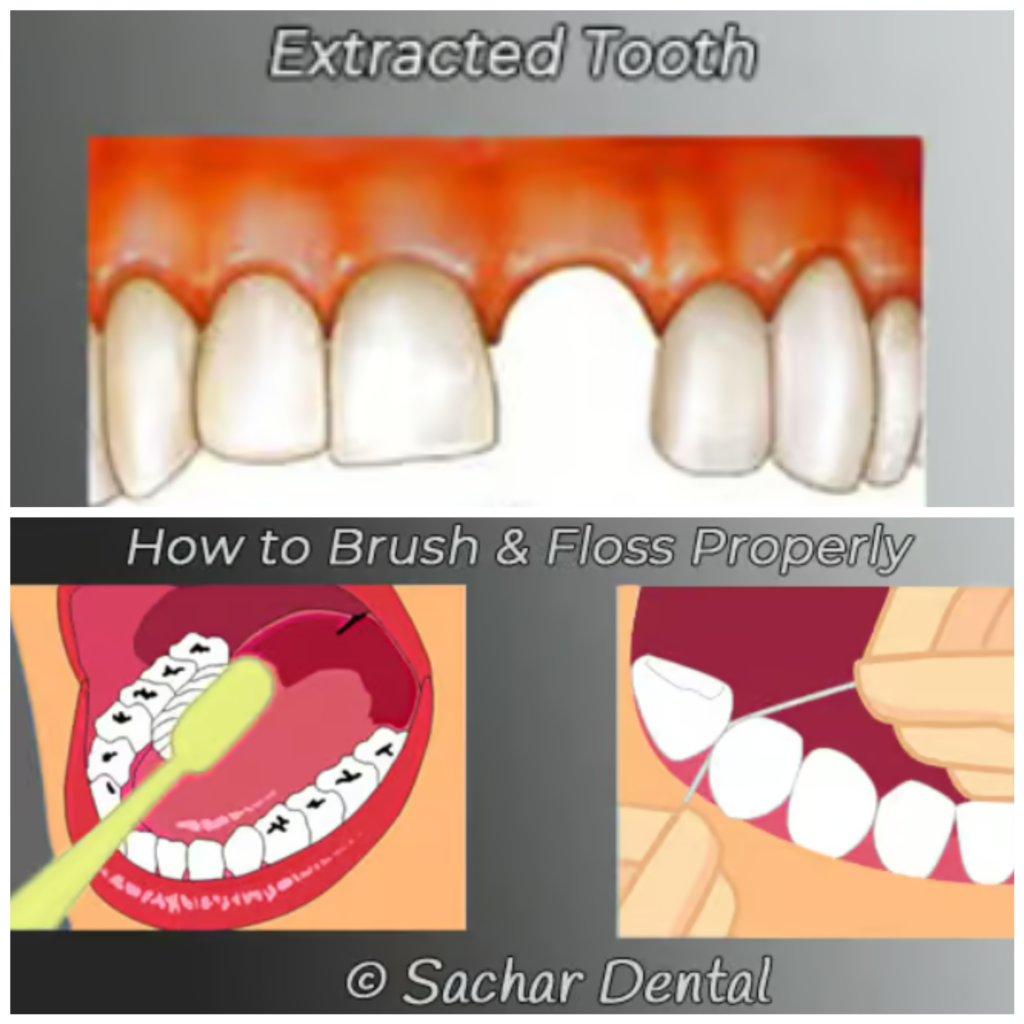
Use Sterile Gauze for a Quick, Controlled Pull
Only attempt removal if the tooth is extremely loose and causes no pain.
Step-by-Step:
- Wash your hands and your child’s hands thoroughly.
- Wrap a piece of sterile gauze around the tooth for better grip.
- Wiggle gently back and forth to loosen it further.
- Apply a quick, firm pull in one motion—avoid twisting or jerking.
- If the tooth resists, stop and wait another day or two.
A slight tug is often enough. If it doesn’t come out easily, it’s not ready.
Try the Dental Floss Technique for Stubborn Teeth
This method works well when the tooth is loose but caught on gum fibers.
How to Do It:
- Use clean, unwaxed dental floss.
- Slide it between the loose tooth and its neighbor.
- Gently move the floss up, down, and side to side to apply pressure.
- Repeat until the tooth releases.
This mimics natural chewing and reduces the need for pulling.
Soothe Discomfort Before and After Removal
Rinse with Warm Saltwater
Reduces inflammation and disinfects the area.
Instructions:
- Mix ½ teaspoon of salt in 8 ounces of warm water.
- Swish gently for 30 seconds, twice daily.
- Begin rinsing after the tooth comes out to avoid irritation.
Apply Cold for Numbness and Swelling
If your child feels nervous or sore:
– Swish ice-cold water around the mouth.
– Hold an ice pack against the cheek for 5–10 minutes.
Cold helps numb nerves and reduces swelling.
What NOT to Do When Removing a Loose Tooth
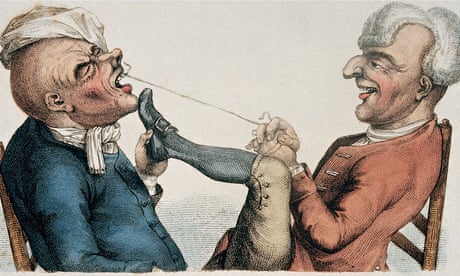
Avoid these dangerous methods—they can cause injury or infection:
❌ Tie a string to a doorknob and slam the door
Uncontrolled force can damage gums, jaw, or adjacent teeth.
❌ Use pliers or sharp tools
Increases risk of tissue damage, incomplete removal, and infection.
❌ Pull before the tooth is ready
Causes pain, excessive bleeding, and delayed healing.
❌ Let the child swallow a broken tooth
While usually harmless, it’s best to ensure the entire tooth comes out.
❌ Ignore signs of infection
Swelling, pus, or fever require immediate dental care.
After the Tooth Comes Out: Essential Care Steps
Stop the Bleeding
Some bleeding is normal after removal.
Steps:
- Place a clean gauze pad over the socket.
- Have your child bite down firmly for 10–15 minutes.
- Replace if soaked; bleeding should stop within 30 minutes.
No gauze? A damp tea bag works—tannins help form a clot.
Keep the Area Clean
Avoid rinsing, spitting, or using straws for the first 24 hours. Suction can dislodge the blood clot and cause dry socket.
After one day:
– Rinse gently with warm saltwater.
– Brush carefully around the site.
Adjust Diet Temporarily
Stick to soft, cool foods for the first day:
– Yogurt
– Applesauce
– Mashed potatoes
– Smoothies
Avoid hot, spicy, crunchy, or sticky foods initially.
Manage Mild Pain
Some tenderness is expected.
For relief:
– Use children’s acetaminophen or ibuprofen (follow dosage).
– Apply a cold compress externally.
Never give aspirin to children—it can interfere with clotting.
When to See a Dentist
Even with careful home care, some situations need professional help.
For Children:
See a dentist if:
– The tooth won’t come out despite being very loose
– A permanent tooth is erupting behind or in front of the baby tooth
– There’s persistent pain, swelling, or pus
– The baby tooth was knocked loose by trauma
– No adult tooth appears within several months of loss
Early loss due to injury may require a space maintainer to prevent misalignment.
For Adults:
A loose permanent tooth is never normal and needs urgent evaluation.
Common causes:
– Gum disease (most frequent)
– Teeth grinding (bruxism)
– Trauma or injury
– Systemic conditions like diabetes or osteoporosis
Seek care within 1 hour if a permanent tooth is knocked loose or out.
Professional Treatment for Loose Adult Teeth
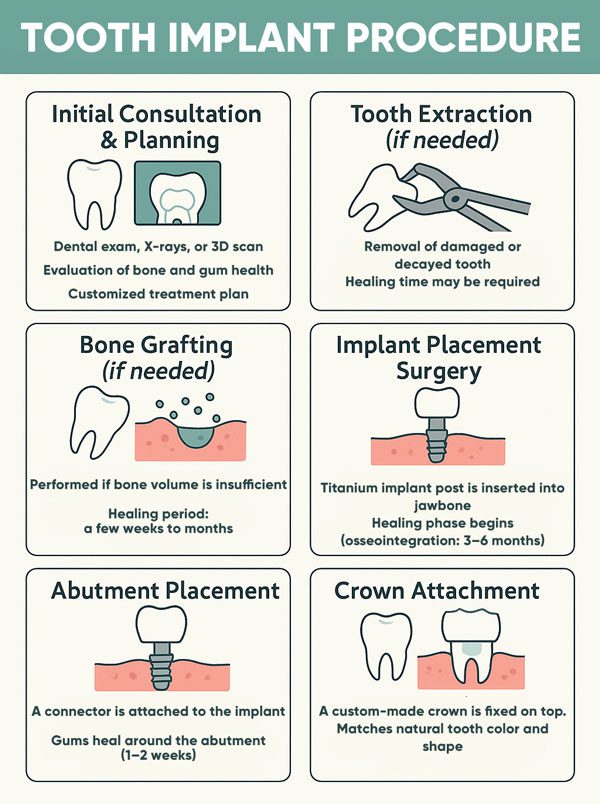
Never attempt to pull a loose adult tooth at home. Dentists offer treatments based on the cause.
Non-Surgical Options
- Scaling and root planing: Deep cleaning for gum disease
- Bite adjustment: Reduces pressure on the loose tooth
- Night guard: Protects against grinding damage
- Dental splinting: Bonds the tooth to neighbors for support
Surgical Treatments
- Gum graft surgery: Replaces lost gum tissue
- Bone grafting: Restores jawbone lost to periodontitis
- Pocket reduction surgery: Removes infected tissue
Extraction and Replacement
If the tooth can’t be saved:
– Dental implant – Most durable option
– Bridge – Anchored to adjacent teeth
– Partial denture – Removable appliance
Early intervention improves chances of saving the tooth.
Special Scenarios and What to Do
What If the Tooth Is Swallowed?
Most of the time, it’s harmless. The tooth will pass through the digestive tract.
But:
– Watch for choking signs (coughing, difficulty breathing)
– Inform the dentist if concerned about missing fragments
Lost Baby Tooth Too Early?
Premature loss can cause alignment problems.
Why it matters:
– Neighboring teeth may shift into the gap
– Permanent tooth may erupt crooked or impacted
Solution:
– A space maintainer holds the spot open until the adult tooth emerges
Trauma-Induced Looseness?
Even if the tooth seems stable after a fall:
– See a dentist promptly
– X-rays may be needed to assess root or bone damage
For adults:
– A loose tooth after trauma is a dental emergency
– Stabilization within hours improves long-term survival
Preventing Loose Teeth in Adults
While baby teeth are meant to go, adult teeth should stay. Protect them with:
- Brush twice daily with fluoride toothpaste
- Floss every day to remove plaque
- Use antibacterial mouthwash
- Visit the dentist every 6 months
- Wear a mouthguard during sports or at night if you grind
- Control systemic conditions like diabetes
- Quit tobacco—smoking weakens gums
Prevention is far easier than treating advanced gum disease.
Emotional Support for Kids
Losing a tooth can be scary—or exciting. Your response shapes their experience.
How to Help:
- Talk about it early: Introduce the idea before age 5
- Explain simply: “A new tooth is growing and pushing the old one out”
- Answer questions honestly: “It might feel weird, but it shouldn’t hurt”
- Celebrate the moment: Leave a note from the Tooth Fairy, take a photo, or save the tooth in a keepsake box
Positive reinforcement builds confidence and makes the process joyful.
Final Note
Knowing how to remove a loose tooth safely gives you the confidence to handle this common childhood event with care. For baby teeth, patience and gentle techniques work best—nature usually finishes the job. But if pain, trauma, or infection arises, don’t hesitate to call your dentist.
And if you’re an adult noticing any looseness in your teeth: act fast. It’s not normal, but with prompt treatment, many teeth can still be saved.
Remember: whether it’s a wiggly molar or a Tooth Fairy moment, proper care ensures healthy smiles for years to come.