You’re not alone if you’ve ever felt self-conscious about a gap between your teeth. Known as diastema, this common dental condition affects millions—especially between the upper front teeth. While some people proudly rock their gap as a unique trait (even fashion icons do), others want to close it for a more polished, confident smile. The good news? Modern dentistry offers safe, effective, and lasting ways to eliminate tooth gaps—no matter their size or cause.
Whether your gap has been there since childhood or recently appeared due to shifting teeth, there’s a solution that fits your lifestyle, budget, and goals. From quick cosmetic fixes like bonding to advanced treatments like veneers and orthodontics, this guide breaks down every proven method to close a tooth gap, what causes it, and how to choose the right treatment—without falling for risky DIY trends.
Why Your Tooth Gap Won’t Close on Its Own
Before jumping into treatments, it’s important to understand: adult teeth don’t move together naturally. Unlike children, whose jaws are still growing and can close small spaces as permanent teeth come in, adults need professional intervention to close gaps. If your gap appeared suddenly or is getting larger, it could be a sign of gum disease, tongue thrusting, or other underlying issues. Ignoring it may lead to worsening alignment, food trapping, or even tooth loss.
That’s why the first step is identifying the cause—because the right fix depends on why the gap exists.
What’s Causing Your Tooth Gap?
Jaw and Tooth Size Mismatch
When your jaw is larger than your teeth, extra space shows up between them. This common structural issue often leads to multiple gaps and may require aligners or veneers to correct proportions.
Oversized Labial Frenum
The tissue connecting your upper lip to your gums (the labial frenum) can sometimes extend too far down between your front teeth. If it’s too large, it physically blocks the teeth from closing. In these cases, a frenectomy—a quick surgical procedure—is often needed before or after orthodontic treatment.
Missing or Small Teeth
Congenitally missing teeth—especially the upper lateral incisors—create noticeable gaps. Similarly, peg-shaped or undersized teeth leave uneven spacing. These situations usually require restorative solutions like bonding, veneers, or implants.
Tongue Thrusting and Oral Habits
Pushing your tongue against your front teeth when swallowing (tongue thrusting) can gradually push them apart. Childhood habits like thumb sucking can also contribute. While myofunctional therapy can help correct this, it won’t close an existing gap—only prevent further widening.
Gum Disease
This is a serious but often overlooked cause. Advanced periodontitis destroys the bone and ligaments that hold teeth in place, causing them to drift and create new spaces. If your gap appeared in adulthood, see a dentist immediately—this could signal a deeper health issue.
Can You Close a Tooth Gap at Home?
While some online videos promise “natural” ways to close gaps, the truth is: no home remedy can move teeth together like professional treatment. However, a few habits can support oral health and prevent your gap from getting worse.
Correct Tongue Posture
Rest your tongue on the roof of your mouth, just behind your front teeth. This reduces forward pressure and helps prevent tongue thrusting—a common cause of spacing.
Pro Tip: Practice this daily, especially when swallowing, to retrain muscle habits.
Myofunctional Exercises
These facial and tongue exercises strengthen oral muscles and improve lip seal.
Try this routine:
– Close lips gently.
– Press tongue to palate.
– Hold for 5 seconds.
– Repeat 10 times, 2–3 times daily.
While these won’t close a gap, they may prevent progression—especially in teens or those with muscle imbalances.
Oil Pulling and Oral Hygiene
Swishing coconut oil may reduce bacteria and improve gum health. But oil pulling does not move teeth—it only supports a clean environment for treatment.
Must-do habits:
– Brush twice daily with a soft-bristled brush.
– Floss daily to prevent gum disease.
– Use antimicrobial mouthwash if gums are inflamed.
Dangerous DIY Methods to Avoid
- Rubber bands around teeth: Can cut off blood flow, damage roots, and cause tooth loss.
- Tooth glues or adhesives: Risk of ingestion, gum damage, and improper fit.
- Unsupervised aligner kits: May misalign teeth or worsen your bite.
Warning: These methods are not just ineffective—they can cause permanent damage. Always consult a dentist.
Best Professional Treatments to Close a Tooth Gap
The right treatment depends on gap size, cause, budget, and how long you want results to last. Here’s a breakdown of the most effective clinical options.
Dental Bonding: Fast, Affordable Fix
Best for: Small to moderate gaps
Bonding uses a tooth-colored composite resin to fill the space in one visit. It’s the quickest and most budget-friendly cosmetic fix.
Procedure:
1. Lightly roughen the tooth surface.
2. Apply and shape the resin.
3. Harden with a blue light.
4. Polish to match your natural teeth.
Pros:
– Done in 30–60 minutes
– Usually no anesthesia needed
– Reversible and minimally invasive
Cons:
– Can stain from coffee, tea, or smoking
– May chip or wear down in 3–7 years
– Needs periodic touch-ups
Average cost: $288–$915 per tooth
Longevity: 3–7 years
Best for: Teens or adults wanting a quick, low-cost solution.
Porcelain Veneers: Long-Lasting Aesthetics
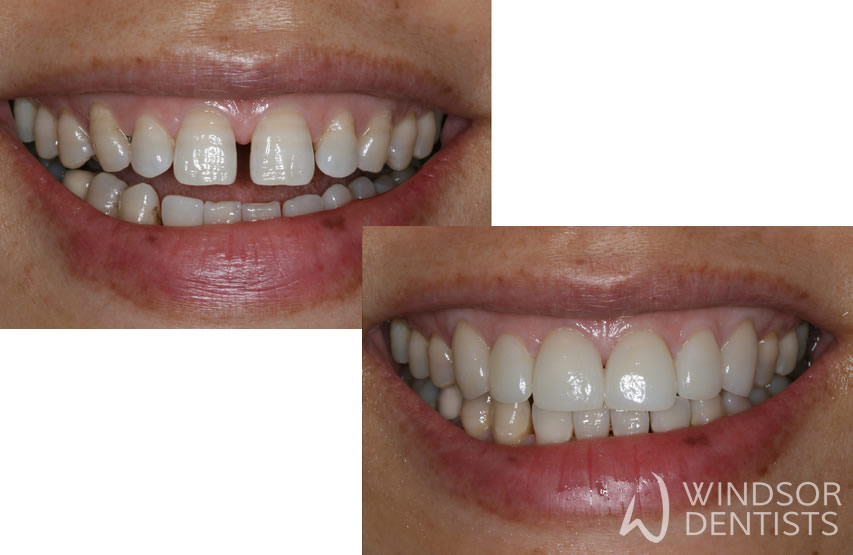
Best for: Moderate to large gaps, multiple cosmetic issues
Veneers are thin porcelain shells bonded to the front of teeth. They close gaps while improving shape, color, and alignment.
Procedure:
1. Remove a thin layer of enamel (0.3–0.7 mm).
2. Take a digital impression.
3. Wear temporaries while custom veneers are made.
4. Bond permanent veneers in a second visit.
Pros:
– Natural, stain-resistant appearance
– Lasts 10–15 years
– Fixes chipped, discolored, or misshapen teeth
Cons:
– Permanent (enamel removal can’t be reversed)
– Higher cost
– Not ideal for teeth grinders without a night guard
Average cost: $500–$2,895 per veneer
Longevity: 10–15 years
Best for: Those seeking a permanent, high-end smile transformation.
Clear Aligners: Invisible Teeth Straightening
Best for: Mild to moderate spacing, overall alignment
Brands like Invisalign and SureSmile use custom clear trays to gradually move teeth together.
How it works:
– Wear trays 22–23 hours/day.
– Switch to a new set every 1–2 weeks.
– Treatment lasts 5–24 months.
Pros:
– Nearly invisible
– Removable for eating and brushing
– No dietary restrictions
Cons:
– Requires strict compliance
– Not effective for very large gaps (>6mm)
– Risk of relapse without retainers
Average cost: $1,800–$8,100
Longevity: Permanent—if you wear a retainer nightly
Critical tip: After treatment, wear a retainer every night to prevent shifting.
Traditional Braces: Most Precise Control
Best for: Large gaps, bite issues, complex alignment
Metal or ceramic braces apply continuous pressure to move teeth. They’re the most effective for severe spacing.
Pros:
– Handles complex cases better than aligners
– Faster for some patients
– Works for all ages
Cons:
– Visible appearance
– Dietary restrictions (no sticky or hard foods)
– Regular adjustments needed
Average cost:
– Metal braces: $2,500–$10,000
– Ceramic braces: $4,480–$11,312
Best for: Teens or adults with multiple orthodontic concerns.
Frenectomy: Fix the Root Cause
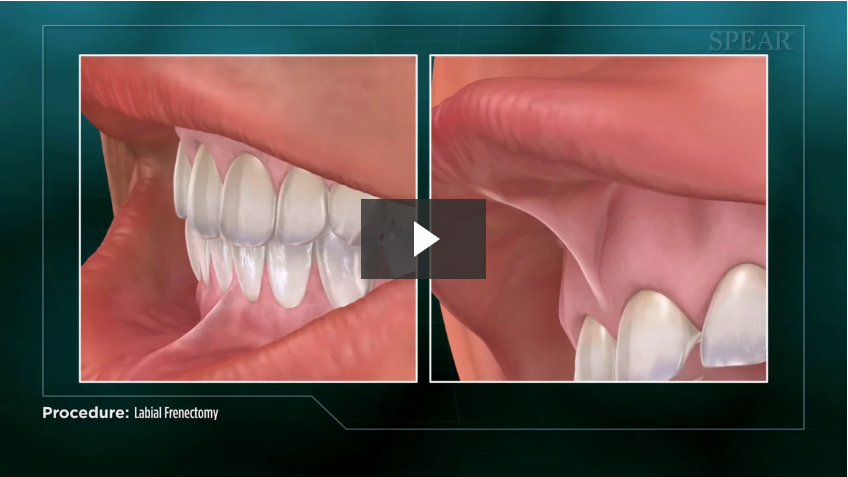
Best for: Midline gap caused by oversized frenum
A frenectomy removes excess tissue between front teeth. Often done with a laser for faster healing.
Procedure:
– Takes under 30 minutes.
– Local anesthesia used.
– Healing takes 1–2 weeks.
Pros:
– Prevents gap from returning
– Quick and low-risk
– Often covered by insurance
Cons:
– Doesn’t close the gap alone—usually combined with aligners or bonding
Average cost: $200–$800
Note: Most patients need orthodontic treatment after a frenectomy to fully close the space.
Dental Implants and Bridges: For Missing Teeth
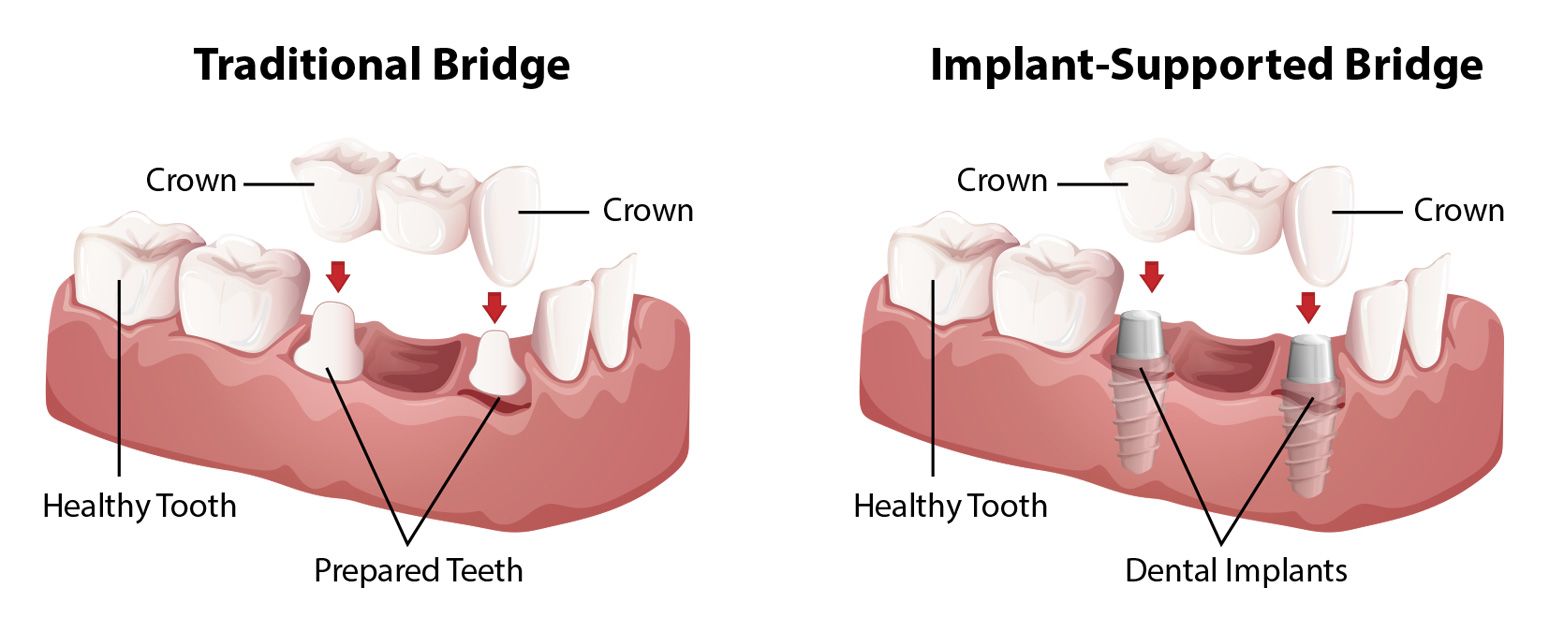
If your gap is due to a missing tooth, implants or bridges are your best options.
Dental Implants:
– Replace the tooth root with a titanium post.
– Crown attached for a natural look.
– Cost: $1,450–$3,875
– Longevity: Lifelong (with proper care)
Dental Bridges:
– Use adjacent teeth to support a false tooth.
– Cost: $4,100–$9,650
– Longevity: 10–15+ years
Best for: Replacing missing teeth without affecting overall alignment.
How to Prevent the Gap from Coming Back
Even the best treatment can fail without proper aftercare.
- Wear a retainer after braces or aligners—every night.
- Get a frenectomy if tissue is pushing teeth apart.
- Treat gum disease before cosmetic work.
- Use a night guard if you grind your teeth.
- Brush, floss, and visit your dentist every 6 months.
Key takeaway: Long-term success depends on consistency—not just the initial treatment.
Final Tips for Choosing the Right Option
- Quick fix? Go with bonding.
- Natural movement? Choose aligners or braces.
- Permanent beauty? Invest in veneers.
- Missing tooth? Opt for implants or bridges.
Always start with a dentist or orthodontist. They’ll take X-rays, assess gum health, and recommend the safest, most effective treatment—because a gap isn’t just cosmetic. It could signal gum disease, bite problems, or structural concerns.
Bottom Line: Closing a tooth gap is more than vanity—it’s about confidence, function, and oral health. With so many safe, effective options available, you don’t have to live with a gap that bothers you. The key is to start with a professional, understand the cause, and choose a solution that fits your life. Whether it’s a quick bonding fix or a full smile makeover, the right treatment can give you a smile you’re proud to show.