A tooth infection is more than just a toothache—it’s a serious bacterial invasion that can spread rapidly and lead to life-threatening complications if left untreated. When bacteria enter the inner pulp of a tooth through decay, cracks, or gum disease, they trigger inflammation, tissue death, and often a pus-filled abscess. While home remedies like saltwater rinses or clove oil may temporarily ease pain, they do not eliminate the infection. Only professional dental treatment can stop the damage and prevent the infection from spreading to your jaw, neck, or even your brain. This guide walks you through how to recognize the signs of a tooth infection, safely manage symptoms, and take the right steps to get treatment—before minor discomfort turns into a medical emergency.
Recognize the Signs of a Tooth Infection Early
Catching a tooth infection early can mean the difference between saving your tooth and losing it. Symptoms often start subtly but worsen quickly as the bacteria multiply.
Early Warning Signs You Shouldn’t Ignore
- Throbbing, persistent tooth pain that spreads to your jaw, ear, or neck
- Sensitivity to hot, cold, or pressure when chewing
- Swollen, tender gums near a specific tooth
- Bad breath or a foul taste in your mouth—often from pus draining
These early signs suggest bacteria have reached the pulp, the innermost part of your tooth. At this stage, a root canal may still be able to save the tooth before the damage becomes irreversible.
Advanced Symptoms That Demand Immediate Action
- A pimple-like bump (gum boil) on the gums that oozes pus
- Facial swelling on the side of the infected tooth
- Fever, chills, or feeling generally unwell
- Swollen lymph nodes under your jaw or neck
- Difficulty opening your mouth fully
These symptoms mean the infection has spread beyond the tooth. It’s no longer just a dental issue—it’s becoming a systemic health threat.
Red Flags That Require Emergency Care
Go to A&E or call 999 immediately if you experience:
– Trouble breathing, swallowing, or speaking
– Swelling under your tongue or spreading to your neck
– High fever (over 101°F)
– Confusion, dizziness, or vision changes
– Rapid heartbeat
These could be signs of Ludwig’s angina (a dangerous airway infection) or sepsis—both life-threatening and requiring hospitalization.
See a Dentist—Home Care Isn’t Enough
No natural remedy or over-the-counter product can cure a tooth infection. The infection lives deep inside the tooth or surrounding bone, far beyond the reach of rinses or oils.
Why You Can’t Wait or Self-Treat
- Pain relief doesn’t mean healing: If the pain stops, it may be because the nerve has died—not because the infection is gone. Bacteria continue to multiply.
- Antibiotics alone won’t fix it: They may reduce fever and swelling but won’t remove infected tissue. The source must be treated.
- Delaying care risks serious harm: Infections can destroy jawbone, spread to the brain, or trigger sepsis.
At the first sign of persistent tooth pain or swelling, call your dentist. If you can’t get in, contact NHS 111 (UK) or an urgent dental clinic.
What the Dentist Will Do to Diagnose
Your dentist will:
– Tap on the tooth to check for pain (a sign of abscess)
– Take an X-ray to see bone loss, cracks, or infection spread
– Test the pulp with cold or electric stimuli to check if it’s alive
– Check for mobility or gum pockets to assess periodontal health
This helps determine whether a root canal can save the tooth—or if extraction is necessary.
Professional Treatments That Actually Work
Only these dental procedures can eliminate a tooth infection and prevent recurrence.
Drain the Abscess to Relieve Pressure
- A small incision opens the abscess, releasing pus and instantly reducing pain
- The area is flushed with sterile saline
- A temporary drain may be placed to prevent re-accumulation
- Often combined with antibiotics if the infection has spread
Drainage is fast and effective but only a first step—it doesn’t cure the underlying problem.
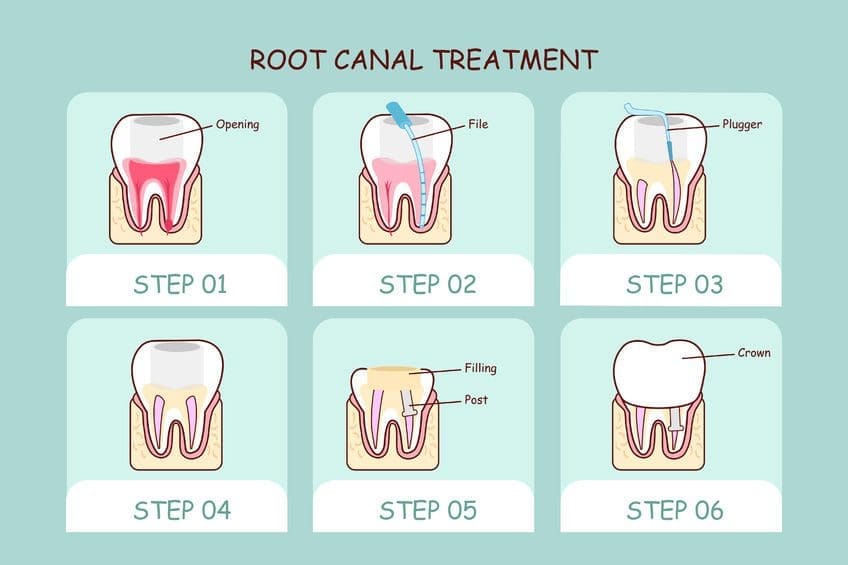
Save the Tooth with a Root Canal
Ideal when the tooth structure is still intact:
1. The dentist drills into the tooth to reach the infected pulp
2. Removes all dead or infected tissue
3. Cleans and seals the root canals
4. Places a temporary or permanent filling
5. Usually caps the tooth with a crown for strength
A successfully treated tooth can function normally for decades.
Remove the Tooth If It Can’t Be Saved
Extraction is necessary when:
– The tooth is too broken or decayed
– Bone support is severely lost
– Root canal isn’t possible
After removal, the socket is cleaned and may be packed. You can later replace the tooth with an implant, bridge, or denture.
Use Antibiotics Wisely
Prescribed only when:
– Infection has spread (fever, swelling, lymph node involvement)
– You have a weakened immune system
Common options:
– Amoxicillin (standard first choice)
– Augmentin (for stubborn infections)
– Clindamycin (for penicillin allergies)
Remember: Antibiotics support treatment—they don’t replace it.
Safe Ways to Relieve Pain While Waiting for Care
While you wait for your dental appointment, these methods can reduce discomfort and inflammation—without making things worse.
Use OTC Painkillers Effectively
- Ibuprofen (Advil, Motrin): Best choice—reduces both pain and swelling
- Acetaminophen (Tylenol): Good for pain, but no anti-inflammatory effect
- Naproxen (Aleve): Long-lasting relief (12 hours)
Pro tip: Some alternate ibuprofen and acetaminophen every 3 hours for stronger control—but consult a doctor first. Never give aspirin to children under 16.
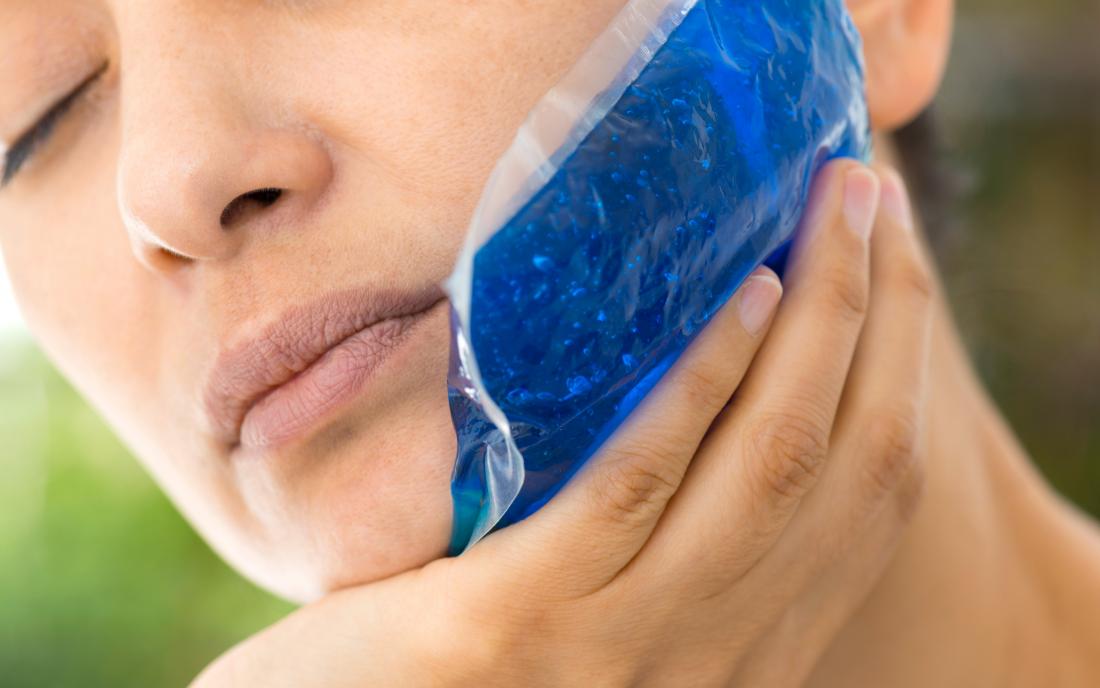
Apply a Cold Compress
- Wrap ice in a cloth and hold it to your cheek for 15–20 minutes
- Take a 20-minute break before reapplying
- Reduces swelling and numbs the area
Never place ice directly on skin—it can cause frostbite.
Rinse with Warm Salt Water
- Mix ½ tsp salt in ½ cup warm water
- Swish gently for 2–3 minutes, then spit
- Repeat 2–3 times daily
Helps clean the area, reduce bacteria, and draw out fluid from swollen tissues.
Natural Remedies for Temporary Symptom Relief
These are not cures, but they may help soothe pain and reduce bacteria while you wait for treatment.
Try Clove Oil (Diluted)
- Contains eugenol, a natural painkiller and antiseptic
- Mix 3–5 drops with 1 oz of olive or coconut oil
- Apply with a cotton swab to the tooth for 10 minutes
- Use up to 3 times a day
Warning: Never use undiluted—it can burn gum tissue.
Crush Fresh Garlic
- Allicin in garlic fights bacteria
- Crush a clove and apply the paste directly
- Leave for 5–10 minutes, then rinse well
May cause a burning sensation but can help reduce infection.
Use Hydrogen Peroxide Rinse
- Mix equal parts 3% hydrogen peroxide and water
- Swish for 30 seconds, spit (do not swallow)
- Use 1–2 times daily
Kills bacteria but don’t overuse—can irritate tissues.
Try Oil Pulling with Coconut Oil
- Swish 1 tbsp of coconut oil for 10–20 minutes
- Spit into trash (not sink—it can clog pipes)
- Rinse with water
Lauric acid fights bacteria; the swishing action removes plaque.
Avoid These Dangerous DIY “Cures”
Some popular home methods can do more harm than good.
Never Try to Pop or Cut the Abscess
- This spreads bacteria into your bloodstream or surrounding tissues
- Can lead to sepsis or Ludwig’s angina
Only a dentist should drain an abscess.
Don’t Rely on Home Remedies Alone
- No natural method reaches the infected pulp
- Delaying treatment risks tooth loss, bone damage, or systemic infection
Home care is only for symptom relief, not treatment.
Avoid Heat on Swollen Areas
- Heat increases blood flow and can make swelling worse
- Use cold compresses only for facial swelling
Prevent Future Infections with Smart Habits
Good oral care reduces your risk of decay, gum disease, and future infections.
Daily Routine That Works
- Brush twice a day with fluoride toothpaste
- Floss daily to remove plaque between teeth
- Spit, don’t rinse after brushing to keep fluoride active
- Replace your toothbrush every 2–3 months
Avoid mouthwash right after brushing—it washes away fluoride.
Eat to Protect Your Teeth
- Limit sugar—it feeds cavity-causing bacteria
- Drink water after meals to rinse your mouth
- Avoid sticky or acidic foods that cling to teeth
When to Go to the ER—Don’t Wait

Call 999 or go to A&E if you have:
– Trouble breathing or swallowing
– Swelling under the tongue or neck
– High fever or confusion
– Vision changes or eye swelling
– Inability to open your mouth
These are signs of a medical emergency. Do not see a GP—only a hospital can manage life-threatening complications.
Follow Post-Treatment Care for Full Healing
After a root canal or extraction, proper care speeds recovery.
- Rinse with salt water 2–3 times daily
- Take all prescribed medications
- Eat soft foods like soup, yogurt, or mashed potatoes
- Avoid smoking—it doubles healing time and infection risk
- Use a soft toothbrush near the treated area
Most discomfort fades in 2–3 days. Full healing takes 1–2 weeks.
Debunking Common Tooth Infection Myths
- “No pain means no problem”: False. Pain may stop when the nerve dies, but the infection continues.
- “I can drain it with a needle”: Never attempt this—risk of fatal infection.
- “Antibiotics will cure it”: No. They help but don’t remove the source.
- “Only dirty teeth get infected”: Not true. Cracks, trauma, or genetics can also cause infections.
Final Takeaways: Act Fast, Save Your Health
- A tooth infection requires dental treatment—no exceptions
- Home remedies only ease symptoms, not the infection
- Root canal can save your tooth in many cases
- Extraction is last resort but sometimes necessary
- Antibiotics support but don’t replace definitive treatment
- Delaying care risks sepsis, brain infection, or death
- Prevention is key: brush, floss, limit sugar, see your dentist regularly
If you suspect a tooth infection, call your dentist today. Early action saves teeth—and lives.