Tooth pain that throbs with your heartbeat, swelling that distorts your face, or a sudden burst of foul-tasting fluid in your mouth—these are all signs of a tooth infection, also known as a dental abscess. This condition occurs when bacteria invade the inner pulp of a tooth or the surrounding gum tissue, leading to a painful buildup of pus. While no home remedy can fully eliminate a tooth infection, certain self-care techniques may help reduce discomfort, draw out pressure, and support healing—only until you can see a dentist. The truth is, a tooth abscess will not go away on its own and requires professional treatment to prevent life-threatening complications like sepsis, bone loss, or systemic infection.
This guide will show you exactly how to manage symptoms safely at home, which natural remedies offer real relief, and why seeing a dentist is non-negotiable. You’ll learn what actually draws infection out, what to avoid, and how to recognize when your condition demands emergency care.
Immediate Relief for Tooth Infection Symptoms
Use a Cold Compress to Reduce Swelling
Facial swelling is a clear sign that your body is fighting an infection. Applying a cold compress helps constrict blood vessels, reduce inflammation, and numb the area for fast pain relief.
- Wrap ice in a clean cloth—never apply it directly to the skin
- Hold against the outside of your cheek for 15 minutes
- Take a 10-minute break before repeating
- Repeat every few hours as needed
Never use heat—it increases blood flow and can spread bacteria deeper into tissues.
Rinse with Warm Salt Water
One of the most effective and scientifically supported home remedies is a saltwater rinse. The saline solution creates osmotic pressure that helps draw fluid from infected tissues, reduces bacteria, and soothes irritated gums.
- Mix ½ teaspoon of salt in ½ cup warm water
- Swish vigorously around the infected tooth for 2–3 minutes
- Spit—do not swallow
- Repeat 2–3 times daily
This simple step cleans the area, encourages minor drainage, and supports healing while you wait for dental care.
Try a Baking Soda Mouthwash
Baking soda (sodium bicarbonate) neutralizes harmful acids in the mouth and has mild antibacterial properties that help reduce plaque and discomfort.
- Combine ½ tsp baking soda, ½ cup water, and a pinch of salt
- Swish for up to 5 minutes, then spit
- Use up to twice daily
You can also make a paste and apply it directly to the swollen gum for localized relief.
Natural Remedies That Help Soothe and Reduce Infection

Apply Clove Oil for Fast Pain Relief
Clove oil contains eugenol, a natural compound with proven anesthetic and antimicrobial effects. It’s one of the most effective natural pain relievers for toothaches.
How to Use:
- Dilute 1–2 drops of clove oil in 1 tsp carrier oil (coconut or olive oil)
- Soak a cotton ball and press it against the infected tooth
- Hold for 5–10 minutes, 2–3 times per day
Warning: Never apply undiluted clove oil—it can burn gum tissue and worsen irritation.
Swish with Diluted Hydrogen Peroxide
A 3% hydrogen peroxide rinse kills bacteria and may help break down biofilm around the abscess.
Safe Method:
- Mix equal parts hydrogen peroxide and water
- Swish for 30 seconds, then spit
- Rinse with plain water afterward
Use no more than twice daily. Do not swallow—this can cause stomach upset.
Crush and Apply Fresh Garlic
Garlic releases allicin, a powerful antibacterial compound that fights infection and reduces inflammation.
How to Use:
- Crush a fresh clove to activate allicin
- Place directly on the infected tooth or make a paste with olive oil
- Leave for 5–10 minutes, then rinse well
- Repeat several times daily
Though it causes bad breath, garlic offers real antimicrobial benefits.
Try Oil Pulling with Coconut Oil
Oil pulling involves swishing oil in your mouth to “pull” out bacteria and toxins. While scientific evidence is still emerging, some studies show it reduces plaque and gingivitis.
Best Oil: Coconut oil (rich in lauric acid, which fights bacteria)
How to Do It:
- Take 1 tbsp coconut oil into your mouth
- Swish for 10–20 minutes on an empty stomach
- Spit into trash (not sink—it solidifies)
- Rinse with water and brush teeth
Use once or twice daily for best results.
Herbal and Topical Options for Pain and Healing
Use Turmeric Paste for Inflammation
Turmeric contains curcumin, a potent anti-inflammatory and antimicrobial agent.
How to Use:
- Mix 1 tsp turmeric powder with water to form a paste
- Apply to the affected gum with a cotton swab
- Leave for 10–15 minutes, then rinse
- Repeat 2–3 times daily
It may stain temporarily, but it’s safe and effective for reducing pain and swelling.
Apply Pure Aloe Vera Gel
Food-grade aloe vera soothes inflamed gums and has natural antibacterial properties.
How to Use:
- Apply gel directly to the abscess site
- Leave for 10 minutes, then rinse
- Can be refrigerated first for added cooling relief
Only use edible, pure aloe vera—avoid cosmetic products with additives.
Use a Black Tea Bag for Pressure Relief
Black tea contains tannins, which help reduce pain and inflammation.
How to Use:
- Steep a tea bag, let cool
- Place on the infected tooth for 5–10 minutes
- Repeat 2–3 times daily
The slight pressure may help encourage minor drainage.
What Truly Draws Infection Out of a Tooth?
Only Drainage Removes Pus
Despite popular myths, home remedies cannot “draw out” a deep infection. The only way to truly eliminate pus is through incision and drainage by a dentist.
What Dentists Do:
- Make a small cut into the abscess
- Flush the area with sterile saline
- Sometimes place a temporary drain for continued outflow
This provides immediate pressure relief and stops the infection from spreading.
Why You Can’t “Pull” Infection Out at Home
The idea that a poultice or oil can “pull” infection out is largely pseudoscience. While certain remedies reduce surface bacteria and pain, they cannot reach deep into the tooth or bone. Attempting to lance an abscess with a needle or pin risks:
– Spreading bacteria into the bloodstream
– Damaging nerves or blood vessels
– Causing permanent tissue injury
Never attempt to pop or puncture a dental abscess.
Professional Treatments That Cure Tooth Infections
Get a Root Canal
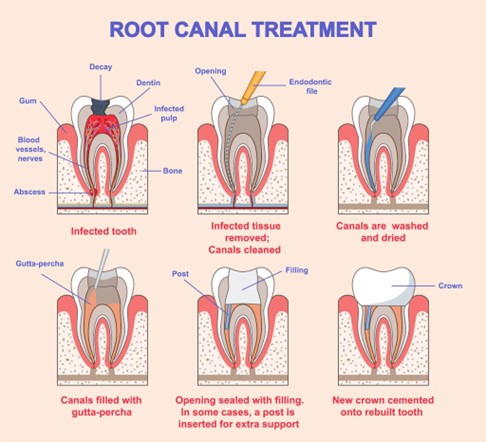
If the tooth is salvageable, a root canal removes infected pulp, disinfects the canals, and seals the tooth.
Steps:
- Local anesthesia numbs the area
- Dentist drills into the tooth to access the pulp
- Infected tissue is removed and canals cleaned
- Tooth is sealed and fitted with a crown
This stops the infection and preserves your natural tooth.
Consider Tooth Extraction
When decay is too severe, extraction may be necessary.
What Happens:
- The tooth is removed under local anesthesia
- The socket may be drained and packed
- Healing takes 1–2 weeks
Extraction eliminates the infection source and prevents further complications.
Take Antibiotics When Prescribed
Antibiotics like amoxicillin or clindamycin help control infection when:
– Swelling spreads beyond the tooth
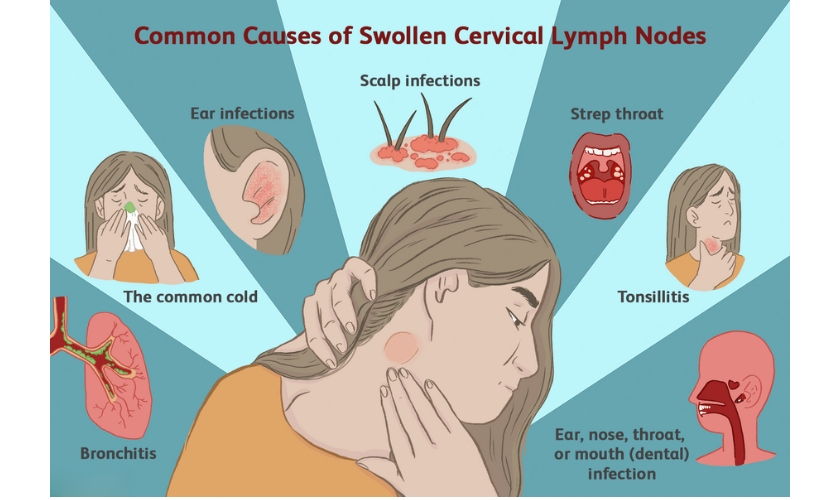
– Fever or swollen lymph nodes are present
– Immune system is compromised
Important: Antibiotics alone don’t cure an abscess—they must be paired with drainage or root canal.
When to Seek Emergency Dental Care
Recognize Red Flags
A tooth infection can become life-threatening. Seek immediate care if you have:
– Difficulty breathing or swallowing
– High fever (over 101°F)
– Rapid heartbeat or confusion
– Swelling spreading to your neck or eyes
– Signs of sepsis: chills, nausea, dizziness
These indicate the infection may be spreading.
Don’t Wait for Pain to Worsen
Even mild symptoms—like a dull ache or bad taste—can signal a growing abscess. See a dentist within 24–48 hours if:
– Pain lasts more than 1–2 days
– You notice a pimple-like bump on your gum (a fistula)
– Your tooth is sensitive to pressure or temperature
Early treatment prevents surgery and systemic complications.
Common Mistakes That Make Infections Worse
Applying Heat to the Area
Heat increases blood flow, which can accelerate bacterial spread. Never use a heating pad on an infected tooth.
Swallowing Pus or Rinsing Aggressively
If the abscess bursts, rinse gently with salt water. Do not swallow pus—this can introduce bacteria into your digestive tract.
Delaying Dental Visits
Relying on painkillers or home remedies without professional care allows the infection to grow. Even if pain decreases, the infection may still be active.
Using Aspirin on the Gum
Placing aspirin directly on the gum causes chemical burns and delays healing. Take it orally only.
Healing Timeline and Aftercare
Expect Recovery in 1–2 Weeks
With proper treatment, most people feel better within a few days. Full healing takes about two weeks. Recovery depends on:
– Severity of infection
– Type of treatment (drainage vs. extraction)
– Whether antibiotics were needed
– Your overall health
Follow These Post-Treatment Steps
- Continue saltwater rinses 2–3 times daily
- Brush and floss gently around the site
- Avoid smoking—nicotine slows healing
- Attend all follow-up appointments
- Finish your full course of antibiotics
Skipping aftercare increases the risk of reinfection.
Prevent Future Tooth Infections
Brush and Floss Daily
Plaque buildup leads to decay and gum disease—the top causes of abscesses.
- Brush twice daily with fluoride toothpaste
- Floss every night to clean between teeth
Visit Your Dentist Regularly
Routine checkups catch cavities and cracks early.
- Get professional cleanings every 6 months
- Address dental issues before they worsen
Limit Sugary Foods
Sugar feeds harmful mouth bacteria. Reduce intake of:
– Sodas and sweetened drinks
– Candy and sticky snacks
– Refined carbohydrates
Wear a Mouthguard
Protect your teeth during sports or if you grind at night.
Summary: What Really Works
Drawing infection out of a tooth starts with prompt dental care—not home remedies. While clove oil, saltwater rinses, garlic, and cold compresses can ease pain and support healing, only a dentist can cure a tooth abscess through:
– Incision and drainage
– Root canal therapy
– Tooth extraction
– Prescribed antibiotics (when needed)
Attempting to drain an abscess at home is dangerous and can lead to serious complications. If you suspect a tooth infection, see a dentist immediately. With treatment, most infections resolve in 1–2 weeks. Prevention through good oral hygiene and regular dental visits remains your best defense.