You’ve seen rappers flash gleaming grills and fashion icons sport bold metal smiles—now you’re wondering: Can I get a silver tooth? The answer is yes—but not by replacing a healthy tooth just for style. Dentists won’t extract sound teeth to install silver crowns purely for aesthetics. Instead, a silver tooth look is achieved through functional dental restorations like crowns or fillings, or via removable fashion accessories like custom grillz. This guide walks you through every safe, realistic way to get a silver tooth, from clinical procedures to trendy cosmetic options. You’ll learn the types of silver dental work, how they’re placed, costs, risks, and how to choose the right method based on your needs—whether you want durability, affordability, or a standout style.
Types of Silver Dental Restorations
Stainless Steel Crowns
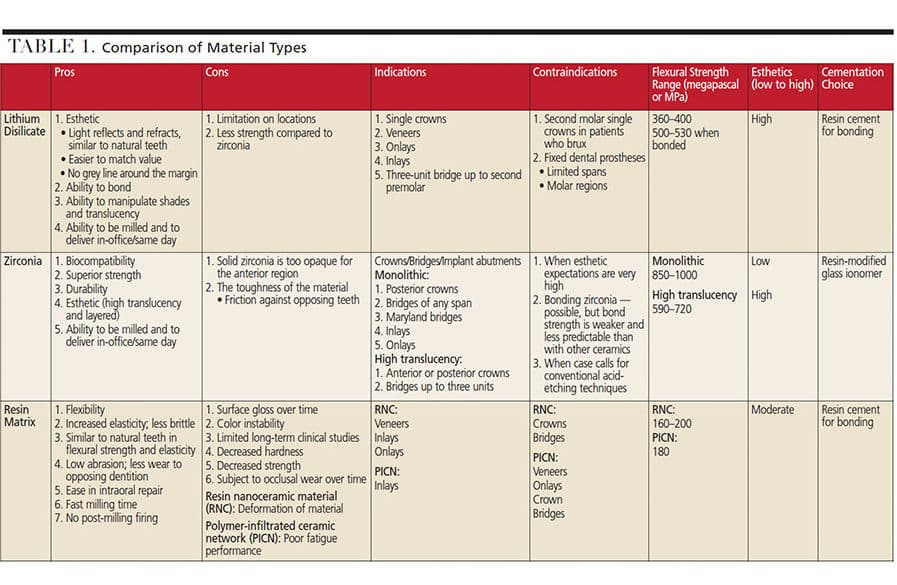
Stainless steel crowns are the most common silver-colored dental caps. Made from a chromium-nickel-iron alloy, they’re tough, cost-effective, and frequently used on back teeth. These crowns are standard in pediatric dentistry for baby teeth damaged by decay, but adults also use them—especially after root canals or to protect weakened molars. While highly visible, their strength makes them ideal for teeth that endure heavy chewing pressure.
Amalgam Fillings
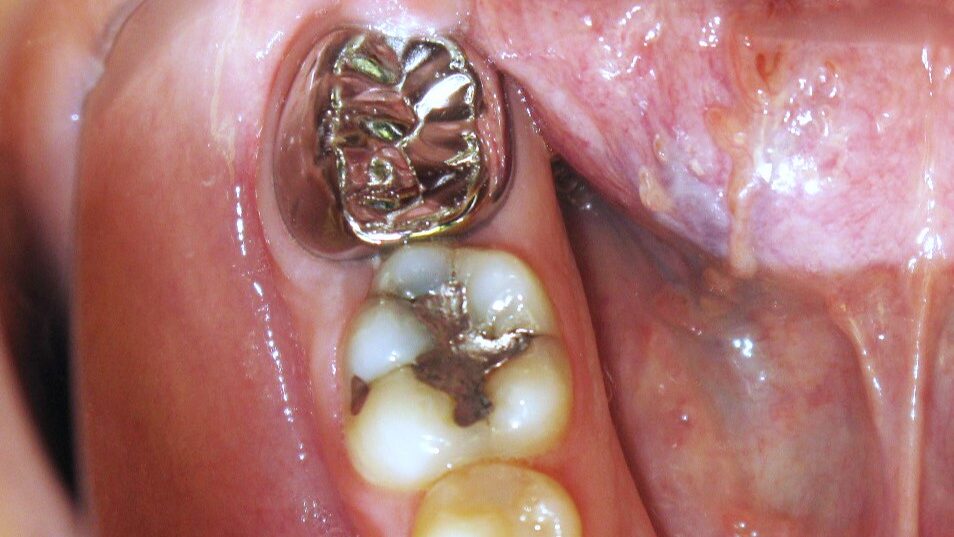
Amalgam fillings contain silver, mercury, tin, and copper, giving them a shiny silver-gray appearance. With a lifespan of 10–15 years, they’re one of the most durable and affordable filling materials. Though rarely used on front teeth due to visibility, they’re still a top choice for deep cavities in molars. The FDA and American Dental Association (ADA) confirm their safety for patients over age 6, despite mercury content.
Silver-Palladium Alloy Crowns
For longer-lasting, high-strength restorations, some dentists use silver-palladium or silver-platinum alloys. These crowns resist corrosion and wear, making them suitable for bridges and multi-unit dental work. More expensive than stainless steel, they offer better biocompatibility and lower allergy risk—ideal for patients with sensitivities.
Porcelain-Fused-to-Metal (PFM) Crowns
PFM crowns combine a metal base with a porcelain outer layer. They look natural from the front, but a thin silver line may appear at the gumline over time. Used when both strength and appearance matter, they’re common on premolars and molars. While not purely silver, their metal core provides durability unmatched by all-porcelain options.
Composite Silver Fillings
Some tooth-colored fillings include silver particles to boost strength. These resin-based restorations blend better than amalgam but still resist wear better than standard composites. Best for small to medium cavities in visible areas where appearance is important, though not as long-lasting as full metal fillings.
How to Get a Silver Tooth: Realistic Options
Option 1: Silver Crown on Damaged Tooth
You can’t replace a healthy tooth with a silver crown—but if your tooth is decayed, cracked, or weakened, a dentist can place a stainless steel or alloy crown. The process starts with numbing the tooth, reshaping it, and taking an impression. A lab fabricates the crown, and in a follow-up visit, it’s cemented permanently. Some clinics use CAD/CAM technology (like CEREC) to mill and place same-day crowns.
Option 2: Amalgam Filling After Decay Removal
If you have a cavity in a back tooth, choose an amalgam filling for a silver look. The dentist removes the decay, shapes the tooth, and packs the silver-gray material into the cavity. It hardens quickly and is polished the same day. This is the most affordable and durable option for restoring posterior teeth.
Option 3: Custom Silver Grillz (Removable)
Want a silver tooth without permanent changes? Custom grillz are removable covers worn over natural teeth. Order online from artists (e.g., Etsy), receive a mold kit, and take impressions at home. The artisan crafts a silver-plated or solid silver tooth—often styled as a fang or cap—and ships it back. These are purely cosmetic, non-invasive, and perfect for temporary flair.
Option 4: Silver-Plated Veneers or Fangs
Some cosmetic dentists offer metal-bonded veneers or custom fangs bonded to existing teeth. These aren’t standard procedures but may be available through specialized labs. Expect higher costs and no insurance coverage, as these are elective modifications.
Can You Replace a Healthy Tooth With a Silver Crown?
No. Ethically and clinically, dentists will not extract a healthy tooth to place a silver crown. Tooth preservation is a core principle. Removing sound structure increases risks like infection, nerve damage, and bone loss. If you want a silver appearance, wait until the tooth needs restoration—or opt for removable grillz.
Exception: In rare cases, individuals with body modification interests may pursue elective extractions. However, this is strongly discouraged by dental professionals due to long-term oral health consequences.
Step-by-Step: Getting a Permanent Silver Restoration

Consult a Dentist First
Start with a dental check-up. The dentist examines your teeth, checks for decay, gum disease, or bruxism (teeth grinding). If you’re chipping teeth due to misalignment or clenching, that issue must be resolved first. Be honest about your goal—functional or fashion-driven—so your dentist can guide you safely.
Prepare the Tooth
If decay or damage exists, the tooth is numbed and reshaped. For crowns, it’s reduced in size to fit the cap. For fillings, decay is removed, and the cavity is cleaned. An X-ray may be taken to check the pulp (nerve).
Take an Impression
A physical mold or digital scan captures your tooth’s shape. This is sent to a lab for crown fabrication. Same-day crowns skip this step—using in-office CAD/CAM machines to mill the restoration in hours.
Place a Temporary Crown (If Needed)
If your crown requires lab work, a temporary one is cemented for 1–4 weeks. Avoid sticky or hard foods to prevent dislodging it.
Cement the Final Restoration
At the next visit, the temporary crown is removed, and the permanent silver crown is tried on. Bite adjustments are made, then it’s permanently bonded. For fillings, the amalgam is packed, shaped, and polished in a single appointment.
Maintain the Restoration
Brush twice daily with non-abrasive toothpaste, floss, and use mouthwash. Visit your dentist every six months. Avoid chewing ice or hard candy to prevent cracks.
How to Get a Silver Tooth Without Damage: Non-Permanent Ways
Order Custom Grillz Online
Skip dental work entirely with removable silver grillz. Many Etsy artisans and specialty shops offer custom-fit covers. Prices range from $200 for a single silver tooth to $1,000+ for full sets with gems. Choose solid silver, silver-plated brass, or stainless steel based on budget.
Use a DIY Mold Kit
Most online vendors provide impression kits. Follow instructions carefully:
1. Warm the molding material in water.
2. Bite down firmly for 1–2 minutes.
3. Let it harden, then mail it back.
Poor impressions lead to ill-fitting grillz—so take your time.
Wear and Care for Grillz
- Wear only for short periods.
- Remove before eating or sleeping.
- Clean daily with a soft brush and mild soap.
- Store in a case to prevent scratches.
Warning: Never glue or cement a grill at home. DIY modifications risk gum irritation, infection, or tooth damage.
Cost Comparison: Silver Tooth Options
| Option | Average Cost (USD) | Insurance Coverage |
|---|---|---|
| Stainless Steel Crown | $300 – $600 | Often covered |
| Amalgam Filling | $150 – $300 | Usually covered |
| Silver-Palladium Crown | $800 – $1,500 | Rarely covered |
| Custom Silver Grillz | $200 – $1,000+ | Not covered |
| Silver-Plated Veneers | $2,000+ (per tooth) | Not covered |
Note: Insurance covers restorations only when medically necessary. Cosmetic upgrades like silver caps on healthy teeth or fashion grillz are out-of-pocket.
Pros and Cons of Silver Dental Work
Advantages
- Extremely durable: Withstands chewing forces better than porcelain.
- Long-lasting: Often exceeds 10 years.
- Affordable: Cheaper than porcelain, zirconia, or gold.
- Minimal tooth removal: Requires less drilling than porcelain crowns.
- Proven safety: Used safely in dentistry for over 150 years.
Disadvantages
- Poor aesthetics: Highly visible; not ideal for front teeth unless desired.
- Tooth discoloration: Amalgam can cause grayish staining over time.
- Galvanic shock: May occur if silver touches gold restorations, causing a metallic taste or zap.
- Allergic reactions: Rare, but possible with nickel in stainless steel.
- Thermal expansion: Metal reacts to hot/cold, potentially stressing the tooth.
- Cannot whiten: Silver restorations won’t lighten with teeth whitening treatments.
Alternatives to Silver Teeth
Porcelain Crowns
Natural-looking and strong, porcelain crowns are ideal for front teeth. They resist staining and blend seamlessly. However, they’re more prone to chipping and cost more.
Zirconia Crowns
Zirconia offers metal-like strength with a tooth-colored finish. Used for both front and back teeth, it’s biocompatible and highly durable—ideal for those wanting strength without silver visibility.
Composite Fillings
Tooth-colored resin fillings are less noticeable but wear down faster than amalgam. Best for small to medium cavities where appearance is key.
Gold Crowns
More expensive than silver alloys, gold crowns are extremely durable and gentle on opposing teeth. Often chosen for back molars when function matters most.
PFM Crowns
Porcelain-fused-to-metal combines metal strength with a natural look. A good middle ground, though the metal margin may show at the gumline over time.
Final Advice: How to Get a Silver Tooth Safely
- Prioritize tooth health: Never sacrifice a healthy tooth for style.
- Consult a cosmetic dentist: Discuss options like metal crowns, veneers, or bonded fangs.
- Address underlying issues: Fix grinding or misalignment first.
- Choose reputable providers: Pick licensed dentists or experienced grillz artisans.
- Think long-term: Metal restorations last longer but affect future treatments like whitening.
Summary: How to Get a Silver Tooth (Quick Steps)
- Define your goal: Function or fashion?
- Visit a dentist: Get a full evaluation.
- Choose your method:
– Damaged tooth? Opt for stainless steel crown or amalgam.
– Healthy teeth? Try removable silver grillz. - Get quotes: Compare dental clinics and online artisans.
- Proceed safely: Follow professional guidance.
- Maintain your smile: Brush, floss, and schedule cleanings.
Whether you need a durable molar crown or just a flashy accessory, there’s a safe way to get a silver tooth. The key is balancing desire with dental health—and letting your natural teeth stay intact whenever possible.