A fractured front tooth can happen in an instant—whether from a fall, a sports collision, or even biting down on something unexpectedly hard. Because front teeth are so visible, even a small chip can immediately affect your confidence, speech, and smile. But beyond appearances, a broken front tooth can signal deeper structural damage. Left untreated, it may lead to pain, infection, or even tooth loss.
The good news is that modern dentistry offers a range of fast, effective solutions tailored to the severity of the break. From quick cosmetic fixes like dental bonding to long-term restorations like crowns or dental implants, nearly every fractured front tooth can be repaired—often in just one or two visits. The key is acting quickly. The sooner you see a dentist, the better your chances of preserving natural tooth structure and avoiding invasive procedures.
In this guide, you’ll learn how to identify the type of fracture you’re dealing with, what treatments are available, and which option is best for your situation. Whether it’s a minor chip or a severe break, you’ll know exactly what to expect—and how to restore your smile safely and confidently.
Classify the Type of Fracture for Proper Treatment

Not all broken teeth are the same. The right repair depends on how deep the crack goes and whether it affects the nerve, pulp, or root. Dentists categorize fractures into five main types—each with different symptoms, risks, and treatment paths.
Spot Superficial Enamel Cracks (Craze Lines)
Craze lines are tiny, vertical cracks that only affect the outer enamel layer. They’re common in adults and usually painless. While they don’t weaken the tooth, they can act like a “chip in a windshield”—seemingly harmless at first but potentially worsening over time, especially near old fillings or restorations.
- What to look for: Faint lines visible under bright light or when teeth are dry; no sensitivity or discomfort.
- Risk: Can deepen into dentin or pulp if exposed to ongoing pressure or trauma.
- Action step: Even if you feel fine, schedule a dental check-up. Early monitoring can prevent minor cracks from becoming major problems.
Repair Chipped Edges and Fractured Cusps
A fractured cusp involves a broken piece of the biting or incisal edge—common in front teeth after trauma or chewing hard objects like ice, nuts, or pen caps. This often appears as a jagged corner or missing tip.
- Symptoms: A rough edge you can feel with your tongue, visible gap, but little to no pain.
- Cause: Sudden impact or chronic stress from grinding (bruxism).
- Treatment: Small chips can be repaired with bonding. Larger breaks may require a veneer or crown for durability and aesthetics.
Treat Cracks That Reach the Pulp
A cracked tooth extends vertically from the surface toward the root. These fractures are often painful when chewing—especially when releasing pressure—and can expose the pulp (the inner nerve and blood vessel chamber).
- Key signs:
- Sharp, intermittent pain when biting
- Sensitivity to cold, heat, or sweets
- Tooth discoloration (gray or pink tint, indicating internal damage)
- Danger zone: If bacteria enter the pulp, infection can develop rapidly.
- Urgency: See a dentist within 24 hours. Early intervention with root canal therapy and a crown may save the tooth.
Address Split Tooth Damage
When a crack fully separates the tooth into two segments, it’s called a split tooth. This level of damage is usually irreversible.
- Symptoms: Persistent pain, visible separation, tooth mobility.
- Outcome: Extraction is often necessary, though in rare cases, a single root fragment may be saved.
- Next step: After removal, replacement options include a dental implant or bridge.
Diagnose Hidden Root-Level Fractures
Vertical root fractures begin below the gum line and travel upward. They’re hard to detect without imaging and often go unnoticed until infection or bone loss occurs.
- Clues: No visible damage on the crown, but persistent gum swelling, pus, or localized pain.
- Diagnosis: Requires X-rays or CBCT scans for accurate detection.
- Treatment: Usually extraction due to the poor healing potential of root fractures.
Immediate Steps to Take After a Tooth Breaks
Quick action can mean the difference between saving your tooth and losing it. Even if the break seems minor, follow these steps right away to protect your oral health and improve treatment outcomes.
Rinse and Reduce Swelling
Start by gently rinsing your mouth with warm salt water (½ teaspoon of salt in 8 oz of water). This cleans debris and reduces infection risk. If there’s swelling, apply a cold compress to your face—15 minutes on, 15 minutes off. Avoid heat, which can increase inflammation.
If bleeding occurs, use sterile gauze and apply light pressure for up to 10 minutes.
Protect Your Tongue and Cheeks
Sharp edges can cut your soft tissues. Cover them temporarily with:
– Dental wax (available at pharmacies)
– Sugar-free gum
– Orthodontic wax
Shape a small piece and press it over the jagged area until you see your dentist.
Save Any Broken Tooth Fragments
If you have the broken piece, store it properly—it might be reattachable.
- Best option: Submerge in milk (maintains cell pH)
- Alternative: Place in saliva (inside your cheek or in a cup)
- Commercial solution: Use Save-A-Tooth storage kit
❌ Never store in water—it destroys living cells and reduces the chance of reattachment.
Bring the fragment to your dentist—it may be re-cemented if the fracture is clean and doesn’t expose the pulp.
Manage Pain Safely
For discomfort, take ibuprofen (Advil) or acetaminophen (Tylenol) as directed. Ibuprofen also helps reduce inflammation.
Avoid aspirin—never place it directly on gums, as it can cause chemical burns.
Dental Bonding: Fast Fix for Small Chips
For minor enamel fractures, dental bonding is the go-to solution. It’s ideal for front teeth where appearance matters most—offering a fast, affordable, and minimally invasive repair.
How Composite Resin Repairs the Tooth
The procedure takes just 30–60 minutes and usually doesn’t require anesthesia.
Here’s what happens:
1. The tooth surface is etched with a mild acid gel to create a rough texture for better adhesion.
2. A bonding agent is painted on.
3. Tooth-colored composite resin is molded to fill the chip.
4. A blue UV light hardens the material in seconds.
5. The dentist shapes and polishes it to match your natural tooth.
You walk out with a seamless repair the same day.
Pros and Cons of Bonding
Advantages:
– Minimal tooth removal
– Low cost ($100–$400)
– One-visit treatment
– Natural-looking finish
Drawbacks:
– Less durable than porcelain
– Can stain from coffee, tea, or smoking
– May need replacement every 3–7 years
Best for: Small chips, cosmetic touch-ups, teens, or young adults still growing.
💡 Pro tip: Ask for nanohybrid composite resin—it’s stronger and more stain-resistant than standard materials.
Veneers for Larger or Cosmetic Repairs
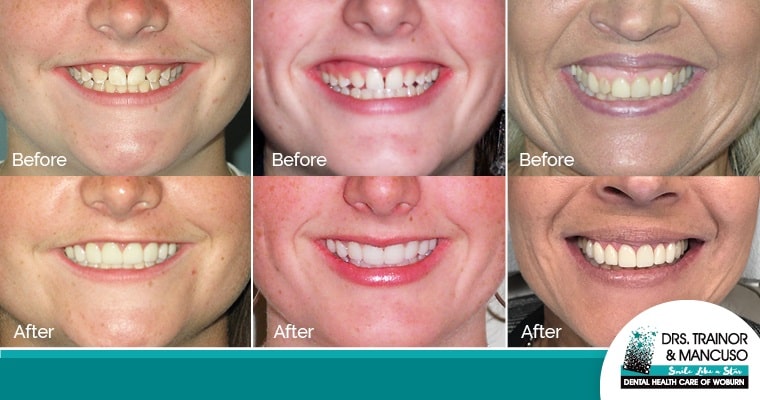
When a chip affects more than 20% of the tooth or when appearance is a top concern, porcelain veneers offer a durable, highly lifelike solution.
How Custom Veneers Are Placed
This typically requires two visits:
1. Enamel reduction: 0.3–1.2 mm of enamel is removed to make room for the veneer.
2. Impression or digital scan: Sent to a lab to create a custom shell.
3. Temporary veneer: Worn for 1–2 weeks.
4. Final bonding: The porcelain veneer is cemented and hardened with a light.
With CEREC same-day technology, some offices can mill and place a veneer in a single visit.
Porcelain vs. Composite Veneers
| Feature | Porcelain | Composite |
|---|---|---|
| Lifespan | 10–15 years | 5–7 years |
| Stain Resistance | Excellent | Moderate |
| Cost | $500–$1,500 | $250–$600 |
| Durability | High | Lower |
| Procedure Time | 2 visits | 1 visit |
Ideal for: Moderate to large chips, discolored teeth, or a full smile makeover.
⚠️ Note: Veneers are irreversible due to enamel removal. Ensure your bite is stable before proceeding.
Crowns for Major Structural Damage
If a large portion of the tooth is missing or it’s had a root canal, a dental crown provides full protection and strength.
Choose the Best Crown Material for Front Teeth
Front teeth need both strength and aesthetics:
– Porcelain or zirconia: Natural color, metal-free, strongest option
– Porcelain-fused-to-metal (PFM): Durable but may show a dark line at the gum
– All-resin: Cheaper but wears faster
Your dentist will match the shade to your other teeth.
Crown Placement Process
- Tooth prep: The broken tooth is reshaped.
- Impression or scan: Digital or physical mold taken.
- Temporary crown: Worn for 1–3 weeks.
- Final crown: Cemented permanently at the second visit.
With CEREC same-day crowns, the entire process can be completed in 2–3 hours.
Lifespan: 10–15+ years with good oral hygiene.
Root Canal When the Nerve Is Exposed
If the fracture reaches the pulp, root canal therapy is essential to prevent infection.
What to Expect During a Root Canal
Despite its reputation, a root canal is typically no more painful than a filling.
Steps include:
1. The tooth is numbed and isolated with a rubber dam.
2. The pulp chamber is opened.
3. Infected tissue is removed and canals cleaned.
4. Canals are filled with gutta-percha.
5. A temporary filling is placed.
Most patients feel immediate relief from pre-existing pain.
Always Get a Crown After a Root Canal
A root canal weakens the tooth by up to 76%. Without a crown, the risk of fracture skyrockets.
👉 Critical step: Get a permanent crown within 2–4 weeks after the root canal.
Failure to do so greatly increases the chance of tooth loss.
Reattach the Original Tooth Fragment
In rare but ideal cases, your dentist can re-cement the original broken piece—offering the most natural restoration possible.
Conditions for Successful Reattachment
This “gold standard” fix only works if:
– The fragment is intact and clean
– Treatment starts within hours
– No pulp exposure occurred
– The fracture line is dry and undamaged
Success rates exceed 90% when all conditions are met.
The Reattachment Process
- Both tooth and fragment are etched.
- Adhesive resin is applied.
- The fragment is carefully positioned.
- UV light cures the bond.
- Final polishing ensures a smooth finish.
💡 Pro tip: If you saved the fragment in milk, bring it—don’t rinse or dry it.
Implants When the Tooth Can’t Be Saved
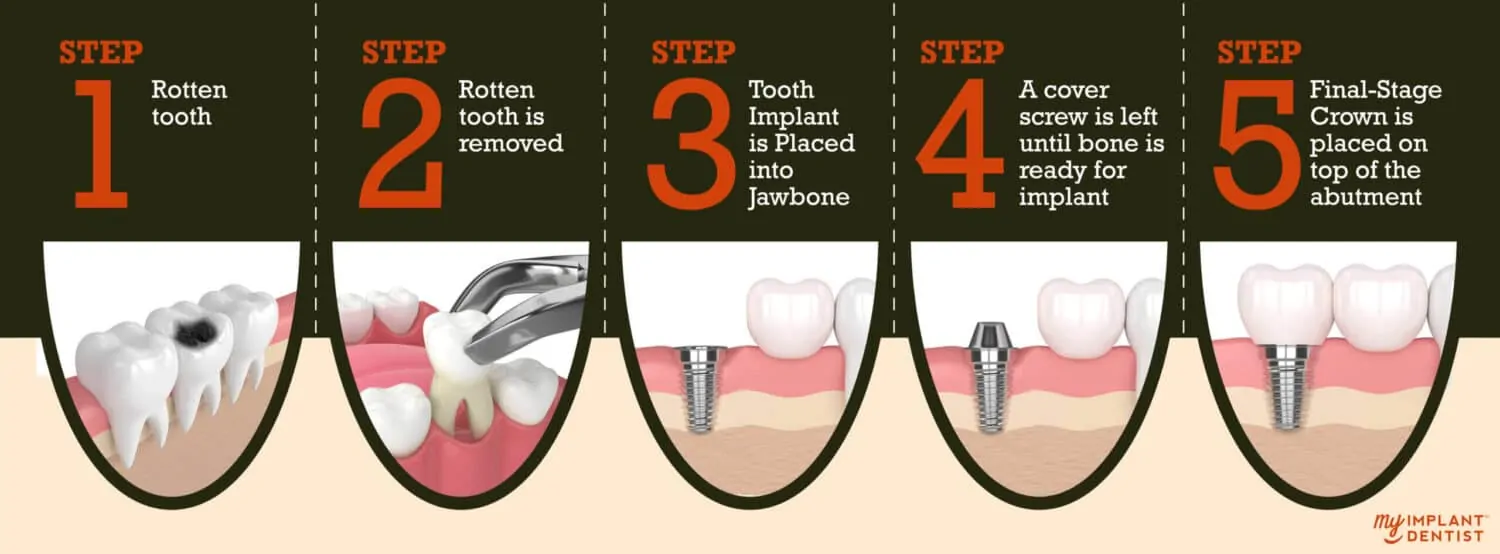
If the tooth is split, infected, or fractured below the gum line, extraction and dental implant may be the best long-term solution.
Step-by-Step Implant Process
- Extraction (sometimes with bone grafting)
- Healing period (2–6 months)
- Implant placement: Titanium post inserted into the jaw
- Abutment attachment
- Porcelain crown placed on top
Final result: A replacement that looks, feels, and functions like a natural tooth.
Benefits and Drawbacks
Advantages:
– Prevents jawbone loss
– Doesn’t affect neighboring teeth
– Lasts 20+ years
– High success rate
Downsides:
– Cost: $3,000–$5,000
– Requires surgery and multiple visits
– Often not covered by insurance
Still, implants offer the closest thing to a permanent fix.
Prevent Future Front Tooth Fractures
Once repaired, protect your smile with preventive habits.
Wear Protective Mouthguards
- Night guards for bruxism
- Athletic mouthguards for sports
Custom-fitted guards absorb impact and reduce fracture risk.
Avoid High-Risk Habits
Don’t chew:
– Ice
– Hard candy
– Pens or nails
– Popcorn kernels
These habits cause microfractures that accumulate over time.
Strengthen Your Enamel
- Brush with fluoride toothpaste twice daily
- Floss every day
- Limit acidic drinks (soda, citrus)
- Get fluoride varnish treatments from your dentist
Understand Costs and Insurance Coverage
| Treatment | Typically Covered? | Notes |
|---|---|---|
| Bonding | ✅ Yes (if restorative) | May be partially covered |
| Fillings | ✅ Yes | Standard coverage |
| Root canal | ✅ Yes | Medically necessary |
| Crown | ⚠️ Partial | May need pre-authorization |
| Veneers | ❌ No | Cosmetic |
| Implants | ❌ or ⚠️ | Rarely covered |
Ask your provider about:
– Procedure coding (restorative vs. cosmetic)
– Annual maximums
– Deductibles
Many offices offer payment plans or financing (CareCredit, LendingClub).
Final Note: Act Fast, Save Your Smile
A fractured front tooth isn’t just a cosmetic issue—it’s a structural emergency. Whether it’s a tiny chip or a major break, prompt dental care gives you the best chance to save your natural tooth.
Remember:
– Don’t wait for pain—some fractures are silent.
– Save any fragments in milk.
– Avoid DIY fixes—only a dentist can properly repair a broken tooth.
– Choose the right treatment based on the fracture type and your goals.
With today’s dental advances, nearly every fractured front tooth can be restored to full function and beauty. The key is starting now. Call your dentist today—your smile depends on it.