
If you’ve noticed your face looking hollow or sunken after a tooth extraction, you’re not alone — and you’re not powerless. A collapsed or gaunt facial appearance following tooth removal is a common yet often overlooked consequence of jawbone loss. While some changes are temporary due to post-surgical swelling, others stem from progressive bone resorption that alters your facial structure permanently. The good news? This condition can be reversed or prevented with timely, targeted interventions.
When a tooth is removed, especially a back molar, the natural support system for your cheeks and midface begins to deteriorate. Without the stimulation of a tooth root, your body starts reabsorbing the surrounding jawbone — a process called disuse atrophy. Within the first year, you can lose up to 60% of bone volume at the extraction site. Over time, this leads to visible facial sagging, deepened wrinkles, and a prematurely aged look.
But timing is everything. The longer you wait to act, the more complex and invasive treatment becomes. Whether you’re days, months, or even years post-extraction, this guide will walk you through proven solutions — from socket preservation and dental implants to bone grafts and dermal fillers — so you can restore facial volume, stop further bone loss, and reclaim a balanced, youthful appearance.
Immediate Swelling vs. True Facial Collapse
Recognize Post-Op Swelling Patterns
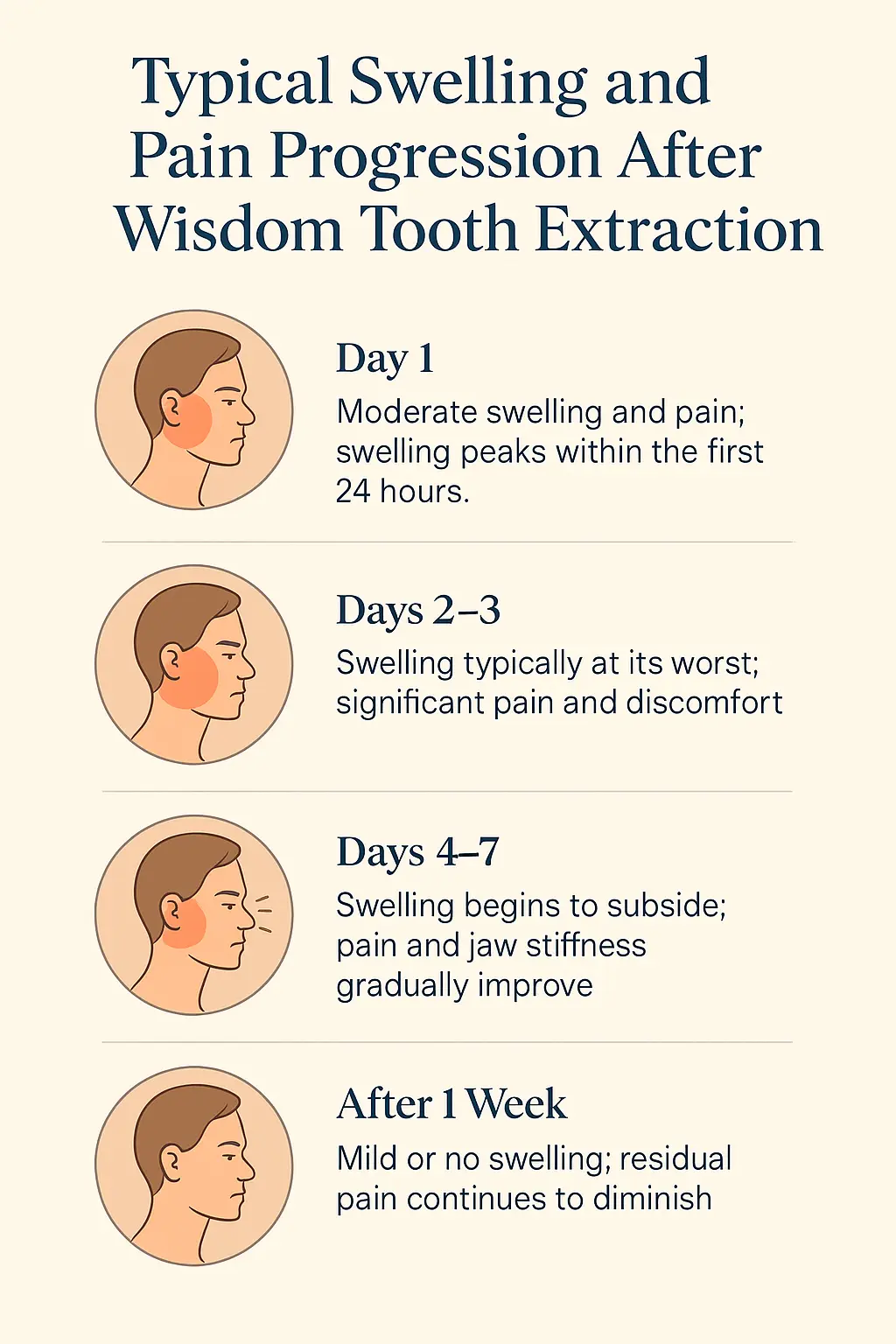
In the first few days after extraction, what appears to be a sunken face is often just a visual illusion caused by uneven swelling. After surgery, inflammation typically peaks between 48–72 hours, especially following molar extractions. Fluid accumulates on one side of the face, distorting natural contours and making the opposite side look hollow by comparison.
This swelling usually resolves within 5 to 7 days with proper care. Once it subsides, your face should return to its pre-extraction shape — assuming no significant bone loss has already begun. However, if the hollow appearance persists beyond 2–3 weeks, it’s no longer temporary. You’re likely experiencing actual bone resorption, which requires medical intervention.
✅ Quick Check: If your face improves daily and the hollowing is only on the extraction side, it’s likely swelling. If the sunken look worsens or doesn’t change after three weeks, bone loss is the culprit.
When Bone Loss Begins
Bone resorption starts immediately after tooth removal. Without the mechanical stimulation from chewing forces transmitted through the tooth root, the alveolar bone is no longer “needed” — so your body begins to break it down.
The most dramatic changes occur in the first 12 months:
– 40–60% reduction in bone width
– Gradual loss of vertical height
– Flattening of the jaw ridge
As the bone shrinks, it pulls facial structures inward, leading to:
– Sunken cheeks
– Deepened nasolabial folds
– Drooping mouth corners
– A shortened lower face (“granny look”)
Missing back teeth (molars and premolars) is particularly damaging — they provide essential structural support to the midface. Their absence accelerates visible facial collapse.
⚠️ Warning Sign: If you can pinch more skin on one cheek than the other or your dentures feel looser over time, bone loss is progressing.
Prevent Facial Collapse Early
Socket Preservation at Extraction
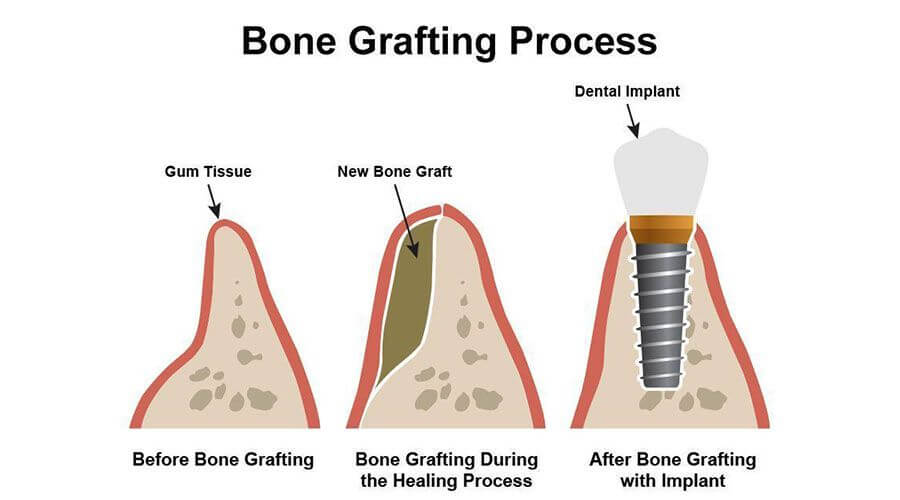
The most effective way to avoid a sunken face is intervention at the moment of extraction. Socket preservation, also known as alveolar ridge preservation, stops bone loss before it starts.
During the procedure:
– The empty socket is filled with bone graft material (synthetic, donor, or your own bone).
– A collagen membrane covers the graft to protect it.
– The site is sutured closed.
This simple step can reduce bone resorption by up to 50% compared to natural healing. It preserves enough volume for future dental implants and maintains facial support.
💡 Pro Tip: Always ask your dentist or oral surgeon about socket grafting before extraction. Once bone is lost, rebuilding it takes months and costs significantly more.
Immediate Implant Placement
For eligible patients, placing a dental implant directly into the extraction socket is the gold standard for prevention.
Implants act like artificial tooth roots — they transfer chewing forces to the jawbone, stimulating it and halting resorption. When combined with socket grafting, immediate implants offer the highest chance of long-term facial preservation.
Ideal candidates have:
– Sufficient bone density
– No active infection
– Good overall oral health
Even if immediate placement isn’t possible, plan for implant surgery within 6–12 months post-extraction. Delaying beyond this window increases the need for extensive bone grafting.
📌 Rule of Thumb: The first year after extraction is your critical window to preserve bone. After two years, facial collapse may become irreversible without major reconstruction.
Rebuild Bone Structure
Dental Implants to Stop Bone Loss
If you already have a sunken appearance, dental implants are the only solution that stops ongoing bone loss. Unlike bridges or dentures, implants integrate with the jawbone (osseointegration), providing continuous stimulation that mimics natural teeth.
Benefits include:
– Preservation of remaining bone
– Restoration of chewing function
– Support for facial muscles and soft tissues
– Long-term stability (95%+ success rate)
Implants can support individual crowns, fixed bridges, or implant-supported dentures — all of which help restore facial volume. Even replacing a single missing molar can prevent cheek hollowing on that side.
❗ Myth Busting: Dentures do not stop bone loss. In fact, pressure from ill-fitting dentures can accelerate resorption, worsening the sunken look over time.
Bone Grafting for Lost Volume
When bone has already deteriorated, bone grafting rebuilds the foundation needed for implants and facial support.
Common graft types:
– Autograft: Your own bone (from chin, jaw ramus, or hip) — best integration
– Allograft: Processed human donor bone
– Xenograft: Bovine-derived material
– Synthetic: Man-made substitutes like hydroxyapatite
The grafted area needs 4–9 months to heal before implants can be placed. During this time, new bone grows and integrates with the graft, restoring height and width.
Guided Bone Regeneration (GBR)
For larger defects, GBR uses a biocompatible membrane to shield the graft and direct new bone growth. This technique improves predictability, especially when adjacent teeth are affected.
Sinus Lift for Upper Jaw
Missing upper molars often lead to sinus pneumatization — the sinus cavity expands downward into the jawbone, leaving insufficient height for implants.
A sinus lift corrects this by:
– Lifting the sinus membrane upward
– Filling the space below with bone graft material
– Adding 4–8 mm of bone height
After 6–8 months of healing, implants can be placed securely.
✅ Outcome: Patients who undergo sinus augmentation regain midface projection and stop progressive cheek sinking.
Restore Soft Tissue Volume
Dermal Fillers for Facial Symmetry

Even with successful dental work, soft tissue atrophy can leave you looking hollow. Fat pads shift with age and bone loss, and collagen production declines — especially after years of tooth absence.
This is where dermal fillers come in. They offer an immediate, non-surgical way to restore midface fullness and correct asymmetry.
Best fillers for post-extraction hollowing:
| Type | Duration | Best For | Notes |
|---|---|---|---|
| Hyaluronic Acid (HA) | 6–18 months | Cheeks, tear troughs | Reversible with enzyme (hyaluronidase) |
| Calcium Hydroxylapatite (Radiesse) | 12–18 months | Deep volume loss | Stimulates collagen over time |
| Poly-L-lactic Acid (Sculptra) | Up to 2 years | Gradual rebuilding | Requires multiple sessions |
Strategic Injection Zones
- Buccal fat pad area: Restores cheek fullness
- Zygomatic region: Lifts midface
- Tear troughs: Fixes under-eye hollows
- Nasolabial folds: Softens deep lines
Fillers are particularly effective for one-sided hollowing due to unilateral tooth loss. An experienced injector can create symmetry even when bone support is uneven.
🧑⚕️ Expert Insight: Dr. Anna Chacon, MD, FAAD:
“Even after implants and bone grafts, soft tissue volume may not fully recover. Fillers are an excellent next step to restore facial balance.”🧑⚕️ Expert Insight: Dr. Camille Cash, MD:
“Fillers are safe, in-office treatments with no downtime. Final results appear after two weeks.”⚠️ Critical: Only seek treatment from skilled injectors familiar with post-dental facial anatomy. Improper placement can cause lumps, asymmetry, or vascular complications.
Why Timing Is Everything
The 6–12 Month Intervention Window
Delaying treatment drastically limits your options:
– Within 6 months: Socket grafting still viable
– By 12 months: Up to 25% vertical bone loss, 40% ridge width reduction
– After 2 years: Implants may require extensive grafting or sinus lifts
– Beyond 3 years: Facial collapse can lead to:
– Difficulty wearing dentures
– TMJ pain
– Speech and chewing issues
– Psychological distress
🕒 Urgency: Every month you wait increases the cost, time, and invasiveness of correction.
Multidisciplinary Care for Best Results
Complex cases demand collaboration:
– Dentist/oral surgeon: Diagnoses bone loss, performs extractions and grafts
– Prosthodontist: Designs implants and restorations
– Periodontist: Manages gum and bone health
– Dermatologist/plastic surgeon: Administers fillers and soft tissue treatments
This team approach ensures both functional recovery and aesthetic refinement.
Final Note
A sunken face after tooth extraction is not inevitable — and it’s never too late to act. Whether you’re in the early stages of swelling or years into bone loss, effective solutions exist. The key is early intervention: preserve bone at extraction, replace teeth with implants, and fine-tune aesthetics with fillers if needed.
Don’t wait for the hollows to deepen. Speak with your dentist today about socket grafting, implants, or a referral to a specialist. With the right plan, you can restore your facial structure, confidence, and quality of life — one step at a time.