Tooth infections strike without warning—sudden, throbbing pain that worsens when lying down, sensitivity to hot and cold, and sometimes swelling that radiates into the jaw. While antibiotics and root canals are the standard medical solutions, many people search for fast, natural relief. One of the most powerful options backed by science is oregano oil for tooth infection. Known for its potent antibacterial and anti-inflammatory properties, this essential oil can offer temporary symptom relief when used correctly.
But here’s the catch: oregano oil is highly concentrated. Used improperly, it can burn your gums, irritate soft tissues, or even delay proper treatment. The key lies in safe application methods, proper dilution, and knowing when to stop and see a dentist. This guide walks you through every step—from mixing the right dilution to recognizing danger signs—so you can use oregano oil effectively and safely while managing pain until professional care is available.
Apply Diluted Oregano Oil Directly to the Affected Area

Topical application is the most targeted way to deliver oregano oil’s healing compounds exactly where they’re needed—right at the site of infection.
Mix with a Gentle Carrier Oil
Oregano oil must never be applied undiluted. Always blend it with a carrier oil to reduce potency and prevent tissue damage.
– Combine 1 drop of oregano oil with 1 teaspoon (5 mL) of:
– Coconut oil (ideal—contains lauric acid, which also fights bacteria)
– Olive oil
– Jojoba oil
This 1:5 dilution ratio ensures safety while maintaining effectiveness.
Use a Cotton Swab for Precision
- Soak a small piece of cotton ball or swab in the diluted mixture.
- Gently press it against the infected tooth and surrounding gum.
- Hold in place for 5–10 minutes to allow carvacrol and thymol to penetrate.
- Remove and rinse your mouth thoroughly with warm water.
- Do not swallow any residue.
Pro Tip: Apply before bedtime. The mild numbing effect may reduce nighttime pain and help you sleep.
How Often Should You Apply?
- Repeat 2–3 times daily.
- Limit use to no more than 5–7 days.
- If pain persists beyond 48 hours, schedule a dental visit immediately.
Use Oregano Oil as a Natural Mouthwash
A diluted rinse helps reduce bacteria throughout the mouth and soothe widespread gum inflammation.
Prepare the Solution
- Add 2–3 drops of oregano oil to 8 oz (240 mL) of warm water.
- Optional: Stir in 1 teaspoon of baking soda to neutralize acids and boost cleansing.
Swish and Spit Properly
- Swish the mixture around your mouth for 20–60 seconds, focusing on the painful side.
- Do not swallow—oregano oil can irritate the digestive tract.
- After spitting, rinse with plain water to remove oily residue.
Best Time to Use
- Once or twice daily, ideally after brushing.
- Use between meals to avoid interfering with digestion.
Warning: Overuse may disrupt your oral microbiome. Stick to short-term use only.
Try Oil Pulling with Oregano Oil for Deep Cleansing
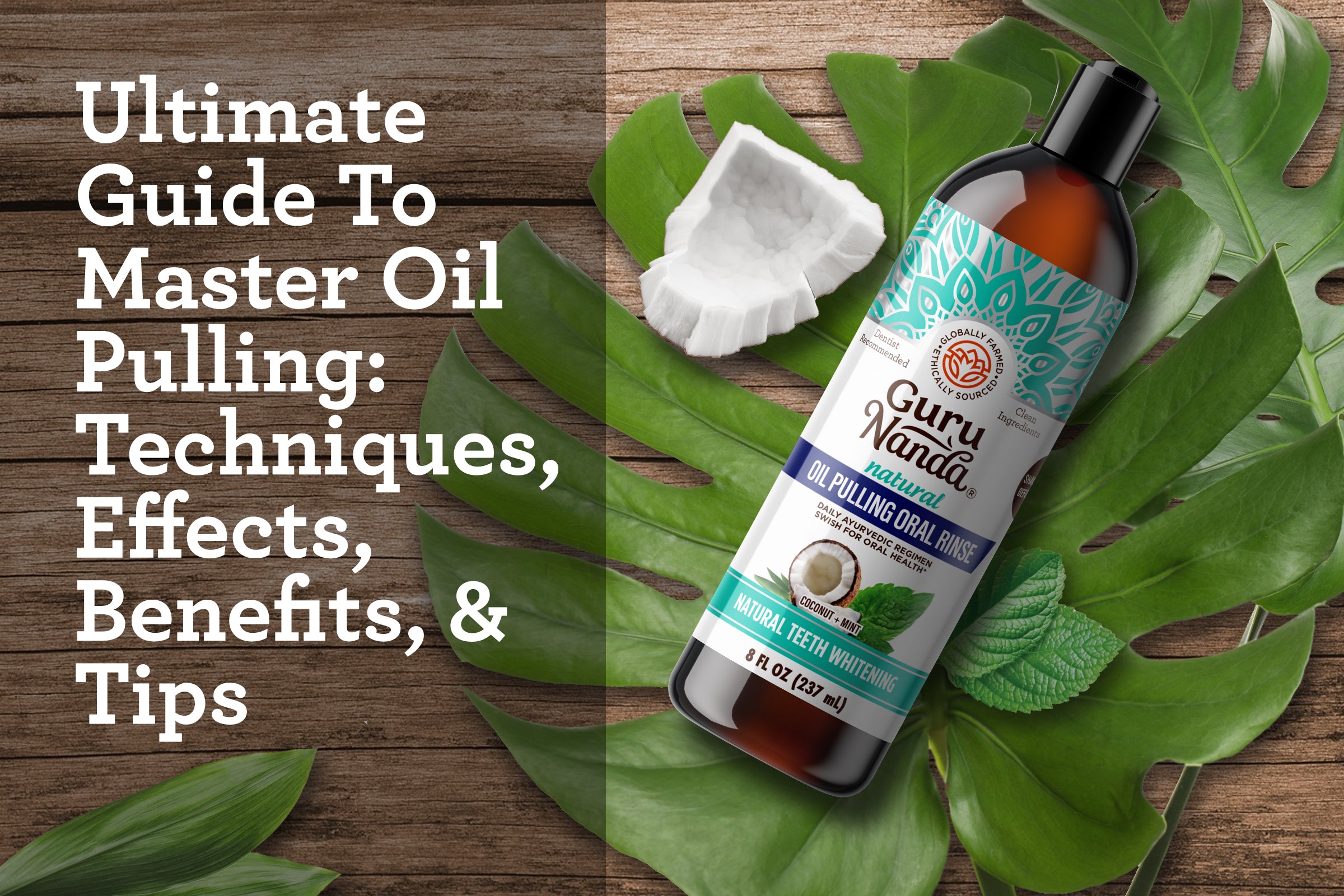
Oil pulling draws out toxins and bacteria from between teeth and below the gumline, enhancing overall oral hygiene.
Make Your Pulling Oil
- Mix 1–2 drops of oregano oil with 1 tablespoon (15 mL) of coconut oil.
- Warm slightly if solid.
Swish for Maximum Effect
- Swish gently for 10–15 minutes, moving the oil around the infected area.
- Spit into the trash (not the sink—oil can clog pipes).
- Rinse with warm water, then brush as usual.
When to Pull
- Best done in the morning on an empty stomach.
- Once daily is sufficient.
Expert Note: Oil pulling complements—but doesn’t replace—flossing and brushing.
Add Oregano Oil to Toothpaste for Targeted Antibacterial Action
Boost your brushing routine with a drop of oregano oil to fight infection-causing bacteria.
Safe Mixing Instructions
- Add 1 drop of oregano oil to a pea-sized amount of fluoride toothpaste.
- Brush normally, covering the infected tooth and adjacent gums.
Frequency and Caution
- Limit to 2–3 times per week.
- Avoid daily use—it may cause gum irritation or sensitivity.
Avoid if: You have receding gums, open sores, or enamel erosion.
Soothe Tooth Sensitivity Caused by Infection
Exposed roots or enamel wear due to infection can lead to sharp, nerve-related pain. Oregano oil may help calm this discomfort.
How to Apply
- Dilute 1 drop oregano oil in 1 teaspoon carrier oil.
- Dip a cotton swab and apply directly to sensitive spots.
- Leave on for 5 minutes, then rinse.
How Often?
- Use once daily as needed.
- Stop immediately if stinging occurs.
Note: This only manages symptoms—it does not repair structural damage.
Follow These Safety Rules to Prevent Harm
Oregano oil is powerful, but misuse can cause serious side effects.
Always Dilute Before Use
- Never apply pure oregano oil—it can cause chemical burns.
- Minimum safe ratio: 1 drop oregano oil to 5 drops carrier oil.
Do a Patch Test First
- Apply diluted oil to your inner forearm.
- Wait 24 hours. If redness, itching, or swelling occurs, avoid oral use.
Avoid These Situations
- Open sores, ulcers, or bleeding gums
- Children under 6 years old
- Swallowing the oil—never ingest undiluted oregano oil
Watch for Allergic Reactions
- Common in those allergic to mint, thyme, or basil (same plant family)
- Symptoms: rash, swelling, difficulty breathing
- Seek medical help immediately if severe reaction occurs
Know the Possible Side Effects
Even when used correctly, oregano oil may cause:
Common Reactions
- Burning or stinging in the mouth
- Red, irritated gums
- Temporary numbness followed by sensitivity
- Nausea or bad taste if accidentally swallowed
Rare but Possible
- Gum or tooth discoloration with prolonged use
- Contact dermatitis around the lips
- Digestive upset if ingested
Stop using if discomfort worsens or lasts more than a few hours.
Check for Medication Interactions
Oregano oil may interfere with certain drugs. Consult your doctor if you take:
Blood Thinners (e.g., Warfarin, Aspirin)
- May increase bleeding risk due to mild anticoagulant effects.
Diabetes Medications
- Could enhance blood sugar-lowering effects, leading to hypoglycemia.
Immunosuppressants
- May stimulate immune activity, reducing drug effectiveness.
Never use internally without medical supervision if on prescription meds.
Special Guidelines for Children
Oregano oil is not safe for young children without extreme caution.
For Ages 6–12
- Dilute further: 1 drop oregano oil per 2 teaspoons (10 mL) carrier oil
- Test skin first
- Use only topical or diluted rinse (spit out)
- Never allow ingestion
Not Recommended For
- Children under 6 years old
- Those with known herb allergies
Parent Tip: Supervise every use. Store oil out of reach.
When to See a Dentist Immediately
Oregano oil does not cure tooth infections. Delaying care can lead to serious complications.
Seek Emergency Dental Care If:
- Pain lasts more than 48 hours
- Facial or jaw swelling appears
- You see pus or an abscess
- You develop fever or chills
- It’s hard to open your mouth or swallow
- Tooth becomes loose or darkened
Risks of Untreated Infection:
- Spread to jawbone (osteomyelitis)
- Sepsis (life-threatening blood infection)
- Need for root canal or extraction
Bottom line: Natural remedies are temporary. Only a dentist can remove infected pulp or drain an abscess.
Compare Oregano Oil to Other Natural Remedies

While oregano oil is strong, other options also help:
| Remedy | Best For | Compared to Oregano Oil |
|---|---|---|
| Clove Oil | Fast pain relief | Faster numbing, weaker antibacterial action |
| Saltwater Rinse | Mild inflammation, post-extraction | Safer for daily use, less potent |
| Cold Compress | Reducing swelling | External only, no antimicrobial benefit |
Best strategy: Combine oregano oil (infection control) + clove oil (pain relief) + cold compress (swelling).
Store Oregano Oil Properly to Maintain Potency
- Keep in dark glass bottle (amber or blue)
- Store in a cool, dry place away from sunlight
- Seal tightly after use
- Label clearly—especially in homes with kids
- Shelf life: 1–2 years if stored correctly
Tip: Buy small bottles to ensure freshness.
Support Oral Health with Daily Habits
Use oregano oil as a short-term aid, not a replacement for routine care.
Maintain These Practices:
- Brush twice daily with fluoride toothpaste
- Floss every night
- Use alcohol-free mouthwash
- Limit sugar and acidic foods
- Drink water throughout the day
- Visit your dentist every 6 months
Add oregano oil only during flare-ups.
Answer Key FAQs
Can oregano oil cure a tooth infection?
No. It reduces bacteria and relieves pain temporarily but cannot remove infected pulp or heal structural damage. Only a dentist can do that.
How fast does it relieve pain?
Some feel relief within 5–10 minutes. Pain typically returns within 1–2 hours, requiring repeat use.
Is it safe for gums?
Yes—if diluted. Undiluted oil causes burns.
Can I swallow oregano oil?
No. Ingesting undiluted oil can cause digestive irritation and drug interactions. Internal use requires medical supervision.
Oil of oregano vs. oregano essential oil?
They are the same—both refer to concentrated Origanum vulgare extract. Choose 100% pure, therapeutic-grade oil.
Can it prevent cavities?
It may reduce cavity-causing bacteria, but it doesn’t replace brushing, flossing, or fluoride.
Can I brush with it every day?
No. Limit to 2–3 times per week to avoid gum irritation.
Is oregano oil better than clove oil?
- Oregano: Stronger antibacterial action
- Clove: Faster pain relief
Use both—clove for immediate relief, oregano for fighting infection.
Can it help bad breath?
Yes. Its antimicrobial properties kill odor-causing bacteria. Add one drop to toothpaste or rinse (spit out).
When should I stop and see a dentist?
Stop home treatment and call your dentist now if:
– Pain lasts over 2 days
– Swelling or pus appears
– You feel feverish
– Eating or sleeping becomes impossible
Final Note: Oregano oil is a powerful natural ally for managing tooth infection symptoms. When diluted and applied correctly, it delivers fast-acting antibacterial, anti-inflammatory, and mild numbing effects. But it is not a cure. Used wisely, it bridges the gap between pain onset and professional dental care—offering safe, temporary relief. Always follow up with a dentist to treat the root cause and prevent serious complications.