A loose tooth in an adult is never normal—and it’s more than just a dental nuisance. Unlike children, whose baby teeth naturally loosen, adults should treat any tooth mobility as a red flag. While you may be searching for quick fixes like how to tighten a loose tooth at home, the truth is that real solutions depend on the cause. Whether it’s gum disease, trauma, or grinding, temporary home remedies can support healing and reduce discomfort—but they are not cures. This guide gives you safe, science-backed ways to stabilize a loose tooth at home, while clearly outlining when professional care is non-negotiable. You’ll learn which natural treatments actually work, how diet and hygiene play a role, and the warning signs that mean you need to see a dentist now.
Identify the Cause First
Before attempting any remedy, understand why your tooth is loose. Treating symptoms without addressing the root cause can delay healing and lead to permanent damage.
Gum Disease Is the Top Culprit
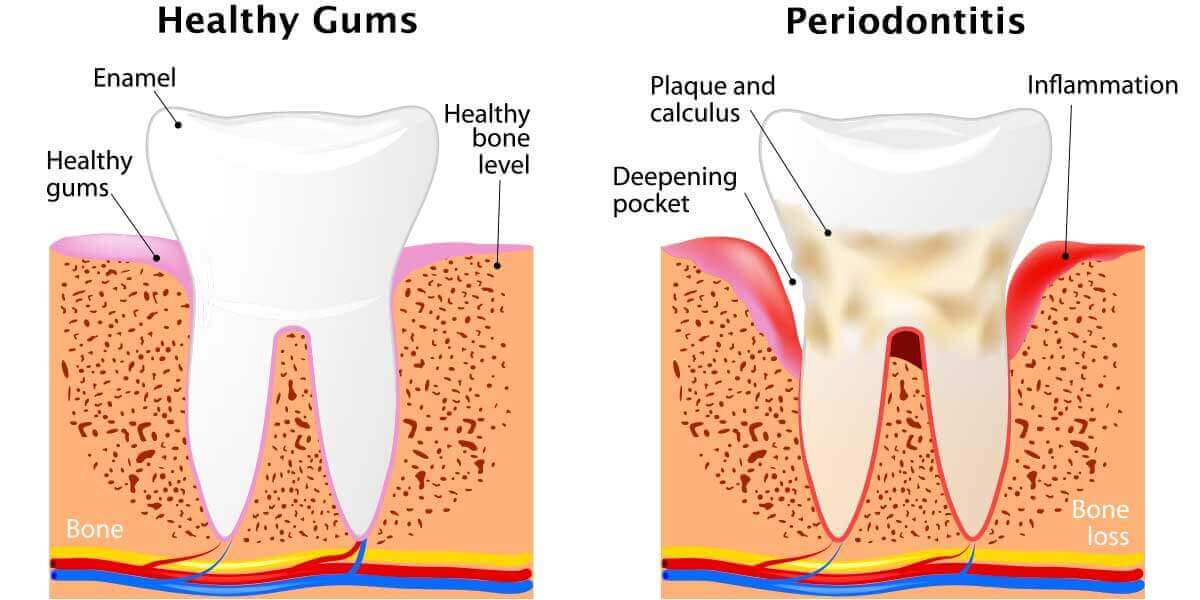
Periodontitis—advanced gum disease—affects nearly half of adults over 30. It starts with plaque buildup that hardens into tartar, irritating the gums and causing them to pull away from the tooth. Over time, this destroys the bone and periodontal ligaments that hold teeth in place.
Key signs:
– Gums that bleed when brushing
– Persistent bad breath
– Receding gum line
– Pus around the tooth
If left untreated, even mild looseness can progress to tooth loss.
Trauma or Grinding Can Loosen Teeth Fast
A fall, sports injury, or even unconscious teeth grinding (bruxism) can inflame or damage the ligaments anchoring your tooth. Nighttime clenching puts up to 250 pounds per square inch of pressure on teeth—enough to cause micro-movements.
What to watch for:
– Pain when biting
– Tooth feels “higher” than others
– Sensitivity after waking
Unlike gum disease, trauma-related looseness often comes on suddenly.
Systemic Health Plays a Role
Conditions like osteoporosis weaken jawbone density, especially in postmenopausal women. Hormonal shifts during pregnancy can also cause temporary ligament laxity. And diabetes increases infection risk, making gum disease harder to control.
If you have any of these, discuss them with your dentist—they affect treatment options.
Immediate Home Remedies That Help

While none of these replace a dental visit, they can reduce inflammation, kill bacteria, and support tissue healing—giving your tooth a better chance to stabilize.
Saltwater Rinse Daily
Why it works: Salt creates a hypertonic environment that pulls fluid from swollen gums, reducing inflammation and flushing out bacteria. It also helps neutralize mouth pH, making it harder for harmful microbes to thrive.
How to do it:
1. Mix ½ teaspoon of salt in 8 oz of warm water
2. Swish vigorously around the loose tooth for 30–60 seconds
3. Spit—don’t swallow
4. Repeat 2–3 times daily, especially after meals
Pro tip: Use this after brushing to clean hard-to-reach areas under the gumline.
Apply Turmeric and Black Pepper Paste
Why it works: Curcumin in turmeric is a powerful anti-inflammatory and antimicrobial agent. Piperine in black pepper boosts curcumin absorption by up to 2,000%, enhancing its effectiveness.
How to do it:
1. Mix ½ tsp turmeric powder + ¼ tsp black pepper
2. Add water to form a thick paste
3. Apply directly to the gum around the loose tooth
4. Leave for 5–10 minutes, then rinse
Frequency: Once daily. Some users report firmer teeth within 7–10 days with consistent use.
Use Diluted Hydrogen Peroxide
Why it works: A 50/50 mix of 3% hydrogen peroxide and water kills bacteria, reduces plaque, and oxygenates gum tissue—creating an environment where healing can occur.
How to do it:
1. Mix equal parts peroxide and water
2. Swish for 30 seconds, focusing on the affected area
3. Spit thoroughly—never swallow
Caution: Don’t use more than once daily. Overuse can irritate gums or erode enamel.
Try Clove Oil for Pain and Healing
Why it works: Clove oil contains eugenol, a natural anesthetic and antiseptic used in dentistry for decades. It numbs pain and fights infection.
How to do it:
1. Soak a cotton ball in 2–3 drops of clove oil
2. Press gently against the tooth and gum for 5–10 minutes
3. Wait 30 minutes before eating or drinking
Note: Safe for short-term use. Avoid if you have sensitive gums or are pregnant.
Strengthen Gums with Diet and Supplements

You can’t “tighten” a tooth without strong supporting tissues. Nutrition fuels gum repair and bone regeneration.
Eat These Key Nutrients
| Nutrient | Why It Matters | Best Food Sources |
|---|---|---|
| Vitamin C | Builds collagen in gums; deficiency causes scurvy and gum disease | Oranges, strawberries, bell peppers, amla |
| Calcium | Maintains jawbone strength | Milk, yogurt, kale, fortified plant milks |
| Vitamin D | Helps absorb calcium; regulates gum inflammation | Salmon, egg yolks, sunlight |
| Omega-3s | Reduce gum inflammation | Salmon, flaxseeds, walnuts |
| Magnesium | Supports bone density | Almonds, spinach, bananas |
Action step: Drink green tea daily. Its EGCG antioxidant strengthens connective tissue and reduces gum pocket depth.
Avoid These Foods
- Sugary snacks and drinks: Feed plaque-causing bacteria
- Acidic citrus juices: Weaken enamel and irritate gums
- Hard or sticky foods: Can worsen tooth movement (e.g., ice, caramels)
Better choice: Chew on the opposite side of your mouth to reduce stress on the loose tooth.
Optimize Your Oral Hygiene Routine
Brushing and flossing aren’t just preventive—they’re active treatments when done correctly.
Brush the Right Way
- Use a soft-bristled brush to avoid gum damage
- Angle at 45 degrees toward the gumline
- Use gentle circles, not aggressive scrubbing
- Brush for 2 minutes, twice daily
Mistake to avoid: Brushing too hard can wear down gums and expose roots, making looseness worse.
Floss Without Aggravating the Tooth
- Use a gentle C-shape motion around each tooth
- Slide floss below the gumline to remove bacteria
- Don’t snap—this can injure inflamed tissue
Alternative: Use interdental brushes if flossing hurts or feels unstable.
Rinse with Alcohol-Free Mouthwash
Choose a mouthwash with cetylpyridinium chloride or chlorhexidine (OTC versions) to reduce bacteria. Avoid alcohol-based rinses—they dry the mouth and slow healing.
Try Temporary Stabilization Methods
In mild cases, mechanical support can help the periodontal ligament heal.
DIY Dental Floss Splint (Short-Term Only)
How to do it:
1. Cut 6 inches of dental floss
2. Loop it around the loose tooth and a stable neighbor
3. Tie a loose knot—just enough to limit movement
4. Remove daily to clean thoroughly
Warning: This is not a long-term fix. Food and bacteria can get trapped, increasing infection risk. Use only until you see a dentist.
Wear a Night Guard If You Grind
Grinding exerts extreme force on teeth. A custom-fitted night guard from your dentist redistributes pressure and prevents further damage. Over-the-counter boil-and-bite guards offer temporary protection.
When to See a Dentist Immediately
Home care has limits. Ignoring serious signs can lead to tooth loss, abscess, or bone infection.
Emergency Red Flags
- The tooth moves more than 1 mm side-to-side
- You feel throbbing pain or swelling
- There’s pus or a pimple on the gum (abscess sign)
- The tooth shifted after a fall or injury
- You have a fever or swollen lymph nodes
- Mobility lasts longer than 10 days
Bottom line: A loose permanent tooth is a dental emergency until proven otherwise.
What Dentists Do to Save Loose Teeth
If home care isn’t enough, professionals have targeted treatments.
Deep Cleaning (Scaling and Root Planing)
This removes tartar from below the gumline and smooths tooth roots so gums can reattach. It’s the first-line treatment for periodontitis and can significantly reduce tooth mobility.
Antibiotics and Antimicrobials
- Oral antibiotics (e.g., amoxicillin) for widespread infection
- Localized gels (e.g., Arestin) placed in gum pockets
- Prescription mouthwash (chlorhexidine) for 7–14 days
Surgical Options
- Flap surgery: Lift gums to clean deep pockets
- Bone grafts: Replace lost jawbone with synthetic or donor material
- Soft tissue grafts: Reinforce thin gums
Splinting and Bite Adjustment
- Bonded splints: Connect loose teeth to stable ones with wire and resin
- Occlusal adjustment: File down high spots on teeth to balance bite pressure
Prevent Future Looseness
Once your tooth is stabilized, protect it long-term.
Stick to a 3-Step Daily Routine
- Brush twice with fluoride toothpaste
- Floss once to clean between teeth
- Rinse with antimicrobial mouthwash
Visit Your Dentist Every 6 Months
Regular cleanings catch gum disease early. If you have periodontitis, you may need visits every 3–4 months.
Protect Your Teeth
- Wear a mouthguard during sports
- Use a night guard if you grind
- Never chew ice, pens, or hard candy
Manage Systemic Health
Control blood sugar if diabetic. Discuss osteoporosis meds with your dentist. Address hormonal changes with professional care.
Final Note: You can support a loose tooth at home—but you cannot cure it without knowing the cause. Use saltwater rinses, turmeric, and proper hygiene to reduce inflammation and buy time. But if the tooth doesn’t firm up in a few days, or if you have pain or swelling, see a dentist immediately. The goal isn’t just to tighten the tooth—it’s to save it.