You’ve just purchased the Bitvae Water Flosser and want to get the most out of your new oral care device. Unlike traditional string flossing, water flossers use targeted streams of pulsating water to flush out plaque, food debris, and bacteria from between teeth and below the gumline. This comprehensive guide walks you through every step, from charging and filling to mastering proper technique, so you can achieve cleaner teeth and healthier gums without the frustration.
Whether you’re new to water flossing or switching from another device, learning to use the Bitvae model effectively takes just a few minutes. You’ll discover how to select the right nozzle tip, adjust pressure settings for your comfort, avoid common mistakes, and maintain your device for years of reliable performance.
Charge Before First Use
Before using your Bitvae Water Flosser, plug it in with the included USB cable and charge it fully. A complete charge takes approximately 3 to 4 hours and powers the device for up to 14 days with twice-daily 60-second sessions at medium pressure. The lithium-ion battery includes overcharge protection, so you don’t need to unplug it immediately when full.
Look for the LED indicator to check battery status. A solid light means the device is fully charged, while a blinking red light indicates low battery. Avoid using the flosser while charging, and don’t leave it plugged in continuously after reaching 100% to preserve long-term battery health.
Fill the Water Tank Correctly
Remove the 200ml water tank by pulling it straight up from the handle. Fill it with lukewarm water to prevent gum sensitivity that hot or cold water can cause. Always pour only up to the max fill line to avoid leakage during use.
For enhanced cleaning, you can add certain solutions to the water. Use diluted antimicrobial mouthwash following product instructions, fluoride rinse to help strengthen enamel, or a small amount of baking soda as a natural deodorizer. Never fill the tank with undiluted essential oils, alcohol-based solutions, or abrasive liquids, as these can damage internal components and void your warranty.
Reattach the tank until it clicks securely into place. A loose fit may cause dripping or poor performance during your flossing session.
Choose the Right Nozzle Tip
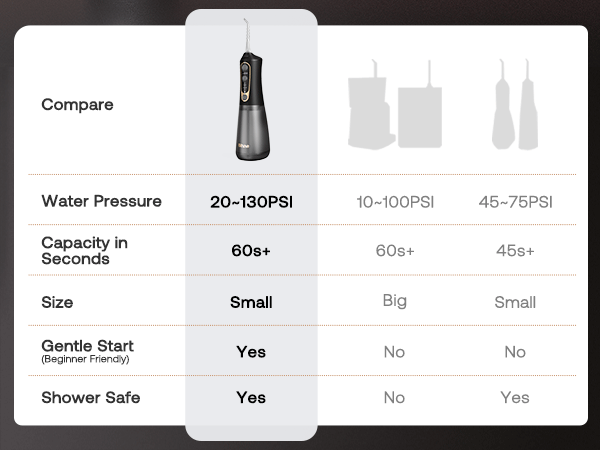
The Bitvae Water Flosser comes with multiple color-coded nozzle tips designed for specific oral conditions. Selecting the right one boosts effectiveness and comfort significantly.
The Standard Jet Tip works best for everyday cleaning and removes plaque between teeth and along the gumline. The Orthodontic Tip features a tapered bristle end that surrounds wires and brackets, making it ideal for braces wearers. The Periodontal Tip delivers a gentler spray pattern for sensitive gums or those with periodontal pockets, and it’s often recommended after dental surgery. The Plaque Seeker Tip targets tight spaces and hard-to-reach areas around crowns, bridges, and implants. The Tongue Cleaner Tip reduces bad breath by sweeping away bacteria on the tongue surface.
To attach any tip, push it firmly onto the connector until it locks into place. To remove it, press the release button and pull straight out. Rinse tips after each use and replace them every 3 to 6 months to maintain hygiene and spray precision.
Power On and Set Pressure
Press and hold the power button for 1 to 2 seconds to turn on the device. Begin in Low (Soft Mode), especially if you’re new to water flossing or have sensitive gums.
Cycle through three pressure levels using the mode button. The blue light indicates Low pressure at 40 to 50 PSI, which is gentle and ideal for beginners. The green light shows Medium pressure at 70 to 80 PSI, which is balanced for daily use. The red light represents High pressure at 90 to 100 PSI, best for deep cleaning stubborn plaque.
New users often make the mistake of jumping to high pressure immediately, which causes discomfort or excessive splashing. Let your gums adapt over 5 to 7 days before increasing intensity. Use short bursts by tapping the mode button instead of continuous flow for better control and minimal mess.
Master the Flossing Technique
Stand over the sink and lean slightly forward to prevent water from splashing everywhere. Place the tip in your mouth before turning on the device to avoid unexpected spray. Close your lips gently around the nozzle to contain water, but allow excess to drain into the sink through the corners of your mouth.
Aim the jet at a 90-degree angle to the gumline, not directly into it. Start at the back molars and slowly move forward, pausing 1 to 2 seconds per tooth gap. Let the pulsations at 1,600 per minute do the work instead of forcing the tip. Follow a consistent path such as upper right to upper left to lower left to lower right to ensure you don’t miss any spots.
For braces, use the orthodontic tip and angle it above and below wires, letting the spray vibrate food loose rather than pushing aggressively. For implants or crowns, glide the tip carefully around edges where bacteria tend to accumulate. If you feel a gag reflex, breathe through your nose and take breaks. Most users adjust within a week.
Turn Off and Clean After Use
After flossing, press and hold the power button to turn off the device. Remove the tip and rinse it under running water. Shake out excess water from the handle and tank to prevent dripping.
Wipe the nozzle dry with a clean towel and store the flosser upright to allow full air drying. This prevents mold and mineral buildup that can affect performance. Empty any leftover liquid from the tank after each use, especially if you added mouthwash or baking soda.
Weekly Maintenance Routine

Even though the Bitvae is IPX7 waterproof and can be submerged up to 1 meter, internal parts need regular care to stay in top condition.
Clean the water tank once a week by removing it and the cap, washing with warm water and mild dish soap, rinsing thoroughly to remove soap residue, and allowing it to air dry completely before reassembling. Disinfect the nozzles weekly by soaking them in a 1 to 1 vinegar-water solution for 15 to 30 minutes to dissolve mineral deposits and kill bacteria. Rinse well afterward.
Wipe the handle exterior with a damp cloth, but never submerge the motorized base or expose the charging port to water. Replace nozzles every 3 to 6 months. Mark your calendar or set a phone reminder to stay on schedule.
Avoid Common Mistakes
Filling past the max line causes leaks, and using undiluted mouthwash or harsh chemicals can corrode seals and void your warranty. Don’t make these errors if you want your device to last.
Spending less than 60 seconds means incomplete coverage. Most dentists recommend 60 to 90 seconds for a full mouth clean. Rushing leads to missed zones and reduced benefits.
Leaving your mouth wide open creates a waterfall effect. Gently close your lips around the tip to control spray while letting water escape naturally.
Some light bleeding in the first few days is normal as gums adjust. But if it continues beyond a week, lower the pressure and consult your dentist, as it could signal gum disease.
Recommended Daily Usage
The American Dental Association recommends daily water flossing, ideally before bedtime. This removes food particles missed by brushing and reduces overnight bacterial growth.
The Bitvae Water Flosser can be used alongside string floss for a deeper clean, as a replacement if you struggle with manual dexterity, or twice daily if you have braces, implants, or periodontal issues. Consistent users report noticeable improvements in gum health within 2 to 3 weeks, including less redness, swelling, and bleeding.
Travel and Storage Tips
The Bitvae’s compact, cordless design makes it perfect for travel. To pack safely, empty and dry all parts completely, use the included travel case or protective cap for nozzles, and store upright to prevent leaks. You don’t need to bring the charging cable unless traveling longer than two weeks.
Users praise its leak-resistant tank and quiet operation, making it ideal for hotel bathrooms or shared spaces.
Safety and Precautions
Children under 12 should only use the device under adult supervision due to choking risk. Recent oral surgery patients should wait until cleared by their dentist before using the flosser. Avoid direct jet contact with open sores or abscesses unless approved by a professional.
Stop use immediately if the device casing is cracked or damaged. Do not operate with wet hands near the charging port. Use only non-abrasive cleaners on parts, as harsh scrubbing or bleach can degrade materials over time.
Performance and Real-World Results
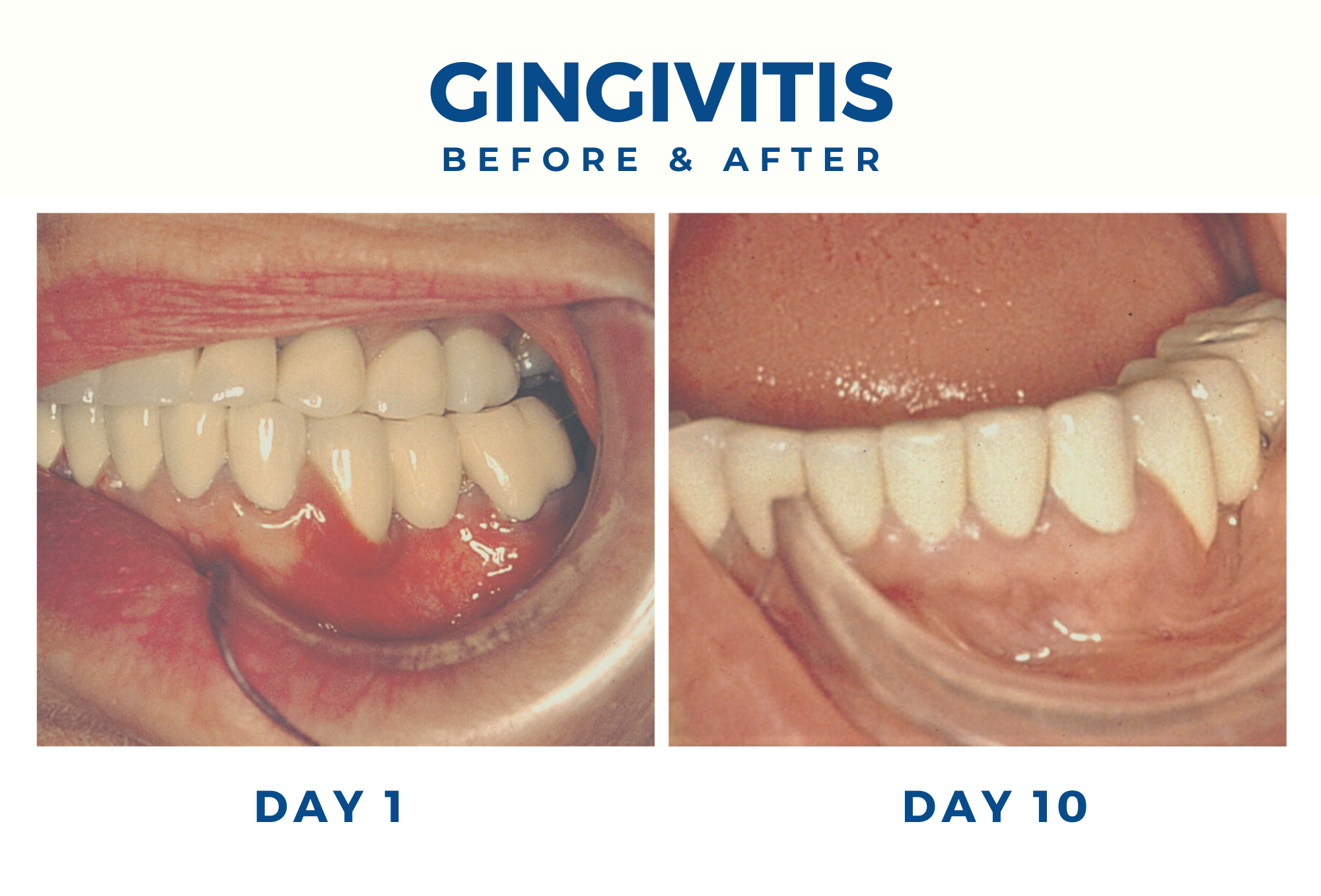
Verified buyers report reduced food trapping with braces, less gum bleeding within days, easier cleaning around implants, and improved breath with the tongue tip. While first-time users may experience minor gagging or water spillage, most master the technique within a week.
Compared to string floss, the Bitvae is faster at approximately 60 seconds versus 2 to 3 minutes, more effective for braces and tight spaces, and provides better gum stimulation. The noise level is low, described as a soft pulsing sound, much quieter than countertop models.
Warranty and Support Information
Your Bitvae Water Flosser includes a 1-year limited warranty against manufacturing defects and a 30-day satisfaction guarantee, though return policy depends on the retailer. Contact customer support via email or online chat for troubleshooting pressure issues, replacing lost or damaged nozzles, or battery and charging concerns.
Keep your purchase receipt and original packaging during the warranty period.
Frequently Asked Questions About Bitvae Water Flosser
How long does the battery last on a full charge?
A full charge provides up to 14 days of regular use, based on twice-daily 60-second sessions at medium pressure. Recharge when the pressure weakens or the LED indicator blinks red.
Can I use mouthwash in my Bitvae water flosser?
Yes, you can add diluted antimicrobial mouthwash or fluoride rinse to the water tank. Always dilute according to product instructions and never use undiluted essential oils or alcohol-based solutions.
How often should I replace the nozzle tips?
Replace nozzle tips every 3 to 6 months to maintain hygiene and spray precision. Mark your calendar or set a reminder to stay on schedule.
Is the Bitvae water flosser waterproof?
Yes, it has an IPX7 waterproof rating, meaning it can be submerged in up to 1 meter of water for 30 minutes. However, avoid submerging the motorized base or exposing the charging port to water.
What pressure setting should I start with?
Start with Low (Soft Mode) if you’re new to water flossing or have sensitive gums. Let your gums adapt over 5 to 7 days before increasing to Medium or High pressure.
Can children use the Bitvae water flosser?
Children under 12 should only use the device under adult supervision due to choking risk. Consult your dentist for specific recommendations for younger users.
Final Takeaways for Using Your Bitvae Water Flosser
The Bitvae Water Flosser is more than just a convenience. It’s a powerful tool for healthier gums and a cleaner mouth when used correctly. By following these steps, you’ll use it properly, avoid mess, and extend its lifespan for years of reliable oral care.
Remember to start with low pressure, choose the right nozzle for your dental needs, and maintain a consistent daily routine. Whether you’re managing braces, implants, or everyday plaque, proper technique delivers real results that you can see and feel.
Stick with it for two weeks, and you’ll likely notice less bleeding, fresher breath, and greater confidence in your smile. Your teeth and gums will thank you for making this simple addition to your daily routine.