If you have just unboxed your Quip Water Flosser, you are one step closer to a cleaner, healthier smile. Water flossing is a fast, effective way to remove plaque and food particles from between teeth and along the gumline, especially in spots your toothbrush cannot reach. Unlike string floss, the Quip Water Flosser uses a steady stream of water to gently flush out debris, making it ideal for braces, implants, or sensitive gums.
Using it is simple, but getting the best results means knowing the right pressure, angle, and routine. Whether you are new to water flossing or upgrading from traditional floss, this guide will walk you through every step, from filling the reservoir to mastering your technique. You will learn how to adjust settings, clean hard-to-reach areas, and maintain your device for long-term use.
Fill the Reservoir Correctly
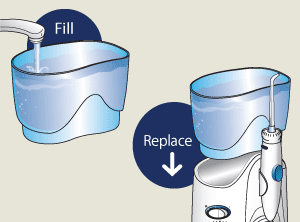
Before powering on, you need to fill the reservoir with water. The Quip Water Flosser uses a compact, removable water tank that snaps into the base.
Use Lukewarm Water for Comfort
Cold water can cause sensitivity, especially if you have exposed roots or dental work. For a comfortable experience, fill the reservoir with lukewarm water. Avoid hot water, as it may damage the internal components.
Add Mouthwash for Added Freshness
You can mix up to 50 percent mouthwash with water for added freshness. Do not fill the reservoir entirely with mouthwash, as it can degrade the plastic and affect performance over time. Essential oils or alcohol-based rinses should be avoided unless specified by Quip.
Insert Reservoir Until It Clicks
Slide the filled reservoir into the handle until you hear a firm click. This ensures a proper seal and prevents leaks during use. If it does not click, remove and reinsert at the correct angle.
Choose the Right Pressure Setting

The Quip Water Flosser has two pressure modes: low and high. Choosing the right one depends on your sensitivity and experience level.
Start on Low for Beginners
If you are new to water flossing, begin with the low-pressure setting. It delivers a gentler stream, reducing gum irritation while still removing debris. After a few uses, you can switch to high if desired.
Use High for Deep Cleaning
The high-pressure mode is ideal for removing stubborn buildup, especially if you wear braces, have crowns, or struggle with plaque. It is powerful but still designed to be safe for daily use.
Adjust Mid-Session if Needed
You can switch between settings at any time during flossing. If your gums feel tender, pause and lower the pressure. Consistency matters more than intensity. Gentle daily use beats aggressive weekly sessions.
Position the Tip at the Right Angle
Proper angling ensures effective cleaning without discomfort or splashing.
Aim at 45-Degree Gumline Angle
Point the flosser tip at a 45-degree angle toward the gumline. This targets the space between your teeth and the pocket where plaque accumulates. Do not aim straight into the gums, as this can cause irritation.
Move Systematically Through Your Mouth
Start at the back molars and work forward. Floss between each tooth, pausing briefly to let the water pulse dislodge debris. Spend about 2 seconds per gap. Do not skip the backside of your last molars, as they are often missed.
Close Your Lips Slightly to Reduce Splash
Keep your mouth slightly closed around the tip while flossing. This minimizes splashing into the sink and keeps the water stream focused. Let excess water and saliva drain out slowly through the corners of your mouth.
Replace and Clean the Nozzle Monthly

The Quip Water Flosser uses replaceable silicone tips designed for hygiene and durability.
Pop Out and Swap Every 3 Months
Each tip lasts about 90 days with daily use. To replace, pull the old nozzle straight off the handle and snap on a new one. Quip offers replacement packs with multiple colors for shared use.
Rinse After Every Use
After flossing, rinse the nozzle under clean water to remove any lingering debris. Shake off excess and store upright to dry. This prevents bacterial buildup and keeps the stream clear.
Soak in Vinegar Weekly for Deep Cleaning
For deeper cleaning, soak the tip in a mix of 1:1 white vinegar and water for 15 minutes once a week. Rinse thoroughly afterward. Never boil or microwave the nozzle, as it will degrade the silicone.
Charge Your Device Regularly
The Quip Water Flosser is USB-rechargeable and designed for long-term use.
Charge Every 3 Weeks
A full charge lasts up to three weeks with twice-daily use. When the pulsing slows or stops unexpectedly, it is time to recharge. Low battery can reduce water pressure and cleaning effectiveness.
Use Any USB Power Source
Plug the magnetic charging cable into any USB-A port, such as a laptop, wall adapter, or power bank. The light on the handle will glow red while charging and turn green when full. Avoid charging near water.
Prevent Moisture Damage
Always dry the charging port before connecting. Wipe the base with a clean towel after each use. Never submerge the handle in water.
Troubleshoot Common Issues
Even with proper use, you might encounter minor problems. Most are easy to fix.
No Water Stream? Check These
If the flosser is not pulsing, check the following:
- Ensure the reservoir is properly clicked in
- Confirm the nozzle is not clogged. Rinse or replace it
- Make sure the reservoir has enough water, at least one-third full
- Check that the battery is charged
Leaking from the Base
Leaks usually mean the reservoir is not seated correctly. Remove and reinsert it with a firm push until it clicks. If leaking persists, inspect the rubber seal for damage.
Gums Bleeding During Use
Light bleeding in the first few uses is normal if you are new to flossing. However, continued bleeding may mean you are using too high pressure, your angle is too direct into the gums, or you have existing gum inflammation. Continue daily use to improve gum health. If bleeding lasts more than two weeks, consult your dentist.
Optimize Your Flossing Routine
For best results, make water flossing a consistent part of your oral care.
Floss Before Brushing for Maximum Effect
Studies show that flossing before brushing removes more plaque. Water flossing first loosens debris, allowing fluoride toothpaste to better penetrate between teeth.
Keep It Short and Daily
You only need 45 seconds to 1 minute to floss your entire mouth. Do it once a day, preferably at night, to remove food particles before sleep.
Store Upright and Dry
After use, place the flosser in an upright position to air dry. Avoid damp cabinets or enclosed cases until fully dry. This prevents mold and extends device life.
Key Takeaways for Using Your Quip Water Flosser
The Quip Water Flosser makes oral care simple, effective, and travel-friendly. By filling the reservoir correctly with lukewarm water, using the right pressure setting for your needs, and angling the tip properly at 45 degrees toward the gumline, you will achieve cleaner teeth and healthier gums. Remember to replace the nozzle every three months, rinse after each use, and charge the device every three weeks for optimal performance. Stick with it daily, even if it feels strange at first, and you will notice less bleeding, fresher breath, and cleaner teeth in just a few weeks.
Frequently Asked Questions About Using a Quip Water Flosser
Can I use mouthwash in my Quip Water Flosser?
Yes, you can mix up to 50 percent mouthwash with water in the reservoir. Do not fill the reservoir entirely with mouthwash, as it can degrade the plastic components over time and affect performance.
How often should I replace the nozzle on my Quip Water Flosser?
Replace the silicone tip every 90 days with daily use. Quip offers replacement packs with multiple colors, which is convenient for households with multiple users.
Why is my Quip Water Flosser not producing a water stream?
If your flosser is not pulsing, check that the reservoir is properly clicked in, the nozzle is not clogged, the reservoir has enough water, and the battery is charged. Address each of these points to restore functionality.
Is it normal for gums to bleed when using a water flosser?
Light bleeding is normal when first starting out, especially if you are new to water flossing. If bleeding continues after two weeks of regular use, try lowering the pressure or adjusting your angle. Consult your dentist if bleeding persists.
How long does the battery last on a Quip Water Flosser?
A full charge lasts up to three weeks with twice-daily use. Recharge when you notice the pulsing slowing or stopping unexpectedly, as this indicates low battery.
Should I floss before or after brushing my teeth?
For maximum effectiveness, floss before brushing. Water flossing first loosens debris and plaque, allowing your toothbrush and fluoride toothpaste to better reach between teeth and provide cleaner results.