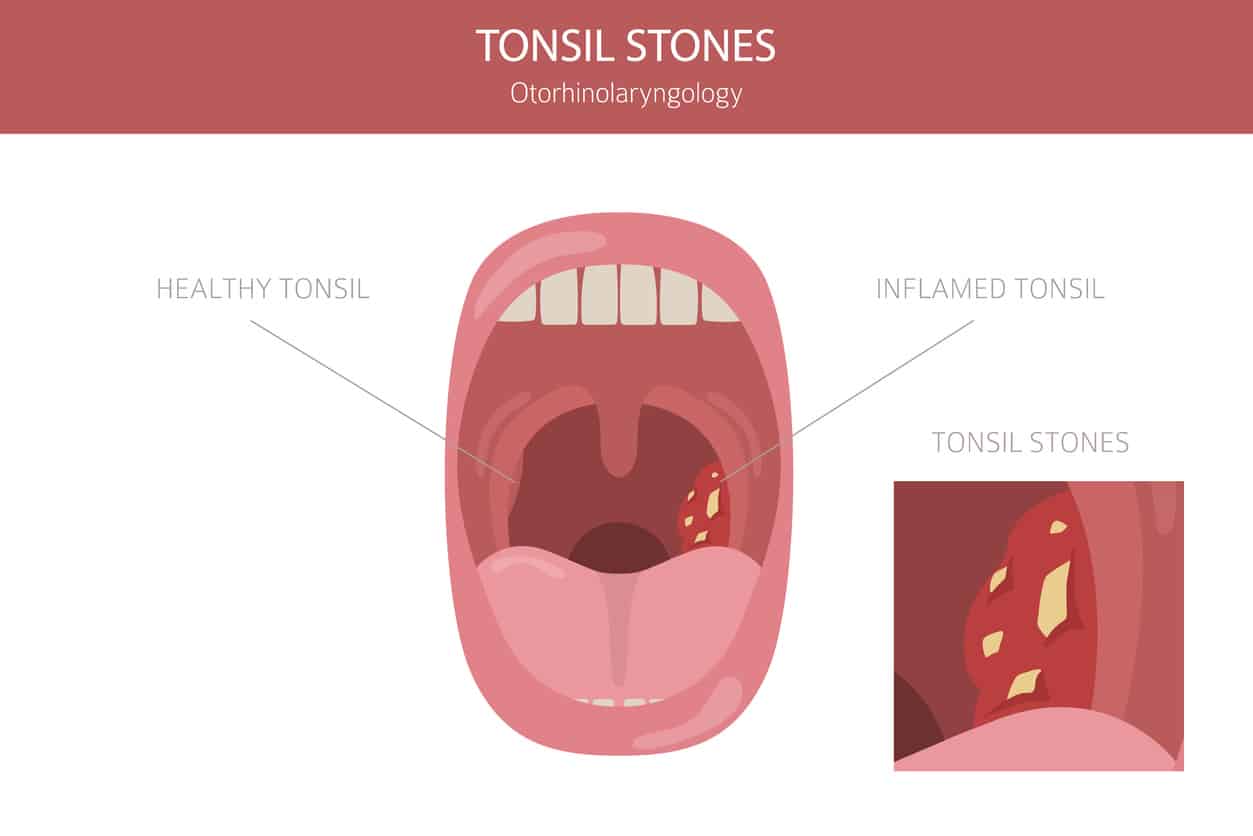
Tonsil stones, also known as tonsilloliths, are small calcified deposits that form in the crevices of your tonsils when food particles, dead cells, mucus, and bacteria become trapped. These foul-smelling lumps can cause persistent bad breath, throat discomfort, and a feeling of something stuck in your throat. While not dangerous, they can be embarrassing and uncomfortable.
Using a water flosser offers a safe, non-invasive way to flush out tonsil stones at home without the pain or infection risk of manual removal. This guide covers step-by-step techniques, expert-backed prevention strategies, and clear warning signs that mean it’s time to see a doctor.
Prepare Your Water Flosser for Tonsil Stone Removal
Before targeting tonsil stones, proper device setup ensures comfort and effectiveness. Fill the reservoir with lukewarm water, as warm water reduces gagging and soothes throat tissue. Cold water can shock sensitive tissue, while hot water risks burns. Assemble the tip securely and check for debris from prior use.
Stand over a sink or in the shower to manage splashing and allow easy disposal of dislodged material. Use a standard jet tip or pik pocket tip, which work best for targeting narrow tonsil crypts. Avoid orthodontic or plaque-removal tips unless your dentist advises otherwise. Ensure the device is fully charged (for electric models) or primed (for manual ones) before starting.
Target Tonsil Stones with Low Pressure Settings
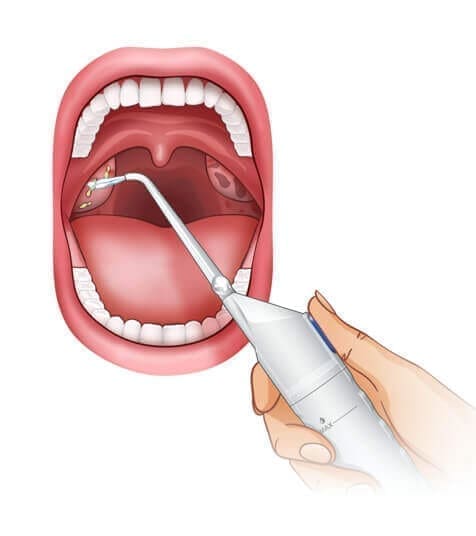
Start on the lowest pressure setting, especially if you are new to water flossing your tonsils. High pressure can irritate sensitive tissue, trigger gagging, or even cause bleeding. Dr. Nagesh Chakka, dentist at Positive Dental Health in Australia, recommends beginning gently and activating the flosser only after positioning the tip.
Open your mouth wide and use a mirror to locate the tonsil area. Identify any visible white or yellow spots, which are likely stones lodged in the crypts. Gently insert the flosser tip into your mouth, angling it toward the back corner where the tonsil sits.
Do not push the tip deep into your throat. Instead, hold it about half an inch away and direct short pulses of water at the stone. Focus on one crypt at a time, holding the stream steady for 10 to 20 seconds per spot. Spit immediately after each burst and never swallow the expelled water, as it contains bacteria and decomposed material.
Choose Between Electric and Manual Water Flossers
Electric Models Deliver Consistent Power
Electric water flossers like Waterpik or Philips Sonicare deliver a continuous, adjustable stream of pulsating water, making them more effective for stubborn or recurring tonsil stones. Their consistent pressure allows deeper cleaning in hard-to-reach crypts.
Best practices for electric models include setting to minimum intensity first, using short bursts rather than continuous spray, and repeating application 2 to 3 times if the stone does not release immediately. Clean the reservoir and tip after each use. These devices are ideal for daily oral hygiene and long-term tonsil maintenance, though they may feel overwhelming for those with severe gag reflexes.
Manual Options Provide Gentle Control
Manual water flossers like Oravix are battery-free, quiet, and easier to control. They require pumping 2 to 3 times to build pressure, allowing you to regulate flow intensity manually. These devices offer full control over water release and are ideal for travel or sensitive users.
While less powerful than electric versions, manual flossers work well for soft, surface-level stones. Fill with warm water, pump to pressurize, aim at the tonsil, and release in short bursts. They are perfect for cautious beginners or those avoiding loud devices.
Reduce Gagging with Proven Techniques
Position Your Head Forward
Leaning slightly forward over the sink helps water drain out of your mouth instead of trickling down the back of your throat, which is a major gag trigger. Keep your chin down and mouth open wide. This posture also improves visibility and control when aiming the flosser.
Activate the Tip After Placement
Many users accidentally trigger their gag reflex by turning on the device too soon. Reddit user dabxsoul shares a key tip: put the tip in your mouth, aim it at the tonsil, then turn it on. The surprise of sudden water flow makes gagging much worse.
Modify the Nozzle for Softer Spray
Some users snip the very end of the flosser tip slightly to reduce water pressure, transforming a forceful stream into a gentler rinse. This DIY hack turns aggressive flossing into a soothing irrigation ideal for sensitive tonsils. Only trim minimally and inspect the tip regularly for cracks or wear. Replace every 3 to 6 months for hygiene and performance.
Try Throat Numbing Spray for Extreme Sensitivity
For extreme sensitivity, Dr. Maria Cespedes suggests using an over-the-counter throat numbing spray before starting. This temporarily dulls the area, making the process more comfortable. Follow product instructions and avoid excessive use.
Handle Stubborn Stones That Will Not Dislodge
Soften Stones with Salt Water Gargle First
If the water flosser is not working, do not force it. Instead, gargle with warm salt water (half a teaspoon of salt in 8 ounces of warm water) for 30 seconds before retrying. Saltwater helps break down biofilm, reduce inflammation, and soften the stone surface, making it easier to flush out.
Wait 5 to 10 minutes between attempts to let your throat relax. Repeat the flossing process up to three times. Often, a stone that resists at first will release after pretreatments.
Recognize When Stones Are Too Deep
Not all tonsil stones respond to home care. Large, hard, or deeply embedded stones may require professional removal. According to Dr. Cespedes, success depends on the size, hardness, and location of the stone. Surface-level, soft formations are far more likely to come out with irrigation.
If you see no improvement after multiple sessions or experience pain, bleeding, or swelling, stop using the device and consult an ENT specialist.
Prevent Tonsil Stones with Daily Flushing
Flush Crypts After Meals
The best way to prevent tonsil stones is to keep the crypts clean. Food debris and bacteria accumulate quickly, especially after eating. Using your water flosser once or twice daily, particularly after meals, can significantly reduce buildup.
Dr. Maria Knobel, Medical Director of Medical Cert UK, explains that regular flushing removes trapped particles and minimizes bacterial growth in tonsil pockets. This reduces inflammation and lowers the risk of stone formation. Even if you do not have current stones, preventive rinsing supports long-term throat health.
Combine With Full Oral Hygiene Routine
Water flossing alone is not enough. For maximum prevention, brush your teeth twice daily, scrape your tongue to remove odor-causing bacteria, floss between teeth to reduce overall bacterial load, and stay hydrated to prevent dry mouth. These habits work together to limit the anaerobic environment where tonsil stones thrive.
Stop Bleeding and Pain Immediately
Discontinue Use If You Bleed
Some users report bleeding or pain even on low settings. This may indicate overly aggressive use, inflamed tonsils, or an underlying infection. If you notice blood, stop using the flosser immediately, rinse with cool salt water, and avoid further irrigation for 24 to 48 hours. Monitor for signs of infection like fever, swelling, or pus. Persistent bleeding requires evaluation by a healthcare provider.
Never Force the Tip Into Throat
Never shove the flosser tip deep into your throat or press it against soft tissue. This can cause micro-tears and irritation. Maintain a gentle distance and let water pressure do the work, not physical probing.
Know When to See a Doctor
Persistent Stones Need Professional Care
If tonsil stones keep coming back despite regular water flossing, you may need medical intervention. ENT specialists can visually confirm stone presence with a scope, remove stubborn stones safely in-office, and evaluate for chronic tonsillitis or deep crypts. Recurrent cases may benefit from laser cryptolysis, a procedure that smooths out tonsil crevices to prevent future trapping.
Rule Out Other Causes of Bad Breath
Not all bad breath comes from tonsil stones. Similar symptoms can stem from sinus infections (with post-nasal drip smelling like urine), digestive issues (producing sulfur gases that smell like rotten eggs), or gum disease and tongue coating. If you do not see visible stones and irrigation does not help, consider seeing a dentist or doctor to explore other causes.
Optimize Device Use With Expert Tips
Use Lukewarm Water for Comfort
Cold water can shock sensitive tissue and worsen gagging. Hot water risks burns. Lukewarm water is ideal, comfortable, soothing, and effective at loosening debris.
Clean and Replace Tips Regularly
Bacteria can grow inside the reservoir and nozzle over time. After each use, empty remaining water, rinse the tip and reservoir, and air-dry completely. Replace tips every 3 to 6 months to maintain hygiene and pressure efficiency.
Try the Shower Method for Relaxation
Reddit user sunscreenandpretzels recommends using the water flosser in the shower. It relaxes the jaw, eliminates worry about mess, and the steam opens up the throat. The calming environment helps reduce anxiety and improves control during use.
Frequently Asked Questions About Using a Water Flosser for Tonsil Stones
Can a water flosser completely remove tonsil stones?
Water flossers work best for small, soft, surface-level tonsil stones. They can effectively flush out debris from tonsil crypts, but large, hard, or deeply embedded stones may not respond to irrigation alone and may require professional removal by an ENT specialist.
How often should I use a water flosser to prevent tonsil stones?
For prevention, using a water flosser once or twice daily, especially after meals, can help keep tonsil crypts clean and reduce debris accumulation. For active stones, use as needed when you feel a stone is bothersome or not falling out naturally.
Is it safe to use a water flosser on tonsils every day?
Yes, daily use is generally safe when using low pressure and proper technique. However, if you experience pain, bleeding, or irritation, reduce frequency and consult a healthcare provider. Overaggressive use can cause tissue damage.
What pressure setting should I use for tonsil stone removal?
Always start on the lowest pressure setting. High pressure can trigger gagging, cause bleeding, or irritate sensitive throat tissue. Most users find success on the lowest setting with repeated bursts rather than high pressure.
Why do I keep getting tonsil stones repeatedly?
Recurring tonsil stones often result from large or deep tonsillar crypts that trap more debris. Chronic post-nasal drip, poor oral hygiene, or dry mouth can also contribute. If stones recur frequently, consult an ENT specialist about professional treatment options like laser cryptolysis.
Key Takeaways for Using a Water Flosser for Tonsil Stones
Using a water flosser for tonsil stones is a safe, effective strategy for removing and preventing small, superficial tonsilloliths when done correctly. The key techniques include starting on low pressure, using lukewarm water, aiming precisely at tonsil crypts rather than forcing the tip deep into your throat, and spitting out all debris rather than swallowing.
Combine water flossing with good oral hygiene practices including brushing, tongue scraping, and regular dental checkups for comprehensive prevention. If stones persist despite multiple attempts, or if you experience pain, bleeding, or swelling, stop home treatment and consult an ENT specialist promptly. With the right approach and patience, you can eliminate discomfort and chronic bad breath while maintaining a cleaner, healthier throat.