If you notice blood when brushing or flossing, do not ignore it. Bleeding gums are not normal. They are a clear sign of early gum disease, most commonly gingivitis, caused by plaque buildup along and below the gumline. Left untreated, this inflammation can progress to periodontitis, leading to tooth loss and even systemic health risks. The good news is that gingivitis is reversible, and a water flosser for bleeding gums is one of the most effective tools to stop the bleeding fast.
Clinical studies show water flossers are up to twice as effective as string floss at reducing gum bleeding and up to 29 percent better at removing plaque. Unlike traditional floss, which relies on friction, water flossers use a pulsating stream of water to flush out bacteria from tight spaces between teeth and deep under the gums, exactly where inflammation starts. In this guide, you will learn how water flossers work to reverse gingivitis, the best techniques for use, which models deliver real results, and how to build a complete routine that stops bleeding within weeks, not months.
How Water Flossers Fight Bleeding Gums
Disrupts Plaque Below the Gumline
Plaque forms constantly, especially in the narrow gaps between teeth and just beneath the gums, areas a toothbrush cannot reach. This biofilm triggers inflammation, leading to redness, swelling, and bleeding. A water flosser targets these hidden zones with a pulsating water stream that penetrates up to 6mm below the gumline, disrupting plaque and flushing out debris and bacteria.
Unlike string floss that scrapes surface plaque, water flossers use hydrodynamic action. The force and rhythm of water destabilize bacterial colonies without irritating sensitive tissue. This makes it ideal for inflamed gums that may bleed more with aggressive flossing.
Reduces Inflammation and Bleeding Fast
Clinical trials confirm that daily water flossing significantly reduces gingival bleeding within two weeks. One study found users experienced up to 85 percent less bleeding after four weeks compared to brushing and flossing alone. The pulsation also stimulates blood flow to gum tissue, encouraging faster healing and improved tone.
Because water flossers are easier and more comfortable to use, people stick with them, boosting compliance and long-term results.
Superior to String Floss for Sensitive Gums
While traditional floss can cause micro-tears or increased bleeding in already tender gums, water flossers clean gently. They are especially effective for people with braces or aligners, dental implants or bridges, receding gums or deep pockets, and arthritis or limited dexterity. You get deep cleaning without the pain, making consistency possible.
Why Waterpik Works Best for Bleeding Gums
PrecisionPulse Technology for Deep Cleaning
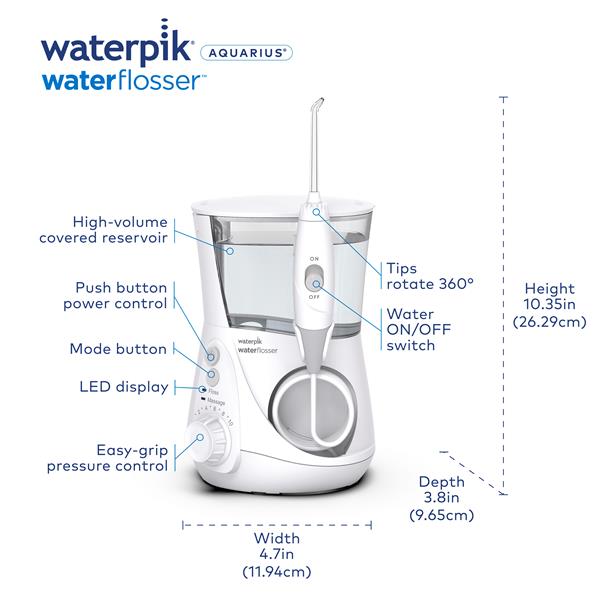
Waterpik leads the market with PRECISIONPULSE TECHNOLOGY, delivering 1,200 to 1,400 pulses per minute, optimized to remove plaque without damaging delicate gum tissue. This calibrated pulsation is clinically proven to clean deeper than manual or string methods.
The Waterpik Aquarius model is a top choice for gum health, offering adjustable pressure from 10 to 90 psi for sensitive or healing gums, a 650 mL reservoir enough for a full session without refill, and five customizable tips for different needs. Start low and gradually increase pressure as your gums heal and become less reactive.
Specialized Tips for Gum Healing
Using the right tip maximizes results. For bleeding gums, consider the Classic Jet Tip for general use and effective daily plaque removal, the Periodontal Tip for a softer, broader spray for deep pockets or post-treatment care, the Plaque Seeker Tip that combines water jet with micro-bristles to boost plaque disruption, and the Orthodontic Tip for cleaning around braces and wires where food and plaque hide. Replace tips every three to six months for optimal performance.
Clinically Proven Results
Waterpik is the most researched oral irrigator brand, with over 50 clinical studies supporting its effectiveness. Key findings include being twice as effective as floss at reducing gingival bleeding, 74 percent greater reduction in plaque than string floss, and 93 percent of users reported healthier-looking gums within four weeks. Dentists consistently recommend Waterpik for patients with early gum disease.
How to Use a Water Flosser for Bleeding Gums
Step-by-Step Routine
Follow this systematic approach for maximum effectiveness.
-
Prepare the device. Fill the reservoir with lukewarm water, as cold can cause sensitivity and hot water can damage seals. Add antimicrobial mouthwash diluted one-to-one with water if advised by your dentist, but avoid alcohol-based rinses because they can dry tissue and worsen irritation. Attach the Classic or Periodontal Tip depending on your sensitivity level. Set pressure to low if gums are actively bleeding. You can increase later.
-
Floss properly. Lean over the sink and place the tip in your mouth before turning on the device to avoid sudden water bursts. Close lips slightly to prevent splashing, but allow water to flow out. Aim the tip at a 90-degree angle to the gumline, not straight into the gums. Start at the back molars and move forward, pausing one to two seconds per tooth. Trace along both the front and back of each tooth, following the curve of the gum. Total time should be one minute for full coverage.
-
Integrate into your routine. You can water floss before or after brushing. Both methods work effectively. Water flossing first loosens debris so brushing removes it. Brushing first removes surface plaque, then water flossing flushes interdental areas. Many dentists recommend brushing last to sweep away dislodged bacteria. Use once daily for maintenance, twice daily if you have active gingivitis.
What to Expect in the First Few Weeks
During days one through three, gums may still bleed. This is normal as inflamed tissue adjusts to the new cleaning action. By week two, bleeding decreases significantly and gums appear less red and swollen. By week four, gums feel firmer, look pinker, and stop bleeding during cleaning. Consistency is key. Do not stop if bleeding persists early on because this is part of the healing process.
Best Water Flosser Settings for Sensitive Gums
Start Low and Increase Gradually
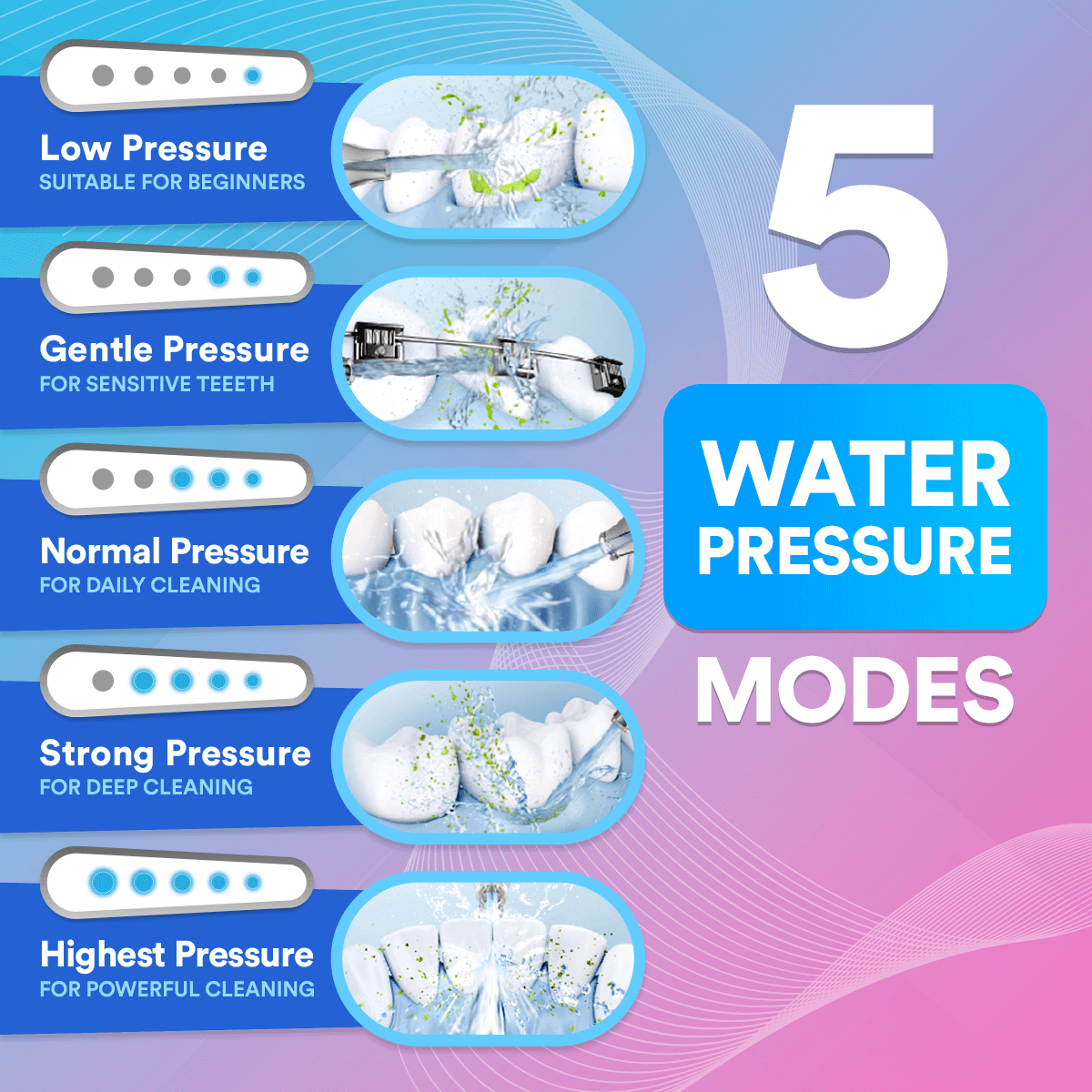
If your gums bleed easily, begin at the lowest pressure setting, 10 to 30 psi. This gentle flow cleans without trauma. As inflammation reduces over one to two weeks, slowly increase to medium, 40 to 60 psi, for deeper cleaning. Avoid high pressure initially because it can worsen irritation.
Choose the Right Tip
The Periodontal Tip is designed for deep pockets and post-surgical healing. It is ideal if you have had scaling or notice food trapping. The Soft-Picks Alternative provides rubber-tip interdental cleaners for midday use to remove debris without re-irritating tissue.
Use Lukewarm Water
Cold water can trigger sensitivity and make bleeding worse. Warm water feels soothing and encourages compliance. Fill your reservoir with lukewarm water for the most comfortable experience.
Combine With These Tools for Faster Healing
Electric Toothbrush for Better Plaque Removal
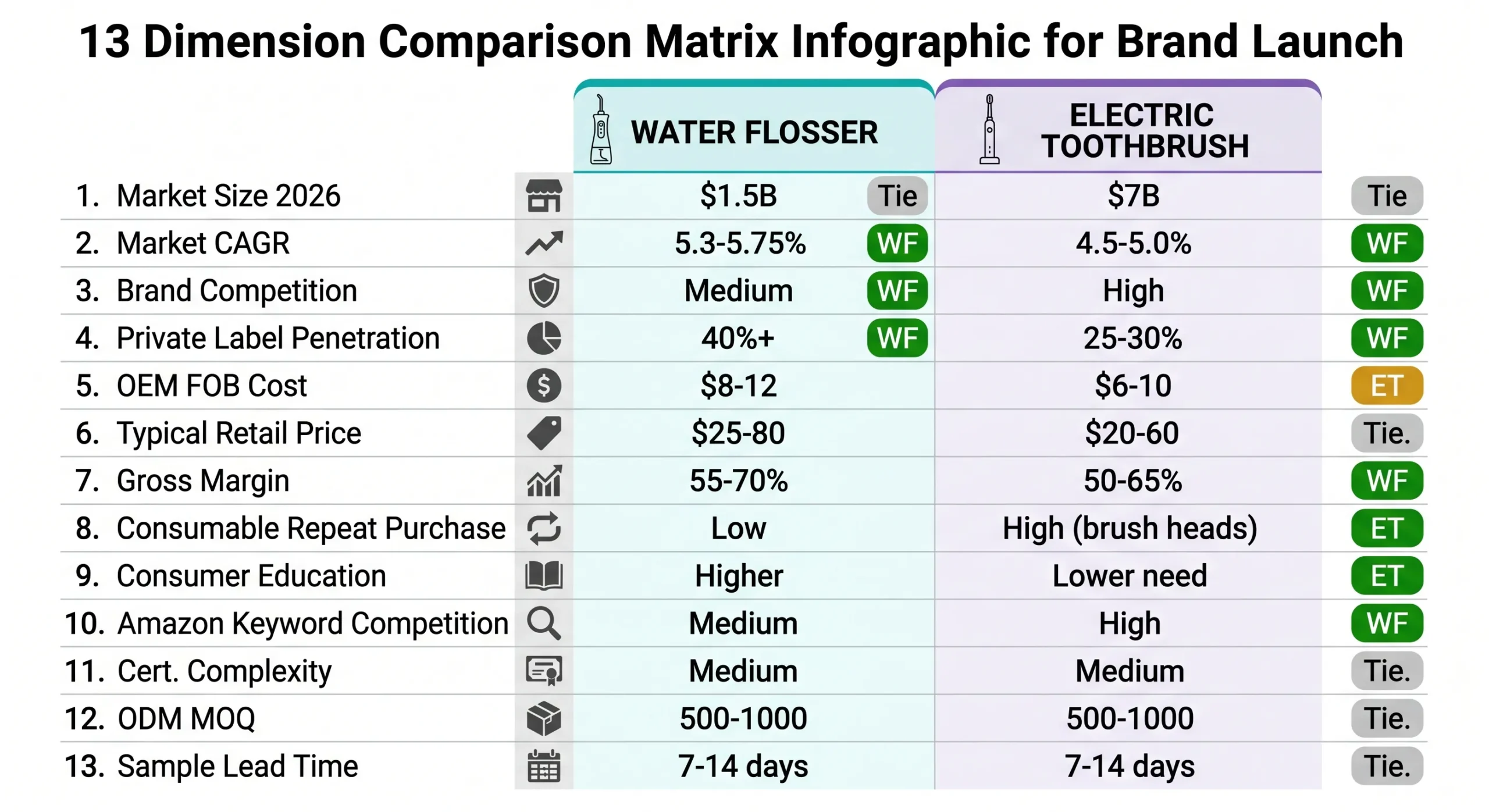
Pair your water flosser with a soft-bristled electric toothbrush. Oscillating or sonic models remove two to seven times more plaque than manual brushing. Focus on brushing for two full minutes and holding the brush at a 45-degree angle to the gumline. Replace brush heads every three months. The Waterpik Complete Care model combines both tools in one unit, ideal for streamlining your routine.
Soft-Picks for On-the-Go Cleaning
Soft-Picks are flexible, rubber-tipped tools that clean between teeth and massage gums without abrasion. Use them after lunch or snacks, when you cannot water floss, and as a gentler alternative to string floss. They are safe for braces, implants, and bridges.
Antimicrobial Mouthwash
Rinse with an alcohol-free antimicrobial such as Listerine Zero with essential oils, Chlorhexidine by prescription for short-term use, or Cetylpyridinium chloride rinses. Avoid alcohol-based rinses because they dry the mouth and can worsen bleeding.
Sample Daily Routine to Reverse Gingivitis
Morning Routine
- Brush for two minutes with an electric toothbrush and fluoride toothpaste.
- Water floss for one minute at low pressure using the Classic Jet Tip.
- Rinse for 30 seconds with alcohol-free antimicrobial mouthwash.
Afternoon Routine
Use Soft-Picks for a quick clean after lunch.
Evening Routine
- Brush for two minutes.
- Water floss for one minute, increasing pressure if tolerated.
- Optionally apply a dentist-recommended gum gel containing hyaluronic acid or chlorhexidine to soothe and protect overnight.
Stick to this routine for two to four weeks, and most people see dramatic improvement with less bleeding, firmer gums, and fresher breath.
Lifestyle Changes That Support Gum Healing
Stay Hydrated
Dry mouth leads to more bacteria. Saliva naturally cleanses the mouth. Drink six to eight glasses of water daily to maintain flow and neutralize acids.
Eat an Anti-Inflammatory Diet
Support gum repair with vitamin C-rich foods like oranges, bell peppers, and broccoli, as deficiency causes scurvy-like bleeding. Add antioxidants from berries, spinach, and nuts to reduce oxidative stress in gum tissue. Include calcium and vitamin D to support bone health around teeth. Limit sugar and acidic foods because they feed harmful bacteria.
Quit Smoking
Smoking masks bleeding by reducing blood flow, delaying diagnosis. It also weakens immune response, increases tartar buildup, and slows healing after treatment. Quitting is one of the best things you can do for gum health.
Manage Stress
Chronic stress suppresses immunity, making you more prone to infections like gingivitis. Practice getting seven to eight hours of sleep daily, incorporate exercise into your routine, and try mindfulness or meditation to reduce stress levels.
When to See a Dentist
Even with perfect home care, some cases need professional help.
Seek Care If
You should see a dentist if there is no improvement after four weeks of consistent water flossing, bleeding continues beyond mild spotting, you see hard yellow tartar near the gumline that cannot be removed at home, gums feel loose or receding, or you have persistent bad breath or a bad taste.
What the Dentist Will Do
The dentist will perform periodontal probing to measure pocket depth, with healthy measurements being one to three millimeters and at-risk measurements being four millimeters or more. They may recommend scaling and root planing for deep cleaning below the gumline to remove plaque and tartar. Antibiotics may be prescribed if infection is advanced. For severe recession, gum grafting or surgery could be necessary. Many dentists prescribe water flossers after treatment to maintain results and prevent recurrence.
Frequently Asked Questions About Water Flosser for Bleeding Gums
Should I use water flosser before or after brushing?
Either works. Many prefer brushing last to remove debris loosened by flossing. Try both and see what feels cleaner.
Can I use mouthwash in the reservoir?
Yes, dilute antimicrobial rinse one-to-one with water. Never use undiluted chlorhexidine or alcohol-heavy rinses because they can damage internal parts.
Is it normal for gums to bleed when starting?
Yes. Inflamed tissue may bleed for the first few days as it adjusts. If bleeding persists beyond four weeks, see your dentist.
Can water flossers cure gum disease?
They reverse gingivitis effectively but cannot cure periodontitis alone. Deep pockets and bone loss require professional treatment. However, water flossers are essential for maintenance and prevention.
Are water flossers safe with braces or implants?
Yes, and highly recommended. Use the Orthodontic Tip for braces and Standard or Periodontal Tip for implants to prevent peri-implantitis.
How often should I replace the tip?
Replace every three to six months, or sooner if worn or damaged. Label tips to track usage.
Final Thoughts on Using a Water Flosser for Bleeding Gums
A water flosser for bleeding gums is not just a convenience. It is a clinically proven tool to reverse gingivitis, reduce inflammation, and restore healthy pink gums. When used daily with proper technique, especially with a trusted brand like Waterpik, you can stop the bleeding in as little as two weeks. Pair it with an electric toothbrush, Soft-Picks, and healthy habits for complete protection. But remember, if bleeding persists beyond one month of consistent use, see your dentist. Early intervention saves teeth.