If your gums bleed when you brush, food constantly gets stuck in the back teeth, or you dread the struggle of threading floss around braces or dental work, you are not alone. Millions skip interdental cleaning because traditional flossing is awkward, painful, or time-consuming. A water flosser offers a powerful alternative that uses a targeted stream of pulsating water to clean between teeth and below the gumline, where brushing alone cannot reach.
Research shows that using a water flosser daily can remove up to 29% more plaque than string floss and reduce gum bleeding by up to 50%. Whether you have implants, braces, deep gum pockets, or simply want a gentler way to clean, the benefits of using a water flosser go far beyond convenience. This guide explores how water flossing improves gum health, simplifies cleaning around dental work, and boosts long-term compliance.
Deep Cleaning Below the Gumline

Traditional floss can only reach about 2 to 3 millimeters below the gumline, leaving deeper periodontal pockets untouched. A water flosser delivers pulsating water up to 7 millimeters beneath the gums, effectively flushing out bacteria from these hidden zones. This deep irrigation prevents plaque from hardening into tartar on tooth roots, a major cause of bone loss and advancing gum disease.
Daily use disrupts bacterial colonies before they trigger inflammation or deepen pocketing. Dentists often see measurable improvements in patients who start water flossing, including reduced probing depths and less bleeding during cleanings. For those undergoing non-surgical gum therapy, water flossing acts as a powerful home-care tool that supports healing and long-term stability.
Reaching Tight and Hard-to-Reach Areas
The back molars are notorious for trapping food and plaque, yet they are the hardest to clean with string floss. Many people skip them entirely, increasing their risk of decay and gum issues. A water flosser allows you to aim the tip directly behind the last teeth. The sweeping motion of the water jet cleans multiple surfaces at once, including the gumline and interdental spaces.
If your teeth are tightly spaced, traditional floss can shred or snap when forced between contacts. Water flossing bypasses this issue entirely. Instead of relying on physical friction, it uses hydrodynamic force to disrupt plaque and wash away debris. This means even the tightest gaps get cleaned without damaging floss or irritating gums.
Simplifying Care for Bridges and Dental Work
Fixed dental bridges create a gap underneath the false tooth where food and bacteria accumulate. This area is nearly impossible to clean with regular floss unless you use a floss threader, which many find tedious. A water flosser solves this by directing the stream directly under the bridge, flushing out trapped particles and biofilm.
Floss threaders are slow, fiddly, and hard to use for those with arthritis or poor vision. Water flossing eliminates the need for threaders altogether. You simply point the tip into the space and let the water do the work. Within seconds, debris is flushed out without manual threading or awkward hand movements. This simplicity dramatically increases compliance, especially for those who once skipped flossing because it was too hard.
Protecting Dental Implants from Infection

Dental implants are durable but vulnerable to peri-implantitis, an infection caused by bacterial buildup around the implant. Unlike natural teeth, implants do not have a periodontal ligament, so inflammation can progress rapidly, leading to bone loss and potential failure. Water flossing is one of the most effective ways to prevent this condition.
The pulsating water cleans the peri-implant sulcus without damaging the soft tissue seal. It removes biofilm gently but thoroughly, preserving the biological barrier that protects the bone. For patients with full-arch restorations like All-on-4, cleaning under the acrylic base is crucial. A water flosser allows you to direct the jet along the prosthesis margins and under the false gums, clearing debris that would otherwise cause odor or infection.
Superior Plaque Removal Compared to String Floss
Multiple studies confirm that water flossers remove up to 29% more plaque than string floss when used daily. The pulsating action disrupts biofilm more effectively, especially in anatomically complex areas like furcations and subgingival pockets. Unlike static floss, which relies on friction, the hydrodynamic force of water penetrates deeper and covers more surface area.
The American Dental Association has awarded its Seal of Acceptance to several water flossers, recognizing their safety and efficacy in reducing gingivitis and plaque. This seal means the device has passed rigorous clinical testing. Some dentists recommend a three-step protocol for maximum protection: hand floss first to break tight contacts, brush teeth to remove surface plaque, then water floss to flush out remaining debris and bacteria.
Gentle Care for Sensitive or Bleeding Gums
If traditional flossing makes your gums bleed or hurt, you are not alone. Inflamed or receding gums react poorly to the abrasive action of floss. A water flosser offers a gentler alternative that cleans without scraping. The soft pulsations massage the gums, improving circulation while removing plaque.
Most users report less bleeding within days of starting. As gum health improves, the tissues become firmer and less reactive. This makes water flossing ideal for people with gingivitis, post-surgical healing, or sensitive tissue due to age or medical conditions. Dentists often recommend water flossing during recovery because it cleans without disturbing healing sites.
Customizable Tips for Every Dental Need
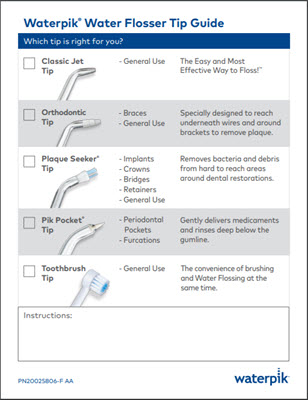
One of the biggest advantages of water flossers is the range of interchangeable tips designed for specific dental conditions. Most models come with several attachments that allow you to customize your cleaning. The standard jet tip works for everyday use, while the plaque seeker tip targets plaque around crowns, bridges, and implants.
The orthodontic tip has a tapered design that fits snugly around brackets, flushing out debris without getting caught. It is far more effective than string floss, which often requires threaders and misses hidden areas. The periodontal pocket tip delivers deeper subgingival irrigation, while the surgical tip provides softer design for post-op care. Switching tips takes seconds, and many users keep color-coded tips for different family members or conditions.
Visible Gum Health Improvements in Weeks
Consistent water flossing leads to measurable improvements in gum health within about two weeks. Users commonly report less bleeding when brushing, reduced redness and swelling, firmer pinker gum tissue, and fresher breath. Dentists confirm these changes during checkups, noting shallower probing depths and less inflammation.
The pulsating water not only removes bacteria but also stimulates blood flow, encouraging tissue repair and cellular regeneration. This dual action makes water flossing a powerful tool for reversing early gum disease. Over time, regular use helps maintain a stable periodontal environment, and patients with a history of gum disease experience fewer flare-ups and less pocket progression.
Higher Compliance and Easier Daily Routine
One of the biggest challenges in dentistry is getting people to floss regularly. Surveys show that only 30% of Americans floss daily. Water flossers change that by making interdental cleaning more enjoyable and less tedious. Many users describe the experience as refreshing, and the absence of string increases motivation.
Time is a major barrier to flossing. Threading floss under a bridge or around braces can take 5 to 10 minutes. With a water flosser, the same cleaning takes about two minutes. You move the tip systematically from one side of the mouth to the other, pausing briefly between teeth. This efficiency makes it more likely you will stick with it.
Ideal for People with Dexterity Challenges
Arthritis, carpal tunnel, Parkinson, or stroke-related weakness can make traditional flossing nearly impossible. The fine motor control needed to wrap and slide floss between teeth is often beyond reach. Water flossers require only a trigger squeeze and basic aiming, skills most people retain even with limited hand function.
The ergonomic wand is lightweight and easy to grip. Most models can be operated with one hand. Caregivers assisting others with oral hygiene find water flossers faster and more effective than manual methods. They can clean hard-to-reach areas without straining the patient or themselves. For individuals in assisted living or rehabilitation, a water flosser promotes independence and dignity.
Models to Fit Every Lifestyle
Water flossers come in three main types to fit different needs. Countertop models feature large reservoirs of 600 to 800 milliliters and multiple pressure settings, ideal for home use. Portable cordless models are compact and battery-powered, great for travel or small bathrooms. Shower-mounted models attach to the showerhead, keeping the sink dry and reducing clutter.
Most models offer 10 to 100 PSI pressure settings, allowing customization for sensitivity or specific conditions. Start low and increase as your gums adapt. Some advanced models include timer alerts for 30-second quadrants, pulse massage mode for gum stimulation, automatic shut-off, and tip storage with travel cases.
What Dentists Observe in Water Flosser Users
Dental professionals consistently see better periodontal health in water flosser users. During cleanings, they note less bleeding on probing, reduced inflammation, cleaner implant and bridge margins, and healthier gum color and texture. These changes often appear within a few visits.
Many dentists now recommend water flossers to patients with gum disease, implants, braces, or dexterity issues. Some even say they can tell who is using a water flosser just by looking. That is how significant the difference can be. While not every dentist agrees that water flossers should replace string floss entirely, most recognize their value as a powerful adjunct in preventive care.
Frequently Asked Questions About Water Flossers
Does a water flosser replace traditional flossing?
For many users, water flossing alone provides excellent results, especially if they have never flossed regularly before. However, some dental professionals recommend combining water flossing with string flossing for maximum cavity protection, particularly in high-risk individuals.
How long does it take to see results from using a water flosser?
Most users notice improvements in gum health within about two weeks, including reduced bleeding and less gum inflammation. Consistent daily use leads to the best results over time.
Is water flossing safe for dental implants?
Yes, water flossing is gentle yet highly effective for maintaining hygiene around dental implants. It helps prevent peri-implantitis by cleaning the peri-implant sulcus without damaging soft tissues.
Can children use water flossers?
Yes, many parents find that children are more willing to participate in oral care when a water flosser is involved. The orthodontic tip is specifically designed for cleaning around braces and brackets.
How often should I replace the tips on my water flosser?
Most manufacturers recommend replacing tips every three to six months, or sooner if worn or damaged. Regular replacement ensures optimal cleaning performance and hygiene.
Key Takeaways for Better Oral Health with Water Flossers
Water flossers offer scientifically backed benefits that go well beyond what traditional string floss can achieve. They clean deeper below the gumline, reach difficult areas behind molars, simplify care for bridges and implants, and remove more plaque with less effort. The gentle pulsating water action makes them ideal for sensitive gums, and the variety of specialized tips allows customized care for every dental condition.
The biggest advantage may be the increased compliance that comes from easier, more enjoyable daily use. When people actually stick to interdental cleaning, their oral health improves dramatically. Dentists consistently observe healthier gums, less bleeding, and better outcomes in patients who use water flossers regularly.
For optimal results, choose a model with ADA acceptance, use the appropriate tip for your dental needs, maintain consistent daily use, and follow proper cleaning and maintenance protocols. Whether used alone or combined with string flossing, a water flosser can transform your oral care routine and contribute to healthier gums, fresher breath, and long-term dental wellness.