Water flossers have become increasingly popular, with brands like Waterpik and usmile advertising them as superior alternatives to traditional string flossing. These devices use pressurized water streams to clean between teeth and below the gumline, promising easier and more effective oral care. While water flossers do offer genuine benefits for certain individuals, particularly those with braces, implants, or limited dexterity, they come with significant drawbacks that many consumers overlook when making a purchase decision.
The truth is, water flossers are not the magic solution marketing makes them out to be. Despite their convenience and comfort, they cannot fully replace string floss, carry substantial ongoing costs, and introduce practical hassles like mess, maintenance, and power dependence. Understanding these disadvantages is essential before investing in a device that may not deliver on its promises.
This guide breaks down the key disadvantages of water flossers based on dental expert opinions, clinical research, and real-world user experiences. You will learn why most dentists still recommend string floss, how costs add up over time, and what practical challenges can make daily use frustrating.
Water Flossers Do Not Fully Replace String Floss
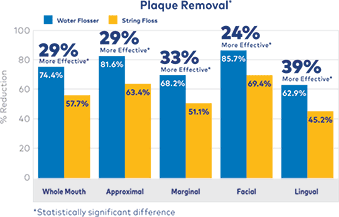
Dental professionals consistently emphasize that water flossers alone cannot remove all plaque between teeth. While these devices flush out food particles and bacteria, they miss the sticky biofilm that clings tightly to tooth surfaces, especially in areas where teeth touch.
Water flossers rely on hydrodynamic force rather than physical friction. They disrupt plaque but do not scrape it away like string floss does. Tight interdental spaces, common in adult molars, are often too narrow for water jets to penetrate fully. Dr. Daniel Florian, DMD, warns that using only water flossers without string floss can still result in cavities between teeth.
Studies show water flossers reduce gingivitis and bleeding, but they do not outperform string floss in plaque removal at contact points. Only mechanical flossing physically breaks the plaque bridges between teeth. For optimal oral health, dental experts recommend using string floss first to loosen and remove plaque, then following with water flossing to flush residual debris and reach below the gumline.
High Initial and Ongoing Costs
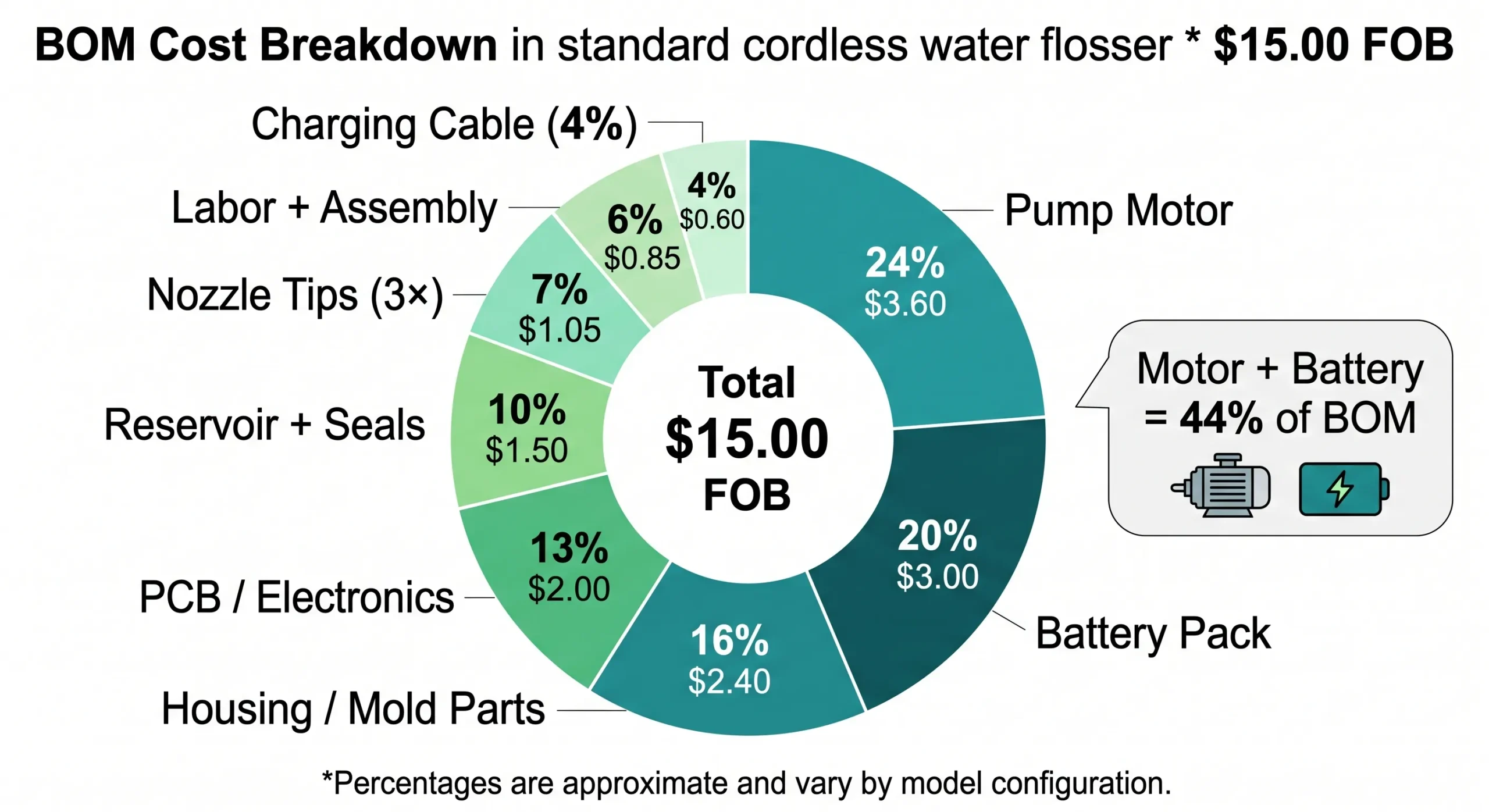
Switching to a water flosser involves significantly higher expenses than traditional flossing. Entry-level models start around $30, while mid-range and premium units cost $70 to over $100. Cordless travel-ready versions often exceed $90.
Beyond the initial purchase, recurring costs add up quickly. Replacement tips cost $10 to $20 per pack and need replacement every 3 to 6 months. Many brands, especially Waterpik, use proprietary designs that limit cheaper third-party options. Over five years, these ongoing expenses can total $100 to $150 or more, transforming a convenient upgrade into a substantial long-term investment.
Compare this to the $3 to $5 cost of a 50-day supply of dental floss, and the price difference becomes stark. Budget-conscious consumers should carefully weigh whether the benefits justify the financial commitment.
Power Dependency Creates Daily Hassles
Unlike manual floss, water flossers require electricity or regular charging, making them less reliable and more complicated for daily use. Corded models must stay near a bathroom outlet, creating placement limitations and potential tripping hazards. They also become unusable during power outages.
Cordless models require charging every few days with regular use. Battery life varies significantly between brands and models. Some advertised as lasting weeks may drain faster when used at higher pressure settings. Travelers must pack chargers or power banks, adding bulk to their luggage. Forgetting to charge the device means skipping flossing entirely, breaking your routine.
Bulky Design Creates Storage Challenges
Water flossers take up considerable space, whether at home or on the go. Countertop units with large water tanks weigh 1 to 3 pounds and occupy significant sink space. They are too large for standard toiletry bags and require setup and disassembly with each use.
Even compact portable models require filling with water, charging, and storage for multiple tips. While brands like usmile market travel-friendly designs, most users find water flossers bulkier than a travel toothbrush or simple floss picks. Users with limited bathroom counter space often resort to storing the unit in a cabinet, which reduces convenience and makes daily use less likely.
Messy Operation and Splashback Issues
Water under pressure inevitably creates splashing. First-time users frequently get soaked, and even experienced users deal with splashback onto mirrors, clothing, or floors.
The causes include using the device with an open mouth, incorrect tip angles, and high-pressure settings that increase spray radius. Users must learn to lean over the sink with their mouth slightly closed, start at the lowest pressure setting, and move slowly from back to front teeth. Many experienced users switch to shower flossing to contain the mess and streamline their routine.
Regular Cleaning and Maintenance Required
Water flossers demand consistent upkeep to remain hygienic. After each use, the water reservoir must be emptied to prevent mold and biofilm growth. The tip and tank need rinsing, and the unit should be stored with the cap off to air dry.
Weekly deep cleaning involves soaking the reservoir and tip in white vinegar or hydrogen peroxide diluted with water. Users in areas with hard water must descale monthly to prevent clogs and maintain water flow. Neglecting cleaning leads to pink mold, slime, or foul odors that create both a health risk and a major turnoff.
Learning Curve Requires Time Investment
Despite marketing claims of ease of use, many first-time users struggle significantly. Common challenges include difficulty controlling the water stream, missing back teeth or gumlines, and finding the process takes longer than expected.
Recommended use is approximately 2 minutes, moving systematically from molar to molar. Adding 1 to 2 minutes for setup and cleanup means a total of 3 to 5 minutes per session, compared to 1 to 2 minutes for string floss. Building confidence and efficiency typically takes 3 to 7 days of consistent practice.
Limited Effectiveness in Tight Spaces
Water flossers excel in open areas and around dental work but struggle in tight spaces. Teeth with minimal spacing block water penetration. Firmly adhered mature plaque resists flushing. Flat interdental surfaces where teeth touch side-by-side require physical scraping.
Water flossers shine for cleaning around braces and brackets, implants and bridges, and deep gum pockets reaching 3 to 6 millimeters below the gumline. However, clinical studies confirm that while water flossers reduce gum inflammation, string floss removes more plaque at contact points.
Environmental Impact and Waste Generation
Eco-conscious consumers should consider the sustainability footprint. Replacement tips are typically plastic and non-recyclable. Each session uses 1 to 2 cups of water, more than string floss. Manufacturing and shipping contribute to carbon emissions. The average user replaces 2 to 4 tips per year, creating long-term plastic buildup.
Frequently Asked Questions About Water Flossers
Can I use a water flosser instead of regular floss?
No, water flossers should not replace string floss entirely. They work as a supplement to traditional flossing, not a replacement. Water flossers cannot fully remove sticky plaque from tight interdental spaces where physical friction from string floss is necessary.
Are water flossers worth the money?
This depends on your specific needs. Water flossers benefit people with braces, implants, bridges, or arthritis. However, for most people with healthy teeth and gums, the high cost outweighs the marginal benefits. Budget-conscious consumers should carefully consider whether the expense provides sufficient value.
How often should I replace my water flosser tips?
Most manufacturers recommend replacing tips every 3 to 6 months. Worn or discolored tips lose effectiveness and can harbor bacteria. Regular replacement ensures optimal cleaning performance and hygiene.
Do water flossers cause mess?
Yes, water flossers typically create splashing, especially during initial use. Users can minimize mess by leaning over the sink, starting at low pressure, and gradually increasing as technique improves. Many users find shower flossing an effective solution.
Key Takeaways on Water Flossers
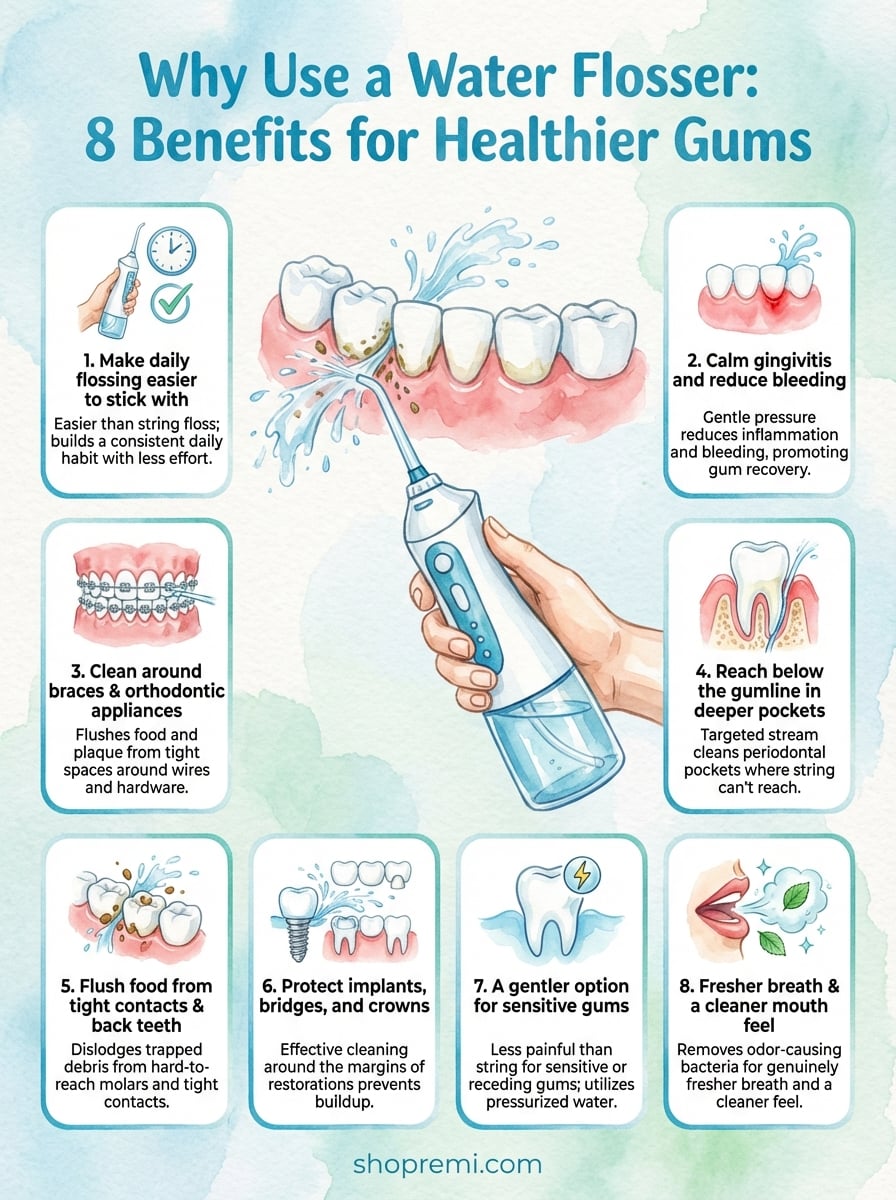
Water flossers offer real benefits for specific populations, particularly those with dental work or limited dexterity. They improve gum health, reduce bleeding, and make cleaning easier for people who struggle with manual flossing. However, they are not a standalone solution and should complement, not replace, traditional string flossing.
The primary drawbacks include incomplete plaque removal in tight spaces, high costs, power dependency, messiness, and maintenance demands. Before purchasing, consider whether your specific needs justify the investment. For most people, a proper routine using string floss plus brushing provides sufficient oral health benefits without the added cost and complexity.