If you use a water flosser daily to maintain your gum health, you’ve probably wondered how often to replace water flosser components and the unit itself. While the device can last years with proper care, knowing when to swap out tips, clean internal parts, and eventually replace the entire unit is essential for hygiene, performance, and long-term oral health. Most users don’t realize that tips degrade every few months and internal mechanisms wear out over time, reducing cleaning effectiveness. This guide breaks down exactly when and why to replace your water flosser and its accessories based on usage, wear, and expert dental recommendations.
Replace Water Flosser Every 3 to 5 Years
Most home water flossers last 3 to 5 years with regular use and proper maintenance. This lifespan depends on build quality, frequency of use, water hardness in your area, and your cleaning habits. Over time, internal components like pumps, seals, and nozzles wear out, leading to noticeable performance issues.
Signs It Is Time to Replace the Unit
Watch for these indicators that your water flosser needs replacing:
- Loss of water pressure: If the stream feels weak even after cleaning the tip and reservoir, the pump may be failing
- Leaks or cracks: Visible water leakage from the base, reservoir, or nozzle indicates structural damage
- Electrical issues: Cordless models that will not charge or power on may have battery failure beyond repair
- Mold or mineral buildup: Persistent mold in hard-to-clean areas suggests the unit can no longer be sanitized effectively
- Outdated technology: Older models may lack adjustable pressure settings or efficient battery life found in newer versions
Replacing the entire unit every few years ensures consistent cleaning power and hygiene, especially important if you have braces, implants, or gum disease.
Change Water Flosser Tips Every 3 to 6 Months
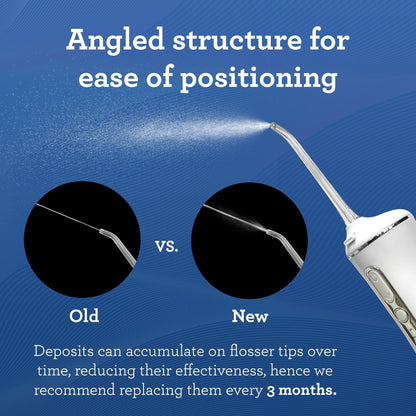
The nozzle tips are the most frequently replaced part. Dentists recommend replacing them every 3 to 6 months, similar to toothbrush head replacement schedules. This timeframe aligns with American Dental Association guidelines for maintaining oral hygiene tools.
Why Replace Tips Regularly
Regular tip replacement matters for several reasons:
- Wear and tear: Over time, the plastic nozzle degrades and the spray pattern becomes less effective at removing debris
- Bacterial buildup: Despite rinsing, tips harbor bacteria, mold, and biofilm that cannot be fully removed with home cleaning
- Discoloration or warping: Yellowing, cloudiness, or bent tips signal it is time for a new one
- Shared use: Color-coded tips help families track usage, but they still need timely replacement to prevent cross-contamination
Specialized Tips and Replacement Needs
Different tip types have varying replacement timelines:
- Orthodontic tip: Designed for braces, replace every 3 months due to frequent food debris exposure
- Plaque Seeker tip: Targets gum pockets, effectiveness drops if worn
- Tongue cleaner tip: Often overlooked, replace every 3 to 4 months to avoid odor-causing bacteria
- Pik Pocket tip: Used for deep periodontal cleaning, follow dentist is advice, often replaced every 3 months
Always rinse tips after use and store them upright to dry. This extends life but does not eliminate the need for regular replacement.
Clean Reservoir and Nozzle Monthly
While not a full replacement, monthly deep cleaning prevents premature device failure and maintains hygiene. This simple routine helps your water flosser last closer to the 5-year mark.
How to Clean the System
- Fill reservoir with equal parts white vinegar and water
- Run the flosser for 1 to 2 minutes to flush internal tubing
- Let sit for 5 to 10 minutes, then rinse thoroughly with clean water
- Use a soft brush to clean the nozzle connector and reservoir base
- For hard water areas, repeat every 2 to 3 weeks to prevent mineral clogs
This routine removes lime scale, mold, and bacteria from hidden parts of the device.
When to Replace Sooner: High-Risk Users
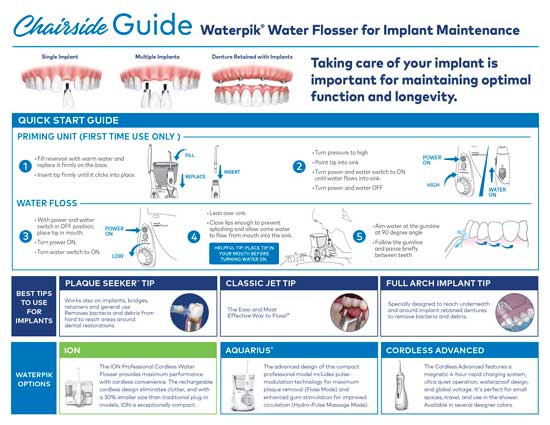
Certain individuals should replace their water flosser and accessories more frequently due to higher hygiene demands. Your specific dental situation may require an accelerated replacement schedule.
Orthodontic Patients
- Replace tips every 3 months: Braces trap food and bacteria, increasing tip contamination faster than normal
- Consider replacing unit after 3 years: Heavy use accelerates wear on motors and seals
Those with Gum Disease
- Use antimicrobial tips and replace every 3 months
- Replace entire unit at first sign of reduced pressure: Inconsistent cleaning can worsen periodontal conditions
Post-Surgical or Implant Patients
- Follow dental protocol: Some dentists recommend disposable tips or more frequent replacements every 2 to 3 months
- Sterilize tips when possible: If autoclavable, do so weekly, otherwise replace more often
Cordless Models: Battery Life Matters
Cordless water flossers are convenient but have a shorter functional lifespan, typically 2 to 3 years, due to battery degradation. The built-in batteries in these models lose capacity over time.
Battery Replacement vs. Full Unit Swap
Consider these factors when deciding whether to replace:
- Most models have non-replaceable batteries
- Once battery life drops below 50 percent, such as holding charge for only one use, consider replacing the entire device
- Charging issues or swelling indicate battery failure: Do not attempt DIY repairs
Travel units may wear out faster due to frequent charging cycles and portability risks.
Is Your Water Flosser Still Effective?
Before replacing, assess performance with a simple test. Knowing whether your device still works properly helps you decide if replacement is necessary.
Performance Checklist
- Check stream consistency: A steady, pulsating jet indicates good function
- Test all pressure settings: If higher settings feel weak, internal clogs or pump issues exist
- Inspect for noise or vibration: Unusual sounds suggest motor strain
- Look for residue: Cloudy water after use may mean internal contamination
If two or more issues appear, replacement is likely needed, even if the unit is under 5 years old.
Water Flosser vs. Traditional Floss: Do You Still Need Both?
Many users ask whether a water flosser can replace string floss entirely. The answer is no. They work best together as complementary tools in your oral hygiene routine.
Where Each Excels
- Water flosser reaches below the gumline effectively and cleans around braces better than string floss
- Traditional floss removes surface plaque through direct contact more effectively than water flossing
- Water flossers offer higher ease of use, especially for individuals with dexterity issues
- String floss has very low cost over time compared to water flossers requiring replacement tips and electricity
Best practice involves using string floss to remove plaque between tight contacts, then using the water flosser to flush out debris and clean below the gums.
Common Mistakes That Shorten Lifespan
Even with the best intentions, users unknowingly damage their devices. Avoiding these errors helps maximize your investment.
Avoid These Errors
- Leaving water in reservoir between uses: This promotes mold and bacteria growth
- Using mouthwash regularly in the tank: Can degrade plastic and seals, limit to occasional use and rinse thoroughly after
- Ignoring manufacturer instructions: Using hot water or abrasive cleaners can warp parts
- Over-tightening the nozzle: Causes cracks or leaks in the connector
These habits not only reduce device life but can introduce harmful microbes into your mouth.
Cost of Replacement: What to Expect
Replacing parts and units adds to long-term cost, but it is an investment in oral health. Understanding what to budget helps you plan ahead.
Average Replacement Costs
- Replacement tips: $10 to $20 per pack, typically containing 2 to 4 tips
- Full unit: $50 to $150 for mid-range models, up to $200 or more for premium versions
- Travel cases or chargers: $15 to $30 if sold separately
Pro tip involves buying multi-tip packs or models with included replacements to save money over time. Despite upfront cost, regular replacement prevents costly dental issues like gum disease, cavities, and implant complications.
Final Replacement Checklist
Use this simple guide to stay on track throughout the year:
- Replace tips every 3 to 6 months
- Deep clean device monthly
- Replace entire unit every 3 to 5 years
- Replace sooner if pressure drops, leaks, or malfunctions occur
- Follow dentist is advice for special conditions like braces, implants, or gum disease
- Empty reservoir after each use
- Use warm but not hot water and avoid harsh chemicals
Frequently Asked Questions About Replacing Water Flosser
How long does a typical water flosser last?
Most water flossers last 3 to 5 years with regular use and proper maintenance. Cordless models typically last 2 to 3 years due to battery degradation. Lifespan depends on build quality, usage frequency, water hardness, and how well you maintain the device.
Can I extend my water flosser is lifespan?
Yes, you can extend lifespan by cleaning the reservoir and nozzle monthly, emptying water after each use, replacing tips every 3 to 6 months, and avoiding harsh chemicals or hot water. Regular maintenance helps the device last closer to 5 years.
What happens if I do not replace water flosser tips?
Worn tips have degraded spray patterns that clean less effectively. Old tips also harbor bacteria, mold, and biofilm that cannot be fully removed, potentially introducing harmful microbes into your mouth. Discolored or bent tips should be replaced immediately.
Is it worth repairing a broken water flosser?
Most water flossers are not designed for repair, especially cordless models with non-replaceable batteries. If the device shows reduced pressure, leaks, or electrical failures, replacement is usually more cost-effective than repair.
Do all water flosser brands use the same replacement schedule?
Most brands recommend 3 to 6 month tip replacement and 3 to 5 year unit replacement. However, always check your specific model is manual for manufacturer recommendations, as some premium models may have different guidelines.
Key Takeaways for Water Flosser Replacement
Your water flosser is only as effective as its condition. Replacing tips every few months and the entire unit every few years ensures maximum plaque removal, gum health, and hygiene. While it may seem like a small detail, timely replacement prevents bacterial buildup, maintains performance, and supports long-term dental wellness. Pair your water flosser with daily brushing and occasional string flossing, and you will have a complete, modern oral care routine that keeps your smile healthy for years.