You’re not alone if your water flosser feels too strong. Many users report discomfort, bleeding, or even pain when starting out, especially on higher pressure settings. But here’s the truth: a water flosser is rarely too strong by design. Instead, that intense sensation usually comes from improper technique, starting too aggressively, or pre-existing gum sensitivity.
Clinical research shows water flossers are safe and effective, even at maximum settings, for most people. In fact, studies confirm they remove up to 99.9% of plaque from treated areas and reduce gingivitis better than string floss. The key is not avoiding the device. It is learning how to use it correctly. This guide cuts through the confusion. You will learn why your gums might hurt, how to adjust your routine for comfort, and when the issue points to a real problem.
Start Low: Why Initial Pressure Matters
Jumping straight to high pressure is the number one reason users feel their water flosser is too strong. Your gums need time to adapt, especially if they are already inflamed. Starting on max is like diving into icy water. It shocks the system.
Begin at the Lowest Setting
Manufacturers and dentists agree: always start on the lowest pressure setting. This is critical if you have sensitive gums, receding gum lines, braces, implants, or crowns, or a history of bleeding during flossing. Even soft modes on some portable models can feel forceful at first. Give your mouth one to two weeks to adjust before increasing intensity.
Gradual Acclimation Reduces Discomfort
Think of it like breaking in new shoes. Daily use at low pressure helps your gums toughen up naturally. Most users report initial tingling or mild bleeding, reduced sensitivity within three to seven days, and no discomfort after 10 to 14 days. Persistent bleeding beyond two weeks is not the water flosser is fault. It is a sign of gingivitis or poor oral hygiene, not excessive pressure.
Fix Your Technique: How to Avoid Gum Trauma
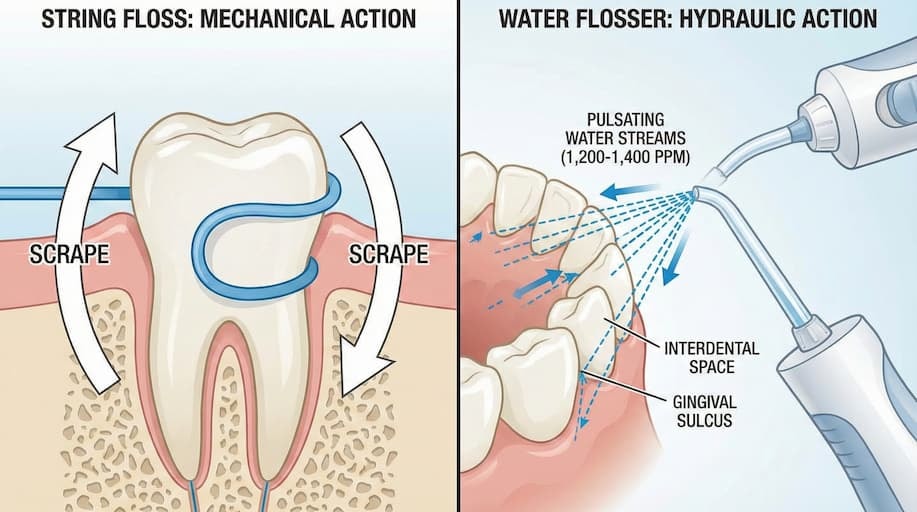
Even the gentlest device can hurt if used wrong. Proper technique makes all the difference between a soothing clean and gum damage.
Hold the Tip at 90 Degrees
Aim the nozzle perpendicular to the gumline, not directly into the gums. Pointing it straight down increases pressure on delicate tissue and can cause bruising or micro-tears. Imagine you are spraying along the base of a fence, not blasting the wood itself.
Pause for One Second Per Tooth
Move slowly. Spend about one second per tooth, letting the pulsating stream dislodge debris. Rushing leads to missed spots. Lingering too long increases irritation risk.
Place Tip Before Turning On
Never activate the device before placing the tip in your mouth. A sudden burst of water can shock sensitive tissue, cause gagging, or splash uncontrollably. Turn it on only after positioning, and start with short bursts until you get comfortable.
Choose the Right Tip for Sensitivity
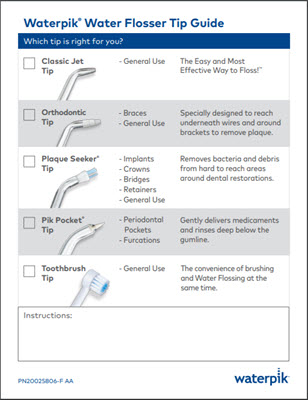
Not all tips are created equal. The wrong one can make even low pressure feel harsh.
Use Soft or Sensitive Tips
Switch from a standard jet tip to a soft, orthodontic, or sensitive tip. These are designed to distribute water flow more evenly, reduce localized pressure, and clean gently around braces or implants. Users with thin gingival tissue or recession often find immediate relief after switching tips.
Replace Tips Every 3-6 Months
Worn or clogged tips alter water flow, creating uneven bursts that feel stronger than they should. Clean nozzles weekly with vinegar and replace them regularly to maintain consistent performance.
Warm Water Soothes Sensitive Gums
Temperature matters more than you think. Cold water increases sensitivity, especially in people with exposed root surfaces or nerve irritation.
Use Lukewarm Water for Comfort
Fill the reservoir with warm, not hot, water. Benefits include improved blood flow to gums, reduced thermal shock, and a more pleasant overall experience. Avoid hot water. It can scald delicate oral tissue and degrade plastic components over time.
Some users mix in fluoride mouthwash, if device allows, for added soothing and cavity protection.
Decode Common Problems and Fixes
Even with good habits, issues arise. Here is how to troubleshoot the most frequent complaints.
It Hurts Even on Low Pressure
If low settings still cause pain, check these factors:
- Pre-existing gum disease: See a dentist. Bleeding beyond 14 days suggests gingivitis.
- Tip pointed into gums: Re-angle to 90 degrees at gumline.
- Cold water used: Switch to warm water.
- Worn or clogged tip: Replace or clean with vinegar soak.
- Reservoir not seated properly: Reattach firmly to ensure steady flow.
Gagging or Choking During Use
Gagging often happens when the tip goes too far back, water pools in the mouth, or you try to hold water before spitting. Fix it by using short bursts instead of continuous flow, tilting your head slightly forward, and keeping lips loosely closed around the tip to control splash.
Cannot Reach Behind Front Teeth
Portable models struggle here due to rigid water intake tubes. When tilted, they lose suction. Workarounds include tilting head back slightly to align tube, using a mirror to guide placement, trying shorter pulses and repositioning frequently, or considering upgrading to a model with a rotating reservoir or angled tip.
Understand Safe PSI Levels
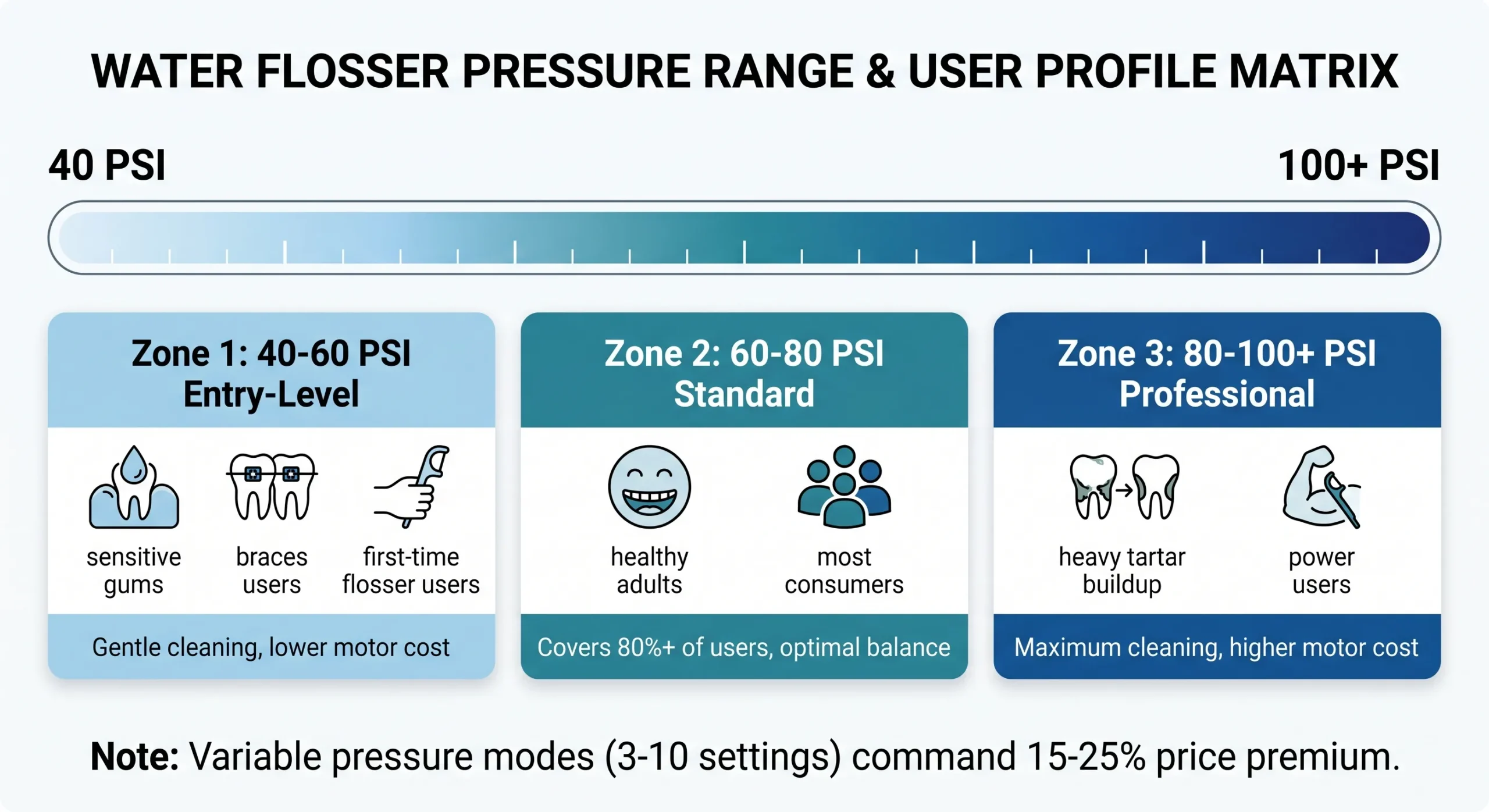
You do not need to fear high PSI, if you understand what it means.
Most Devices Operate Safely Between 50-85 PSI
- 30-50 PSI: Ideal for sensitive users, post-surgery, or children.
- 50-70 PSI: Standard range for daily cleaning.
- 70-120 PSI: Higher efficacy for plaque removal, especially around braces or implants.
Higher pressure equals better cleaning, but only if tolerated. Waterpik models are FDA-cleared as safe even at max settings. Clinical trials show water flossers reduce bleeding by 50% more than string floss after just two weeks.
Why Bleeding Happens and When to Worry
Bleeding is alarming, but it is usually not dangerous.
Initial Bleeding Is Normal
If your gums bleed during the first week, it is likely due to inflammation, not trauma. The principle in dentistry is simple: healthy gums do not bleed. Water flossing exposes existing gingivitis. As you continue, bleeding should decrease within 7 to 14 days. If it does not, see a dentist.
When to Seek Help
Contact your dental professional if bleeding persists beyond 14 days, you notice swelling, pus, or pain, you have recently had implants or extractions, or you feel tissue tearing or bruising. One user reported their gums were literally ripped after using the highest setting post-surgery. Proof that timing and pressure matter.
Compare Water Flosser vs String Floss
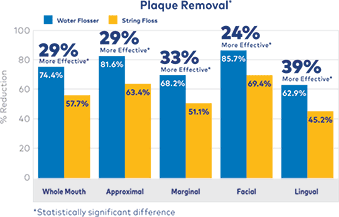
Many switch because traditional floss hurts. But which is really gentler?
- Water flosser offers high gentleness with proper settings, excellent ease with braces, and up to 29% more effective plaque removal.
- String floss offers low gentleness, difficult use with braces, and technique-dependent plaque removal.
- Water flosser has low gum trauma risk with correct use, while string floss has moderate risk.
- Water flosser has higher user compliance, especially in elderly and kids.
Dentists often recommend water flossers for patients with arthritis or limited dexterity, orthodontic appliances, dental implants or bridges, or gum recession.
Maintain Your Device for Smooth Performance
A poorly maintained unit can feel stronger than it should.
Clean Weekly to Prevent Clogs
Mineral buildup or debris in the nozzle causes erratic bursts, like a kinked hose. Prevent this by running a 1:1 water-vinegar solution through the system weekly, soaking the tip in vinegar for 10 minutes, and rinsing the reservoir after each use.
Descale in Hard Water Areas
If you live where water is hard, scale accumulates fast. It restricts flow, forcing the motor to surge. This creates unpredictable pulsing that feels harsh. Descale monthly to keep pressure consistent.
Check Battery Level in Cordless Models
Low battery can cause surging or inconsistent flow, making the device feel stronger in spikes. Always charge fully before use.
Special Cases: Sensitive Conditions and Healing Tissues
Some users need extra caution.
After Implants or Extractions
Wait 7 to 10 days before using a water flosser, and only after your dentist clears you. Then use ultra-low pressure or pulse mode, avoid direct contact with the surgical site, and consider adding prescribed chlorhexidine rinse, diluted.
With Braces or Crowns
Use specialized tips. Orthodontic tip cleans around brackets and wires. Plaque Seeker tip targets biofilm near implants. Higher pressure may be needed, but always start low and build up.
Expert-Backed Best Practices Summary
Follow these steps to eliminate discomfort and maximize benefits:
- Start on the lowest pressure setting.
- Use warm water, not cold or hot.
- Angle tip at 90 degrees to gumline.
- Replace tips every 3-6 months.
- Clean and descale weekly.
- Allow 10-14 days for adjustment.
- See a dentist if bleeding persists.
It felt too strong at first, but starting on low made all the difference. Verified user, multiple brands.
Final Word: Your Water Flosser Is Not Too Strong
The feeling that your water flosser is too strong is almost always temporary and fixable. It is not a flaw in the device. It is a signal to adjust your approach.
With the right technique, proper settings, and a little patience, most users go from discomfort to comfort in under two weeks. And once acclimated, they often find water flossing more effective, easier, and gentler than string floss.
Do not give up. Do not turn it off. Tune it instead.
Start low. Go slow. Use warm water. Master the angle. And let your gums adapt.
Because when used correctly, a water flosser is not too strong. It is just right.
Frequently Asked Questions About Water Flosser Too Strong
Why does my water flosser hurt even on the lowest setting?
Your water flosser may hurt on low settings due to pre-existing gum inflammation, cold water temperature, incorrect tip angle, or a worn tip. Check that you are using warm water, holding the tip at 90 degrees to the gumline, and replacing tips every three to six months.
How long does it take for gums to adjust to a water flosser?
Most users adjust within 10 to 14 days. Initial tingling or mild bleeding is normal during the first week. If bleeding persists beyond two weeks, consult your dentist as this may indicate gingivitis.
Can a water flosser damage your gums?
When used correctly, water flossers are safe and gentle. However, improper technique such as pointing the tip directly into gums or starting on maximum pressure can cause bruising, tissue tears, or bleeding. Always start low and angle correctly.
What PSI setting is safest for sensitive gums?
For sensitive gums, use 30 to 50 PSI. This range is ideal for first-time users, those with gum recession, or anyone recovering from dental procedures. Gradually increase pressure only after your gums adapt.
Should I use warm or cold water in my water flosser?
Use warm water. Cold water increases sensitivity and can cause discomfort, especially with exposed root surfaces. Warm water soothes gums and improves blood circulation during cleaning.
How often should I replace my water flosser tip?
Replace water flosser tips every three to six months. Worn or clogged tips alter water flow and can create uneven pressure that feels stronger than intended. Regular replacement ensures consistent performance and hygiene.