If your Philips water flosser isn’t cleaning as effectively as it used to, or you’ve noticed an odd smell during use, it’s likely due to built-up bacteria, mineral deposits, or mold. Cleaning your Philips water flosser regularly is essential, not just for performance, but for your oral health. Without proper maintenance, biofilm and microbes can thrive in the reservoir, tubing, and nozzle tips, turning your hygiene tool into a contamination risk. This guide walks you through the complete cleaning process, from emptying the reservoir after use to deep sanitizing and descaling, so you can maintain peak performance and protect your smile.
Empty and Rinse After Every Use
Leaving water in the reservoir overnight creates a breeding ground for bacteria and mold. Always empty the water tank completely after each use. Tilt the flosser upside down gently to drain any remaining water from the base and connection points. This simple step prevents stagnant moisture and drastically reduces microbial growth.
Remove Standing Water Immediately
To clean your Philips water flosser effectively, you must start with proper post-use habits. Follow these essential steps:
• Empty the reservoir completely after each use
• Tilt the device upside down to drain all water from connection points
• Never leave water sitting in the tank overnight
• Check the base unit for any pooled water and wipe dry
Rinse Reservoir and Nozzle Tips
Warm water rinsing keeps your device fresh between deeper cleaning sessions. Here’s what to do:
• Fill the reservoir with warm water and swish it around before emptying
• Use a soft cloth or brush to clean inside the reservoir if needed
• Detach nozzle tips and run warm water through each opening for 30 seconds
• Avoid dishwashers or boiling water, as high heat can warp plastic components
Air-Dry All Components Fully
Moisture is the enemy of hygiene when you clean your Philips water flosser. Proper drying prevents mold and extends device life:
• Leave the reservoir upside down on a clean towel in a well-ventilated area
• Store nozzle tips in an open holder, never sealed containers
• Allow the base unit to dry completely before reassembling
• This step is the leading cause of mold prevention in water flossers
Weekly Deep Cleaning Routine
Mineral buildup and internal residue accumulate over time, even with daily rinsing. Once a week, perform a deeper clean to maintain optimal hygiene and water flow.
Soak Reservoir in Vinegar Solution
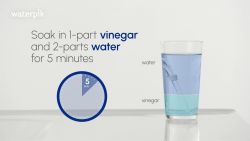
Weekly vinegar soaking dissolves lime scale and loosens organic matter. Follow these steps:
• Mix equal parts white vinegar and warm water in a 1:1 ratio
• Fill the reservoir to the max line with the solution
• Let it soak for 15 minutes to break down residue
• Empty and rinse thoroughly with clean water
• Run a few rinse cycles with plain water to ensure no vinegar taste remains
Sanitize Nozzle Tips with Peroxide
Germs hide in the smallest crevices of your nozzle tips. Disinfect them properly:
• Soak tips in 3% hydrogen peroxide for 5 minutes
• This concentration kills bacteria, viruses, and fungi without damaging plastic
• Rinse each tip under running water for 10 to 15 seconds after soaking
• Never mix vinegar and peroxide together, as they react to form irritating compounds
Monthly Sanitizing Cycle
For an extra layer of protection, perform a monthly sanitizing flush to eliminate lingering microbes deep in the system.
Use Mouthwash Solution for Disinfection
Monthly sanitizing with mouthwash provides enhanced microbial control. Here’s how to do it:
• Mix antibacterial mouthwash and water in a 1:1 ratio
• Fill the reservoir with the solution and let it sit for 10 minutes
• Power on the flosser briefly to circulate the solution through internal tubing
• Empty the reservoir and run 3 to 4 full cycles of clean water to flush residue
Consider UVC Sanitizing if Available
Newer Philips Sonicare models include UVC sanitization features. Take advantage of these advanced options:
• Check if your charging base has a UVC sanitization chamber
• Place clean tips inside after cleaning for automatic UV-C light disinfection
• This feature is especially helpful for households with multiple users
• It provides added protection for those prone to gum infections
Descaling for Hard Water Areas
Hard water areas require more frequent descaling to prevent mineral buildup that impairs performance.
Recognize Signs of Mineral Buildup
Watch for these indicators that your device needs descaling:
• Reduced water pressure during use
• Intermittent or sputtering flow
• Unusual grinding or operational noises
• These symptoms indicate calcium and magnesium deposits are clogging the system
Apply Safe Descaling Solution
Use only approved solutions to clean your Philips water flosser without damaging internal components:
• Use equal parts white vinegar and water, or a Philips-approved descaling agent
• Fill the reservoir with the solution and run it through the system for 2 to 3 minutes
• Never use undiluted vinegar, bleach, or harsh acids
• Flush the system with clean water 2 to 3 times after descaling
Set a Descaling Schedule
Establish a maintenance schedule based on your water type:
• Hard water areas: Descale once a month
• Soft water regions: Descale every 2 to 3 months
• Enable maintenance alerts via app if your model supports connectivity
Replace Nozzle Tips Regularly
Even with perfect cleaning, nozzle tips wear out and require replacement to maintain effective plaque removal.
Follow 3- to 6-Month Replacement Rule
Regular tip replacement ensures optimal cleaning performance. Keep this schedule:
• Replace nozzle tips every 3 to 6 months as standard practice
• Set calendar reminders or use app tracking if available
• The spray pattern degrades over time, reducing cleaning efficiency
• Many users forget this step, so mark your calendar
Replace Sooner If Damaged or Contaminated
Inspect tips monthly and replace immediately if you notice these issues:
• Cracks or warping in the plastic
• Discoloration that won’t wash out
• Persistent odor after thorough cleaning
• Clogging or uneven spray pattern
• Label tips for family members to avoid cross-use contamination
Prevent and Treat Mold Growth

Mold thrives in warm, damp environments exactly like a poorly dried water flosser. Prevention is far more effective than remediation.
Stop Mold Before It Starts
These habits disrupt the moisture cycle that leads to mold:
• Never store the device with water inside the reservoir
• Keep the reservoir detached and upside down when storing
• Store in a dry, open area away from the shower
• Avoid enclosed cabinets that trap humidity
Clean Surface Mold Safely
For mild mold in accessible areas, follow this safe cleaning method:
• Mix 1 part household bleach with 9 parts water for a 10% solution
• Apply with a soft brush or cloth, never pour undiluted bleach
• Let it sit for 5 to 10 minutes
• Rinse extensively with water, then run multiple flush cycles
• Wear gloves and ensure good ventilation
Replace Unit for Severe Internal Mold
When mold penetrates internal tubing, cleaning won’t solve the problem. Take these steps:
• Do not attempt deep chemical flushing on internal mold
• Replace the reservoir or entire unit if contamination is extensive
• Contact Philips support for warranty options
• Fix storage habits to prevent recurrence
Optimize Storage and Drying
Proper storage significantly impacts how well you can clean your Philips water flosser over time.
Store in a Dry, Open Area
Choose the right storage location to minimize moisture problems:
• Keep your flosser on a countertop with good airflow
• Avoid closed drawers or cabinets that trap humidity
• Consider a ventilated storage box with open sides if space is limited
• Bathroom counters work better than under-sink cabinets
Position Reservoir Upside Down
Simple positioning changes make a big difference:
• Place the reservoir inverted to prevent water pooling at the base
• This small change significantly improves drying time
• It also helps prevent mold from recurring
Keep Tips in Ventilated Holder
Tip storage matters for hygiene:
• Use the original tip storage dock or a breathable container
• Avoid ziplock bags or sealed cases that trap moisture
• Open storage allows air circulation and prevents bacterial growth
Maximize Performance and Lifespan
Regular maintenance directly impacts how effectively your device cleans and how long it lasts.
Maintain Strong Water Pressure
Clean components preserve pulsation strength and ensure effective plaque removal. Users report up to 30% better gum health when maintaining clean devices. Clogs and mineral buildup weaken spray force, so stay on schedule with cleaning and descaling.
Extend Device Longevity
A well-maintained Philips water flosser can last 5 years or more. Skipping cleaning leads to early pump failure and reduced efficiency. Stick to the maintenance schedule, and your investment pays off in long-term oral health and device reliability.
Leverage Smart Features
If you have a Bluetooth-enabled model, use these helpful tools:
• Enable app reminders for cleaning, descaling, and tip replacement
• Track usage patterns to optimize your routine
• Receive firmware updates for improved functionality
• These technologies make maintenance effortless and consistent
Follow the Complete Cleaning Schedule
Use this table to stay on track with your maintenance routine:
| Frequency | Task |
|---|---|
| After Each Use | Empty reservoir, rinse with warm water, air-dry all parts |
| Weekly | Reservoir vinegar soak (15 min), tip peroxide soak (5 min) |
| Monthly | Mouthwash sanitizing flush, descale if in hard water area |
| Every 3–6 Mo. | Replace all nozzle tips |
| As Needed | Treat mold, replace damaged parts, deep flush if flow drops |
Sticking to this plan ensures your Philips water flosser stays hygienic, powerful, and safe for daily use.
Final Tips for Best Results
These additional recommendations help you maintain optimal results when you clean your Philips water flosser:
• Use distilled water in hard water areas to reduce scaling naturally
• Never use abrasive cleaners or steel wool, as they scratch and trap bacteria
• Check the user manual for model-specific instructions before descaling
• Register your device with Philips for warranty support and updates
• Keep spare tips on hand to avoid delays in replacement
Frequently Asked Questions About Cleaning a Philips Water Flosser
How often should I clean my Philips water flosser?
You should perform daily rinsing after each use, weekly deep cleaning with vinegar and peroxide, and monthly sanitizing with mouthwash. This three-tiered approach keeps your device hygienic between uses and prevents long-term buildup.
Can I use vinegar to clean my water flosser reservoir?
Yes, white vinegar is safe and effective for cleaning your Philips water flosser. Mix equal parts vinegar and warm water, fill the reservoir, and soak for 15 minutes. Rinse thoroughly with clean water afterward to remove any vinegar taste or residue.
Why does my water flosser smell bad?
Bad odors typically indicate bacterial or mold growth inside the reservoir or tubing. This happens when water is left sitting in the device. Clean the reservoir with vinegar, sanitize nozzle tips with hydrogen peroxide, and ensure all parts are completely dried before storage.
How do I descale my Philips water flosser?
Fill the reservoir with equal parts white vinegar and water, then run the solution through the system for 2 to 3 minutes. Empty and rinse with clean water 2 to 3 times. Perform this monthly in hard water areas, or every 2 to 3 months in soft water regions.
How long do water flosser nozzle tips last?
Nozzle tips should be replaced every 3 to 6 months for optimal performance. Replace sooner if you notice cracks, discoloration, persistent odors, or reduced spray quality. Worn tips harbor bacteria and clean less effectively.
What should I do if mold grows inside my water flosser?
For mild surface mold, use a diluted bleach solution (1 part bleach to 9 parts water) applied for 5 to 10 minutes. Rinse extensively and run multiple water cycles. For internal mold or recurring growth, replace the affected component or entire unit, and fix your storage habits to prevent recurrence.
Key Takeaways for Cleaning Your Philips Water Flosser
Maintaining a clean Philips water flosser requires consistent daily, weekly, and monthly attention. Empty and rinse the reservoir after every use, perform weekly vinegar soaks and peroxide tip sanitization, and incorporate monthly mouthwash flushing and descaling if needed. Replace nozzle tips every 3 to 6 months, store the device in a dry ventilated area, and address mold immediately if it appears. By making cleaning a habit, you protect not just your device but your oral health. A clean water flosser delivers stronger, more effective cleaning, reduces gum inflammation, and prevents bacterial reinfection. Start today by following the maintenance schedule that matches your water type and usage frequency. Your gums will thank you for the extra care.