If your Philips Sonicare Water Flosser isn’t performing like it used to, or worse, you spot mold or smell an odd odor, it’s likely due to poor cleaning habits. Knowing how to clean a Sonicare water flosser properly is essential for maintaining oral hygiene, preventing bacterial growth, and extending the life of your device. Left uncleaned, the water tank, tubing, and flossing tips become breeding grounds for biofilm, mold, and mineral buildup, especially in humid environments or when tap water is used.
This guide breaks down exactly what to do and when to do it to keep your water flosser fresh and functioning. You’ll learn daily, weekly, and monthly routines backed by manufacturer guidelines and real user experiences. Whether you own a cordless travel model or a premium unit with UVC sanitization, this step-by-step maintenance plan ensures your Sonicare stays safe, effective, and odor-free.
Daily Cleaning Steps for Your Sonicare Water Flosser
Keep your flosser hygienic with quick actions after every use. These simple daily habits prevent the majority of mold and bacterial problems before they start.
Empty and Rinse the Water Tank
Always empty the water tank immediately after use. Never leave water sitting overnight because this is the number one cause of mold and bacterial growth. Residual moisture can develop biofilm within 24 to 48 hours, especially in warm, humid bathrooms.
Once emptied, rinse the tank thoroughly with warm water. Swirl the water inside to flush out any debris or saliva that may have backed up during use. Do not use soap unless your model manual specifies it, as residue can linger and contaminate the next use.
Rinse All Flossing Tips
Remove each tip from the handle and rinse under warm running water for at least 30 seconds. Focus on the narrow nozzle, which is where debris and bacteria accumulate most heavily.
For users with braces or dental work, consider flushing the tip with a syringe of water to ensure full internal clearance. This extra step reaches areas that running water alone cannot access.
Air-Dry All Components
Place the tank upside down with the lid off and lay tips on a clean towel in a well-ventilated area. Avoid storing the device in enclosed cabinets or damp corners where moisture cannot escape.
Leaving the tank open promotes airflow and drastically reduces mold risk. This is especially important in humid climates where bathroom moisture levels remain high throughout the day.
Weekly Deep Clean Routine
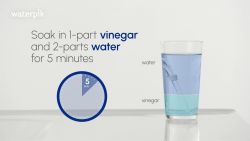
Once a week, go beyond surface cleaning to remove hidden buildup that daily rinsing misses. This routine targets biofilm and mineral deposits that accumulate over time.
Soak Tank in Vinegar Solution
Mix equal parts white vinegar and water in a 50/50 ratio. Fill the tank with this solution and let it soak for 15 minutes. This dissolves mineral deposits and biofilm that regular rinsing cannot remove.
After soaking, run the flosser for 30 seconds to push the solution through internal tubing if your model allows it. Then empty the tank and rinse with clean water 3 to 5 times until the vinegar smell is completely gone.
Never use undiluted vinegar because this can degrade plastic and rubber parts over time and cause premature wear on seals.
Disinfect Flossing Tips
Soak all tips in 3% hydrogen peroxide for 5 minutes. This kills bacteria and viruses more effectively than water alone and reaches into tiny crevices where microbes hide.
Use a soft-bristle brush, like an old toothbrush, to gently scrub the tip openings if you notice discoloration or buildup. Rinse thoroughly under running water before drying and reattaching.
If peroxide is not available, use a 1:1 mix of water and antibacterial mouthwash for the same duration. Both methods are equally effective for weekly disinfection.
Monthly Sanitization and Descaling
Prevent long-term damage and ensure peak performance with monthly deep maintenance. These steps address pathogens that survive regular cleaning and remove stubborn mineral buildup.
Sanitize with Mouthwash Solution
Once a month, fill the tank with a 1:1 mix of antibacterial mouthwash and water. Let it sit for 10 minutes to kill lingering microbes including E. coli and C. albicans.
Do not run the device unless your model manual explicitly allows it. After soaking, drain and rinse the tank thoroughly with clean water 5 to 7 times to remove all mouthwash residue.
Wipe the base unit with a damp cloth, but never immerse the base in water. Electrical components can be damaged by direct water contact.
Descale to Remove Limescale
If you have hard water, mineral buildup, which appears as white chalky deposits, can clog internal channels and reduce water pressure over time.
Use a Philips-approved descaling agent, typically citric acid-based, and follow the label instructions. Most require a 15 to 30 minute soak or circulation cycle.
After descaling, flush the system with three full tanks of clean water to remove all residue. Avoid vinegar for frequent descaling because its acidity can corrode metal pump components over time.
How to Remove Mold Safely from Your Sonicare

If you see black or green spots or smell mustiness, act fast. Mold can pose respiratory and oral health risks if left untreated.
Mild Mold: Clean Immediately
For early-stage mold in the tank or on tips, wear rubber gloves and work in a well-ventilated room. Mix 1 part household bleach with 9 parts water to create a 10% solution.
Fill the tank with this solution and soak for 5 to 10 minutes. Run the flosser for 30 seconds to flush tubing, then discard the solution and rinse the tank 5 to 7 times with clean water.
Soak tips in the same solution for 5 minutes, then rinse thoroughly. Wipe the exterior base with a cloth dampened in diluted bleach, but never submerge the base.
Never mix bleach with vinegar or ammonia because this creates toxic chlorine gas that can cause serious respiratory harm.
Severe Mold: Replace or Retire
If mold is widespread, black, or has a strong odor that persists after cleaning, do not attempt to disinfect. Microbial infiltration may be deep within the device where cleaning solutions cannot reach.
Replace the water tank and all tips. If the base unit smells musty or shows discoloration, replace the entire device. Severe contamination often means long-term neglect, and replacement is safer and more cost-effective than risking continued exposure.
Replace Flossing Tips Regularly
Even with perfect cleaning, tips wear out and harbor bacteria over time. Replacement is a critical part of maintenance that many users overlook.
When to Replace Tips
Change tips every 3 to 6 months depending on use frequency. Replace immediately if you notice cracks or splits, yellowing or staining, odd smells after cleaning, or weak or uneven spray pattern.
Many users go 8 or more months without changing tips, which significantly reduces cleaning effectiveness and increases bacterial exposure. Setting calendar reminders helps avoid this common mistake.
Compatible Tip Types
Philips Sonicare offers several tip types for different needs. The Classic Jet Tip provides standard cleaning, the Orthodontic Tip works best for braces, the Plaque Control Tip offers deeper gum cleaning, and the Tongue Cleaner Tip addresses bad breath.
All follow the same cleaning rules, but complex designs like ortho tips may need extra brushing to remove debris from their crevices.
Prevent Mold and Buildup Long-Term
Stop problems before they start with smart habits that reduce moisture, minerals, and bacterial growth in your device.
Use Distilled Water
Switch from tap to distilled water to eliminate mineral deposits and reduce bacterial growth. Users in hard water areas report no more white residue after making the switch.
Distilled water also improves pump longevity and prevents clogs in the internal tubing. The upfront cost is minimal compared to repairs or premature device replacement.
Store Properly
Always empty the tank after use and store the flosser in a dry, ventilated spot, not under the sink or near the shower where humidity is highest.
Keep the tank lid open when not in use to promote airflow. Avoid covering the device with cloths while damp because this traps moisture inside.
One user left water in the tank overnight in Florida, and mold appeared in just 48 hours. Humid environments demand extra attention to drying and storage.
Use Smart Features for Easier Maintenance
Newer Sonicare models make cleaning effortless with built-in technology designed to simplify maintenance routines.
UVC Sanitization
Top-tier models include UVC light chambers that automatically disinfect stored tips. This kills 99.9% of bacteria and viruses in 5 to 10 minutes with no chemicals required.
The UVC feature activates manually or automatically after each use, depending on your model. Users report that this feature eliminates the worry about germs accumulating on tips between uses.
App Maintenance Alerts
Bluetooth-enabled models sync with the Philips Sonicare App, which sends customized reminders for tank cleaning, tip replacement, and deep sanitization.
Alerts adjust based on your usage frequency, so you never miss a maintenance step. One user reported that the app reminder made them realize they had not changed their tip in 8 months.
Model-Specific Cleaning Tips

All Sonicare water flossers share core cleaning needs, but differences matter for proper maintenance.
Cordless Models
Never submerge the base unit in water. Wipe charging contacts with a dry cloth to prevent corrosion, and avoid overfilling the tank to prevent leaks into the motor compartment.
Travel Cases
Clean monthly with mild soapy water, rinse well, and air-dry completely before reuse. Travel cases can trap moisture and become a hidden source of contamination.
AirFloss Pro Note
Though not a traditional water flosser, the AirFloss Pro still needs daily tip rinsing and weekly disinfection despite using less liquid. The same cleaning principles apply.
Safety and Maintenance Schedule Summary
Use this table to track your cleaning routine and ensure nothing gets missed.
| Task | Frequency | Purpose |
|---|---|---|
| Empty tank | After every use | Prevent mold growth |
| Rinse tank and tips | Daily | Remove debris |
| Air-dry components | Daily | Stop microbial growth |
| Vinegar soak | Weekly | Break down biofilm |
| Peroxide tip soak | Weekly | Disinfect tips |
| Mouthwash sanitization | Monthly | Kill pathogens |
| Descaling | Monthly if needed | Remove limescale |
| Internal flush | Bi-weekly | Clean tubing |
| Replace tips | Every 3 to 6 months | Maintain pressure and hygiene |
Maximize Lifespan and Protect Your Warranty
Philips offers a 2-year limited warranty, but it excludes damage from mold, mineral buildup, or poor maintenance. Understanding what is not covered helps you avoid costly mistakes.
Proper cleaning can extend your flosser’s life to 5 years or more with consistent care. Register your device on the Philips website for support, replacement parts, and access to care tips.
Think of your water flosser like a toothbrush. Clean it regularly, replace parts on time, and it will work better and longer for your oral health.
Frequently Asked Questions About Cleaning a Sonicare Water Flosser
How often should I clean my Sonicare water flosser?
Clean your water flosser daily by emptying and rinsing the tank and tips after each use. Perform a deeper weekly clean with vinegar and hydrogen peroxide, and sanitize with mouthwash monthly.
Can I use vinegar to clean my water flosser?
Yes, use a 50/50 vinegar and water solution for weekly tank cleaning. Soak for 15 minutes, run the device briefly, then rinse thoroughly. Avoid undiluted vinegar and do not use it for frequent descaling as it can damage plastic and metal components.
Why does my water flosser smell bad?
Odor indicates bacterial growth, biofilm, or mold in the tank, tubing, or tips. Clean the tank with vinegar, soak tips in hydrogen peroxide, and if odor persists, check for mold that may require component replacement.
Can I submerge my Sonicare water flosser in water?
Never submerge the base unit in water because this damages electrical components and voids the warranty. Only removable tanks and tips should be soaked, and the exterior base should be wiped with a damp cloth only.
How do I remove mold from my water flosser?
For mild mold, use a 10% bleach solution (1 part bleach to 9 parts water) to soak the tank and tips for 5 to 10 minutes. Rinse thoroughly 5 to 7 times. For severe mold, replace the tank, tips, or entire device rather than attempting to clean.
When should I replace my water flosser tips?
Replace flossing tips every 3 to 6 months, or immediately if you notice cracks, yellowing, persistent odor after cleaning, or reduced spray pressure. Worn tips harbor bacteria and clean less effectively.
Final Thoughts on Maintaining Your Sonicare Water Flosser
Cleaning your Sonicare water flosser is not optional. It is a critical part of your oral hygiene routine that prevents mold, maintains strong water pressure, and protects your investment. By following this daily, weekly, and monthly plan, you will enjoy a cleaner device that performs better and lasts longer.
The most important habits are emptying the tank after every use, using distilled water instead of tap water, and replacing tips every 3 to 6 months. These three simple steps prevent the majority of problems users experience.
Whether you are using a basic model or a high-tech version with UVC sanitization, consistency is what matters most. Stay dry, stay clean, and keep your smile healthy by making water flosser maintenance a regular part of your oral care routine.