If you’re battling a tooth infection, you’re likely desperate for relief. Swelling, throbbing pain, and fever can make it hard to eat, sleep, or focus—so knowing how quickly your treatment will work is crucial. One common antibiotic prescribed in these cases, especially for patients allergic to penicillin, is azithromycin. But how fast does azithromycin work for a tooth infection?
While some antibiotics begin easing symptoms within 24 hours, azithromycin typically starts providing noticeable relief within 48 to 72 hours of the first dose. Though the drug enters your system rapidly, symptom improvement takes time because it works by stopping bacteria from multiplying—not by instantly killing them. Most people report reduced pain, swelling, and fever by day two or three, even though the infection is being controlled much earlier at the cellular level.
Azithromycin is not usually the first choice for dental infections. Dentists typically prescribe amoxicillin first. However, azithromycin is a powerful alternative for patients with penicillin allergies or those who haven’t responded to initial treatments. Its unique ability to accumulate in gum and dental tissues—and remain active for days after the last dose—makes it effective in a shorter treatment window, such as the popular 5-day “Z-Pak.”
But here’s what many don’t realize: antibiotics like azithromycin don’t cure tooth infections—they only manage the bacterial component. Without a root canal, extraction, or drainage of an abscess, the infection will likely return. This article breaks down exactly when to expect symptom relief, how azithromycin fights infection, and what else you must do to fully heal.
Azithromycin Begins Working Within Hours—But Relief Takes Time
Reaches Peak Blood Levels in 2–3 Hours
After you swallow your first dose, azithromycin is rapidly absorbed, reaching peak concentration in your bloodstream within 2 to 3 hours. At this point, the drug is already circulating and beginning to penetrate infected tissues, including the gums and areas around the tooth root.
Its mechanism? Azithromycin inhibits bacterial protein synthesis, essentially cutting off the bacteria’s ability to grow and replicate. This halts the spread of infection almost immediately.
But here’s the catch: you won’t feel better right away. Even though the bacteria are being suppressed, your body still needs time to reduce inflammation, clear out bacterial debris, and heal damaged tissue. Think of it like turning off a gas line to a fire—the flames don’t vanish instantly, but the fire can no longer grow. That’s azithromycin at work: stopping the infection from worsening while your immune system finishes the cleanup.
Why Symptoms Improve After 2–3 Days
Clinical improvement usually begins 48 to 72 hours after starting azithromycin. The delay is due to several factors:
- Ongoing immune response: Your body continues to fight off remnants of the infection, causing inflammation and pain.
- Toxins and pus buildup: Even dead bacteria release substances that irritate tissues.
- Pressure from swelling or abscess: Fluid buildup around the tooth root can persist until drained.
You may start feeling relief as the swelling decreases and fever drops. Patients commonly report less throbbing pain, reduced facial puffiness, and a fading bad taste in the mouth by day three.
One clinical study found that a 3-day course of azithromycin achieved a 97% cure rate in dental infections—proof that it’s highly effective, even in short durations. This success is due in part to its strong concentration in oral tissues.
Symptom Relief Timeline: What to Expect Day by Day
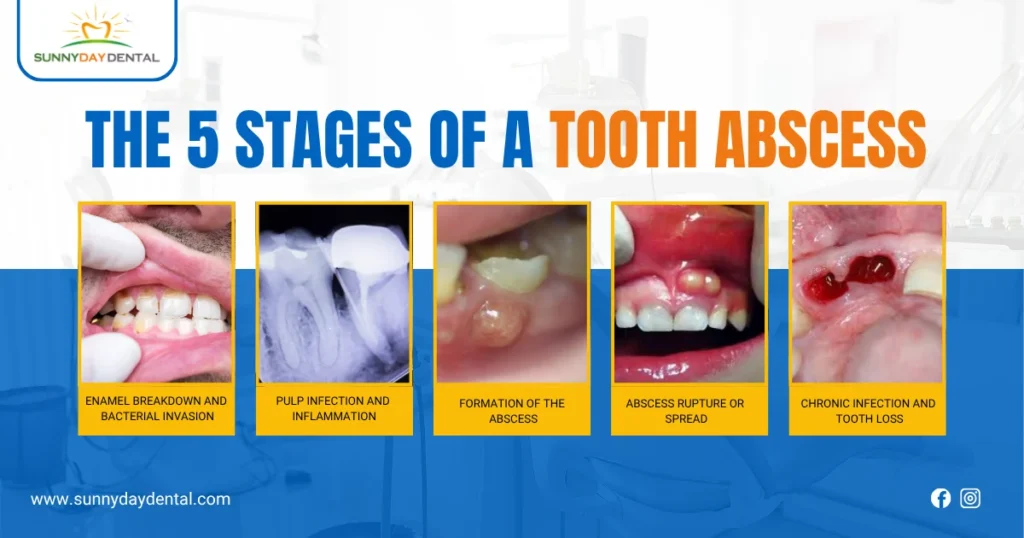
Day 1: Drug Starts Working, But Pain May Persist
On the first day, you’re unlikely to feel much better. Azithromycin is working behind the scenes, but inflammation is still high. Continue taking over-the-counter pain relievers like ibuprofen (which also reduces swelling) as directed. Avoid hot foods and chewing on the affected side.
Day 2: Early Signs of Improvement
By the second day, many patients notice less intense pain and slightly reduced swelling. The fever, if present, may begin to subside. This is a good sign the antibiotic is taking effect.
Day 3: Noticeable Relief for Most
By day three, most people feel significantly better. Pain becomes manageable, swelling decreases, and you may regain normal mouth movement. If you’re not seeing improvement by now, contact your dentist—your infection may require a different antibiotic or urgent dental procedure.
Why Azithromycin Is Effective for Dental Infections

Long-Lasting Presence in Infected Tissues
One of azithromycin’s biggest advantages is its extended tissue half-life. Even after you finish a 5-day course, the drug remains active in infected areas for up to 7 days. This means it continues fighting bacteria long after the last pill, reducing the chance of recurrence.
This sustained release is especially helpful in dental abscesses, where blood flow is poor and many antibiotics struggle to reach therapeutic levels.
Superior Penetration Into Gum and Tooth Areas
Azithromycin excels at accumulating in gingival tissue and periodontal pockets, often reaching concentrations 10 to 100 times higher than in the blood. This makes it highly effective against bacteria like Streptococcus and anaerobes—common culprits in tooth infections.
Its ability to penetrate deep into infected sites gives it an edge over other antibiotics, particularly in stubborn or recurring cases.
When Azithromycin Is Prescribed for Tooth Infections
Reserved for Specific Cases, Not First-Line
Despite its effectiveness, azithromycin is not the go-to antibiotic for most tooth infections. Dentists prefer:
- Amoxicillin – First choice for most patients
- Amoxicillin-clavulanate – Broader coverage, especially for resistant strains
- Metronidazole (often combined with penicillin) – Targets anaerobic bacteria
Azithromycin is typically prescribed only when:
- You have a confirmed penicillin allergy
- Previous antibiotics failed
- You can’t tolerate amoxicillin due to stomach issues
It’s also used when there’s a concern about resistant bacteria or in patients with complex medical histories.
Rising Risk of Antibiotic Resistance
Overuse of azithromycin has led to increased resistance among oral bacteria. Because it’s broad-spectrum and widely available, misuse—like taking it for viral infections or stopping early—fuels the growth of resistant strains.
Dentists now limit its use to avoid making future infections harder to treat. Only take azithromycin when prescribed, and always complete the full course.
Finish the Full Course—Even If You Feel Better
Stopping Early Risks Relapse and Resistance
Many people stop antibiotics once symptoms disappear. This is dangerous. Even if you feel fine by day 3, bacteria may still be present.
Stopping early can cause:
- Infection to return, often more severe
- Development of antibiotic-resistant bacteria
- Need for stronger, longer treatments later
Standard dosing for a tooth infection is often:
- Day 1: 500 mg
- Days 2–5: 250 mg daily
Stick to your prescription exactly, even if you’re symptom-free.
Support Healing with Smart Self-Care
Oral Hygiene and Home Care Matter
Azithromycin controls bacteria, but it won’t fix a decayed tooth. Speed recovery with these steps:
- Rinse with warm saltwater (½ tsp salt in 8 oz water) 3–4 times daily to soothe gums and flush debris
- Brush gently—avoid irritating the infected area
- Avoid alcohol-based mouthwashes—they can sting inflamed tissue
- Eat soft, cool foods like yogurt, smoothies, and mashed potatoes
- Stay hydrated to boost saliva, which naturally cleanses the mouth
Manage Pain Safely
- Use ibuprofen (Advil) or acetaminophen (Tylenol) as recommended
- Do not place aspirin on the gum—it can cause chemical burns
- Avoid chewing on the painful side
You Still Need Dental Treatment
Antibiotics Are Not a Cure
Here’s the truth: azithromycin treats the infection, but only a dentist can fix the cause. Without professional care, the infection will come back.
Common procedures include:
- Root canal – Removes infected pulp and saves the tooth
- Tooth extraction – If the tooth can’t be saved
- Incision and drainage – For large abscesses causing pressure
Delaying treatment risks serious complications like osteomyelitis (bone infection) or Ludwig’s angina, a life-threatening deep neck infection.
Watch for Warning Signs of Complications
Seek emergency care if you experience:
- Worsening pain or swelling after 3 days
- Fever lasting more than 48 hours
- Difficulty opening your mouth or swallowing
- Facial redness spreading rapidly
- Shortness of breath or chest pain
These could signal spreading infection or sepsis—a medical emergency.
Know the Side Effects and Risks
Common Side Effects (Usually Mild)
- Diarrhea – Most common; consider a probiotic
- Nausea or stomach pain – Take with food
- Headache or dizziness
Severe diarrhea may indicate C. diff infection—get medical help if it’s watery or persistent.
Rare but Serious Risks
- Heart rhythm problems (QT prolongation) – Risk is higher if you have heart disease or take other QT-prolonging drugs
- Liver damage – Watch for jaundice, dark urine, or severe nausea
- Severe allergic reactions – Rash, swelling, trouble breathing—seek emergency care
Tell your dentist if you’re on other medications, especially warfarin, antiarrhythmics, or immunosuppressants.
Key Takeaways

| What to Expect | Timeline or Detail |
|---|---|
| Drug starts working | Within 2–3 hours (peak blood levels) |
| Symptom relief begins | 48–72 hours after first dose |
| Full course duration | 3 to 5 days |
| Tissue activity lasts | Up to 7 days after last dose |
| Best for | Penicillin-allergic patients or second-line use |
| Must combine with | Professional dental treatment |
| Do not stop early | Even if symptoms resolve |
| Watch for | Heart, liver, or allergic reactions |
Final Note: Azithromycin typically brings noticeable relief from a tooth infection within 2 to 3 days, but it starts working at the bacterial level within hours. While it’s a valuable option—especially for those with allergies—it’s not a standalone cure. To fully heal, you must follow up with a dentist for definitive treatment. Combine proper medication, self-care, and professional care for the fastest, safest recovery.