If you own a water flosser or are considering buying one, understanding water flosser head types is key to maximizing your oral health. The right tip can make the difference between effective plaque removal and missing critical areas, especially if you have braces, implants, gum disease, or dentures. Unlike one-size-fits-all toothbrushes, water flossers use specialized attachments designed for specific dental conditions. Most water flossers support interchangeable heads, allowing multiple users to share a single unit with color-coded tips.
This guide breaks down every major water flosser head type, its purpose, how to use it correctly, and when to replace it so you can customize your routine for optimal results.
Precision Jet Tip for Daily Cleaning
The Precision Jet Tip, also called Classic Jet Tip, is the standard attachment included with most Waterpik countertop and cordless models. It is designed for everyday plaque and debris removal between teeth and below the gumline.
Ideal for General Oral Care
This non-bristled tip emits a focused stream of water that disrupts biofilm in interdental spaces and subgingival areas. It is perfect for users without orthodontics or restorations who want to maintain healthy gums and clean teeth effectively.
How to Use It Correctly
• Start at the back molars and work forward along the gumline
• Hold the tip at a 90-degree angle to your gums
• Position it slightly away from the tissue to allow water to flow freely
• Pause briefly between each tooth to flush out debris
Replacement Every 6 Months
Mineral buildup from hard water can clog the nozzle over time, reducing water pressure and effectiveness. Replace every six months or sooner if flow diminishes. Compatible with most Waterpik models except Sidekick, Sonic-Fusion, and Classic series.
Pro Tip: This is the go-to tip for beginners and general users. It is simple, effective, and widely available.
Orthodontic Tip for Braces and Aligners
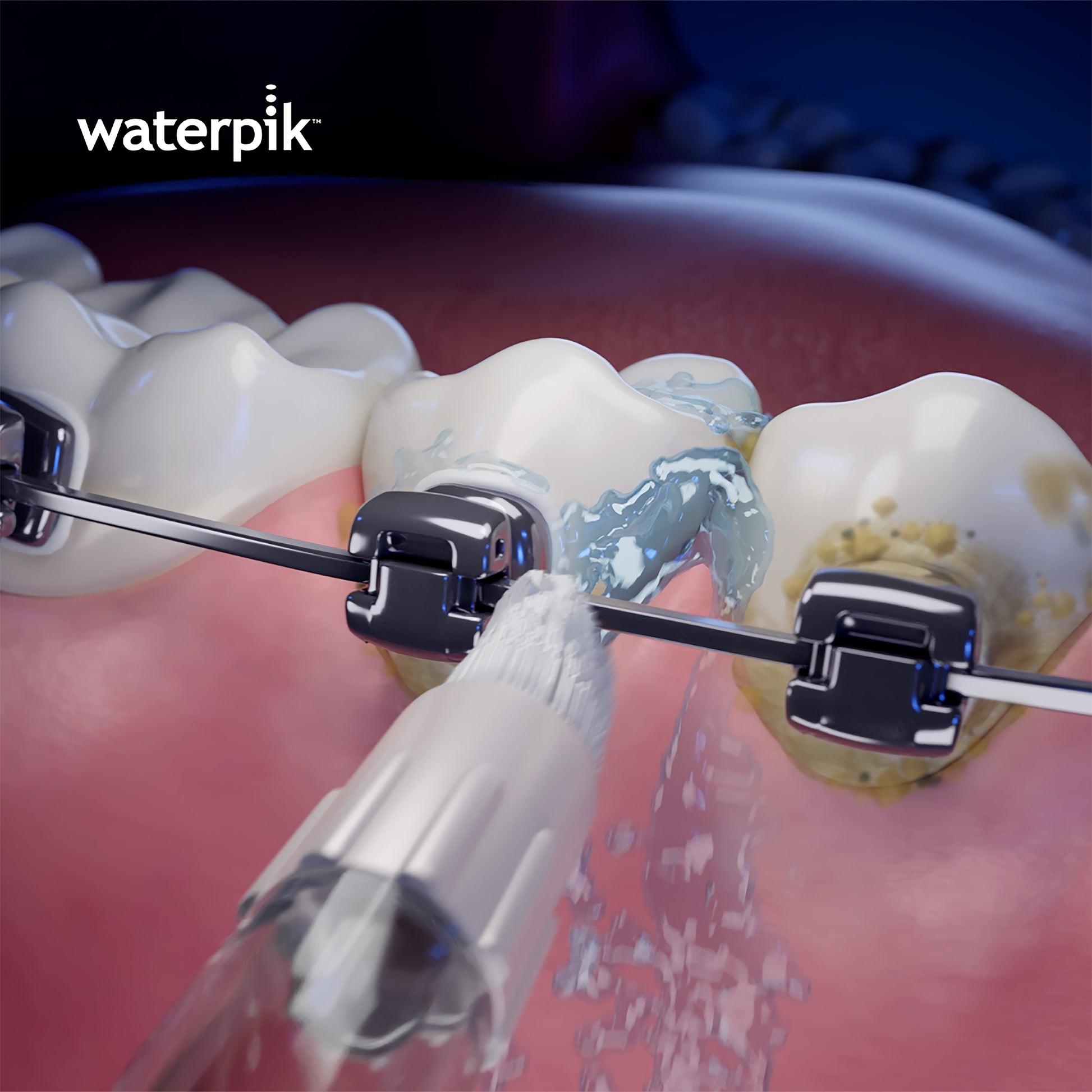
Wearing braces or clear aligners? The Orthodontic Tip is engineered specifically for cleaning around brackets, wires, and retainers.
Bristles Help Scrub Hard-to-Reach Areas
Equipped with a short cluster of stiff bristles at the end, this tip combines mechanical scrubbing with water irrigation. The bristles agitate food particles stuck around brackets while the water flushes them out.
Best Practice for Braces Wearers
• Glide gently along the gumline
• Pause between teeth to let bristles clean under wires
• Move systematically to ensure full coverage
This tip is especially helpful for children and teens adjusting to orthodontic care. Many orthodontists recommend it as the gold standard for maintaining gum health during treatment.
Replace Every 3 Months
Like a toothbrush, the bristles splay over time, reducing cleaning power. Replace every three months or if you notice fraying. Available models include OD-100E and WOD-2E.
Expert Note: Some users pair this with the Precision Tip, but most stick with the Orthodontic Tip exclusively during orthodontic treatment.
Plaque Seeker Tip for Implants and Crowns
For patients with crowns, bridges, veneers, or implants, the Plaque Seeker Tip offers superior cleaning with built-in guidance.
Soft Bristles Target Plaque Buildup
This tip features three thin tufts of soft bristles extending beyond the nozzle. They gently agitate plaque while the water stream rinses it away. The bristles also act as a tactile feedback system. When they lightly touch your teeth, you know you are in the right position.
How to Maximize Effectiveness
• Place the tip close enough for bristles to contact teeth
• Move slowly along the gumline
• Pause between teeth to let water penetrate tight spaces
Dental professionals often call this the training wheels of water flossing because it helps users learn proper technique.
Replace Every 3 Months
Bristle wear reduces plaque disruption. Replace every three months. Available models include PS-100E and WPS-2E.
Key Advantage: More effective than the Orthodontic Tip for restorations due to gentler, targeted action.
Pik Pocket Tip for Gum Disease
If you have periodontal pockets or gingival recession, the Pik Pocket Tip delivers deep subgingival cleaning to help manage gum disease.
Designed for Subgingival Irrigation
Its long, soft silicone nozzle safely enters pockets up to 9mm deep, delivering water or antimicrobial solutions below the gumline. Recommended for use with countertop or ION series models for better pressure control.
Safe Technique Steps
- Set device to lowest pressure with unit OFF
- Place tip at a 45-degree angle to the tooth
- Gently insert into the pocket
- Turn on and slowly move within the pocket. Never force water.
- Gradually increase pressure only if comfortable, but stay below setting 2
Replace Every 3 Months
Tip wear or separation from the shaft compromises safety. If the soft tip detaches, discontinue use immediately. Available models include PP-100E and PP-70E.
Professional Insight: Often prescribed by periodontists as an adjunct therapy for chronic gum disease.
Implant Denture Tip for Fixed Prosthetics
Patients with implant-supported dentures or bridges face a unique challenge: cleaning underneath the prosthesis where traditional floss fails.
Angled Nozzle Reaches Hidden Spaces
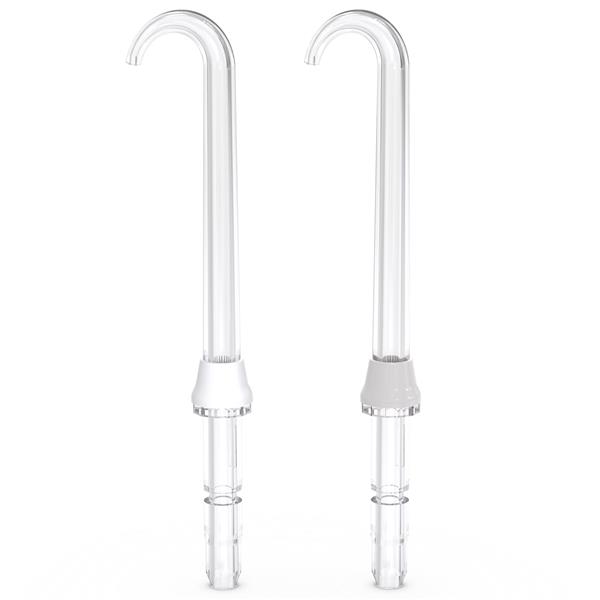
The Implant Denture Tip has a specially angled design that directs water between the gum tissue and the base of the denture. This flushes out bacteria and food debris that can lead to peri-implantitis, a serious condition causing bone loss around implants.
How to Clean Under Dentures
• Start on the lingual (tongue-side) edge of the denture
• Aim the nozzle into the space between gum and prosthesis
• Slowly glide along the full length to clean the entire span
Best used with countertop or ION models for precise control.
Replace Every 6 Months
While non-bristled, mineral deposits can build up inside the tip. Replace every six months or clean regularly with vinegar soaks.
Unique Benefit: Addresses a critical hygiene gap for implant patients, helping preserve long-term implant success.
Tongue Cleaner Tip for Fresh Breath
Bad breath often stems from bacteria on the tongue surface. The Tongue Cleaner Tip combines scraping with irrigation to remove biofilm and volatile sulfur compounds.
Dual-Action Cleaning Design
This spoon-shaped tip mechanically scrapes the tongue while water flushes away trapped debris. It is especially effective for users with thick tongue coating.
How to Use Safely
• Turn device OFF, set pressure to lowest
• Place tip halfway back on the tongue
• Turn on and pull forward with light pressure
• Repeat across desired areas
Can be used with higher pressure if comfortable.
Replace Every 6 Months
Material fatigue and hygiene concerns warrant replacement every six months. While functional, some dentists prefer manual scrapers due to mess from water spray.
Bottom Line: Not essential, but a convenient add-on if you want an all-in-one device.
Toothbrush Tip: Not a Replacement
The Toothbrush Tip looks like a manual brush head and attaches to your water flosser for combined brushing and flossing.
Limited Effectiveness
Despite its appeal, dental professionals do not recommend relying on this tip for primary cleaning. The large bristle head can block visibility and prevent accurate gumline targeting.
Use Only as an Adjunct
• Use short, gentle strokes at the gumline
• Can be used with or without toothpaste
• Follow with a dedicated water flossing tip for best results
Replace Every 3 Months
Bristle wear and hygiene concerns require replacement every three months.
Warning: Does not replace traditional brushing. Always brush first, then floss with an appropriate tip.
Boost Tip for Whitening and Stain Removal
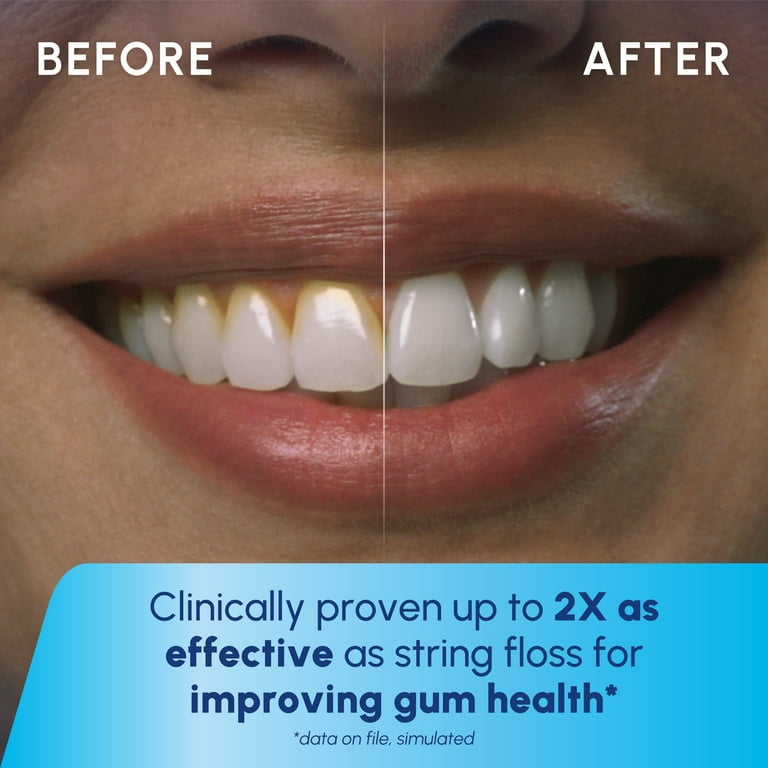
Coffee, tea, wine, or smoking stains? The Boost Tip enhances surface whitening with dissolvable tablets.
Glycine-Based Whitening Action
The tip contains a compartment for a whitening tablet that releases glycine into the water stream. Glycine is an amino acid with mild abrasive properties. Clinically proven to remove 25% more stains than brushing alone, per Waterpik research.
How to Use the Boost System
- Insert Boost Tip into handle
- Twist open compartment, insert tablet, close securely
- Fill reservoir with lukewarm water
- Floss as usual. Tablet dissolves with a minty fresh feel.
Replacement Schedule
• Tip: Every 6 months
• Tablets: One per day, replace monthly
Compatibility Limitations
Not compatible with Sidekick, Sonic-Fusion, Whitening, or Classic models.
Realistic Expectations: Results are similar to whitening toothpaste. Less effective than professional treatments. Best for hard-to-reach interdental areas.
Compatibility and Installation Guide
Not all water flosser heads work with every model. Understanding compatibility ensures proper function and safety.
Universal Design Features
• Snap-in connection with Tip Eject button for easy removal
• 360-degree rotation for improved maneuverability
• Color-coded rings for multi-user households
How to Install Any Tip
- Align tip with handle connector
- Push firmly until it clicks into place
- If leaking, turn off and reseat securely
How to Remove
Press the Tip Eject button and slide out gently.
Always verify compatibility before purchasing third-party or generic tips.
When to Replace Your Water Flosser Head
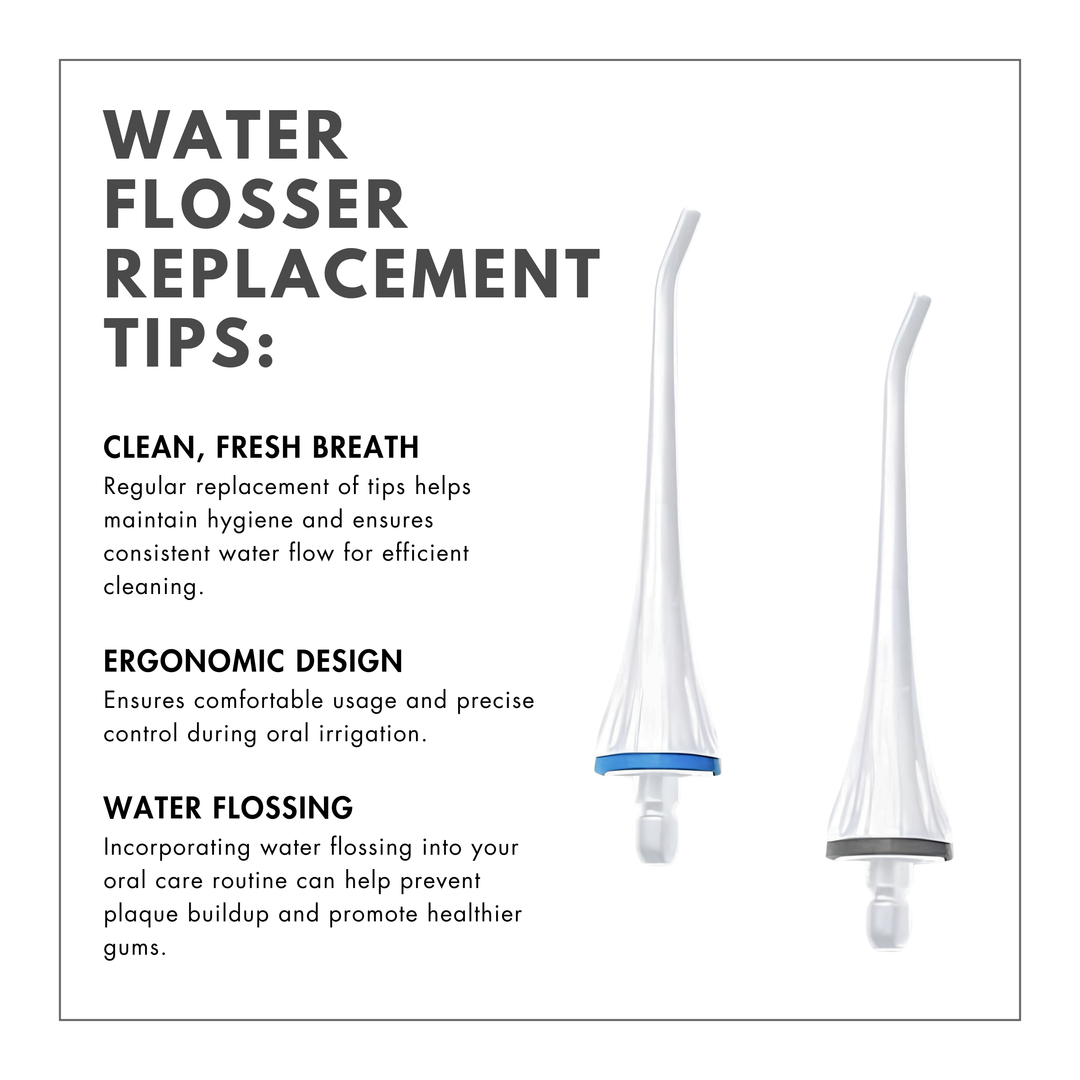
Replacing tips on schedule maintains performance and hygiene. Here is a quick-reference guide:
| Tip Type | Replace Every | Why |
|---|---|---|
| Precision / Classic Jet | 6 months | Mineral buildup, reduced flow |
| Orthodontic | 3 months | Bristle splaying |
| Plaque Seeker | 3 months | Bristle wear |
| Pik Pocket | 3 months | Safety risk if tip detaches |
| Implant Denture | 6 months | Mineral deposits |
| Tongue Cleaner | 6 months | Hygiene, material fatigue |
| Toothbrush | 3 months | Bristle degradation |
| Boost Tip | 6 months (tip), 30 days (tablets) | Wear, tablet depletion |
Hard water areas? Replace sooner. Soak tips in vinegar monthly to prevent clogs.
Cleaning and Maintenance Tips
Proper care extends tip life and prevents bacterial growth.
Weekly Cleaning Routine
- Remove tip using eject button
- Soak in hydrogen peroxide or white vinegar for 5 to 7 minutes
- Rinse thoroughly with warm water
- Air dry upright in a clean holder
Special Cases
• If using chlorhexidine or medicated rinse, flush system with plain water after use
• Never use bleach or abrasive cleaners
• Store tips separately to avoid cross-contamination
Matching Tips to Dental Conditions
Your dental situation determines the best water flosser head type. Use this quick reference:
| Condition | Recommended Tip(s) |
|---|---|
| General hygiene | Precision Jet Tip |
| Braces, aligners, retainers | Orthodontic Tip |
| Implants, crowns, bridges | Plaque Seeker Tip |
| Periodontal pockets (greater than 4mm) | Pik Pocket Tip |
| Fixed implant dentures | Implant Denture Tip |
| Surface stains | Boost Tip plus tablets |
| Tongue coating or bad breath | Tongue Cleaner Tip |
| Supplemental brushing | Toothbrush Tip (with caution) |
Pro Tip: Many users keep multiple tips, switching based on need or sharing among family members.
Frequently Asked Questions About Water Flosser Head Types
What is the best water flosser tip for everyday use?
The Precision Jet Tip is best for everyday use. It comes standard with most models and effectively cleans between teeth and along the gumline without bristles. It is ideal for users with healthy gums and no orthodontic work.
Can I use my water flosser with braces?
Yes, the Orthodontic Tip is specifically designed for braces. Its bristles scrub around brackets while water flushes out trapped food. Replace it every three months for optimal cleaning power.
How often should I replace my water flosser tip?
Replacement frequency depends on the tip type. Bristled tips (Orthodontic, Plaque Seeker, Pik Pocket, Toothbrush) need replacement every three months. Non-bristled tips (Precision, Implant Denture, Boost, Tongue Cleaner) last up to six months. Hard water areas may require more frequent replacement.
Is the Pik Pocket Tip safe for deep gum pockets?
Yes, when used correctly. Always start at the lowest pressure setting, insert the tip gently into the pocket before turning the device on, and never force water into the pocket. Consult your dentist for personalized guidance on using this tip for gum disease management.
Can I share my water flosser with family members?
Yes, most water flossers accept multiple tips. Use color-coded tips to distinguish between users. Each person should use their own tip for hygiene reasons, even when sharing the same device.
Does the Boost Tip really whiten teeth?
The Boost Tip can remove surface stains more effectively than brushing alone, with clinical studies showing 25% better stain removal. However, results are comparable to whitening toothpaste and less dramatic than professional dental whitening treatments.
Key Takeaways for Choosing Water Flosser Head Types
Choosing the right water flosser head type transforms your oral care routine from basic cleaning to targeted therapy. Bristled tips wear out faster and need replacement every three months. Non-bristled tips last six months but require descaling in hard water areas. The Pik Pocket Tip requires low pressure and proper insertion technique. Never force water into gum pockets.
For optimal results, start with the Plaque Seeker Tip to learn proper technique, then add condition-specific tips as needed. Always consult your dentist or hygienist for personalized recommendations based on your oral health needs.
Whether you are managing gum disease, maintaining implants, or just want a cleaner smile, the right water flosser head makes all the difference. Match your tip to your needs, and floss smarter, not harder.