If you’ve cracked a tooth, undergone a root canal, or struggled with a large cavity, your dentist may have recommended a tooth crown. But how does a tooth crown work? At its core, a dental crown is a custom-made cap that completely covers the visible portion of a damaged tooth, restoring its shape, strength, and function. Once bonded in place, it acts like a natural tooth—allowing you to chew, speak, and smile without discomfort or concern.
A crown isn’t just cosmetic—it’s a functional shield that protects weakened teeth from further damage. Whether used after root canal therapy, to anchor a dental bridge, or to replace a missing tooth on an implant, the crown integrates seamlessly into your bite. It’s engineered to distribute chewing forces evenly, prevent fractures, and seal out bacteria that could lead to decay. Thanks to advanced materials like zirconia and lithium disilicate, today’s crowns are both durable and virtually indistinguishable from natural teeth.
This guide explains exactly how dental crowns function, the types available, how they’re placed, and what you can do to make yours last for decades.
Reinforces Weak or Damaged Teeth
One of the most important roles of a dental crown is to strengthen a compromised tooth. When a tooth loses significant structure due to decay, trauma, or a large filling, it becomes fragile and prone to breaking under normal biting pressure.
Prevents Tooth Fractures
Teeth with large fillings have less natural tooth structure to hold them together. Without reinforcement, chewing hard foods can cause the tooth to split vertically—a fracture that often leads to extraction. A crown wraps around the tooth like a helmet, holding the remaining structure together and distributing chewing forces across its entire surface.
- High-risk cases: Molars with extensive decay or teeth that have had root canal treatment (which removes internal support and leaves the tooth brittle).
- Protective benefit: The crown absorbs most of the bite force, reducing stress on the fragile inner tooth.
Restores Function After Damage
A broken or severely worn tooth can’t chew effectively and may cause pain or jaw strain. A crown restores the original height, shape, and contour of the tooth, allowing it to function normally again.
- Real-world impact: Eating becomes easier and more comfortable.
- Long-term benefit: Prevents adjacent teeth from shifting and maintains proper bite alignment, reducing the risk of TMJ disorders.
Essential for Teeth After Root Canal Treatment

One of the most common reasons for placing a dental crown is after a root canal. While the procedure saves the tooth by removing infected pulp, it leaves the tooth hollow and structurally weakened.
Why Crowns Are Crucial Post-Root Canal
During a root canal, the soft inner tissue (pulp) is removed, and the inside of the tooth is cleaned and sealed. This process removes vital nutrients and moisture, making the tooth dry and brittle over time. Without a crown:
– The tooth is at high risk of cracking or shattering when biting.
– Bacteria can re-enter through micro-gaps, leading to reinfection.
Studies show that up to 90% of root canal-treated molars without crowns fail within a few years, often requiring extraction.
Ensures Long-Term Tooth Survival
Placing a crown after a root canal:
– Reinforces the tooth against everyday chewing forces.
– Seals the treated area from bacterial contamination.
– Prevents re-infection and potential tooth loss.
Most dentists recommend getting the crown within a few weeks of the root canal to maximize the tooth’s lifespan and avoid complications.
Anchors Dental Bridges and Completes Implants
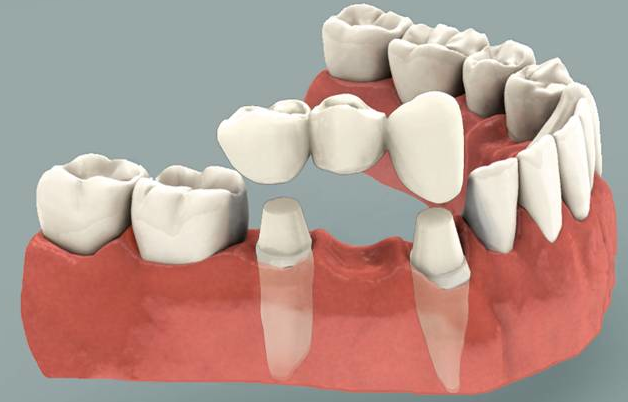
Crowns aren’t only for damaged natural teeth—they’re also essential components in replacing missing teeth through bridges and implants.
Secures Dental Bridges
A dental bridge replaces one or more missing teeth by anchoring artificial teeth (pontics) to adjacent natural teeth. To support this extra load, those neighboring teeth must be capped with crowns.
- How it works: The teeth on either side of the gap are prepared and fitted with crowns. These crowns are fused to the false tooth in between, creating a single, stable unit.
- Result: A fixed restoration that doesn’t slip or move during eating or speaking.
Finishes Dental Implant Restorations
A dental implant consists of three parts:
1. Titanium post (embedded in the jawbone)
2. Abutment (connects the post to the crown)
3. Crown (the visible replacement tooth)
The final crown is custom-designed and attached to the abutment. It looks, feels, and functions like a natural tooth—without affecting neighboring teeth.
- Advantage over bridges: No need to alter healthy adjacent teeth.
- Longevity: With proper care, implant-supported crowns can last 20 years or more.
How Crowns Distribute Bite Forces
A key mechanical function of a crown is evenly distributing chewing pressure across the tooth.
Reduces Stress on Weakened Teeth
Natural teeth are built to handle bite forces, but damaged or root canal-treated teeth aren’t. A well-fitted crown spreads the load over its entire surface, preventing concentrated stress points that could lead to cracks.
- Engineered fit: The crown is shaped to match your natural bite (occlusion), ensuring smooth contact with opposing teeth.
- Prevents TMJ issues: An improperly high crown can cause jaw pain; dentists carefully adjust the fit to avoid strain.
Mimics Natural Wear Patterns
Modern crowns are crafted to wear like natural enamel. Materials like zirconia and lithium disilicate are strong enough to withstand chewing but gentle enough not to damage opposing teeth.
- Critical balance: Too soft, and the crown wears down quickly; too hard, and it grinds down natural teeth.
- Zirconia advantage: Offers high strength with minimal wear on neighboring teeth.
Types of Crown Materials Compared
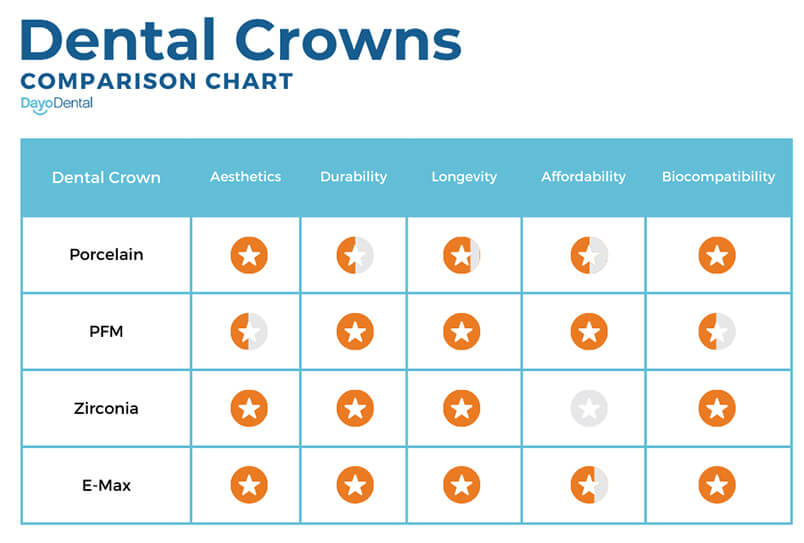
The performance and appearance of a crown depend on the material used. Each type has unique strengths based on durability, aesthetics, and location in the mouth.
All-Ceramic Crowns: Best for Front Teeth
Made entirely of porcelain or glass-based materials, these crowns offer the most natural appearance.
- Pros: Excellent color matching, no metal, ideal for metal allergies
- Cons: Less durable than zirconia, slight risk of chipping
- Best for: Visible front teeth where appearance matters most.
Zirconia Crowns: Strong and Natural-Looking
Zirconia is a crystalline material known for its strength and biocompatibility.
- Pros: Extremely durable, resists fractures, natural translucency
- Cons: Can be abrasive if poorly polished, harder to adjust after placement
- Best for: Back teeth and patients who grind their teeth.
Porcelain-Fused-to-Metal (PFM) Crowns
These combine a metal core with a porcelain outer layer.
- Pros: Stronger than all-ceramic, good aesthetic finish
- Cons: Metal may show at gumline, porcelain can chip
- Best for: Premolars and molars needing strength and moderate aesthetics.
Metal Crowns: Most Durable Option
Made from gold alloy or base metals like chromium and nickel.
- Pros: Longest lifespan (20+ years), minimal tooth removal, highly resistant
- Cons: Metallic color makes them less desirable for front teeth
- Best for: Back molars where visibility is low.
All-Resin and Temporary Crowns
Resin crowns are typically used as short-term solutions.
- Pros: Low cost, easy to adjust
- Cons: Wear down quickly, prone to chipping
- Lifespan: 3–5 years (or just weeks for temporaries)
- Use case: Temporary protection or budget-conscious patients.
Same-Day Crowns: One Visit Solution
Thanks to CAD/CAM technology, many dentists now offer same-day crowns using systems like CEREC.
How Same-Day Crowns Work
- The tooth is prepared.
- A digital scan replaces messy impressions.
- Software designs the crown in minutes.
- An in-office milling machine carves it from a ceramic block.
- The crown is polished and cemented—all in one appointment.
- Benefits: No temporary crown, fewer visits, immediate restoration
- Limitations: Not suitable for all cases (e.g., multi-unit bridges)
Step-by-Step Crown Placement Process
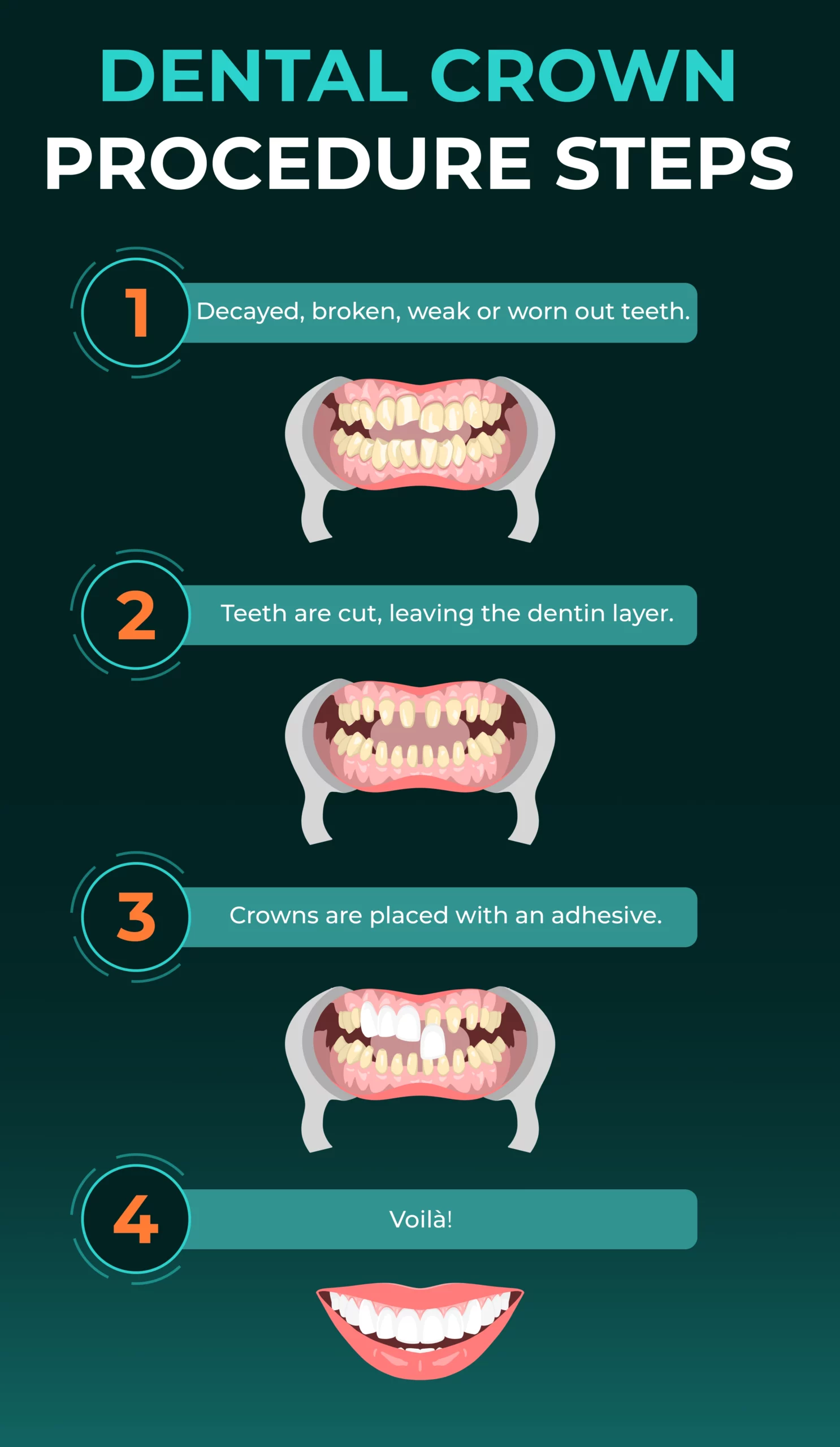
Getting a traditional crown usually takes two visits, though same-day crowns reduce this to one.
First Visit: Prepare and Protect
-
Exam and X-Ray
The dentist checks the tooth and may take X-rays to assess root and bone health. -
Numb the Area
Local anesthesia ensures pain-free reshaping. -
Reshape the Tooth
About 1–2 mm of enamel is removed to make space for the crown. -
Take Impressions
Either putty impressions or a digital scan captures the tooth’s shape. -
Choose the Shade
For visible teeth, the dentist matches the crown to your natural teeth. -
Place Temporary Crown
A resin crown is cemented temporarily to protect the tooth.
- Care tip: Avoid sticky or hard foods to prevent the temporary from coming loose.
Second Visit: Fit and Secure Permanent Crown
-
Remove Temporary Crown
The temporary is taken off, and the tooth is cleaned. -
Test Fit and Color
The permanent crown is tried on to check fit, bite, and appearance. -
Adjust and Polish
Minor shaping ensures comfort and proper occlusion. -
Cement Permanently
The crown is bonded with strong dental cement and cured with light if needed.
Recovery and Aftercare Tips
Most patients adjust to their new crown within a few days.
Immediate Post-Procedure Care
- Sensitivity: Mild sensitivity to hot or cold is common for a few days.
- Pain relief: Over-the-counter painkillers like ibuprofen can help.
- Avoid chewing on the side until numbness wears off.
Long-Term Maintenance
- Brush and floss daily: Pay attention to the gumline.
- Use floss threaders or water flossers to clean under the crown.
- Avoid hard foods: Don’t bite ice or hard candy.
- Wear a night guard if you grind your teeth.
How Long Do Crowns Last?
With proper care, most crowns last 10 to 15 years, but many last 20–30 years.
Factors That Affect Lifespan
| Factor | Impact |
|---|---|
| Oral hygiene | Poor cleaning leads to decay under the crown |
| Grinding/clenching | Increases wear; a night guard helps |
| Diet | Hard or sticky foods shorten crown life |
| Material | Zirconia and metal last longer than porcelain |
| Cement quality | Poor bonding can lead to loosening |
Final Note: A dental crown is one of the most effective ways to save a damaged tooth. It works by acting as a protective shell that restores strength, function, and appearance. Whether you need it after a root canal, to replace a missing tooth, or to repair a fracture, the crown integrates naturally into your mouth. With proper care—good hygiene, regular checkups, and avoiding harmful habits—your crown can last for decades. Advances in materials and same-day technology make the process faster and more comfortable than ever. If your dentist recommends a crown, it’s likely the best way to preserve your natural smile.