You’ve seen it in music videos, on red carpets, or maybe even in your neighborhood—a gleaming gold tooth catching the light with undeniable flair. But how do you actually get a gold tooth? The answer isn’t just about style—it’s a real dental decision with lasting consequences. Whether you’re restoring a damaged molar, replacing a missing tooth, or making a bold fashion statement, a gold tooth can be a functional, durable, and eye-catching choice.
Today, gold teeth come in multiple forms: permanent crowns, implant-supported restorations, denture enhancements, and removable grillz. Each option varies in cost, permanence, procedure, and maintenance. While gold was once the standard in restorative dentistry, it’s now often chosen for both its unmatched durability and its standout aesthetic.
In this guide, you’ll learn exactly how to get a gold tooth—step by step. We’ll explore every method available, compare costs, break down pros and cons, and help you decide which path fits your needs, budget, and lifestyle. Whether you’re looking for strength, longevity, or shine, this is your roadmap to a gold smile.
Choose the Right Gold Tooth Option for You
Not all gold teeth are created equal. Your goals—functional restoration or cosmetic enhancement—will determine the best route. Understanding the four main types helps you make an informed, confident decision.
Permanent Gold Crown on a Natural Tooth
A permanent gold crown caps a weakened or decayed natural tooth. After the tooth is reshaped, a custom-fitted gold crown is fabricated in a lab and cemented in place.
Best for: Back teeth (molars/premolars), people with bruxism, or those prioritizing long-term durability.
Why it works: Requires less tooth removal than porcelain, lasts 20–40 years, and is gentle on opposing teeth.
What to expect: Involves drilling, anesthesia, and two dental visits. Not reversible.
Gold Crown on a Dental Implant
When a tooth is missing, a titanium implant is surgically placed into the jawbone. After healing, a gold crown is attached—only the visible part is gold.
Best for: Replacing missing teeth with maximum stability and function.
Why it works: Prevents bone loss, doesn’t affect neighboring teeth, and offers natural chewing ability.
What to expect: Requires 3–6 months of healing. Higher upfront cost but long-term value.
Gold Tooth Added to a Denture
A gold crown can be built directly into a removable full or partial denture. No surgery or tooth modification is needed.
Best for: Denture wearers or those avoiding invasive procedures.
Why it works: Non-invasive, affordable, and fully customizable.
What to expect: Easy fitting, no anesthesia, and simple cleaning.
Removable or Permanent Grillz
Grillz are decorative covers that snap over healthy teeth. Made from solid gold, gold-plated metal, or studded with gems.
Best for: Cosmetic enhancement without altering natural teeth (if removable).
Why it works: Instant transformation, no drilling, and trendy appeal.
What to expect: Daily cleaning required. Poorly fitted grillz can cause decay or gum irritation.
Get a Permanent Gold Crown: The Durable Solution

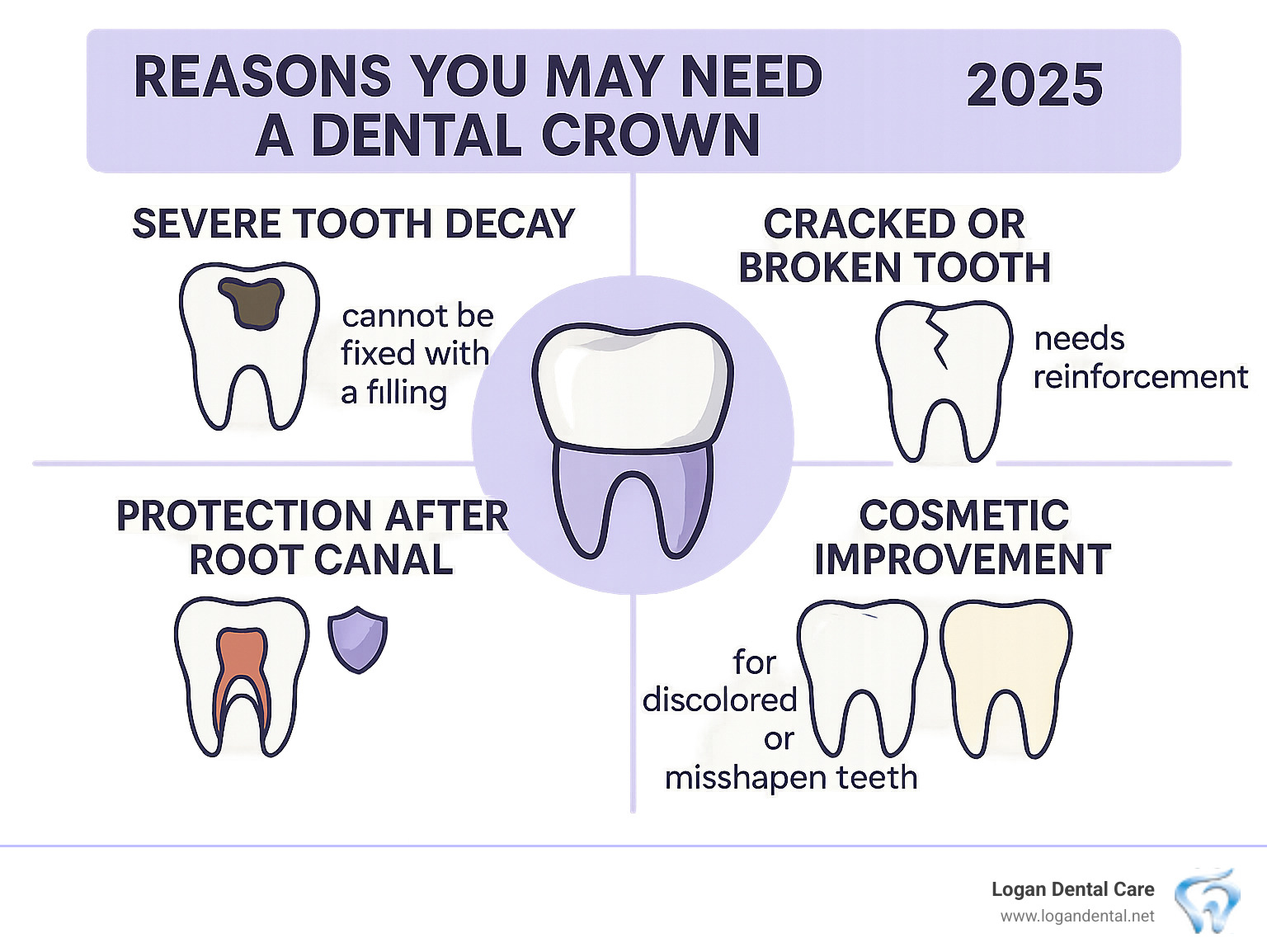
If you have a damaged or root-canaled tooth, a gold crown may be the strongest, longest-lasting fix.
Why Dentists Still Choose Gold
Despite its decline in popularity due to aesthetics, many dentists consider gold the gold standard—literally. It’s biocompatible, wears like natural enamel, and requires less tooth reduction than porcelain or zirconia. For molars—where strength matters more than looks—gold outperforms most materials.
Key benefits:
– Lasts 20–40+ years
– Gentle on opposing teeth
– Resists chipping and corrosion
– Minimal tooth removal
– Excellent marginal seal prevents decay
Ideal for: Patients with heavy bite forces, bruxism, or metal allergies (pure gold alloys rarely cause reactions).
Step-by-Step: How to Get a Gold Crown
-
Initial Consultation
Your dentist evaluates the tooth, checks for decay or infection with X-rays, and discusses gold alloy options (14K, 16K, or 18K). -
Tooth Preparation
The area is numbed, and the tooth is filed down to accommodate the crown. A temporary crown is placed. -
Impressions and Shade Selection
Digital scans or physical molds are sent to a lab. You choose the gold shade—yellow, white, or rose gold. -
Crown Fabrication
A dental lab crafts the crown using high-noble alloys (gold, platinum, palladium). Takes 1–2 weeks. -
Final Placement
The temporary crown is removed, the gold crown is tried on, adjusted, and permanently cemented. Bite and polish are finalized.
Time: 2–3 weeks, two visits
Cost: $800–$2,500 per tooth (U.S.)
Common Mistakes to Avoid
- Choosing gold for front teeth without considering social impact.
- Skipping root canal treatment if needed—a compromised tooth can fail under the crown.
- Using low-quality alloys—ask for high-noble content (60%+ precious metals).
- Poor oral hygiene—plaque buildup at the crown margin can cause decay underneath.
Install a Gold Crown on an Implant: Replace Missing Teeth Strongly
If you’re missing a tooth, a gold crown on an implant offers unmatched stability and function.
How It Works
Unlike crowns on natural teeth, implant crowns replace both the root and crown. A titanium post integrates with your jawbone, acting as a new root. After healing, a gold crown is attached.
Why choose this:
– Prevents jawbone loss
– No impact on adjacent teeth
– Long-lasting and natural-feeling
– Only the crown is gold—the post is titanium
Implant Process: Step by Step
-
Oral Evaluation
A 3D CBCT scan checks bone density and nerve position. Gum health must be optimal. -
Implant Surgery
Under local anesthesia, the titanium post is placed into the jaw. Stitches close the site. -
Osseointegration (3–6 Months)
Bone fuses with the implant. Avoid pressure during healing. -
Abutment Attachment
A connector is screwed onto the implant. Gums heal around it in 1–2 weeks. -
Impressions and Crown Fabrication
A lab creates a custom gold crown to match your bite. -
Crown Placement
The gold crown is cemented or screwed on. Final adjustments ensure comfort.
Total Time: 4–8 months
Cost: $1,800–$6,000+ per tooth
Who Should Avoid This?
- Patients with low jawbone density (may need a bone graft)
- Smokers (higher failure risk)
- Those with uncontrolled diabetes or immune disorders
- People unwilling to wait months for results
Add Gold to a Denture: Non-Invasive and Affordable

Want a gold tooth without drilling or surgery? Adding one to a denture is fast, reversible, and budget-friendly.
Benefits of Denture-Mounted Gold
- No anesthesia or tooth prep
- Lower cost than implants or crowns
- Fully customizable—add one or multiple gold teeth
- Removable for easy cleaning
Best for: Older adults, denture users, or those wanting a bold look without commitment.
How It’s Done
-
Consultation
Your dentist checks gum health and discusses placement (e.g., front tooth for visibility). -
Design and Material Choice
Pick gold shade and tooth shape. Choose solid gold or high-karat alloy. -
Lab Integration
The gold crown is fused into the denture base. For existing dentures: retrofitting costs $300–$1,000. -
Fitting and Adjustments
Dentist ensures proper bite and comfort. Minor tweaks are made as needed.
Time: 2–3 weeks
Cost: $500–$1,500 (new denture); $300–$1,000 (retrofit)
Maintenance Tips
- Remove and clean daily
- Soak in non-abrasive solution
- Avoid hot water—can warp the base
- Visit your dentist annually to check fit
Wear Removable Grillz: Instant Bling, Zero Permanence

For instant style without altering your teeth, removable grillz are the go-to.
Types of Grillz
- Single Tooth Grill: One front tooth—subtle but flashy
- Full Set (6–8 teeth): Covers upper or lower front teeth
- Double Grillz: Upper and lower sets
- Custom Designs: Names, logos, or diamonds
Materials:
– Solid gold (10K–18K): Durable, hypoallergenic, expensive
– Gold-plated: Cheaper but wears off; not recommended
– Diamond-encrusted: $5,000–$50,000+
How to Get Properly Fitted Grillz
-
Dental Impression
A dentist or jeweler takes a mold for a precise fit. -
Lab Fabrication
Custom grill made in 1–2 weeks. -
Fitting and Delivery
Try-on ensures comfort. Adjustments made if needed.
Avoid DIY kits—poor fit can cause gum irritation or tooth damage.
Risks of Wearing Grillz
- Plaque buildup from trapped food
- Tooth decay and gum disease if worn too long
- Bad breath from debris
- Tooth shifting with prolonged use
- TMJ pain from pressure on jaw
Pro Tip: Never eat, drink (except water), or sleep with grillz in.
Understand the Costs: Budgeting for Your Gold Tooth
Prices vary widely by method, material, and location.
Cost Comparison (Per Tooth)
| Option | U.S. Cost Range |
|---|---|
| Gold Crown (Natural Tooth) | $800 – $2,500 |
| Gold Crown on Implant | $1,800 – $6,000+ |
| Gold on Denture | $300 – $1,500 |
| Removable Single Grill | $200 – $600 |
| Full Grill Set | $1,000 – $5,000+ |
| Diamond-Encrusted Grill | $5,000 – $50,000+ |
What Affects Price?
- Gold purity: 18K costs more than 14K
- Lab fees: Custom work requires skilled technicians
- Dentist expertise: Specialists charge more
- Technology: Digital scans add $100–$300
- Location: Urban areas cost more
Insurance and Payment Options
- Medically necessary crowns may be 50% covered
- Cosmetic upgrades (choosing gold) are rarely covered
- Use FSA/HSA with pre-tax dollars
- Financing: CareCredit, LendingClub, or in-office plans
Weigh the Pros and Cons
Every option has trade-offs. Match your priorities to your choice.
Advantages of Gold Teeth
- Extremely durable—outlasts porcelain and zirconia
- Biocompatible—low allergy risk
- Minimal tooth reduction—preserves natural structure
- Corrosion-resistant—won’t tarnish
- Gentle on opposing teeth—ideal for grinders
- Long-term value—fewer replacements
Disadvantages to Consider
- High upfront cost—especially implants
- Aesthetic mismatch—metal look not ideal for front teeth
- Social perception—seen as flashy in some settings
- Limited availability—not all dentists offer gold
- Maintenance required—daily cleaning essential
- Permanence—cemented crowns can’t be removed without damage
Maintain Your Gold Tooth: Protect Your Investment
Longevity depends on care. Follow these tips:
- Brush twice daily with a soft-bristled brush
- Floss around crown margins
- Use non-abrasive toothpaste—avoid whitening or charcoal
- Clean grillz separately with mild soap
- Visit your dentist every 6 months
- Avoid chewing ice, hard candy, or using teeth as tools
Final Note
Getting a gold tooth is more than a fashion move—it’s a dental decision with lasting impact. Whether you choose a permanent crown, implant, denture addition, or removable grillz, each option offers unique benefits. Gold crowns remain a top choice among dentists for durability and function, especially in the back of the mouth. Implants provide the most natural replacement for missing teeth. Denture-mounted gold teeth offer a non-invasive alternative. And grillz deliver instant style without commitment.
Consider your oral health, budget, and lifestyle before deciding. Talk to your dentist, ask about materials and labs, and explore insurance options. With proper care, a gold tooth can last decades—making it not just a statement, but a smart, long-term investment in your smile.