
If your Waterpik water flosser tip keeps popping out, you’re dealing with a frustrating issue that disrupts your oral care routine and reduces cleaning effectiveness. This problem is especially common in cordless models like the WF-13 Series, where the locking mechanism fails to hold the tip securely during use. The good news is that most cases can be resolved with simple cleaning, maintenance, or adjustments.
This guide covers exactly why your tip ejects during use, how to diagnose the root cause, and what steps you can take to restore a secure connection. Whether you have a brand-new unit or a well-used device, you’ll learn actionable fixes and preventive strategies to keep your Waterpik working smoothly.
How the Waterpik Tip Locking System Works

Understanding how your Waterpik holds the tip in place is essential for fixing ejection issues. The system relies on four precision components working together.
The tip collar is the outer sleeve that snaps over the tip base. Spring-loaded ball bearings are tiny metal spheres that press into the tip’s retention groove. The retention groove itself is a circular indent on the tip where the bearings lock in place. The release button retracts the bearings when pressed, allowing tip removal.
When you insert the tip properly, the ball bearings should snap into the retention groove with an audible click. If any component fails due to wear, buildup, or weak springs, the tip won’t stay locked during use.
Why Your Waterpik Tip Keeps Popping Out
Five common causes explain why tips eject during use. Identifying the specific trigger helps you apply the right fix.
Mineral Buildup from Hard Water
Hard water leaves calcium and magnesium deposits that gum up the ball bearings and prevent full engagement. Signs include a stiff feeling when inserting the tip or a missing click sound. Even minor scale can stop the bearings from seating properly. Soaking in white vinegar dissolves these deposits and restores function.
Worn or Weak Spring Mechanism
The spring pushes the ball bearings outward to maintain pressure. If it’s fatigued or weak, the bearings won’t press firmly into the tip’s groove. This issue is more common in older units and some WF-13 models with underpowered factory springs. You can test spring tension by removing the collar and checking if the spring feels loose.
Damaged Tip Retention Groove
Repeated insertion and removal can wear down the plastic groove on the tip. Check for cracks, warping, or flattened edges on the groove. Tips used across multiple devices may show uneven wear. A compromised groove cannot be securely gripped by the ball bearings.
Improper Insertion Technique
Many users don’t push the tip in fully, missing the click that confirms locking. The fix is simple: insert firmly until you hear and feel the snap. Rotating slightly while pushing helps with alignment and ensures full engagement.
Design Flaws in Cordless Models
Users consistently report that WF-13 and similar cordless models have looser tolerances than countertop versions. A tip that stays secure in a WP-660 may pop out in a WF-13. This indicates design inconsistency rather than user error.
Quick Fixes to Stop Tip Ejection
These solutions address the most common causes and work for most users.
Clean with Vinegar to Remove Buildup
Mineral deposits are the number one culprit behind tip ejection.
Steps:
1. Remove the tip and collar from the handle.
2. Soak the handle end and tip base in white vinegar for 4 to 6 hours.
3. Rinse thoroughly with clean water.
4. Reassemble and test the connection.
This method restores smooth bearing movement in approximately 80% of cases. For faster results, use a soft toothbrush to scrub around the ball bearings while soaking.
Lubricate the Locking Mechanism
Dry or sticky parts prevent full engagement. Use food-grade silicone lubricant and apply a tiny drop on the ball bearings, inside the collar, and around the release button. Re-lubricate after each vinegar soak. Avoid petroleum-based products as they can damage rubber or plastic components. Using too much lubricant attracts dirt, so apply sparingly.
Stretch the Spring If Accessible
If the spring is weak but intact, gently stretch it to restore tension. Remove the collar and spring, then use tweezers to pull the spring slightly longer by 1 to 2 millimeters. Reinstall and test the connection. This technique is part of an 85% fix rate when combined with cleaning and lubrication.
Replace Worn O-Rings
A failing O-ring can indirectly affect tip stability by altering internal pressure or alignment. Replace with dental-grade silicone O-rings, typically 6mm or 8mm inner diameter. This improves the seal and overall handle-tip fit.
Prevent Future Tip Popping Issues
Taking proactive steps stops the problem from returning.
Use Distilled or Filtered Water
Tap water causes scale buildup that compromises the locking mechanism. Switching to distilled or filtered water cuts mineral deposits by up to 90%. This also extends pump life and maintains consistent pressure. Using distilled water increases mechanism life by approximately 300% according to dental professionals.
Perform Weekly Vinegar Flush
Prevent clogs before they start by running a weekly maintenance solution.
Steps:
1. Mix 2 tablespoons of white vinegar with 16 ounces of warm water.
2. Fill the reservoir and run half the solution through the device.
3. Let it sit for 5 minutes.
4. Finish running the rest, then flush with clean water.
Rotate Your Tips
Using the same tip daily accelerates groove wear. Own 2 to 3 tips and rotate them weekly to distribute wear evenly. Replace bristle tips (orthodontic, toothbrush) every 3 months and jet tips (standard) every 6 months.
Store Properly After Use
Leaving moisture inside promotes mold and mineral crystallization. Empty the reservoir after each use and store the device upright in a dry area. Whether you leave the tip in or remove it is your choice, as long as everything stays dry.
Model-Specific Problems and Upgrades
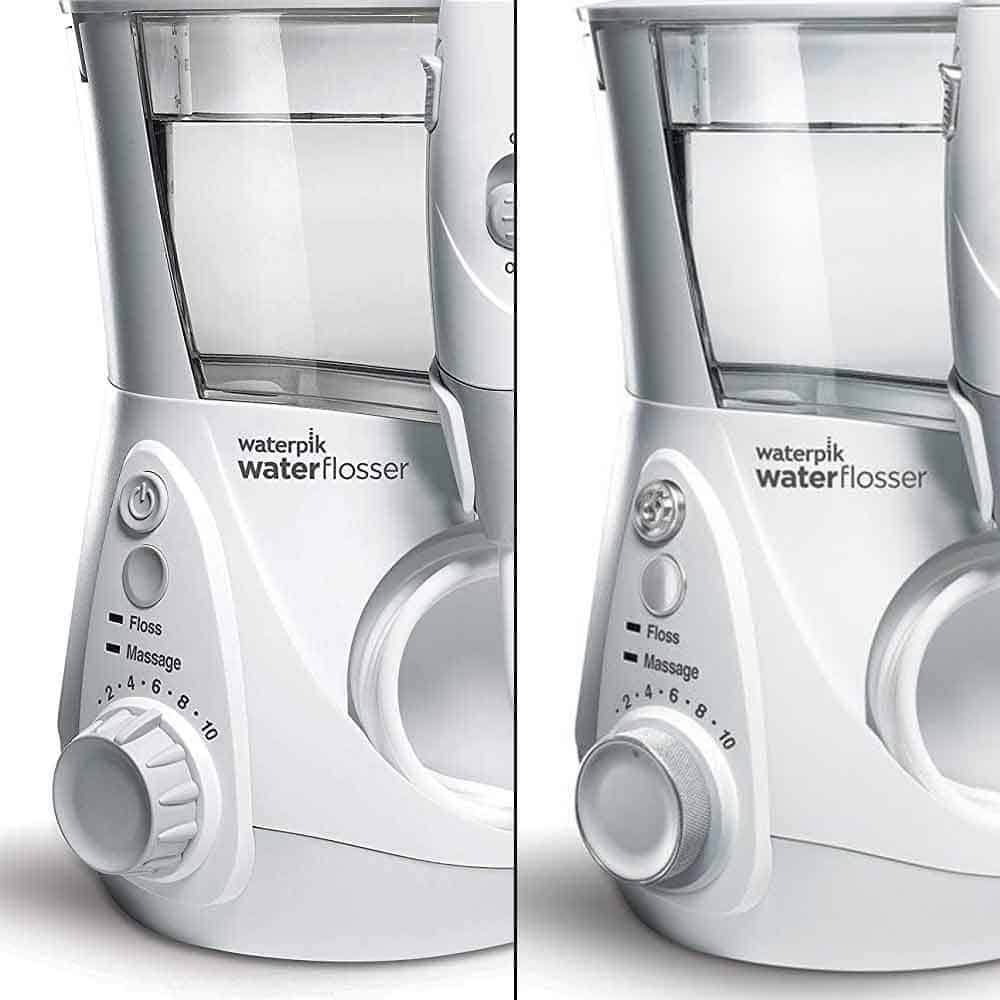
Certain Waterpik models have known issues with tip retention.
WF-13 Series Problems
The WF-13 cordless model is frequently reported for tip ejection, even on first use. The cause is loose tolerances in the locking mechanism. The same tip that works perfectly in a countertop model fails in this cordless version. Contact Waterpik if your device is under warranty.
Better Alternatives: WP-660 and WP-667
Newer models feature stronger springs, tighter tip-handle fit, and improved durability overall. If your WF-13 keeps failing, consider upgrading to a WP-660 or WP-667 for long-term reliability.
Future Design Improvements
Waterpik is exploring new attachment systems to eliminate push-button ejection issues. Magnetic locks using neodymium magnets and twist-lock mechanisms similar to camera lens mounts are in development. These modular designs would allow tool-free replacement.
When to Contact Waterpik Support
If DIY fixes fail, your device may be defective and warrant professional attention.
Warranty Eligibility
Tip ejection on first use likely qualifies as a manufacturing defect. Most Waterpik units have a 2-year warranty. If you purchased in 2025, you’re almost certainly covered.
How to Reach Waterpik
Call 1-800-525-2774 Monday through Thursday from 9 AM to 7 PM EST, or Friday from 9 AM to 4 PM EST. You can also visit waterpik.com/support for online assistance. Have your model number ready (such as WF-13 or WP-660) and describe the issue clearly: “Tip pops out during use even with proper insertion.”
What Support Can Provide
Waterpik offers free replacement handles or tips, warranty repairs, or full unit swaps depending on your situation. They can also provide model-specific troubleshooting guidance.
Related Issues That Worsen Tip Ejection
Several other problems increase the chances of tip ejection even when the lock mechanism is otherwise sound.
Low water pressure causes users to press harder against teeth, increasing dislodgement risk. This stems from clogged tips, weak batteries, or valve issues. Clean the tip, charge fully, and check for blockages to restore proper pressure.
Clogged or dirty tips create backpressure that pushes against the tip-handle connection. This pressure can force a weakly locked tip to pop out. Soak tips in vinegar monthly to prevent this issue.
Intake valve failure in cordless Plus models causes pressure surges that stress the locking mechanism. Keeping tips clean and avoiding excessive pressure against teeth helps prevent this problem.
Frequently Asked Questions About Waterpik Tip Popping Out
Why does my Waterpik tip keep popping out during use?
The tip pops out because the locking mechanism isn’t engaging properly. This happens due to mineral buildup, worn springs, damaged retention grooves, improper insertion, or design flaws in cordless models. Identifying the specific cause helps you apply the right fix.
Can I use my Waterpik with tap water?
You can but it’s not recommended. Tap water contains minerals that accumulate inside the device and interfere with the locking mechanism. Using distilled or filtered water prevents scale buildup and extends the life of internal components by up to 300%.
How often should I replace my Waterpik tips?
Replace bristle tips (orthodontic and toothbrush tips) every 3 months and jet tips every 6 months. Rotating between multiple tips extends overall tip lifespan and prevents premature groove wear that causes ejection.
Does the Waterpik warranty cover tip popping issues?
Yes, if the issue occurs on first use or within the warranty period, it likely qualifies as a manufacturing defect. Contact Waterpik at 1-800-525-2774 for free replacement or repair. Have your purchase date and model number ready.
What’s the fastest way to fix a popping tip?
Soak the handle and tip in white vinegar for 4 to 6 hours, then lubricate the ball bearings with food-grade silicone. Reinsert the tip firmly until you hear the click. This resolves approximately 80% of cases.
Key Takeaways for Fixing Your Waterpik Tip
A Waterpik tip that keeps popping out is fixable in most cases. The key is identifying whether the cause is mineral buildup, worn components, improper insertion, or a design flaw in your specific model.
For immediate results, deep clean the handle and tip with vinegar, lubricate the ball bearings, and confirm full insertion with an audible click. For long-term reliability, always use distilled water, perform weekly vinegar flushing, rotate tips regularly, and store the device dry.
If your unit is new or under warranty, don’t attempt extensive DIY repairs. Contact Waterpik at 1-800-525-2774 for free support and potential replacement. Persistent problems with older cordless models may warrant upgrading to a WP-660 or WP-667 with improved locking mechanisms.
Stay consistent with maintenance and your Waterpik will keep your smile clean without the frustrating splashback of a popping tip.