Wisdom tooth pain can hit without warning—a deep, throbbing ache in the back of your mouth that sometimes spreads to your jaw, ear, or even your head. It’s not just discomfort; it’s often a sign of a deeper issue like impaction, infection, or gum inflammation. The good news? You don’t have to suffer. Whether you’re waiting for a dental appointment or dealing with a sudden flare-up at home, there are proven ways to stop wisdom tooth pain fast.
This guide gives you immediate, science-backed strategies to relieve pain—from simple saltwater rinses to targeted over-the-counter medications. You’ll also learn which natural remedies actually work, how to adjust your diet and sleep habits for comfort, and when it’s time to see a dentist. Most importantly, you’ll understand the long-term solutions that can end the cycle of pain for good. Let’s dive into how to calm the ache and protect your oral health.
Immediate Pain Relief at Home
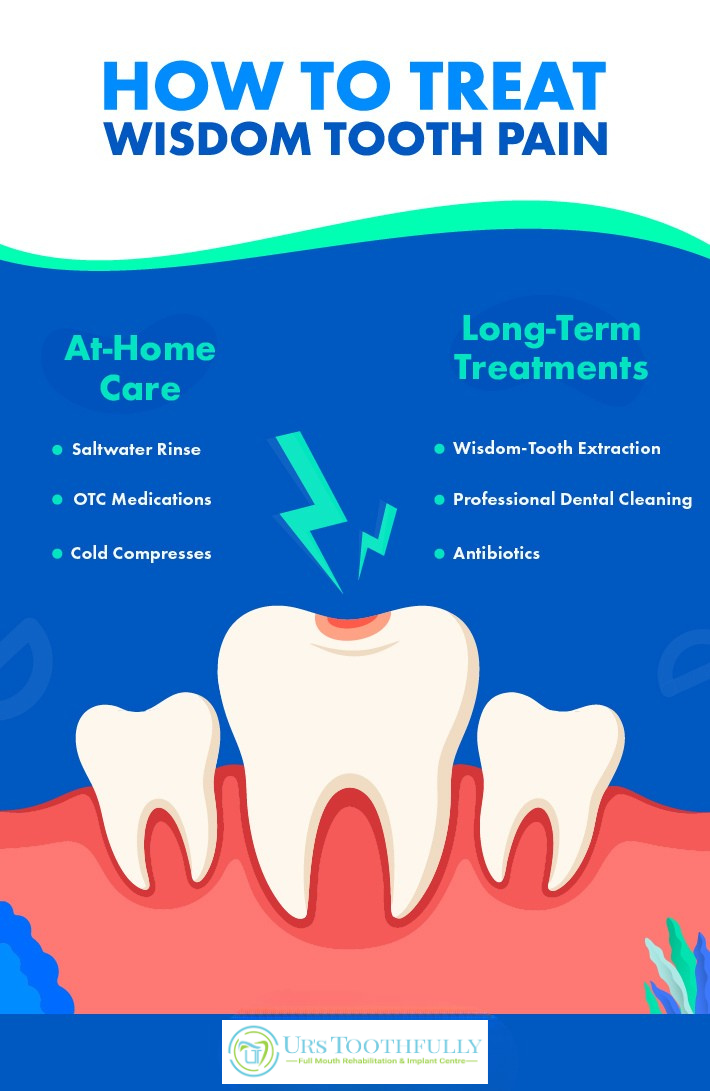
When wisdom tooth pain flares up, acting quickly can reduce swelling and ease discomfort within minutes.
Saltwater Rinses for Swelling
One of the most effective first steps is a warm saltwater rinse. It reduces gum inflammation, flushes out trapped food, and creates an environment where bacteria struggle to thrive.
- Mix ½ to 1 teaspoon of salt in 8 ounces of warm water.
- Swish gently around the painful area for 30–60 seconds, then spit.
- Repeat 3–4 times daily, especially after eating.
Salt draws fluid from swollen tissues, helping them shrink and heal. Studies show this simple rinse can be as effective as prescription antiseptic mouthwashes like chlorhexidine—without the side effects. It’s safe to use multiple times a day and ideal for recurring pericoronitis (gum flap infection).
Cold Compress for Acute Pain
If your face is swollen or the pain is sharp and intense, a cold compress works fast.
- Wrap ice in a thin cloth or use a gel pack.
- Apply to the outside of your cheek for 10–15 minutes.
- Take a 15-minute break before reapplying.
- Repeat every 2–3 hours as needed.
Cold therapy constricts blood vessels, numbing nerve endings and reducing inflammation. It’s most effective in the first 48 hours of a flare-up.
Warm Compress for Jaw Stiffness
After two days—or if the pain turns into a dull, stiff ache—switch to heat.
- Soak a clean towel in warm (not hot) water.
- Hold it against your jaw for 15–20 minutes.
- Repeat several times a day.
Heat boosts circulation, relaxes tight muscles, and eases pressure from clenching. If swelling increases with heat, return to cold therapy.
Natural Remedies That Work

Many natural options provide fast, soothing relief by targeting pain, infection, and inflammation—without a prescription.
Clove Oil for Numbing
Clove oil contains eugenol, a natural anesthetic and antimicrobial compound used in dentistry.
- Dilute 1–2 drops in 1 teaspoon of coconut or olive oil.
- Soak a cotton ball and press it against the tooth for 5–10 minutes.
- Use up to 3 times daily.
You can also place a whole clove on the tooth and gently bite down. Avoid undiluted clove oil—it can irritate tissue and, in high doses, may cause liver toxicity.
Peppermint for Cooling Relief
Peppermint’s menthol creates a cooling sensation that masks pain.
- Apply peppermint extract with a cotton ball.
- Or, steep a peppermint tea bag, cool it, and press it over the area for 10–15 minutes.
It also has mild antibacterial properties and freshens your breath.
Vanilla Extract Soothing
Pure vanilla extract contains alcohol and antioxidants that numb nerve endings.
- Soak a cotton ball in 100% pure vanilla extract.
- Hold it on the sore spot for 15–20 minutes.
It’s safe, pleasant-smelling, and ideal for nighttime use.
Garlic and Ginger Paste
Both are powerful natural fighters against pain and infection.
- Crush a clove of raw garlic and mix with grated fresh ginger.
- Apply the paste to the gum 2–3 times daily.
While strong-tasting, this combo delivers strong antimicrobial and anti-inflammatory effects right where you need them.
Turmeric Paste Application
Turmeric’s curcumin is a potent anti-inflammatory.
- Mix ½ teaspoon turmeric powder with water or oil.
- Apply to the area, leave for 10 minutes, then rinse.
May stain temporarily, but it’s safe and effective. Some mix it with salt and mustard oil for added benefits.
Tea Bag Compress
Black, green, or chamomile tea bags contain tannins that reduce swelling.
- Steep a tea bag, chill it, and place the cool, damp bag on the painful area for 10–15 minutes.
Avoid adding milk or sugar. The astringent effect helps tighten gum tissue and soothe irritation.
Over-the-Counter Medications
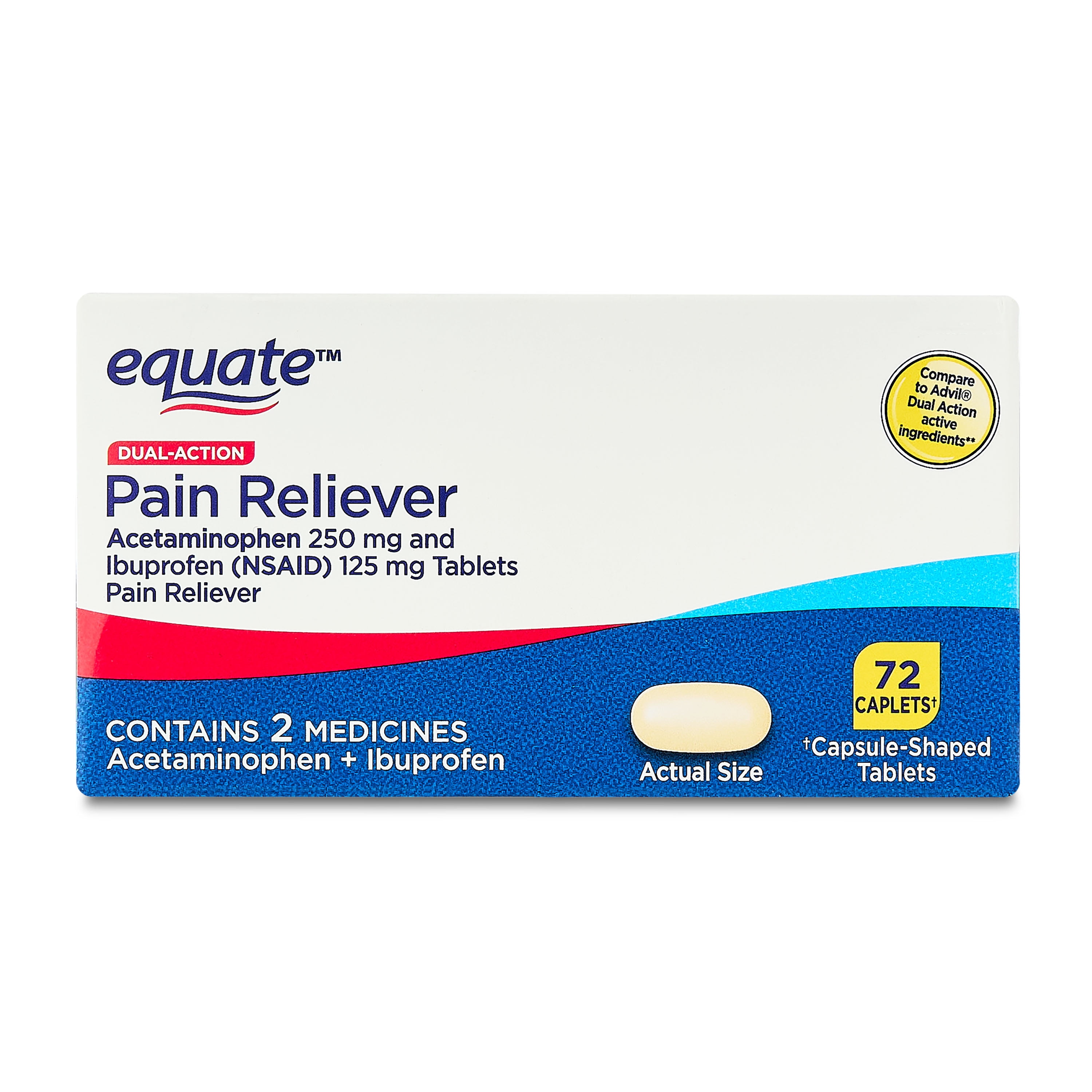
For stronger relief, OTC painkillers are essential. The right choice depends on whether inflammation is present.
Ibuprofen for Inflammation
Ibuprofen (Advil, Motrin) fights both pain and swelling.
- Take 200–400 mg every 6–8 hours.
- Best for throbbing pain, swollen gums, or jaw stiffness.
As an NSAID, it reduces the body’s inflammatory response—key when a tooth is pushing through or infected.
Acetaminophen for Pain Control
Tylenol (acetaminophen) relieves pain but doesn’t reduce swelling.
- Dose: 325–1000 mg every 4–6 hours, max 3000–4000 mg/day.
- Ideal if you can’t take NSAIDs due to stomach issues.
Warning: Never exceed the daily limit—liver damage is a serious risk, especially with alcohol.
Naproxen for Long-Lasting Relief
Aleve (naproxen) lasts up to 12 hours per dose.
- Take 220 mg every 8–12 hours.
- Good for overnight relief or sustained pain control.
Another NSAID, so avoid if you have kidney issues or ulcers.
Aspirin: Never Apply Directly
Aspirin can relieve pain when taken orally, but never place it on the gum.
- Doing so causes chemical burns and tissue death.
- Only take as directed for systemic pain relief.
Avoid in children (risk of Reye’s syndrome) and those on blood thinners.
Topical Pain Relievers
These products deliver fast, localized numbing—perfect for spot treatment.
Benzocaine Gels (Orajel, Anbesol)
Benzocaine blocks pain signals in the gum.
- Dry the area with gauze.
- Apply a thin layer directly using a cotton swab.
- Reapply every 2–3 hours as needed.
Caution: Not for children under 2. Can cause rare but serious allergic reactions.
Oregano and Thyme Oils
Both contain carvacrol, a compound with strong antimicrobial effects.
- Dilute 1 drop in 1 teaspoon of carrier oil.
- Apply with a cotton ball up to twice daily.
Thyme can also be added to warm water as a rinse (1 drop per cup). Use sparingly—these oils are potent.
Lavender Oil for Pain and Calm
Lavender soothes nerves and reduces anxiety—useful if pain keeps you up.
- Dilute 1 drop in a teaspoon of oil and apply.
- Or add 2 drops to warm water for a calming rinse.
Its anti-inflammatory and antibacterial properties add extra benefits.
Oral Hygiene During Flare-Ups
Keeping the area clean is critical—even when brushing hurts.
Gentle Brushing Technique
Use a soft-bristled toothbrush and angle it toward the back molars.
- Brush gently to avoid irritating swollen gums.
- Focus on removing plaque without causing more pain.
Flossing Under Gum Flaps
Food traps under partially erupted teeth are a major cause of recurring pain.
- Use floss threaders or interdental brushes.
- Slide carefully to avoid tearing inflamed tissue.
Water Flosser with Warm Rinse
A water flosser blasts away debris from hard-to-reach pockets.
- Fill with warm saltwater or antimicrobial solution.
- Aim the jet at a 45-degree angle to flush out bacteria.
Excellent for pericoronitis.
Alcohol-Free Mouthwash
Avoid alcohol-based rinses—they can sting open sores.
- Choose chlorhexidine (if prescribed) or an alcohol-free antimicrobial rinse.
- Use twice daily to lower bacterial load.
Foods to Eat and Avoid
What you eat can either calm or worsen your symptoms.
Soft Foods That Help
Stick to gentle, easy-to-chew options:
- Mashed potatoes
- Scrambled eggs
- Yogurt
- Applesauce
- Smoothies (no seeds)
- Oatmeal
- Lukewarm soups
- Bananas
These reduce pressure on the tooth and won’t get stuck in gum flaps.
Foods to Avoid Immediately
Steer clear of anything that could irritate or lodge in the area:
- Popcorn, nuts, seeds
- Hard candies, chips, crackers
- Spicy, acidic, or very hot foods
- Sugary or sticky treats
- Alcoholic drinks (especially with pain meds)
Also avoid straws—they can dislodge clots if you’ve had an extraction.
Sleep Better Despite the Pain
Nighttime often makes wisdom tooth pain feel worse due to increased blood flow when lying down.
Elevate Your Head
Use 1–2 pillows to keep your head above heart level.
- Reduces blood pooling in the jaw.
- Minimizes throbbing and swelling overnight.
Pre-Bed Rinse Routine
Before sleep, do a warm saltwater rinse.
- Cleans the area and soothes inflammation.
- Helps prevent overnight flare-ups.
Cold Compress Before Bed
Apply a 10–15 minute cold pack just before lying down.
- Numbs the area and slows nerve activity.
- Can delay pain onset during the night.
Use a Nightguard If You Grind
Teeth clenching or grinding (bruxism) adds pressure to the back teeth.
- A custom or OTC nightguard absorbs force and reduces strain.
- Especially helpful if pain worsens in the morning.
When to See a Dentist Immediately
Home care helps—but only temporarily. Certain symptoms mean infection or damage is progressing.
Red Flags Needing Emergency Care
See a dentist right away if you have:
- Fever
- Swelling that spreads to your face, neck, or under your jaw
- Pus or foul discharge from the gum
- Difficulty swallowing or breathing
- Severe pain not relieved by OTC meds
- Jaw stiffness (trismus)
- Swollen lymph nodes
- Bad taste or persistent bad breath
These could signal pericoronitis, abscess, or cellulitis—all potentially dangerous if untreated.
Final Note: Wisdom tooth pain doesn’t have to rule your days. Use saltwater rinses, OTC meds, and cold compresses for fast relief. But don’t ignore persistent symptoms. See a dentist to stop the cycle for good. Extraction isn’t always necessary—but when it is, it’s the best way to end the pain and protect your oral health long-term.