Facial swelling caused by an infected tooth is more than just a painful inconvenience—it’s a warning sign that bacteria have spread beyond the tooth and into surrounding tissues. This type of swelling often stems from a dental abscess, a pus-filled pocket formed in response to bacterial invasion of the tooth pulp or gum tissue. Without treatment, the infection can rapidly escalate, leading to severe complications like sepsis, airway obstruction, or even brain involvement.
While home remedies can offer temporary relief from pain and inflammation, they do not eliminate the infection. Only professional dental care can address the root cause. This guide outlines safe, effective ways to reduce facial swelling from an infected tooth—starting with immediate at-home steps and progressing to essential dental treatments. You’ll learn how to recognize danger signs, manage symptoms safely, and understand why timely intervention is critical for recovery and long-term oral health.
Immediate Relief for Facial Swelling
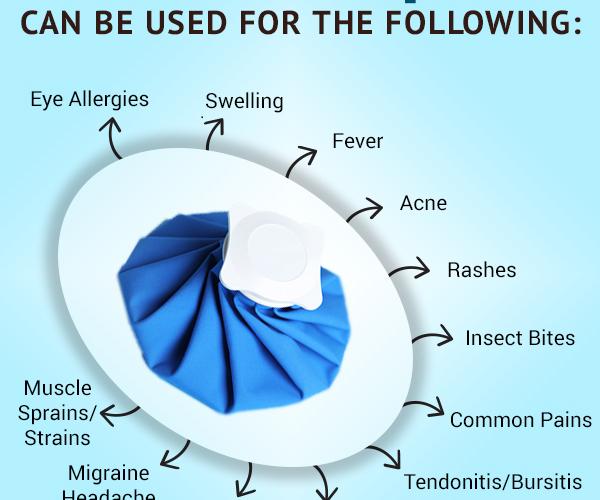
Apply Cold Compress
Use a cold pack wrapped in a thin cloth and apply it to the swollen area for 15–20 minutes at a time, followed by 15-minute breaks. The cold constricts blood vessels, reducing blood flow to the site and minimizing fluid buildup. This helps decrease swelling, numb pain, and prevent the spread of inflammation. This is one of the fastest ways to get visible relief in the first 24 hours.
❗ Avoid heat during the first 24–48 hours. Warmth increases circulation, which may accelerate bacterial spread and worsen swelling.
Never apply ice directly to the skin—this can cause tissue damage or frostbite. If you don’t have a cold pack, use a bag of frozen peas wrapped in a towel. Repeat every few hours as needed.
Rinse with Warm Salt Water
Mix one teaspoon of salt in a glass of warm water and swish gently around the affected area 2–3 times daily. Salt water has natural antiseptic properties that help reduce bacteria, soothe irritated gums, and encourage mild drainage. It also helps maintain oral cleanliness when brushing is painful.
Pro tip: Do not swallow the rinse, especially if pus is present. Repeating this after meals helps keep the area clean and supports healing.
Take Anti-Inflammatory Pain Relievers
Ibuprofen (Advil, Motrin) is the best over-the-counter option because it reduces both pain and inflammation. A typical dose is 400–600 mg every 6–8 hours as needed, unless contraindicated. Acetaminophen (Tylenol) can be used for pain but does not reduce swelling.
For enhanced effect:
– Alternate ibuprofen with acetaminophen every 3 hours (e.g., ibuprofen → 3 hrs → Tylenol → 3 hrs → repeat).
– Always follow dosage guidelines and consult your doctor if you have kidney, liver, or stomach conditions.
Avoid aspirin in children and teens due to the risk of Reye’s syndrome, and never place aspirin directly on the gum—it can cause chemical burns.
Natural Remedies for Temporary Relief
Use Clove Oil for Pain Control
Clove oil contains eugenol, a natural anesthetic and antimicrobial agent. Soak a cotton ball in clove oil and apply it gently to the infected tooth and surrounding gum. This provides localized numbing and may slow bacterial growth.
⚠️ Dilute first: Mix with a carrier oil (like coconut oil) if sensitivity occurs. Avoid excessive use—can irritate soft tissues.
While clove oil won’t cure the infection, it’s a well-known remedy for emergency dental pain and can make waiting for treatment more bearable.
Try Turmeric Paste
Mix turmeric powder with water to form a thick paste and apply to the swollen gum. Curcumin, the active compound in turmeric, has strong anti-inflammatory and antimicrobial effects. Though clinical evidence is limited, many report reduced discomfort and swelling with consistent use.
✅ Safe for short-term use; may stain teeth temporarily.
Leave the paste on for 15–20 minutes before rinsing. Repeat 1–2 times per day.
Apply Crushed Garlic
Crush a fresh garlic clove to release allicin—a potent natural antibiotic. Place the crushed garlic or its juice directly on the infected area. Some find this reduces pain and slows infection progression.
⚠️ Can cause burning sensation—remove if irritation increases.
Garlic should never replace professional care, but its antimicrobial properties may provide minor symptomatic support.
Hydration and Positioning Tips
Stay Well Hydrated
Drink plenty of water to support immune function and flush toxins. Dehydration worsens inflammation and delays healing, especially if fever is present. Avoid sugary drinks that feed oral bacteria.
Include vitamin C-rich foods like oranges, strawberries, and bell peppers to boost white blood cell activity and fight infection. Smoothies or broths are good options if chewing is difficult.
Elevate Your Head While Sleeping
Prop your head up with extra pillows when lying down. This reduces blood pooling in the face, which helps minimize pressure and swelling overnight. You may notice less throbbing pain upon waking.
This simple step can significantly reduce nighttime discomfort and speed up symptom relief.
Avoid These Common Mistakes
Don’t Pop or Drain the Abscess Yourself
Never attempt to squeeze, lance, or puncture a swollen area on your face. Doing so can push bacteria deeper into tissues or into the bloodstream, risking sepsis or widespread infection.
✅ Only a dentist should perform abscess drainage under sterile conditions.
Even if the abscess seems ready to burst, let professionals handle it to avoid complications.
Avoid Irritants
Stop smoking and using tobacco products—these impair healing and increase infection risk. Also avoid:
– Chewing on the affected side
– Eating hard, crunchy, or sugary foods
– Using alcohol-based mouthwashes (they sting and dry tissues)
Stick to soft, nutritious foods and maintain gentle oral hygiene.
Signs You Need Emergency Care

Watch for Systemic Infection Symptoms
Facial swelling that spreads quickly is a medical emergency. Seek immediate ER care if you experience:
– Difficulty breathing or swallowing
– Swelling under the tongue or neck
– High fever (over 101°F / 38.3°C)
– Blurred or double vision
– Stiff neck or confusion
– Inability to open your mouth fully
❗ These could indicate Ludwig’s angina, orbital cellulitis, or meningitis—life-threatening conditions requiring hospitalization and IV antibiotics.
Delaying treatment in these cases can be fatal. Go to the ER immediately—do not wait for a dentist appointment.
Professional Dental Treatments
Drain the Abscess
Your dentist will make a small incision into the swollen area to drain pus, instantly relieving pressure and pain. For deep infections, a small drain may be placed temporarily. This is often the fastest way to reduce swelling.
Recovery: Swelling typically begins to improve within hours after drainage.
Prescribe Antibiotics
Common prescriptions include:
– Amoxicillin 500 mg every 8 hours for 5–7 days (first-line)
– Clindamycin 300–600 mg every 8 hours for penicillin-allergic patients
📌 Important: Antibiotics control infection but do not cure it. They must be combined with dental procedures.
Antibiotics help shrink swelling and prevent spread, but they won’t remove the infected pulp or abscess source.
Perform Root Canal Treatment
If the tooth can be saved, a root canal removes infected pulp, cleans and seals the root canals, and prevents reinfection. Afterward, a crown restores strength.
- Prevents extraction
- Eliminates source of infection
- Stops swelling progression
Most patients feel relief within 24–48 hours post-procedure.
Extract Severely Damaged Teeth
When decay, fracture, or bone loss makes saving the tooth impossible, extraction is necessary. Removing the infected tooth stops the infection at its source and allows swelling to resolve.
After healing, discuss replacement options like implants or bridges.
Deep Clean for Gum Infections
If the abscess stems from gum disease, scaling and root planing (deep cleaning) removes plaque and tartar below the gumline. This treats periodontal pockets and supports healing.
Recovery Timeline After Treatment
First 24–48 Hours
- Swelling starts to decrease after drainage or extraction
- Pain and fever subside with antibiotics and medication
- Follow-up appointment scheduled for monitoring
🔄 If no improvement in swelling after 48 hours, return to your dentist—may indicate antibiotic resistance or incomplete drainage.
Days 3–7
- Most swelling resolves
- Bruising may appear and fade
- Normal eating resumes gradually
Full recovery depends on infection severity and immune health.
Prevent Future Infections
Maintain Daily Oral Hygiene
- Brush twice daily with fluoride toothpaste
- Floss every day to remove trapped food and plaque
- Use antimicrobial mouthwash (e.g., chlorhexidine) as directed
Replace your toothbrush after infection to avoid recontamination.
Limit Sugar and Acidic Foods
Sugar feeds harmful oral bacteria. Reduce intake of candies, sodas, and processed snacks. Rinse your mouth with water after meals if brushing isn’t possible.
Visit Dentist Every 6 Months
Regular check-ups catch cavities, cracks, and gum disease early—before they turn into abscesses. Early treatment prevents facial swelling and tooth loss.
Recognize Early Warning Signs
Don’t wait for swelling to act. See a dentist if you notice:
– Persistent toothache
– Gum tenderness or redness
– Pus oozing from a gum bump (fistula)
– Bad taste or breath that won’t go away
Early intervention saves teeth and avoids emergencies.
FAQs About Tooth Infection Swelling
Can facial swelling go away on its own?
No. Without treatment, the infection persists and often worsens. Temporary symptom relief doesn’t mean the infection is gone.
Is this a dental emergency?
Yes. Facial swelling indicates spreading infection and requires urgent dental evaluation.
Do antibiotics cure the abscess?
Antibiotics reduce bacteria and swelling but cannot eliminate the source. Dental procedures like drainage, root canal, or extraction are required.
How fast can a tooth infection spread?
Infection can spread to facial tissues within 1–3 days, especially in people with weakened immunity.
Can a tooth infection reach the brain?
Rarely, but yes. Infections can travel via blood or tissue planes, causing brain abscess or meningitis. Symptoms include severe headache, confusion, and seizures.
Should I pop the abscess at home?
Never. Self-drainage risks spreading infection, causing sepsis, or damaging nerves and blood vessels.
Can a root canal prevent swelling?
Yes. Treating an infected pulp early prevents abscess formation and stops swelling before it starts.
How do I know if infection is spreading?
Red flags:
– Increasing swelling
– Fever
– Trouble swallowing or opening mouth
– Vision changes
– Neck stiffness
Seek emergency care immediately.
Final Note: Swelling on your face from an infected tooth is not just a dental problem—it’s a systemic health threat. While cold compresses, salt rinses, and painkillers can ease symptoms, they are only stopgaps. The only way to truly stop the infection and eliminate swelling is through professional dental treatment. Delay increases risks of tooth loss, hospitalization, and life-threatening complications. If you’re experiencing facial swelling from a toothache, contact a dentist today—or go to the ER if breathing or swallowing is affected. Quick action protects your smile and your life.