Waking up to a throbbing toothache is more than just uncomfortable—it can feel unbearable. In the silence of night, with no distractions to dull the sensation, even a mild ache transforms into a pounding pulse that keeps you staring at the ceiling. Unlike daytime discomfort, tooth pain at night often feels sharper, more intense, and impossible to ignore, making rest seem out of reach.
But you don’t have to suffer in silence. While only a dentist can fix the root cause, there are immediate, science-backed ways to reduce pain and pressure so you can fall asleep—fast. The key is understanding why tooth pain flares at night and using targeted strategies to calm inflammation, numb nerves, and shift your focus away from the ache.
This guide reveals exactly how to sleep with tooth pain using proven relief methods, safe home remedies, and smart behavioral changes—all while knowing when to seek emergency care. Whether your pain stems from a cavity, abscess, or grinding, you’ll learn how to quiet the discomfort and reclaim your rest—tonight.
Why Tooth Pain Gets Worse at Night
Blood Flow Increases When Lying Down
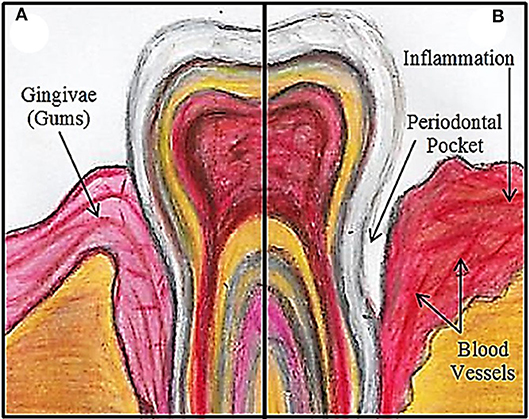
When you lie flat, gravity causes blood to pool in your head and face. This extra circulation increases pressure around inflamed tooth roots, especially if you have an infection or abscess. The result? A throbbing sensation that feels worse with every heartbeat. Elevating your head reduces this pressure and can bring near-instant relief.
Fewer Distractions Heighten Pain
During the day, your brain is flooded with sights, sounds, and tasks that naturally distract from pain. But at night, in the quiet darkness, your nervous system zeroes in on the discomfort. Even if the pain hasn’t changed, it feels stronger because there’s nothing else to focus on.
Natural Painkillers Drop at Night
Your body produces fewer endorphins—natural pain-relieving chemicals—in the evening. With less internal protection, even minor dental irritation can feel severe. This drop in natural defenses combines with increased blood flow and sensory focus to create the perfect storm for nighttime agony.
Teeth Grinding Worsens Pain
Many people grind or clench their teeth (a condition called bruxism) while sleeping, often without knowing it. This habit wears down enamel, exposes sensitive dentin, and strains jaw muscles, making an already painful tooth even more sensitive. If you wake up with jaw soreness or headaches, grinding may be intensifying your toothache.
Immediate Relief: What to Do Tonight
Elevate Your Head
Why it works: Reduces blood pooling in the head, lowering pressure on the inflamed tooth.
How to do it:
– Use 1–2 extra pillows to prop your head at a 30-degree angle.
– Better yet, sleep in a recliner chair—it keeps your upper body upright and minimizes pressure.
Pro Tip: Avoid lying on the side of the painful tooth. This increases blood flow to the area and can trigger sharp, stabbing pain.
Take OTC Pain Medication
Best options:
– Ibuprofen (Advil, Motrin): 200–400 mg every 4–6 hours. It fights both pain and inflammation—most effective for dental issues.
– Acetaminophen (Tylenol): 500 mg every 6 hours. Good for pain relief but doesn’t reduce swelling.
– Naproxen (Aleve): 220 mg every 8–12 hours. Offers longer-lasting relief.
Advanced Hack: Alternate ibuprofen and acetaminophen every 3 hours (e.g., ibuprofen → 3 hrs → Tylenol → 3 hrs). This keeps pain relief steady without exceeding daily limits.
Warning: Never place aspirin directly on gums—it causes chemical burns and tissue damage.
Apply a Cold Compress
Purpose: Numbs nerves, constricts blood vessels, and reduces swelling.
How to use:
– Wrap ice or a frozen gel pack in a thin cloth.
– Press against the cheek near the painful tooth for 15–20 minutes.
– Rest for 10–15 minutes before reapplying.
Avoid: Falling asleep with the compress—can cause skin irritation or frostbite.
Rinse with Warm Saltwater
Why it works: Kills bacteria, reduces inflammation, and dislodges food debris.
Recipe:
– Mix ½ tsp salt in 1 cup warm water.
– Swish gently for 30 seconds, focusing on the painful area.
– Spit—do not swallow.
Frequency: Repeat every 2–3 hours or right before bed.
Science Note: Salt creates an osmotic effect, pulling fluid from swollen tissues to reduce pressure.
Use Clove Oil for Fast Numbing
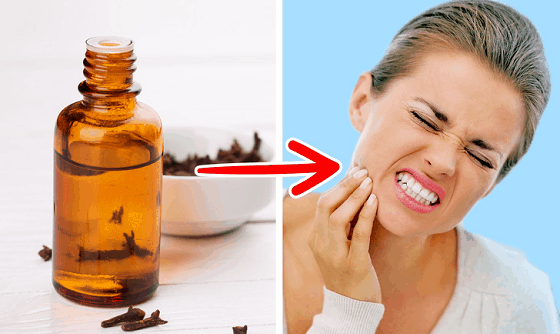
Active ingredient: Eugenol—a natural anesthetic used in dental offices.
How to apply:
– Mix 2–3 drops clove oil with 1 tsp olive or coconut oil.
– Soak a cotton ball and hold it against the tooth for 10–20 minutes.
– Or, chew a whole clove and let it sit near the area.
Caution: Never use undiluted clove oil—it can burn soft tissue.
Evidence: Studies confirm eugenol’s effectiveness in temporary dental pain control.
Try a Hydrogen Peroxide Rinse
Purpose: Fights bacteria and soothes inflamed gums.
Recipe:
– Mix equal parts 3% hydrogen peroxide and water.
– Swish for 30 seconds, then spit.
– Rinse mouth with plain water.
Rules:
– Never swallow.
– Limit use to once daily to avoid irritation.
Best for: Pain linked to gum infection or recent extraction.
Use Benzocaine Gels (Orajel)
How it works: Provides localized numbing right where you apply it.
Application:
– Dab a small amount on a cotton swab.
– Press gently onto the gum near the painful tooth.
Limitations:
– Short-lived relief (30–60 minutes).
– Not safe for children under 2.
Try Other Natural Options
Peppermint tea bag:
– Steep, cool slightly, then place on the tooth.
– Contains mild numbing agents.
Garlic paste:
– Crush 1 clove + pinch of salt.
– Apply to the area—allicin fights bacteria and may dull pain.
Vanilla extract:
– Dab on cotton ball—alcohol and vanillin may soothe nerves.
Optimize Your Sleep Environment
Sleep on Your Back
Lying on your side—especially the painful side—increases pressure and worsens throbbing. Sleeping on your back with head elevated balances blood flow and minimizes strain.
Pro Tip: Place a pillow between your knees to reduce neck and spine tension.
Use Relaxation Techniques
4-2-6 Breathing Method:
– Inhale through nose: 4 seconds
– Hold: 2 seconds
– Exhale through mouth: 6 seconds
– Repeat for 5–10 minutes
This slows your heart rate and shifts focus away from pain.
Try White Noise or Meditation
Use a white noise app or guided sleep meditation to distract your brain. Even 10 minutes of focused breathing or ambient sound can help you drift off.
Best apps: Calm, Headspace, or YouTube sleep meditations.
Avoid These Common Mistakes
| Don’t Do This | Why It’s Harmful |
|---|---|
| Put aspirin on gums | Causes chemical burns |
| Chew on the painful side | Aggravates cracks and pulp exposure |
| Drink soda or juice before bed | Feeds bacteria and triggers sensitivity |
| Use undiluted essential oils | Irritates gums and soft tissue |
| Ignore swelling or fever | Risk of spreading infection |
When to See a Dentist Immediately

Home remedies are temporary. If you have any of these red flags, call a dentist today:
- Severe pain that won’t stop
- Facial or jaw swelling
- Fever or chills
- Pus or foul taste in mouth
- Difficulty swallowing or breathing
- Loose tooth with pain
Urgency: A dental abscess can spread to the brain, neck, or bloodstream—conditions like Ludwig’s angina or sepsis are life-threatening.
What Dentists Do for Tooth Pain
Diagnosis First
- Exam teeth, gums, and bite
- Take X-rays to check for decay, abscesses, or fractures
Common Treatments
- Fillings: For cavities
- Root canal: Removes infected pulp—saves the tooth
- Antibiotics: For infections
- Drainage: If abscess is present
- Extraction: For severe, non-repairable damage
- Crown or bonding: For cracked teeth
Note: A root canal doesn’t cause pain—it relieves it by removing the infected nerve.
Prevent Future Nighttime Toothaches
Brush and Floss Daily
- Brush 2x/day with fluoride toothpaste
- Floss every night—plaque between teeth causes hidden decay
Visit Your Dentist Every 6 Months
- Cleanings remove tartar you can’t brush away
- Early detection prevents small issues from becoming emergencies
Wear a Night Guard If You Grind
- Custom-fit guards from your dentist protect enamel
- Reduces jaw pain and prevents cracked teeth
Signs you grind: Worn teeth, morning headaches, sore jaw
Eat a Tooth-Healthy Diet
- Cut back on sugar and acid (soda, candy, citrus)
- Eat calcium-rich foods (cheese, yogurt, leafy greens)
- Drink water—helps wash away food and neutralize acid
Rule: Never go to bed with food in your mouth. If you eat late, rinse or brush.
Stop Using Teeth as Tools
- Don’t open bottles, tear packages, or crack nuts with teeth
- These habits cause chips, cracks, and costly repairs
How Tooth Pain Affects Your Health
Sleep Suffers First
- Frequent awakenings
- Less REM sleep
- Poor sleep quality
Data: Over 40% of people with dental pain report major sleep disruption.
Long-Term Risks of Poor Sleep
- Weaker immune system
- Higher stress and anxiety
- Lower pain tolerance (vicious cycle)
- Increased risk of depression and heart issues
Expert Insight: Chronic tooth pain and sleep loss impair focus, mood, and overall health. Treating the cause—not just the symptom—is essential.
Your Action Plan: Tonight, Tomorrow, Long-Term
Tonight: Immediate Relief
- Elevate your head
- Take ibuprofen or Tylenol
- Apply cold compress
- Rinse with saltwater or peroxide
- Use clove oil or Orajel
- Avoid eating or drinking before bed
- Try deep breathing or white noise
Tomorrow: Get Professional Help
- Call your dentist for an urgent appointment
- Watch for swelling, fever, or pus
- Keep using relief methods until seen
Long-Term: Prevent Recurrence
- Brush and floss daily
- Visit dentist every 6 months
- Wear a night guard if you grind
- Eat low-sugar, high-calcium foods
- Never use teeth as tools
Final Note: A toothache that keeps you awake is a warning sign, not just a nuisance. While these strategies help you sleep tonight, only a dentist can fix the cause. Delaying care risks infection, tooth loss, and serious health complications. Act fast—your sleep, and your health, depend on it.