If you’ve ever wondered whether a water flosser might harm your gums, you’re not alone. Many people worry that the pressurized stream of water could irritate or even damage delicate gum tissue, especially if they notice bleeding during use. The good news is that water flossers do not damage gums when used correctly. In fact, clinical research and dental professionals consistently show that water flossers are safe, gentle, and effective for improving gum health.
Bleeding, soreness, or discomfort often blamed on water flossers are usually due to pre-existing gum inflammation, improper technique, or starting at too high a pressure, not the device itself. With proper use, water flossers can actually reduce gum bleeding, remove plaque more effectively than brushing alone, and support long-term periodontal health. This guide breaks down what really happens when you use a water flosser, who benefits most, and how to avoid common mistakes.
Debunking the Damage Myth
No Evidence of Gum Recession or Tissue Loss
Contrary to popular concern, no clinical studies link proper water flosser use to gum recession or permanent tissue damage. Research shows that even at pressures up to 100 psi, near the maximum of most devices, there is no increase in probing depth, no attachment loss, and no signs of structural harm to gum tissue. Instead, many users experience improved gum health over time.
Gum recession is typically caused by chronic plaque buildup, aggressive brushing, genetics, or periodontal disease, not pulsating water. Water flossers, when used as directed, work with your gums, not against them, helping flush out bacteria without scraping or tearing tissue.
Temporary Irritation vs. Real Damage
Some users report soreness or bleeding, especially when starting out. But this is not the same as tissue damage. Think of it like starting a new workout: if your gums have not been cleaned properly in a while, introducing interdental cleaning, even gently, can cause temporary bleeding due to inflammation, not injury.
The key difference is important. Damage means permanent changes like receding gums or exposed roots. Irritation means temporary redness, swelling, or bleeding that resolves with consistent care. In most cases, initial bleeding stops within seven to fourteen days of daily use as plaque levels drop and gum health improves.
Why Gums Bleed During Water Flossing
Bleeding Signals Inflammation, Not Injury
If your gums bleed when using a water flosser, the culprit is almost always gingivitis, an early stage of gum disease caused by plaque accumulation along the gumline. Healthy gums do not bleed easily, regardless of cleaning method. So, bleeding during flossing, water or string, is a red flag that plaque control needs improvement.
Water flossers often reveal hidden inflammation because they reach areas traditional brushing misses. This does not mean they are causing harm. It means they are doing their job by stimulating neglected, inflamed tissue.
The Adjustment Period Explained
New users may experience mild gum sensitivity, spot bleeding between teeth, or slight swelling after first few uses. These symptoms usually fade quickly with consistent, gentle use. One study found participants saw significant reductions in bleeding within one to two weeks of adding a water flosser to their routine. Stopping use because of initial bleeding only delays healing.
Pro Tip: Keep using the device daily at low pressure. Bleeding should decrease, not increase, over time.
Safe Pressure Settings for Sensitive Gums
Start Low, Then Gradually Increase
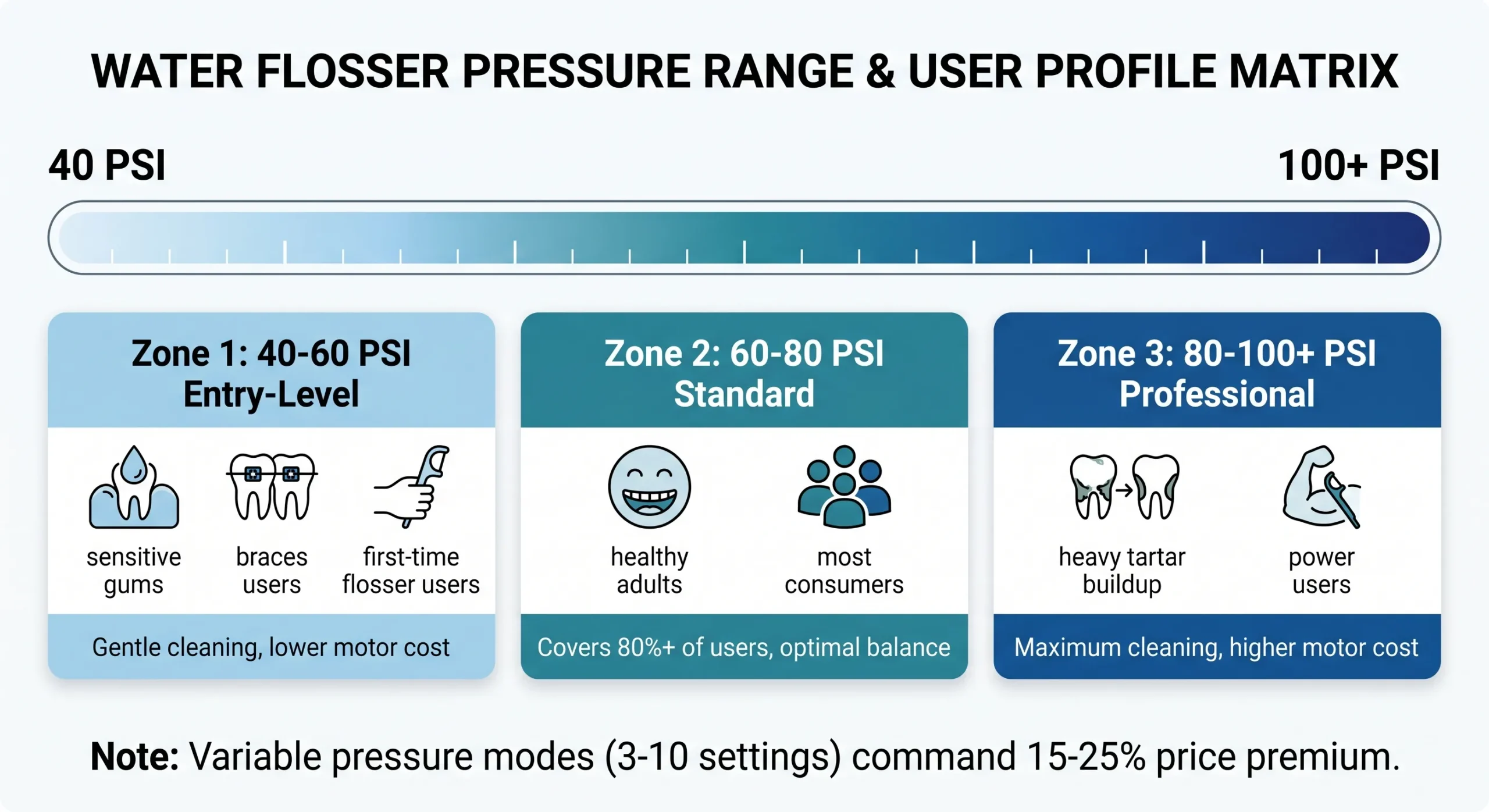
One of the biggest mistakes new users make is starting on high pressure. While modern water flossers offer settings up to approximately 100 psi, you do not need maximum force to be effective.
Here is how to acclimate safely:
• Begin on the lowest pressure setting
• Use daily for five to seven days
• Slowly increase intensity as comfort improves
• Stop when you feel a strong but comfortable pulsation
Most people find optimal cleaning occurs around 70 psi, though individual tolerance varies. The goal is effective plaque removal without discomfort.
High Pressure Risks: When It Can Harm
Using high pressure on already inflamed gums, such as in gingivitis or after dental surgery, can cause acute soreness, micro-trauma to swollen tissue, or increased bleeding. However, this is user error related, not a flaw in the device. Even then, effects are temporary and resolve with proper technique. No studies show lasting damage from short-term misuse.
Warning: Never aim the stream directly into gum pockets or hold the tip too close. Sweep gently along the gumline instead.
Proper Technique to Protect Gums
Correct Tip Angle and Movement
How you hold and move the flosser matters more than pressure. To avoid irritation, hold the tip at a 45 to 90 degree angle to the tooth and aim the stream along the gumline, not straight into the gums. Move slowly from tooth to tooth, about one second per gap, and let water flow out naturally. Do not swallow or hold it in.
This sweeping motion allows the pulsating water to disrupt plaque biofilm while massaging the gums gently.
Systematic Cleaning Routine
Follow a consistent pattern to cover all areas:
• Start at the back molars
• Work around the upper arch
• Move to lower back teeth
• Finish on the opposite side
This prevents missing spots, especially the hard to see lower front teeth.
Best Tips for Different Dental Needs
Standard Jet Tip
The standard jet tip is ideal for general use. It cleans along gumline and between teeth. Replace every three to six months.
Orthodontic Tip
The orthodontic tip is designed for braces and wires. It surrounds brackets with water for deep cleaning and reduces risk of decalcification.
Periodontal or Implant Tip
The periodontal or implant tip has softer bristles with targeted delivery. It is used for deep pockets or around implants and helps maintain peri-implant health.
Plaque Seeker Tip
The plaque seeker tip delivers water below the gumline. It is recommended for periodontal maintenance and requires dentist guidance.
Expert Note: Use separate tips if multiple people share the device to prevent cross-contamination.
Warm Water: Better for Gum Comfort
Why Temperature Matters
Using lukewarm water enhances comfort and supports gum health. It soothes sensitive tissues, reduces thermal shock, and may improve local blood flow.
Avoid cold water, which can trigger sensitivity especially with exposed roots. Also avoid hot water, which risks scalding and can damage oral mucosa. Fill the reservoir with tap water heated slightly, just warm to the touch.
Maintenance Tips to Prevent Irritation
Clean the Reservoir Weekly
Bacteria and mold can grow in stagnant water. Prevent contamination by emptying and rinsing the tank after each use. Perform a deep clean weekly with warm, soapy water or a one-to-one vinegar-water solution. Rinse thoroughly before reuse.
Replace Tips Regularly
Worn or dirty tips reduce effectiveness and harbor bacteria. Change every three months with daily use or six months with occasional use. Replace sooner if tips show wear or discoloration.
Who Benefits Most From Water Flossing
Braces and Orthodontic Appliances
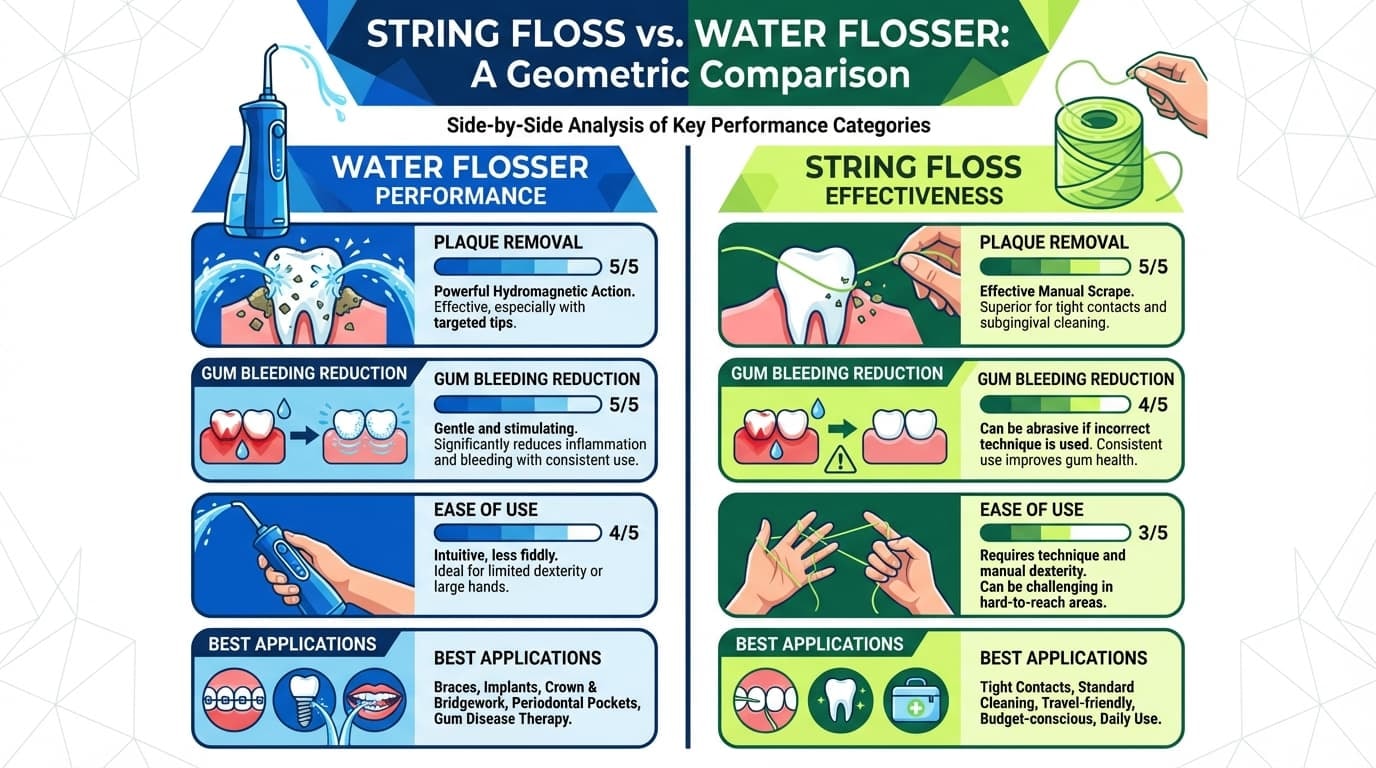
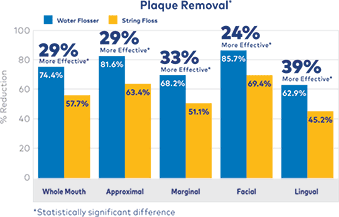
Traditional floss struggles to navigate wires and brackets. Water flossers excel here. They remove food trapped around bands, reduce plaque near gumline, and lower risk of white spot lesions. Studies show water flossers remove up to 29 percent more plaque than string floss in orthodontic patients.
Dental Implants and Bridges
Metal or ceramic restorations require special care. Water flossers clean under bridges without snagging. Implant tips flush bacteria from around screw sites. Non-abrasive action protects crown surfaces. They are especially useful in preventing peri-implantitis, a dangerous infection around implants.
Limited Dexterity or Arthritis
For those with reduced hand strength or mobility, water flossers are easier to maneuver than string floss. They require less fine motor control and improve compliance with daily interdental cleaning. They are ideal for seniors, Parkinson is patients, or post-stroke recovery.
Gum Disease Patients
Water flossers are a powerful tool in managing gingivitis, mild to moderate periodontitis, and post-scaling maintenance. Used alongside professional cleanings, they help reduce bleeding, inflammation, and bacterial load.
Water Flosser vs. String Floss: Which Is Safer
| Factor | Water Flosser | String Floss |
|---|---|---|
| Gentleness on gums | High, adjustable pressure | Moderate, risk of snapping |
| Risk of laceration | Very low | Higher with aggressive use |
| Ease of use | High | Technique-sensitive |
| Effectiveness with braces | Excellent | Challenging |
| User compliance | 74 percent regular users | 30 percent regular users |
While both methods are effective, water flossers offer a lower-risk, higher-compliance alternative, especially for sensitive or complex cases.
Dentist Recommendation: Many professionals suggest flossing first, then water flossing to flush out loosened debris.
Common Myths Busted
Myth: Water Flossers Cause Gum Recession
False. No evidence supports this. Recession stems from plaque, aggressive brushing, or disease, not pulsating water.
Myth: Bleeding Means the Pressure Is Too High
Not necessarily. Bleeding usually indicates existing inflammation, not excessive force. If it persists beyond two weeks, see your dentist.
Myth: Only Waterpik Works
Incorrect. Multiple brands perform well if they have adjustable pressure, pulsation around 1,200 to 1,600 pulses per minute, and compatible tips.
Myth: Water Flossing Replaces Brushing
No. It complements brushing. You still need fluoride toothpaste to protect tooth surfaces and prevent decay.
When to See a Dentist
While water flossers are safe for most, consult your dentist if bleeding continues beyond fourteen days, pain or swelling worsens, gums appear receded or pus is present, you have advanced periodontal disease, or you are recovering from gum surgery or grafts.
Your dentist can demonstrate proper technique, recommend specialized tips, and assess underlying conditions.
Step-by-Step Safe Usage Guide
1. Fill with Lukewarm Water
Use warm tap water, never hot or ice-cold. This prevents discomfort and promotes gum circulation.
2. Choose the Right Tip
Attach the appropriate nozzle. Use standard for daily use, orthodontic for braces, and implant or periodontal for deep cleaning.
3. Set Pressure to Low
Start at the minimum setting. You can increase after a week of comfortable use.
4. Position Correctly
Lean over the sink, mouth slightly open. Hold the handle so the tip points along the gumline, not into it.
5. Sweep, Do Not Stab
Move slowly from tooth to tooth. Pause briefly between each to let water flush debris.
6. Rinse and Repeat Daily
Use once per day, ideally before brushing to loosen plaque. Afterward, brush with fluoride toothpaste.
7. Clean the Device
Empty the reservoir, rinse all parts, and allow to air dry. Descale weekly.
Frequently Asked Questions About Water Flossers and Gum Health
Can a water flosser cause gum recession?
No, clinical studies have found no link between proper water flosser use and gum recession. Gum recession is caused by chronic plaque buildup, aggressive brushing, genetics, or periodontal disease, not by pulsating water.
Why do my gums bleed when I first use a water flosser?
Bleeding during initial use usually indicates existing gum inflammation, not device damage. This is often gingivitis caused by plaque buildup. The bleeding typically resolves within seven to fourteen days of consistent, gentle use.
What pressure setting is safest for sensitive gums?
Start on the lowest pressure setting and gradually increase over five to seven days. Most users find effective cleaning around 70 psi. Comfortable pressure, not maximal force, is the goal.
Can I use a water flosser if I have gum disease?
Yes, water flossers can be beneficial for people with gingivitis or mild to moderate periodontitis. They help reduce inflammation and bacterial load. However, consult your dentist for personalized recommendations and proper technique.
How often should I replace my water flosser tip?
Replace tips every three to six months with daily use, or sooner if they show wear, discoloration, or reduced performance. Using worn tips can reduce effectiveness and harbor bacteria.
Does water temperature affect gum comfort?
Yes, lukewarm water provides the best comfort and may improve circulation. Cold water can cause sensitivity, especially with exposed roots. Hot water risks scalding and damaging oral tissues.
Key Takeaways for Using Water Flossers Safely
Water flossers are safe and beneficial for gum health when used correctly. They do not cause gum recession or permanent tissue damage. Clinical trials confirm no loss of attachment or increase in pocket depth even at pressures up to 100 psi.
Improper use, especially high pressure on inflamed gums, can cause temporary irritation, but this resolves with proper technique. Start on the lowest pressure setting and gradually increase. Angle the tip along the gumline, not into pockets. Use warm water for comfort and clean the device regularly.
Water flossers are more effective than brushing alone and often equal or superior to string floss in reducing gingival bleeding and plaque. They are particularly beneficial for people with braces, implants, dexterity limitations, or gum disease.
With correct use, water flossers enhance rather than harm gum health. If bleeding persists beyond two weeks despite proper technique, consult your dentist to rule out underlying periodontal disease.