Seeing blood after using your water flosser can be unsettling. But gums bleeding after water flosser use is actually common, especially if you’re new to the device or haven’t been cleaning between your teeth consistently. The good news is that in most cases, it’s not the water flosser causing harm. Instead, it’s a sign your gums are already inflamed due to plaque buildup or early gum disease.
Mild bleeding typically fades within 7 to 14 days of daily use as your gum health improves. The pulsating water stream gently removes bacteria and debris from below the gumline, helping reverse gingivitis over time. However, if bleeding continues beyond two weeks, is heavy, or comes with pain and swelling, it may signal a more serious issue like periodontitis or a systemic condition.
This guide breaks down why bleeding happens, how to stop it, and when to see a dentist so you can use your water flosser safely and effectively.
Is Bleeding Normal After Water Flossing?
Yes, mild bleeding is normal when starting water flossing, particularly if your gums were already inflamed.
Why Gums Bleed with New Hygiene Habits
When you begin cleaning areas that have long been neglected, like between teeth and under the gumline, the sudden disruption of bacterial plaque irritates inflamed tissue. This causes small blood vessels in swollen gums to break easily, leading to bleeding.
Think of it like brushing a bruise. The touch is not harmful, but the area is already sensitive. Similarly, water flossing exposes pre-existing inflammation rather than creating it.
Key Insight: Bleeding does not mean the water flosser is damaging your gums. It means they need care.
If you have skipped flossing for months or years, plaque has likely built up along the gumline, triggering low-level inflammation called gingivitis. Since gingivitis often causes no pain, many people do not realize they have it until they start flossing and see blood.
With consistent use, bleeding should decrease within one to two weeks as plaque is removed and gum health rebounds.
Common Causes of Bleeding Gums After Water Flossing
Plaque-Induced Gingivitis
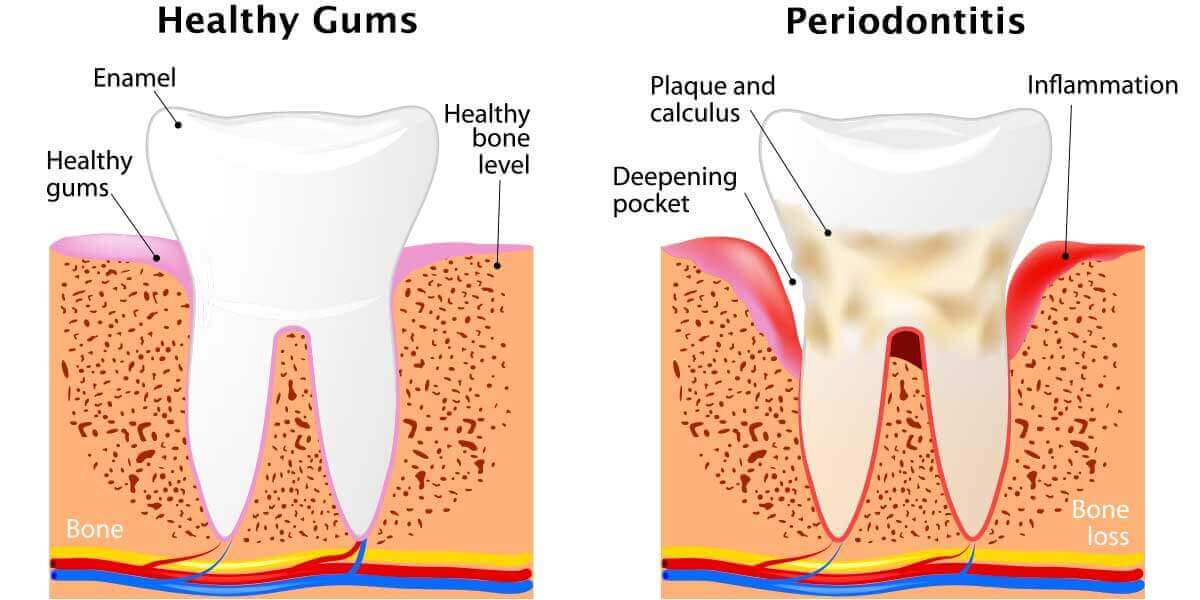
Gingivitis is the number one reason gums bleed during water flossing. It occurs when bacterial plaque accumulates at the gumline, prompting an immune response that leads to redness, swelling, and easy bleeding.
• Plaque hardens into tartar within 48 hours if not removed
• Tartar further irritates gums and can only be removed by a dentist
• Inflamed gums become fragile, so even gentle stimuli like water flossing can cause bleeding
Water flossing helps combat gingivitis by flushing out plaque from hard-to-reach areas. While initial use may increase bleeding temporarily, regular use reduces inflammation and strengthens gum tissue.
Poor Oral Hygiene History
If you have not cleaned between your teeth regularly, expect some bleeding when you start water flossing.
• Without daily interdental cleaning, plaque builds in the gingival sulcus, the tiny space between tooth and gum
• This hidden plaque causes chronic, often silent inflammation
• When water flossing begins, it disrupts this plaque, exposing the inflamed tissue underneath and triggering bleeding
This is your body’s way of signaling that better care is needed. Stick with it. Bleeding usually stops as your routine becomes consistent.
Incorrect Water Flosser Technique
Even gentle devices can cause irritation if used wrong. Common mistakes include:
• Using high pressure on sensitive gums
• Aiming the jet directly at the gums
• Holding the stream in one spot too long
These errors can cause micro-trauma, worsening existing inflammation and prolonging bleeding.
Pro Tip: Start low and slow. Use the lowest pressure setting and move the tip in a continuous motion along the gumline.
Systemic Health Issues and Medications
Certain medical conditions and medications increase bleeding risk.
Medical Conditions That Cause Bleeding Gums
• Diabetes: Reduces blood flow and immune response, increasing gum disease risk
• Vitamin C deficiency (scurvy): Weakens gum tissue and collagen
• Vitamin K deficiency: Impairs blood clotting
• Hormonal changes: Pregnancy, puberty, and menopause can make gums more vascular and sensitive
Medications That Increase Bleeding Risk
• Blood thinners like warfarin and aspirin reduce clotting ability
• Calcium channel blockers like amlodipine can cause gum overgrowth
• Immunosuppressants: Increase susceptibility to infection and inflammation
If you are on any of these, discuss your oral care routine with your dentist.
How to Stop Bleeding Gums from Water Flossing
Start with Low Pressure
High pressure can traumatize inflamed gums. Begin on the lowest setting and gradually increase as your gums heal.
• Most water flossers offer 10 to 100 psi; start at 30 psi or lower
• As bleeding decreases over one to two weeks, slowly raise the pressure for deeper cleaning
This approach minimizes irritation while still removing plaque effectively.
Use Correct Nozzle Angle
Aiming matters. Pointing the tip straight at the gums increases impact and risk of bleeding.
Ideal Technique for Water Flossing
• Angle the tip 45 degrees toward the gumline, just like professional cleanings
• Let the pulsating water flow slightly below the gumline to flush out debris
• Move slowly from tooth to tooth in a sweeping motion
This targets plaque without blasting sensitive tissue.
Choose the Right Tip
Not all tips are the same. Using the correct one reduces trauma and improves results.
| Tip Type | Best For | Pressure Recommendation |
|---|---|---|
| Standard Jet Tip | General use | Medium |
| Orthodontic Tip | Braces, aligners | Low-Medium |
| Periodontal Tip | Deep pockets, sensitive gums | Low |
| Plaque Seeker Tip | Implants, crowns | Low-Medium |
Replace tips every 3 to 6 months to maintain effectiveness.
Water Flosser Benefits vs. Risks
Why It Is Worth Continuing
Despite temporary bleeding, water flossing offers major advantages.
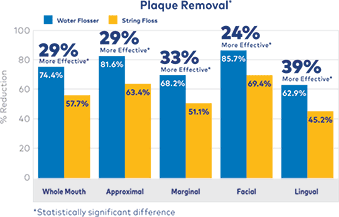
• Removes up to 29% more plaque than string floss alone
• Reduces gingivitis by up to 50% with consistent use
• Gentler on gums than traditional floss, especially for sensitive or inflamed tissue
• Easier for people with braces, implants, or limited dexterity
Unlike string floss, it does not rely on friction, so there is no risk of cutting or shredding gums when used correctly.
Can It Damage Gums?
No, water flossing does not damage healthy gums. However, aggressive use on inflamed tissue can worsen irritation.
Avoid these mistakes:
• Holding the stream in one spot for more than 2 to 3 seconds
• Using maximum pressure from day one
• Ignoring pain or persistent bleeding
Used properly, it supports healing, not harm.
When to See a Dentist About Bleeding Gums
Not all bleeding is harmless. Know when to seek professional help.
Warning Signs That Require Dental Care
Stop waiting and schedule a dental visit if you have:
• Bleeding that lasts longer than 10 to 14 days
• Heavy or spontaneous bleeding
• Swollen, painful, or receding gums
• Loose teeth or persistent bad breath
• Pus around teeth or visible deep pockets
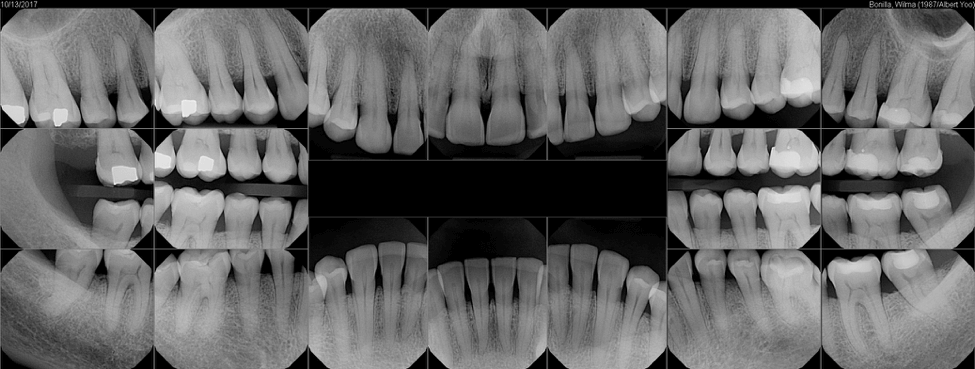
These may indicate periodontitis, a serious infection that destroys bone and requires deep cleaning or other treatments.
What the Dentist Will Do
Your dentist may:
• Perform a professional cleaning (prophylaxis) to remove tartar
• Measure periodontal pocket depth to assess disease severity
• Recommend scaling and root planing for advanced cases
• Provide personalized hygiene instructions for home care
• Refer you to a physician if systemic issues are suspected
Regular check-ups every six months can catch problems early and prevent progression.
Daily Routine for Healthy Gums
Build a Complete Oral Care Habit
To stop bleeding and prevent future issues, follow this daily routine.
- Brush twice daily with a soft-bristled or electric toothbrush and fluoride toothpaste
- Water floss once a day, preferably at night
- Use an antimicrobial mouthwash if recommended by your dentist
- Replace your toothbrush or brush head every 3 months
Consistency is key. Missing just a few days allows plaque to rebuild quickly.
Support Gum Health from Within
Oral health reflects overall health. Boost your results with these lifestyle habits.
• Eat vitamin-rich foods: Citrus, broccoli, and bell peppers provide vitamin C; leafy greens provide vitamin K
• Stay hydrated: Dry mouth increases plaque and irritation
• Quit smoking: Smokers are 2 to 3 times more likely to develop gum disease
• Control blood sugar if you have diabetes
Nutrition and habits play a big role in how well your gums heal.
Frequently Asked Questions About Gums Bleeding After Water Flosser
Should I stop using my water flosser if my gums bleed?
No. Stopping removes the very action that is helping clear the plaque causing the bleeding. Instead, lower the pressure and refine your technique. Bleeding should improve within days to a week.
How long until bleeding stops after starting water flossing?
Most people see improvement in 7 to 10 days. If it persists beyond two weeks, see your dentist.
Is water flossing better than string floss?
Studies show water flossing is as effective or more effective at reducing plaque and gingivitis, especially for people with braces, implants, or dexterity issues. For best results, combine both methods.
Can water flossers reverse gum disease?
Water flossing alone cannot cure gum disease, but it is a powerful tool in reversing gingivitis when paired with brushing and professional cleanings.
Do water flossers cause gum recession?
No, proper use does not cause recession. However, aggressive use may irritate already receded areas. Use low pressure and correct angle to avoid trauma.
What pressure setting should I use if my gums bleed?
Start at the lowest pressure setting, typically around 30 psi or below. Increase gradually as your gums heal and tolerate the cleaning sensation better.
Final Tips for Stopping Bleeding Gums from Water Flossing
• Do not panic at first bleed. It is usually a sign of inflammation, not injury
• Use low pressure at first and increase gradually over days or weeks
• Angle the tip at 45 degrees and keep it moving along the gumline
• Stay consistent. Daily use is essential for results
• See your dentist if bleeding does not resolve in 10 to 14 days
Water flossing is a safe, effective way to improve gum health. Even if your gums bleed at first, continuing with proper technique will lead to stronger, healthier tissue and no more blood in the sink.
Bottom Line: Bleeding gums are a warning sign, not a reason to quit. With the right care, you can stop the bleed and build lasting oral health.