Tooth decay is one of the most common chronic diseases worldwide—yet it’s entirely preventable. Every time you eat or drink sugary or starchy foods, bacteria in your mouth feed on those carbohydrates and produce acid. This acid attacks your tooth enamel, weakening it over time and leading to cavities. The good news? You can stop this process in its tracks with the right daily habits, diet choices, and professional care.
The key to preventing tooth decay lies in disrupting the cycle of acid attacks and supporting your teeth’s natural ability to repair themselves through remineralization. Fluoride, saliva, and proper oral hygiene all play critical roles in reversing early damage before it turns into a cavity. This guide breaks down the science-backed strategies that work—from brushing techniques and smart food choices to dental sealants and personalized risk assessments—so you can build a prevention plan that fits your life.
Whether you’re helping a child avoid their first cavity or managing dry mouth as an adult, these proven steps will keep your smile strong and decay-free.
Master Daily Oral Hygiene
Brush Smart, Not Just Often
Brushing twice a day is essential, but how you brush matters just as much as when. Use a soft-bristled toothbrush and position it at a 45-degree angle to your gumline to effectively clean where plaque builds up. Use short, gentle strokes—never scrub—to cover all surfaces: outer, inner, and chewing. Spend a full two minutes, dividing your mouth into four sections to ensure even cleaning.
Pay extra attention to your back teeth, which are harder to reach and more prone to decay. Don’t forget to brush your tongue—it harbors bacteria that contribute to plaque and bad breath. Replace your toothbrush every 3–4 months, or sooner if the bristles fray, since worn bristles can’t clean effectively and may irritate your gums.
Use Fluoride Toothpaste with 1450 ppm
Always use fluoride toothpaste with at least 1450 ppm (parts per million)—the concentration proven to strengthen enamel and fight decay. Fluoride doesn’t just clean; it actively rebuilds weakened enamel through remineralization, making teeth more resistant to acid attacks.
If you’re at high risk—due to dry mouth, frequent snacking, or a history of cavities—ask your dentist about prescription-strength fluoride toothpaste (5000 ppm). These offer stronger protection and are safe for daily use under supervision.
Don’t Rinse After Brushing—Spit Instead
One of the most common mistakes? Rinsing with water after brushing. This washes away the concentrated fluoride, reducing its effectiveness. Instead, spit out excess toothpaste and leave the rest on your teeth. Letting fluoride linger boosts protection, especially overnight when saliva flow drops and your mouth is more vulnerable.
Floss Every Day to Clean Hidden Surfaces
Brushing alone only cleans about 60% of tooth surfaces. The other 40%—between teeth and under the gumline—require flossing. Plaque hides in these tight spaces, leading to cavities and gum disease.
Floss once a day using a gentle back-and-forth motion. Curve the floss around each tooth in a C-shape to clean below the gum. If traditional floss is hard to handle, try floss picks, interdental brushes, or water flossers, especially if you have braces, bridges, or tight spaces.
Use Mouthwash to Reach Every Surface
Mouthwash isn’t just for fresh breath—it’s a powerful tool. Choose a fluoride-containing rinse to help remineralize enamel and reduce decay risk. For added protection, use an antimicrobial mouthwash like chlorhexidine or essential oil-based formulas (e.g., LISTERINE® TOTAL CARE), which kill bacteria and reduce plaque.
Used correctly, mouthwash reaches nearly 100% of oral surfaces, including areas your brush and floss miss. It’s especially helpful if you have bleeding gums or a history of cavities.
Optimize Your Diet to Stop Decay
Cut Back on Sugar and Starch
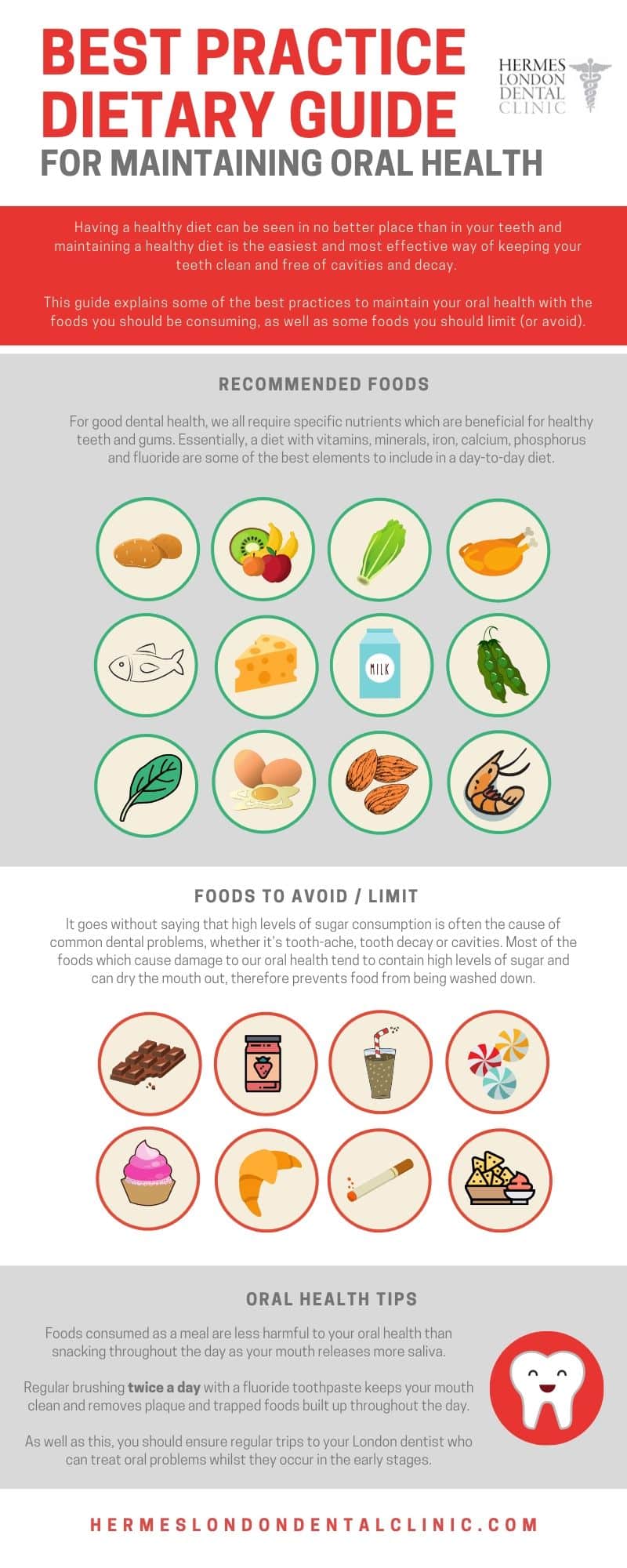
Sugary and starchy foods—candy, soda, bread, chips—are fuel for cavity-causing bacteria like Streptococcus mutans. When these bacteria digest carbs, they produce acid that attacks enamel for 20 minutes or more after each exposure.
The frequency of sugar intake is worse than the amount. Sipping soda all day keeps your mouth in constant acid mode, increasing decay risk. Limit sweets to mealtimes, not snacks.
Avoid sticky or acidic foods like dried fruit, gummy vitamins, or citrus juices—they cling to teeth and accelerate erosion.
Eat Foods That Protect Your Teeth
Not all foods harm your teeth—some actually defend them. Choose:
- Cheese, milk, plain yogurt: High in calcium and phosphates that support remineralization. Cheese also raises salivary pH, neutralizing acids.
- Lean protein (meat, eggs, fish): Rich in phosphorus, which strengthens enamel.
- Crunchy fruits and vegetables (apples, carrots, celery): Stimulate saliva and naturally scrub teeth.
- Leafy greens and almonds: Packed with vitamins and minerals that support oral health.
Eating these foods at the end of a meal helps balance acidity and protect enamel.
Avoid Bedtime Snacking
Never eat or drink anything sugary before bed. Saliva production slows during sleep, so acids aren’t neutralized, and food particles stay on teeth longer. If you must eat, brush afterward—or at least rinse with water.
Check Medication Labels for Hidden Sugar
Many liquid medicines, chewable tablets, and syrups contain sugar. Ask your doctor or pharmacist for sugar-free alternatives, especially if you take them regularly.
Boost Saliva to Neutralize Acids
Chew Sugar-Free Gum After Meals
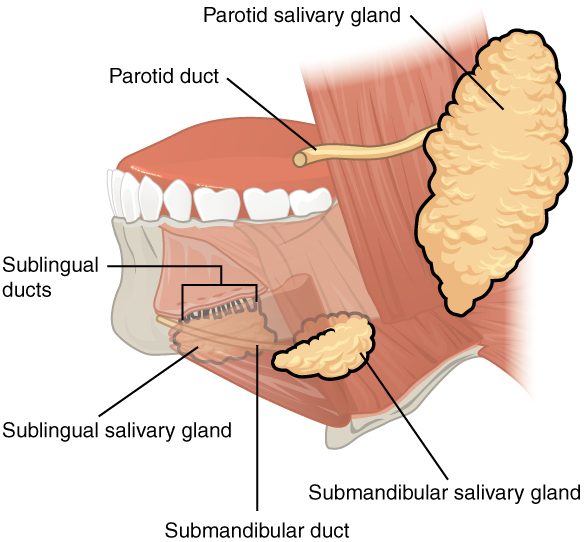
Saliva is your mouth’s natural defense. It washes away food, dilutes acids, and delivers minerals to repair early enamel damage. Chewing sugar-free gum, especially with xylitol, boosts saliva flow and reduces harmful bacteria.
Xylitol is a natural sweetener that S. mutans can’t metabolize—starving the bacteria and reducing plaque. Look for gum with the ADA Seal of Acceptance to ensure quality and effectiveness.
Chew for 5–10 minutes after eating to maximize benefit.
Stay Hydrated with Fluoridated Water
Drinking water does more than quench thirst—it rinses your mouth, supports saliva, and delivers fluoride. Tap water in most U.S. communities is fluoridated, making it one of the most effective public health tools against tooth decay.
Bottled water often lacks fluoride. When possible, choose tap or fluoride-enhanced bottled water.
After eating or drinking something acidic (like coffee or soda), rinse your mouth with water if you can’t brush. This helps neutralize pH and reduce erosion.
Use Fluoride Beyond the Toothpaste
Get Professional Fluoride Treatments
At your dental visits, ask for a fluoride varnish, gel, or foam application. These high-concentration treatments deliver a powerful remineralizing boost, especially if you:
- Have dry mouth
- Wear braces
- Have receding gums or exposed roots
- Get frequent cavities
Fluoride varnish is painted on and hardens quickly, staying in place to work longer. It’s fast, painless, and highly effective.
Consider Fluoride Supplements
If you live in a non-fluoridated area, your dentist may recommend fluoride supplements, especially for children. These come as drops or tablets and are prescribed based on age and risk level.
Never self-prescribe—too much fluoride can cause staining (dental fluorosis) in developing teeth.
Visit Your Dentist Regularly
Schedule Check-Ups Every 6 Months
Even with perfect hygiene, you need professional care. Visit your dentist at least twice a year for:
- Early decay detection
- Plaque and tartar removal
- Oral cancer screening
- Personalized advice
Some people—especially those at high risk—may need visits every 3–4 months.
Detect Decay Early with X-Rays and Exams
Dentists can spot white spot lesions—early signs of enamel demineralization—before cavities form. With fluoride and improved habits, these can often be reversed. Once a cavity forms, it requires a filling.
Regular X-rays help detect hidden decay between teeth or under existing restorations.
Try CAMBRA: Personalized Risk Assessment
Ask about Caries Management by Risk Assessment (CAMBRA). This science-based approach evaluates your unique risks—like diet, saliva flow, and bacterial levels—and creates a custom prevention plan.
Used at institutions like the University of Illinois College of Dentistry, CAMBRA shifts care from reactive to proactive, stopping decay before it starts.
Get Professional Cleanings
Only a dentist or hygienist can remove tartar (calculus)—plaque that has hardened and can’t be brushed away. Left untreated, tartar leads to gum disease and cavities.
Cleanings typically include scaling, polishing, and sometimes fluoride application.
Apply Protective Dental Treatments
Get Dental Sealants
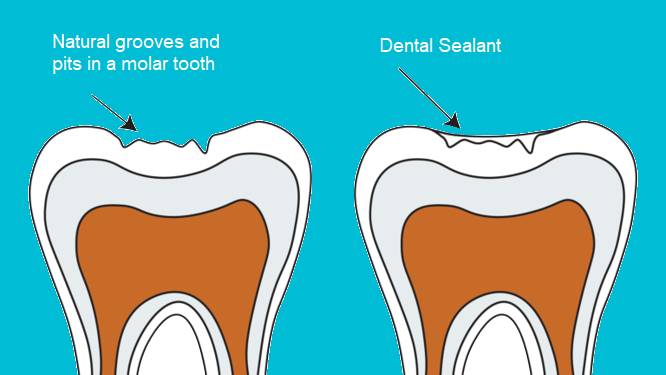
Sealants are thin, protective coatings painted onto the chewing surfaces of molars and premolars—areas with deep grooves that trap food and bacteria.
One of the most effective preventive tools, sealants can reduce decay risk by up to 80% in back teeth. They’re recommended for:
- Children, as soon as permanent molars erupt (around ages 6 and 12)
- Adults with deep grooves or a history of cavities
Sealants last for several years and are often covered by dental insurance.
Use Antibacterial Rinses When Needed
For high-risk patients, dentists may prescribe chlorhexidine rinse to reduce cavity-causing bacteria. It’s typically used short-term due to potential side effects like tooth staining.
Over-the-counter antimicrobial rinses with essential oils (e.g., thymol, eucalyptol) also help control plaque and gingivitis.
Watch for Emerging Technologies
New innovations are making prevention even easier:
- Slow-release fluoride inserts placed between teeth for long-term protection
- Advanced remineralizing toothpastes using nano-hydroxyapatite to rebuild enamel
- Xylitol products that suppress S. mutans over time
- Biofilm-disrupting agents that break down plaque structure
While not yet standard, these show promise for the future of decay prevention.
Special Tips by Age Group
Prevent Decay in Children
Start early: wipe your baby’s gums with a soft cloth before teeth emerge. Once the first tooth appears, use a grain-of-rice-sized smear of fluoride toothpaste.
For ages 3–6, use a pea-sized amount and supervise brushing until age 7–8. Teach spitting, not rinsing.
Apply dental sealants as soon as permanent molars come in. Limit juice and sugary snacks. Avoid putting babies to bed with bottles of milk or juice.
Protect Adult Teeth
Adults face new challenges: gum recession, dry mouth, and root decay. Focus on:
- Cleaning exposed root surfaces
- Using fluoride mouthwash daily
- Avoiding acidic drinks
- Managing medication side effects
Stay consistent—even busy schedules shouldn’t derail your routine.
Support Senior Oral Health
Older adults are at higher risk due to:
- Reduced saliva
- Chronic illness
- Physical limitations
Use adaptive tools like electric toothbrushes, floss holders, or water flossers. Emphasize hydration and fluoride. Regular dental visits are crucial—even if you wear dentures.
Final Note: Preventing tooth decay isn’t about perfection—it’s about consistency. Brush with fluoride, floss daily, limit sugar, drink water, and see your dentist regularly. With these proven steps, you can stop cavities before they start and keep your natural smile healthy for life. The key is to act early, stay informed, and personalize your approach. Your teeth don’t have to decay—protect them starting today.