If you have ever wondered how a Waterpik water flosser delivers a deeper clean than brushing and string floss alone, the answer lies in its smart use of pressurized, pulsating water. Designed to target plaque and debris between teeth and below the gumline, this device boosts gum health with ease. Clinical studies show it is over 50% more effective than string floss at reducing gingivitis. In just one minute a day, a Waterpik transforms oral care by combining precision engineering with simple mechanics. Here is how it works, what makes it effective, and why it is a game changer for daily hygiene.
Core Components of a Waterpik

Every Waterpik water flosser operates using three essential parts that work together seamlessly. Understanding these components helps you use the device more effectively and troubleshoot issues if they arise.
Motor and Pump System
The heart of the Waterpik is its motor driven pump. When activated, the motor powers a piston or diaphragm that pressurizes water from the reservoir. This mechanism creates rapid pulses, typically ranging from 1,200 to 1,600 pulses per minute, depending on the model. These pulses are key to dislodging plaque without irritating gum tissue.
Removable Water Reservoir
The reservoir holds the water or mouthwash you will use during flossing. Most models have a capacity of 18 to 24 ounces, enough for a full session. It is removable for easy filling and cleaning. Some reservoirs feature quick release buttons and transparent walls so you can monitor water levels mid use.
Interchangeable Flossing Tips
Each Waterpik comes with one or more flossing tips designed for specific needs. Standard tips work for daily use, while orthodontic tips clean around braces and periodontal tips reach deep pockets. The tip attaches to the handle and directs the pulsating water stream precisely where you aim it.
How Water Pressure Cleans Teeth
The cleaning power of a Waterpik relies on controlled water pressure, adjustable to suit individual comfort and needs. This is not a constant stream like a faucet. It is a dynamic, rhythmic pulse that enhances cleaning efficiency.
Adjustable Pressure Settings
Most Waterpik models offer variable pressure controls, usually from 10 to 100 psi, with settings labeled from soft to maximum. Beginners often start low and gradually increase pressure as gums adapt. The ability to customize intensity makes it ideal for people with sensitive gums, braces, implants, or periodontal pockets.
Why Pulsation Beats a Steady Stream
Unlike a continuous flow, the pulsating action of a Waterpik works like a gentle massaging wave. Each pulse creates a hydraulic flush that expands and contracts the space between teeth and gums, dislodging trapped food particles and breaking up bacterial plaque biofilm. Research confirms pulsating water removes significantly more plaque than non pulsating streams, especially below the gumline.
Targeting Hard to Reach Areas
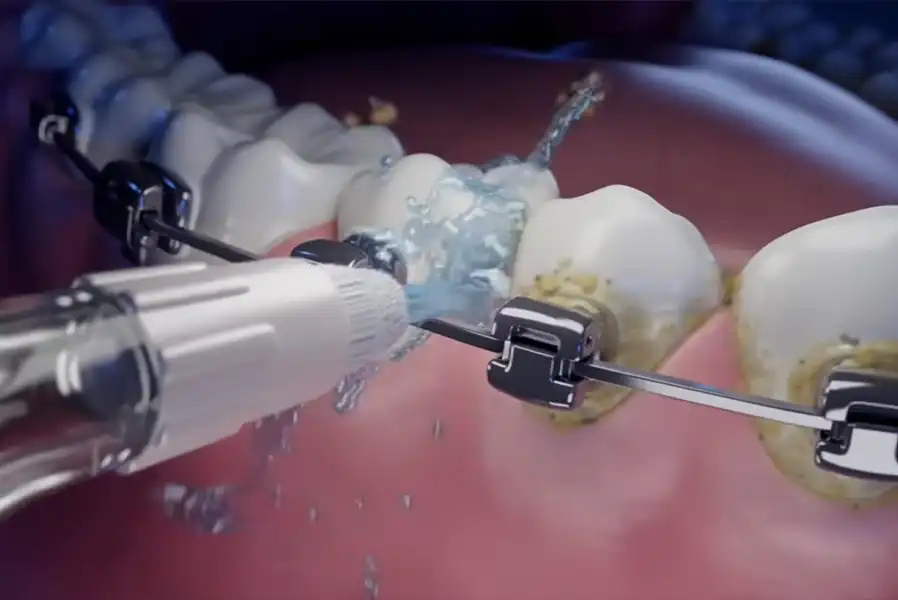
One of the biggest advantages of a Waterpik is its ability to clean where brushing and string floss fall short. Its effectiveness comes from how it accesses tight spaces and subgingival zones.
Cleaning Between Teeth
The targeted water jet slips easily between tightly spaced teeth, flushing out debris that brushing cannot touch. Even in crowded or misaligned teeth, the pulsations create turbulence that pushes contaminants out from interdental spaces.
Reaching Below the Gumline
Below the gumline is where harmful bacteria accumulate, leading to gingivitis and periodontitis. The pulsating stream penetrates up to 3 to 4 mm below the gums, disrupting plaque colonies without causing damage. This subgingival cleaning is clinically proven to reduce bleeding and inflammation over time.
Effective Around Braces and Implants
For those with braces, bridges, or dental implants, traditional flossing is cumbersome. A Waterpik tip can navigate around wires and between abutments, cleaning areas that are otherwise blind spots. Orthodontic tips are specially designed to clean around brackets and under archwires.
Step by Step: How to Use a Waterpik
Using a Waterpik is simple, but doing it correctly ensures maximum benefit. Follow these steps for a thorough clean in under two minutes.
Fill and Prime the Reservoir
Remove the reservoir and fill it with warm water or a mix of water and mouthwash, if recommended. Reattach it securely. Turn the unit on at the lowest pressure setting and let water run through the tip for a few seconds to purge air bubbles. This primes the system for consistent flow.
Select and Attach the Right Tip
Choose the appropriate tip for your needs. Standard tips work for daily use, orthodontic for braces, and periodontal for deep pockets. Click it into place until it locks. Make sure it is snug to prevent leaks.
Position and Pulse Along the Gumline
Lean over the sink, close your lips slightly to prevent splashing, and place the tip just above your gumline. Move systematically from tooth to tooth, pausing briefly between each. Let the pulsations do the work. Do not force the tip. Follow a consistent pattern to avoid missing spots.
Benefits of Daily Water Flossing
Switching to a Waterpik is not just about convenience. It delivers measurable oral health improvements over time.
Reduces Gingivitis and Bleeding Gums
Regular use disrupts plaque buildup along the gumline, the primary cause of gingivitis. Users often notice less bleeding within one to two weeks of consistent use, indicating healthier gums.
Improves Breath and Overall Cleanliness
By flushing out odor causing bacteria and food particles from hidden areas, water flossing helps prevent bad breath. The deep clean leaves your mouth feeling fresh, even hours after brushing.
Supports Long Term Gum Health
Daily pulsating irrigation promotes circulation in gum tissue, acting like a massage that strengthens the gums over time. This can slow the progression of periodontal disease and support the longevity of natural teeth.
Comparing Waterpik to String Floss
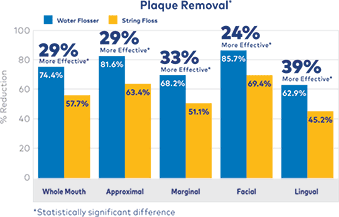
While both methods remove plaque, they work very differently, and the results are not equal.
Efficiency and Coverage
String floss relies on physical scraping between teeth, which only cleans the sides of teeth it contacts. A Waterpik cleans the entire interdental zone, including below the gums and around restorations, with less effort and time.
User Compliance and Comfort
Many people skip flossing because it is tedious or painful. A Waterpik is faster, gentler, and easier to use, especially for those with arthritis, braces, or dexterity issues. Higher user compliance means better long term outcomes.
Clinical Effectiveness
Multiple studies show Waterpik water flossers outperform string floss in reducing plaque, gingivitis, and gum bleeding. When paired with brushing, it provides a superior level of cleaning that is hard to achieve manually.
Tips for Best Results
Maximize your Waterpik performance with these expert backed practices.
Use Lukewarm Water
Cold water can cause discomfort, especially if you have sensitivity. Warm water feels more soothing and encourages longer, more effective sessions.
Clean the Tip Weekly
Mineral buildup and bacteria can accumulate in the tip. Soak it in vinegar or a water diluted bleach solution weekly, then rinse thoroughly. Replace tips every 3 to 6 months.
Angle the Tip Correctly
Hold the tip at a 90 degree angle to your gumline. Do not press it into the gums. Let the water pulse do the cleaning without causing irritation.
Do Not Skip Hard to Reach Back Teeth
It is easy to rush through molars, but they are plaque hotspots. Take extra time to clean behind your last molars and along the gumline in the back of your mouth.
Troubleshooting Common Issues
Even reliable devices can have hiccups. Here is how to fix frequent problems quickly.
No Water Flow from Tip
Check if the reservoir is properly seated and the tip is securely attached. Remove the tip and run water to see if flow resumes. If not, debris may be clogging the nozzle. Clean or replace the tip.
Leaking Reservoir
Ensure the reservoir is fully snapped into place. Cracks or worn seals can cause leaks. Inspect regularly and replace if damaged.
Inconsistent Pressure
Air trapped in the system can cause sputtering. Prime the unit by running it for 10 to 15 seconds before starting. If the issue persists, descale the unit with a vinegar water mix to remove internal mineral deposits.
Maintaining Your Waterpik
Proper care extends the life of your device and keeps it hygienic.
Empty After Each Use
Do not leave water sitting in the reservoir. Empty it completely to prevent stagnant water and bacterial growth.
Descale Monthly
Hard water can clog internal tubing. Run a 1 to 1 mix of white vinegar and water through the unit monthly, followed by two cycles of plain water to rinse.
Store Tips Properly
Keep tips in a dry, ventilated holder. Label them if using multiple types to avoid cross contamination.
Frequently Asked Questions About Waterpik Water Flossers
Does a Waterpik replace traditional flossing?
A Waterpik water flosser does not necessarily replace traditional flossing, but clinical studies show it is more effective at reducing gingivitis and plaque. Many dental professionals recommend using it as a complement to brushing, and it can serve as an alternative for those who struggle with string floss.
Can I use mouthwash in my Waterpik?
Yes, you can use mouthwash in your Waterpik, but it is best to dilute it with water, following the manufacturer recommendations. Using undiluted mouthwash regularly may damage the internal components. Always rinse the unit thoroughly after using mouthwash to prevent residue buildup.
How often should I replace the tips on my Waterpik?
You should replace the tips on your Waterpik every 3 to 6 months, depending on usage and model. Worn tips may not deliver optimal pressure and pulsation. Some models have indicator marks that show when it is time for a replacement.
Is water flossing safe for sensitive gums?
Water flossing is generally safe for sensitive gums, especially when starting at the lowest pressure setting. The pulsating water is gentle and can actually improve gum health over time. If you experience pain or bleeding that persists, consult your dentist.
Can children use a Waterpik water flosser?
Children can use a Waterpik water flosser, but supervision is recommended, particularly for younger children. Many models come with pediatric tips designed for smaller mouths. Consult your child dentist to determine the appropriate age and pressure setting.
Key Takeaways for Understanding Your Waterpik
A Waterpik water flosser works by combining adjustable pressure with high frequency pulsations to deliver a deep, gentle clean that surpasses traditional flossing. From its motor driven pump to its precision tips, every component is designed to improve gum health and make oral care easier. Whether you have braces, sensitive gums, or simply want a more effective clean, using a Waterpik daily can reduce plaque, prevent gingivitis, and leave your mouth feeling fresh. With proper use and maintenance, it is a smart, science backed upgrade to your routine. Ready to experience the difference? Start with one minute a day and feel the clean for yourself.