If you’ve just had a tooth pulled—or are preparing for one—you’re probably wondering: how long does a tooth extraction take to heal? Most people start feeling better within 3 to 7 days, but full recovery, especially at the bone level, can take several months. Healing isn’t just about when the pain stops—it’s a biological process that starts the moment the tooth is removed and continues long after you’ve returned to your daily routine.
Your recovery timeline depends on several factors: whether the extraction was simple or surgical, the tooth’s location (especially molars or impacted wisdom teeth), your overall health, and how closely you follow aftercare instructions. This guide breaks down exactly what to expect during each phase of healing, how different types of extractions affect recovery time, and what you can do to heal faster and avoid complications like dry socket.
Whether you had a front tooth, molar, or wisdom tooth removed, understanding the healing process helps you know when you can eat normally, return to work, and if your recovery is on track.
Initial Healing: First 7 Days
The first week after extraction is critical. This is when your body forms a blood clot, controls swelling, and begins tissue repair. It’s also the highest-risk period for complications.
Day 1: Protect the Blood Clot
Immediately after the procedure, your dentist will place gauze over the extraction site and ask you to bite down. This pressure helps stop bleeding and encourages clot formation, which is essential for healing. The clot protects the underlying bone and nerves and acts as a foundation for new tissue growth.
Bleeding is normal for the first few hours. Swelling often starts within 6–12 hours, so apply an ice pack (20 minutes on, 20 minutes off) to reduce inflammation. Keep your head elevated, even while sleeping, to minimize swelling and bleeding.
Key actions:
– Stick to soft, cool foods like yogurt, applesauce, or smoothies (eaten with a spoon—no straws).
– Avoid spitting, rinsing, or using straws—suction can dislodge the clot.
– Don’t smoke or drink alcohol—both increase the risk of dry socket and delay healing.
– Take prescribed pain medication as directed.
⚠️ The first 24 hours are the most dangerous for dry socket, a painful condition where the clot fails to form or is lost.
Days 2–3: Peak Swelling and Pain
Pain and swelling typically peak on day 2 or 3, especially after surgical extractions. You may also notice bruising on your jaw or cheek. This is normal and will fade in a few days.
Continue using ice packs for the first 48 hours. After that, switch to warm compresses to improve blood flow and reduce stiffness. Take over-the-counter pain relievers like ibuprofen as needed, and avoid aspirin, which can increase bleeding.
Start gentle saltwater rinses (1 teaspoon of salt in 8 ounces of warm water) 2–3 times a day beginning on day 2. This keeps the area clean and reduces the risk of infection.
Days 4–7: Recovery Begins
By day 4, most patients notice a clear improvement. Pain and swelling begin to fade, and many feel well enough to return to work or school by day 5–7, especially if they avoid strenuous activity.
Your body is now forming granulation tissue, a sign that healing is progressing. While the socket may still be open, it should no longer be painful. You can slowly introduce semi-soft foods like mashed potatoes, scrambled eggs, or oatmeal—but avoid chewing directly on the extraction site.
Even if you feel fine, the socket remains vulnerable. Keep protecting it for at least 7–10 days.
Soft Tissue Healing: 1–4 Weeks
While pain may fade in a week, your gums are still healing beneath the surface.
Week 2: Socket Starts to Close
By the second week, soft tissue begins to cover the extraction site. You may see a pinkish layer forming over the socket—this is new gum tissue. A small indentation may remain, but it should no longer be painful.
Your dentist may schedule a follow-up to check healing progress. You can now:
– Resume gentle brushing around the area (avoid direct contact with the socket).
– Gradually return to a normal diet, avoiding hard or crunchy foods near the site.
Don’t assume healing is complete—bone regeneration has only just begun.
Weeks 3–4: Gum Closure Complete
By week 4, the socket is mostly or fully covered. The indentation may still be visible but is less pronounced. In most cases, soft tissue healing is complete by this stage, especially after simple extractions.
If you had a wisdom tooth removed, you might still feel mild tenderness, but it should be manageable. You can now chew more normally, though it’s wise to avoid putting full pressure on the area for a few more weeks.
Bone Healing: 3–6 Months
While your gums may look healed in weeks, your jawbone takes much longer to fully regenerate.
Weeks 5–10: Bone Starts to Fill the Socket
Inside the jaw, your body is slowly replacing the empty socket with new bone—a process called bone remodeling. This starts within days but takes months. By 10 weeks, the socket is substantially filled. By 4 months, it’s nearly solid.
This phase is especially important if you’re planning a dental implant—your dentist will wait until the bone is strong enough, usually 3–6 months after extraction.
Months 3–6: Full Bone Integration
Complete bone healing typically takes 3 to 6 months, though some patients (especially older adults or those with health conditions) may take up to 9 months. If a bone graft was placed, healing can extend to 6–9 months or longer.
You won’t feel this phase—it’s invisible. But it’s essential for long-term oral health and future restorations.
Types of Extractions and Healing Times
Not all extractions are the same. The complexity directly affects recovery.
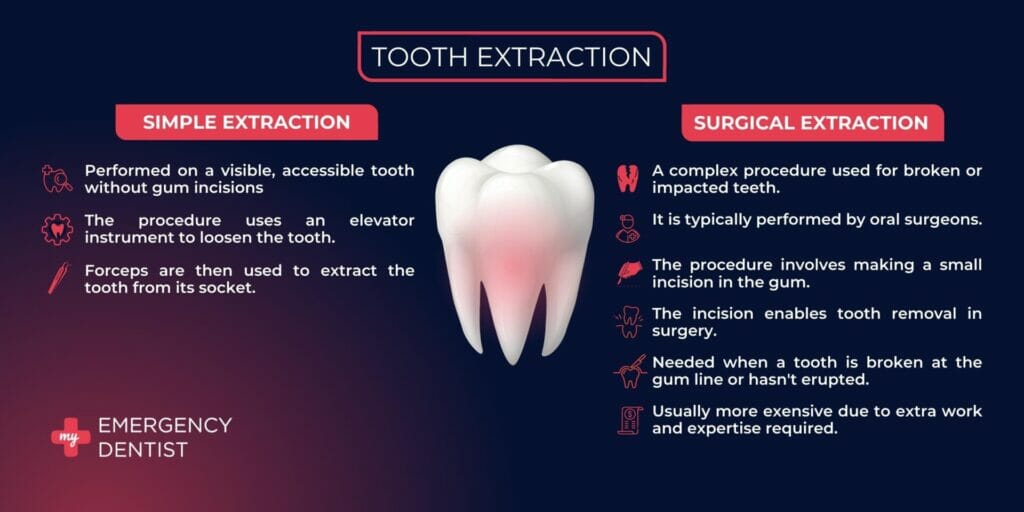
Simple Extraction: 1–2 Weeks
Used for visible, fully erupted teeth like front teeth or premolars.
- Soft tissue healing: 7–14 days
- Bone healing: 3–4 months
- Initial recovery: 3–5 days
Ideal for patients with good oral health.
Surgical Extraction: 2–4 Weeks
Involves incisions, bone removal, or tooth sectioning—common for broken or impacted teeth.
- Soft tissue healing: 2–4 weeks
- Bone healing: 4–6 months or longer
- Initial recovery: 7–10 days
More swelling and discomfort expected.
Wisdom Tooth Extraction: Extended Recovery
Often impacted, requiring surgical removal.
- Initial recovery: 7–10 days
- Full healing: Several weeks to months
- Complication risk: Higher chance of dry socket
Removing multiple wisdom teeth can extend recovery.
Extraction with Bone Graft: 3–9+ Months
Used to preserve bone for future implants.
- Surface healing: 7–14 days
- Graft integration: 3–9 months or longer
- Aftercare: Strict—avoid pressure, smoking, hard foods
Skipping aftercare can lead to graft failure.
Factors That Affect Healing Time
Your recovery depends on more than just the procedure.
- Age: Younger patients heal faster.
- Health: Diabetes or autoimmune disorders slow healing.
- Oral hygiene: Poor hygiene increases infection risk.
- Smoking: Increases dry socket risk by up to 5 times.
- Nutrition: Protein, vitamin C, D, and zinc support healing.
- Activity: Avoid strenuous exercise for 48 hours.
Aftercare Tips for Faster Healing
Do’s
- Rest for 48 hours
- Use ice packs the first day
- Start saltwater rinses after 24 hours
- Eat soft, nutritious foods
- Take medications as prescribed
- Resume gentle brushing after day 1
Don’ts
- Don’t spit, suck, or use straws
- Don’t smoke or vape
- Avoid alcohol
- Skip hard, spicy, or chewy foods near the site
- Don’t touch the socket
Following these rules cuts complication risk by over 80%.
Warning Signs of Complications
Dry Socket
- Symptoms: Severe pain, bad taste, visible bone
- Risk period: First 2–3 days
- Treatment: Medicated dressing from dentist
Infection
- Symptoms: Worsening pain, pus, fever
- Action: Contact dentist—antibiotics may be needed
Prolonged Bleeding
- Management: Bite on a moist tea bag; call dentist if it continues
Nerve Injury
- Symptoms: Numbness or tingling
- Prognosis: Most resolve in weeks
Jaw Stiffness (Trismus)
- Cause: Prolonged mouth opening
- Relief: Warm compresses, gentle stretching
When to Call Your Dentist
Seek help if you have:
– Severe or worsening pain after day 3
– Bleeding that won’t stop
– Fever or chills
– Pus or foul smell
– Swelling that increases after day 3
– Signs of dry socket
– Difficulty opening mouth or swallowing
– Numbness lasting more than 24 hours
Visual Healing Stages: What to Expect
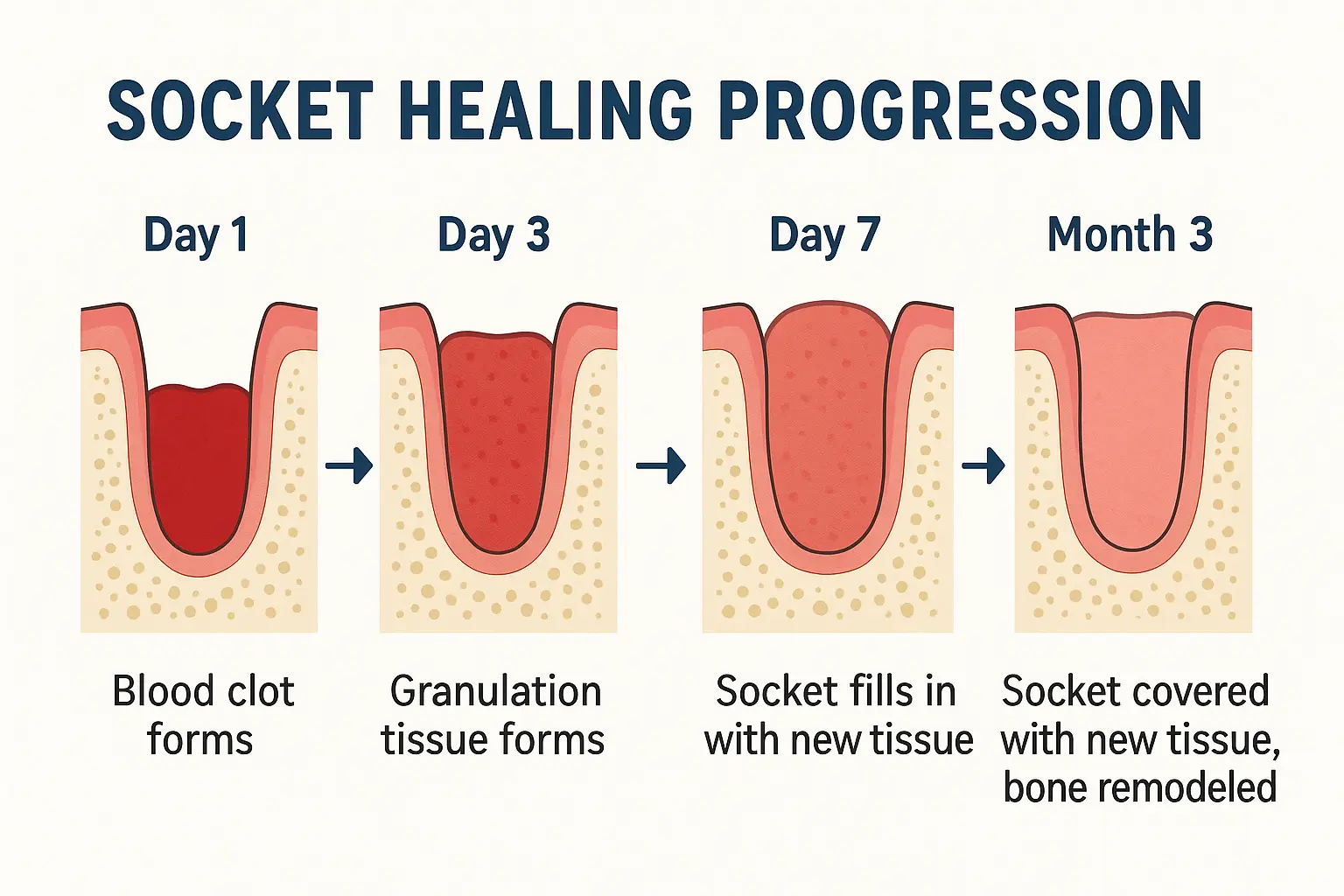
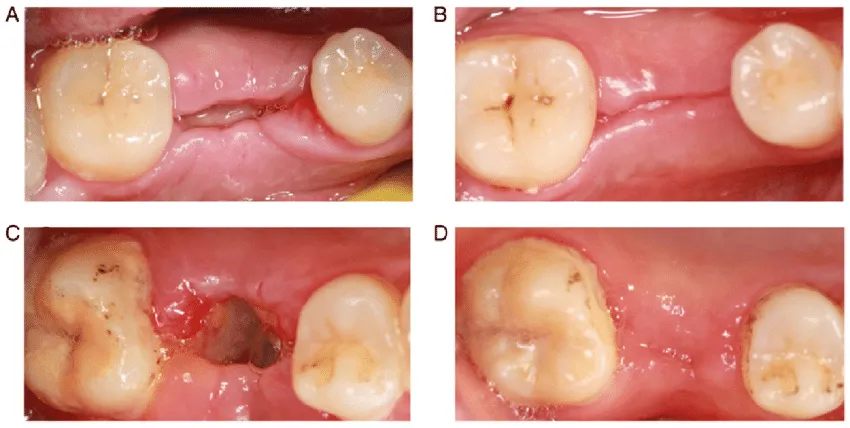
- Day 1–3: Open socket with red clot; swelling present
- Day 4–7: Clot turns whitish—this is normal granulation tissue
- Week 2: Pink tissue covers socket; small dent remains
- Week 3–4: Dent less visible; gum contour improves
- Month 3+: Socket blends in; bone healing continues underneath
A white or yellowish appearance is healthy—only concerning if painful or smelly.
FAQs: Quick Answers
How long does pain last?
Peaks at 24–48 hours, fades over 5–7 days.
When can I stop worrying about dry socket?
After day 5, risk drops sharply.
Can I brush my teeth?
Yes—avoid the site for 24 hours, then brush gently.
Why is my jaw stiff?
Trismus from prolonged mouth opening—resolves in 2–3 days.
How long for molar extraction recovery?
Initial: 7–10 days; full: several weeks to months.
When can I eat normally?
Start soft foods for 3–7 days, then slowly reintroduce solids.
What helps bone heal faster?
Good nutrition, no smoking, managing health conditions.
Final Note: Healing from a tooth extraction is a phased process—you’ll feel better in days, but complete recovery takes months. By understanding the timeline, protecting the blood clot, and following aftercare, you can heal smoothly and avoid setbacks. Always consult your dentist with concerns—they’re your best ally in a safe, successful recovery.