
If your water flosser isn’t holding a charge like it used to or seems weaker with each use, you’re not alone. Many users wonder how long these oral care devices are meant to last, especially as performance starts to dip after a year or two. The good news is that with proper care, most water flossers deliver reliable service for 3 to 5 years, and some even longer.
Battery life, usage habits, and maintenance play major roles in determining how long does a water flosser last. Cordless models depend heavily on lithium-ion battery health, which typically peaks for 2 to 3 years before degrading. Understanding when and why your water flosser wears out helps you get the most value and maintain optimal oral hygiene.
Battery Life Expectancy
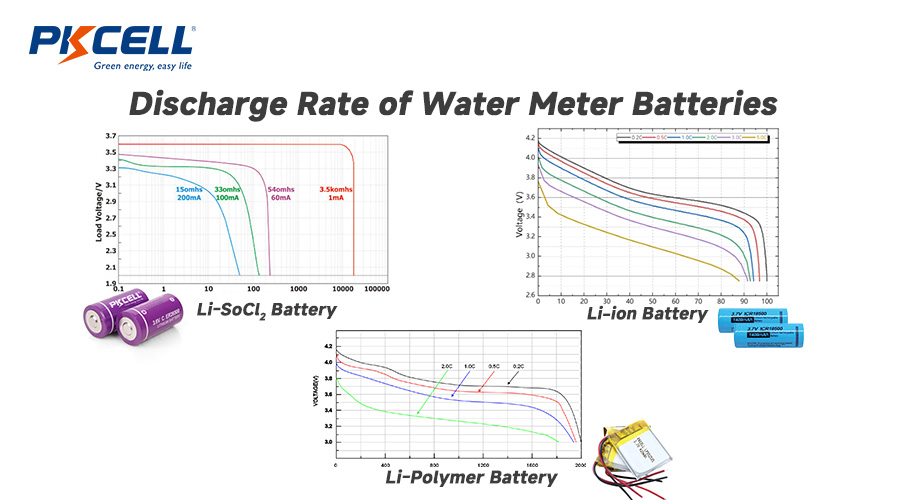
The battery is the heart of any cordless water flosser, and its health directly answers how long does a water flosser last. Most modern cordless water flossers use lithium-ion batteries, valued for their long charge cycles, minimal memory effect, and compact power. These batteries maintain strong performance for 2 to 3 years under regular use. After this period, capacity declines, leading to shorter runtimes and slower startup.
Older or budget models may use nickel-metal hydride batteries, which degrade faster due to memory effect and lower charge retention. They typically last 12 to 18 months before noticeable drop-offs in performance.
Lithium-Ion vs NiMH Batteries
Modern lithium-ion models provide significant advantages over older battery technologies. Lithium-ion batteries maintain optimal capacity for 2 to 3 years, delivering consistent power throughout their lifespan. NiMH batteries, while cheaper, suffer from memory effect, meaning they “forget” their full capacity if repeatedly charged before fully draining. This makes them less reliable for long-term use.
Single-Charge Runtime
On a full charge, lithium-ion models provide 45 to 60 minutes of continuous operation. For users flossing 1 to 2 minutes per day, that translates to 7 to 14 days between charges, making these devices highly convenient for daily use and travel. Higher pressure settings reduce runtime slightly, but most users won’t notice a difference unless using maximum intensity daily.
Charging Time and Best Practices
Full charge time ranges from 4 to 8 hours, depending on the model. Newer models feature faster USB-C charging ports for universal compatibility. Most units include overcharge protection circuits that prevent damage from prolonged charging.
Best charging practices to maximize how long does a water flosser last include charging when battery drops to 20 to 30 percent, avoiding full discharges, unplugging once fully charged, and not storing the device plugged in for extended periods. Poor charging habits accelerate battery wear and may shorten usable life by up to a year.
Signs of Battery Failure
Knowing the warning signs helps you determine how long does a water flosser last in your specific case. One of the first signs of battery degradation is needing to charge more often. If your flosser once lasted two weeks but now dies in 3 to 4 days, the battery is likely past peak performance.
Reduced Runtime Per Charge
This manifests as a dramatic decrease in the time between charges. You may find yourself charging weekly instead of monthly, or the device dies mid-use during your normal flossing routine. This is a clear indicator that the lithium-ion cells have degraded and can no longer hold sufficient charge.
Slower Pressurization
As battery capacity fades, the motor struggles to build pressure quickly. You may notice delayed water flow after pressing the button, sputtering or inconsistent stream, and the need to prime the unit multiple times. These issues often persist even after cleaning, pointing to power problems rather than clogs.
Failure to Hold a Charge
When your flosser powers off immediately after unplugging or dies within minutes of use, the battery has reached end-of-life. At this stage, replacement is usually necessary, especially if the battery is sealed. Leaving a lithium-ion battery fully drained for weeks can cause permanent damage, so store at approximately 50 percent charge if unused for long periods.
Main Unit Durability
Beyond the battery, the overall construction determines how long does a water flosser last. With normal use and care, most water flossers last 3 to 5 years. High-end models from brands like Waterpik are built with durable plastics, sealed electronics, and robust pumps designed for long-term reliability.
Even after battery decline, the motor and pump may still function, though performance will be limited by power supply. This means you might still have a functional device even when the battery can no longer hold a charge.
Build Quality by Model Type
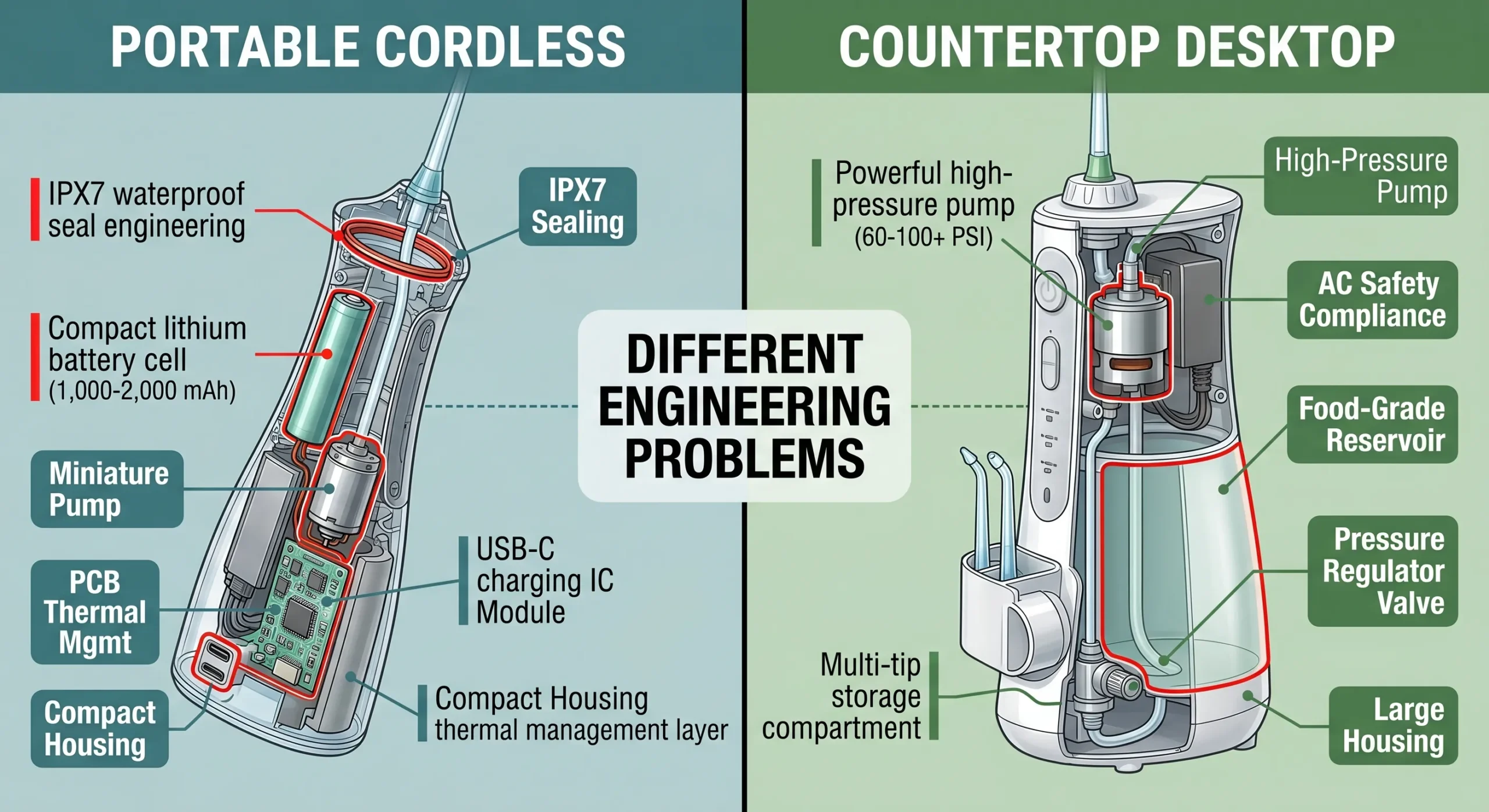
Different model types offer varying durability profiles. Cordless battery-powered models typically last 3 to 5 years, with the battery being the limiting factor since most are non-replaceable. Countertop corded models last 5 or more years because they have no battery wear and benefit from consistent power delivery. Travel models last 2 to 3 years because compact design sacrifices durability for portability.
Countertop models often outlast cordless ones simply because they do not rely on batteries. Their AC power supply eliminates one of the biggest failure points in water flossers.
Replaceable Components Timeline
Even if the main unit lasts years, certain parts need regular replacement to maintain hygiene and performance. Understanding these timelines helps answer how long does a water flosser last while maintaining effectiveness.
Flosser Tips: Replace Every 3 to 6 Months
Flossing tips wear down over time. Bristles fray, jets clog, and effectiveness drops. Dentists recommend replacing tips every 3 to 6 months, same as toothbrush heads. Types include standard jet tips, orthodontic tips, plaque seekers, and tongue cleaners. Using expired tips reduces plaque removal and increases bacterial buildup.
Label your tips with the install date using a fine marker to track replacement timing accurately.
Reservoir Longevity
The water tank typically lasts 2 to 3 years but can crack or leak due to impact or temperature stress. Most reservoirs are removable and dishwasher-safe on the top rack, but repeated heat exposure may warp plastic over time.
Replace the reservoir if cracks appear, the lid does not seal properly, or persistent odor remains after cleaning. A damaged reservoir compromises both hygiene and function.
Seals, Valves, and Hoses
Internal seals and O-rings can dry out or degrade after years of use, leading to leaks or loss of pressure. Some models offer replacement kits for these small parts, extending the device’s life. Hoses and handles are often available as genuine manufacturer replacements, especially for popular models.
When to Replace Your Water Flosser
Several clear signs indicate it’s time for a new device, helping you understand how long does a water flosser last before replacement becomes necessary.
No Power or Charging Response
If the unit won’t turn on and does not respond to charging, even after trying different outlets or cables, the battery or charging circuit has likely failed. Check the charging port for debris, test the cable and adapter functionality, and observe indicator light behavior. No response usually means internal failure, especially in sealed units.
Persistent Low Water Pressure
Even after descaling and cleaning, if pressure remains weak, the pump or motor may be failing. This is common in older units where mineral buildup has caused long-term strain. Troubleshoot first by cleaning all nozzles, running vinegar flush, and checking for blockages. If pressure does not improve, replacement is likely the best option.
Leaks from Handle or Base
Occasional drips are normal, but consistent leaking from the handle, base, or reservoir connection indicates worn seals or housing damage. While some seals can be replaced, cracked casings mean the unit is no longer water-tight and should be retired.
Unusual Noises
Grinding, buzzing, or sputtering sounds during operation suggest internal damage. Worn motor bearings, air trapped in the pump, or debris in the impeller can cause these sounds. If noise persists after cleaning and priming, internal repair is unlikely without professional service.
Cracked or Warped Housing
Physical damage to the body or reservoir compromises both function and hygiene. Warping from heat exposure, such as near radiators or in direct sunlight, can prevent proper sealing and lead to leaks.
Extending Your Water Flosser’s Lifespan
Proper care significantly impacts how long does a water flosser last. Small daily actions make a big difference in long-term performance.
Daily Maintenance Habits
Empty the reservoir after each use to prevent stagnant water and mold. Store upright to avoid pressure on seals and hoses. Use warm water only, never hot, which can warp plastic. Avoid harsh additives like iodine, chlorine, or oil-based mouthwashes unless approved by the manufacturer.
Monthly Cleaning Routine
Mineral buildup is a leading cause of clogs and pump strain. Prevent it with regular cleaning using equal parts white vinegar and water. Fill the reservoir with this solution, run it through all pressure settings, then follow with 2 to 3 cycles of clean water to rinse. Wipe the exterior with a damp cloth. Do this every 1 to 3 months, depending on water hardness.
Long-Term Storage Tips
If storing for weeks or months, charge the battery to approximately 50 percent. Remove and dry all components, then store in a cool, dry place away from sunlight. Recharge every 3 months if stored long-term to prevent battery dormancy and seal degradation.
Warranty and Repair Options
Most water flossers come with a 1 to 3-year limited warranty covering manufacturing defects, pump or motor failure, and electrical issues. The warranty does not cover damage from drops or misuse, issues caused by improper cleaning, or battery degradation from normal wear. Always register your device and keep proof of purchase.
Can You Replace the Battery?
Some models allow professional battery replacement, typically costing $25 to $45. However, most cordless units have sealed, non-replaceable batteries, making user repair impossible. If your model supports it, contact manufacturer support, ask about repair programs, and inquire about refurbished unit options. Otherwise, full replacement is the only practical solution once the battery fails.
Where to Buy Replacement Parts
Manufacturers like Waterpik sell all major components online, including flosser tips, reservoirs, charging bases, hoses, and seals. Using genuine parts ensures compatibility and maintains performance. Third-party accessories may fit but often lack durability or proper pressure regulation.
Choosing a Longer-Lasting Model
If longevity is your priority, corded countertop models are the most durable. Without a battery, they avoid the single biggest point of failure. They also offer higher water pressure, larger reservoirs, and more consistent performance, making them ideal for home use where portability is not needed.
Look for models with replaceable batteries, though few offer this feature. This dramatically extends usable life because you can swap in a new battery instead of buying a whole new unit.
Check manufacturer support before purchasing. Brands with strong customer service and long-term parts availability make it easier to maintain your device for years. Look for 2 or more year warranties, online manuals and troubleshooting, and access to genuine replacement parts.
Frequently Asked Questions About Water Flosser Lifespan
How long does a cordless water flosser battery last?
A cordless water flosser battery typically lasts 2 to 3 years before significant degradation occurs. Lithium-ion batteries maintain optimal capacity for this period, after which you may notice reduced runtime and slower charging.
Can I replace the battery in my water flosser?
Most cordless water flossers have sealed, non-replaceable batteries. Some models offer professional replacement for $25 to $45, but many units require full replacement once the battery fails.
How often should I replace water flosser tips?
Replace water flosser tips every 3 to 6 months for optimal hygiene and performance. Worn tips clean less effectively and can harbor bacteria.
Do countertop water flossers last longer than cordless models?
Yes, countertop models typically last 5 or more years compared to 3 to 5 years for cordless models. They avoid battery degradation entirely since they plug into wall power.
What shortens a water flosser’s lifespan the most?
Failure to clean regularly, using hot water, leaving water in the reservoir, and poor charging habits shorten lifespan the most. Mineral buildup and battery neglect are the primary killers of water flossers.
Is it worth repairing an old water flosser?
Repair is worth considering only if the model has replaceable batteries or seals. For sealed units with failed batteries, replacement is typically more cost-effective than repair.
Key Takeaways for Maximizing Your Water Flosser’s Life
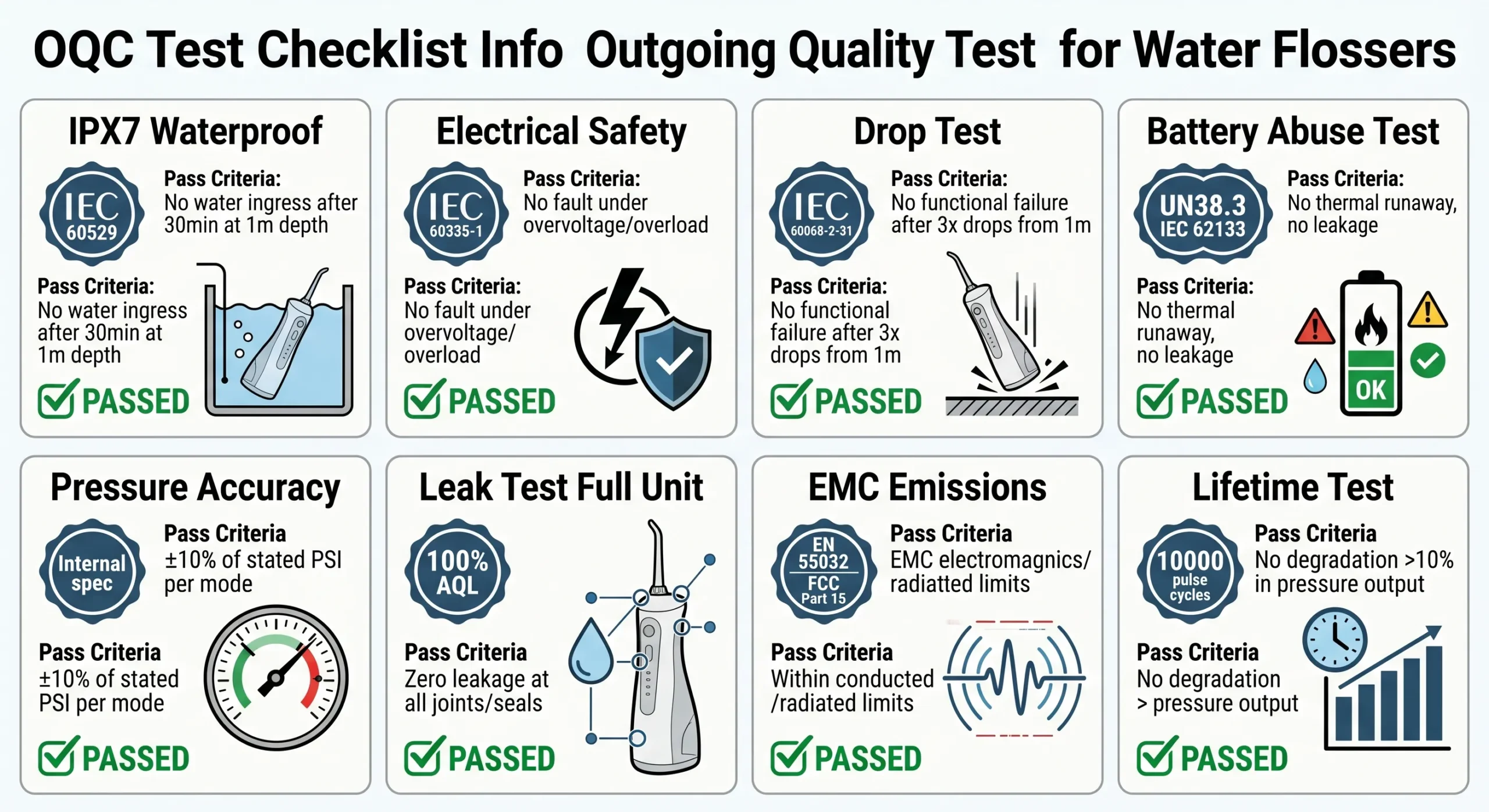
A water flosser typically lasts 3 to 5 years, with cordless models seeing battery decline after 2 to 3 years. The battery is the primary limiting factor in how long does a water flosser last, making charging habits critical to longevity. With proper care including regular cleaning, correct charging practices, and timely tip replacement, you can maximize performance and delay replacement. While most units have non-replaceable batteries, countertop models and good maintenance habits offer the best path to long-term durability. Watch for signs like weak pressure, charging issues, or leaks to know when it is time to upgrade, and keep your oral care routine effective for years to come.