You just left the dentist’s office after having a tooth pulled—maybe a stubborn molar or an impacted wisdom tooth—and now your cheek is ballooning like you’ve stuffed it with nuts. It’s uncomfortable, maybe even a little scary, but here’s the truth: swelling after tooth extraction is completely normal. In fact, it’s your body’s natural response to surgical trauma, signaling that healing has begun. Most patients experience some degree of facial puffiness, especially after complex procedures, and while it can be alarming, it’s usually nothing to panic about.
But how long should you expect the swelling to last? When does it peak? And what can you do to reduce discomfort and speed up recovery? Whether you had a simple extraction or a surgical removal, understanding the swelling timeline, what affects it, and how to manage it effectively can make a big difference in your healing journey. This guide breaks down everything you need to know—based on clinical evidence and dentist-recommended practices—so you can recover with confidence and minimal disruption to your daily life.
Swelling Timeline: What to Expect Day by Day
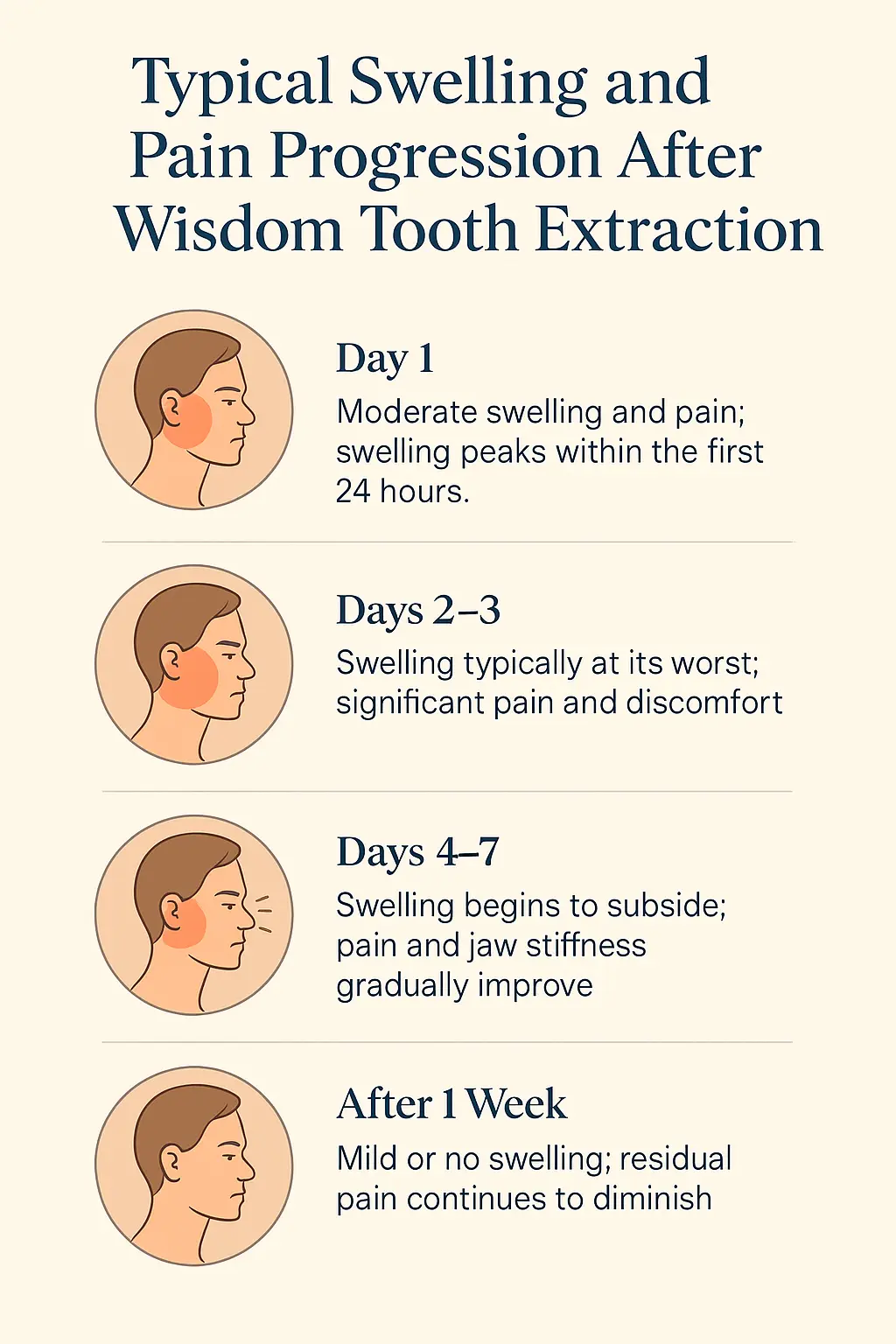
Swelling doesn’t appear all at once—it follows a predictable pattern that most patients go through. Knowing this progression helps you differentiate between normal healing and potential complications.
Peak Swelling at 48–72 Hours Post-Extraction
Contrary to what you might expect, swelling doesn’t peak immediately after surgery. Instead, it builds gradually, reaching its maximum around 48 to 72 hours (days 2–3) after the procedure. This delayed peak happens because inflammation takes time to develop as fluids accumulate in the soft tissues around the extraction site. You might feel fine the day of the surgery, only to wake up on day two looking noticeably puffy—and that’s completely normal.
The key isn’t the peak itself, but what happens next. If swelling starts to improve after day 3, you’re likely on the right track. But if it continues to increase beyond this point, it could signal a complication.
Swelling Begins to Improve on Days 3–5
Starting around day 3, most patients begin to see a visible reduction in facial puffiness. By day 5, the swelling should be significantly less, especially after routine extractions. You may still feel some tightness or mild fullness in the area, but the dramatic “chipmunk cheek” look should be fading.
This improvement is a good sign that your body is successfully managing inflammation and moving into the next phase of healing.
Full Resolution by Day 7–10, Occasionally Up to 14 Days
For simple extractions, most swelling resolves within 5 to 7 days. However, after surgical extractions—like removing impacted wisdom teeth—mild puffiness can linger for up to 10–14 days. As long as the swelling is steadily improving each day, this extended timeline is within the normal range.
If you’re still experiencing significant swelling beyond two weeks, or if it worsens after day 4, it’s time to contact your dentist for an evaluation.
How Extraction Type Affects Swelling Duration

Not all tooth extractions are the same—and neither is the resulting swelling. The complexity of the procedure plays a major role in how long inflammation lasts.
Simple Extraction: Swelling Lasts 3–5 Days
When a tooth is fully erupted and removed without cutting into bone or tissue, the trauma is minimal. These routine extractions typically cause:
- Mild to moderate cheek swelling
- Peak swelling around days 2–3
- Most swelling gone by day 5
Because there’s less tissue disruption, the inflammatory response is shorter and easier to manage with proper aftercare.
Wisdom Tooth Removal: Swelling Can Last Up to 14 Days
Surgical removal of impacted or partially erupted wisdom teeth involves incisions, bone removal, and often sutures—all of which increase tissue trauma. As a result:
- Swelling often affects both sides of the face
- Puffiness is more pronounced and widespread
- Major swelling takes 7–10 days to subside
- Mild tightness or residual puffiness may linger up to two weeks
Even with a longer recovery, following best practices—like ice therapy and elevation—can significantly reduce discomfort and speed healing.
Factors That Prolong or Worsen Swelling
Why do some people swell more than others? Several factors influence how intense and long-lasting post-extraction swelling will be.
Surgical Complexity Increases Inflammation
The more invasive the procedure—such as sectioning a tooth, removing bone, or extracting a deeply rooted molar—the greater the tissue damage and resulting inflammation. More trauma means a stronger immune response and longer-lasting swelling.
Multiple Teeth Removed at Once
Extracting several teeth in one visit, especially on both sides of the mouth, increases overall inflammation. Bilateral wisdom tooth removal often leads to more widespread and persistent swelling compared to single-tooth extraction.
Patient Age and Overall Health
Younger patients tend to heal faster, but they often experience more dramatic swelling due to a robust blood supply and strong immune response. Older adults may have less initial swelling but take longer to fully recover. Chronic conditions like diabetes or autoimmune disorders can also delay healing and prolong inflammation.
Pre-Existing Infection or Abscess
If the tooth was infected or abscessed before removal, your body is already in an inflamed state. This pre-activated immune system can amplify post-op swelling and delay resolution.
Poor Aftercare Practices
Ignoring post-op instructions—like smoking, using straws, spitting forcefully, or exercising too soon—can worsen swelling and increase the risk of complications. These behaviors raise blood pressure and disrupt the blood clot, encouraging more fluid buildup and delaying healing.
Best Ways to Reduce Swelling in the First 48 Hours
The first two days after extraction are critical for minimizing swelling. What you do (and avoid) during this window directly impacts your recovery speed.
Apply Ice Packs Properly
Cold therapy is the most effective way to control early swelling.
- Use an ice pack wrapped in a thin cloth—never apply ice directly to skin
- Apply for 15–20 minutes on, then 15–20 minutes off
- Continue this cycle for the first 24–48 hours, especially while awake
Cold constricts blood vessels, reduces blood flow to the area, and limits fluid accumulation.
Pro Tip: Use a reusable gel pack or a bag of frozen peas—they mold better to facial contours than loose ice.
Keep Your Head Elevated
Lying flat encourages fluid to pool in your face. To prevent this:
- Sleep with 2–3 pillows or in a recliner
- Keep your head above heart level for at least 3–5 days
This simple step reduces nighttime swelling and improves comfort.
Avoid Activities That Increase Blood Flow
Anything that raises your heart rate or blood pressure can worsen swelling. For at least 48 hours, avoid:
- Heavy lifting
- Intense exercise
- Bending over
- Hot showers or saunas
Even routine tasks like vacuuming or doing laundry can trigger increased puffiness if done too soon.
Smart Diet Choices to Minimize Inflammation
What you eat after extraction affects both healing and swelling.
Stick to Cool, Soft Foods
Choose items that don’t require chewing near the extraction site:
- Yogurt
- Applesauce
- Mashed potatoes
- Smoothies (without straws)
- Lukewarm soups
Avoid hot foods and drinks for at least 24 hours—heat increases blood flow and can worsen swelling.
Avoid Irritating Foods
Stay away from:
- Spicy foods (can irritate open tissue)
- Crunchy or hard foods (risk dislodging the blood clot)
- Acidic foods (like citrus or tomatoes)
These can inflame the surgical site and indirectly prolong swelling.
Oral Care Without Causing Harm
Good oral hygiene supports healing—but aggressive cleaning can delay it.
Start Salt Water Rinses After 24 Hours
Begin gentle rinsing one day after extraction:
- Mix ½ teaspoon of salt in 8 oz of warm water
- Swish gently after meals and before bed
- Do not spit—let the liquid drain from your mouth
Salt water reduces bacteria, soothes tissues, and helps clear food debris without disturbing the blood clot.
Brush Carefully
You can resume brushing the day after surgery, but:
- Avoid the extraction site
- Use a soft-bristled toothbrush
- Be gentle around swollen areas
Keeping your mouth clean lowers infection risk, which is crucial for reducing prolonged inflammation.
Medications That Help Reduce Swelling
Over-the-counter and prescribed medications play a key role in managing both pain and inflammation.
Use Ibuprofen for Inflammation Control
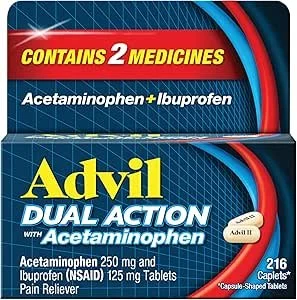
NSAIDs like ibuprofen (Advil, Motrin) are ideal because they:
- Relieve pain
- Reduce inflammation and swelling
- Are most effective when taken on schedule for the first few days
Take as directed, usually every 6–8 hours with food to avoid stomach upset.
Note: Avoid aspirin—it can increase bleeding risk and interfere with clot formation.
Follow Prescription Instructions
If antibiotics are prescribed (common after surgical extractions), finish the entire course, even if you feel fine. This prevents infection, which can cause secondary swelling and pain.
For severe discomfort, your dentist may prescribe stronger pain relievers. Use them only as needed and never mix with alcohol.
Warning Signs: When Swelling Isn’t Normal
While swelling is expected, certain symptoms indicate complications that need urgent attention.
Swelling Worsens After Day 3
If your face gets puffier after day 3–4, rather than better, this could indicate:
- Infection
- Abscess formation
- Compromised healing
This is not part of normal recovery and requires immediate dental evaluation.
Other Red Flags
Seek care right away if you have:
- Fever over 100.4°F (38°C)
- Pus or foul discharge from the extraction site
- Severe pain not relieved by medication
- Bad breath or metallic taste lasting beyond day 3
- Persistent bleeding after 24 hours
- Difficulty opening your mouth beyond mild stiffness
These may point to infection or dry socket (alveolar osteitis)—a painful condition where the blood clot fails to form or is lost prematurely.
Dry socket alert: Usually develops 2–4 days post-op, causing intense throbbing pain and visible bone in the socket. While it doesn’t always increase facial swelling, it delays healing and requires professional treatment.
Healing Beyond the Surface: What Happens Under the Skin
While facial swelling fades in days to weeks, deeper healing continues much longer.
Soft Tissue Healing: 1–4 Weeks
- Days 7–10: Gum tissue begins to close over the socket
- Weeks 3–4: The hole is covered with new tissue, though an indentation may remain
Bone Healing Takes Months
True healing goes far beyond surface appearance:
- 1 week: Bone remodeling begins
- 10 weeks: Substantial new bone fills the socket
- 4 months: Near-complete bone regeneration
- 8 months: Bone is fully hardened and level with surrounding jaw
This timeline is especially important if you’re planning dental implants or bridges.
Final Note: Swelling after tooth extraction is a normal, temporary phase of healing. For routine extractions, expect puffiness to resolve in 3–5 days, peaking around day 2–3. After wisdom tooth removal, swelling may last up to 10–14 days, but should steadily improve. By following proven strategies—ice, elevation, proper medication, diet, and hygiene—you can minimize discomfort and support faster recovery. Most importantly, know when to seek help: worsening swelling, fever, or severe pain after day 3 are not normal and require prompt dental care. With the right approach, you’ll be back to smiling, eating, and speaking comfortably within a week or two.