You just had a tooth pulled, and now your jaw aches, your cheek is swollen, and you’re wondering: What do I do next? The first 24 hours after extraction are critical—how you care for the site can mean the difference between smooth healing and painful complications like dry socket or infection. Proper post-op care helps protect the blood clot, reduce swelling, manage pain, and speed recovery. This guide walks you through every step—from immediate aftercare and diet tips to warning signs of trouble—so you can heal safely and confidently.
Control Bleeding After Extraction
The key to healing starts with a stable blood clot. Without it, the socket is exposed, increasing the risk of pain and infection.
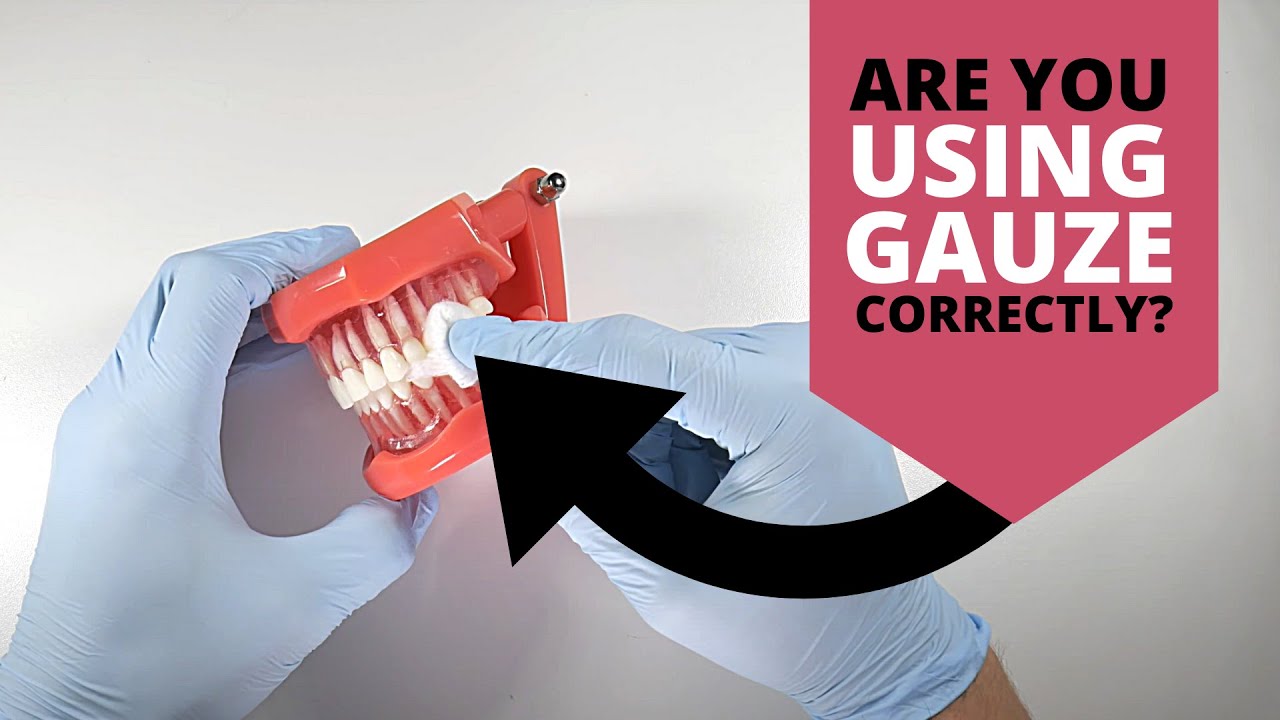
Use Gauze to Stop Bleeding
Bite down gently but firmly on a clean gauze pad placed directly over the extraction site for 30 to 45 minutes. This pressure encourages clot formation. Replace the gauze every 30 minutes if bleeding continues. Most patients stop bleeding within 3–4 hours. Never leave gauze in your mouth overnight, and avoid sleeping with gauze if you’ve been sedated—wake up every 20 minutes to check.
Try a Tea Bag for Persistent Bleeding
If gauze isn’t working, switch to a damp black tea bag (like Lipton or Salada). The tannins in tea help constrict blood vessels and promote clotting. Place it over the site and bite for 30 minutes. Use only once or twice if needed.
Keep Your Head Elevated
Lie down with your head propped up on 2–3 pillows. This reduces blood flow to the head, minimizing both bleeding and swelling. Avoid lying flat, especially during the first night.
Reduce Swelling with Ice Therapy
Swelling is normal after extraction, especially with surgical removals like wisdom teeth. It usually peaks on days 2–3 and fades over the next few days.
Apply Ice Packs Correctly
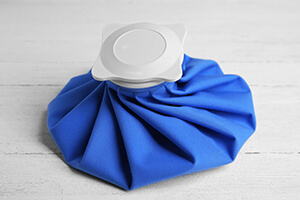
Use an ice pack on the outside of your cheek for 20 minutes on, 20 minutes off during the first 24 hours. Wrap the pack in a thin cloth to prevent skin irritation. Do not apply ice directly to the skin. Consistent, short bursts work better than leaving it on continuously.
Switch to Warm Compresses After Day 1
After 24 hours, if swelling persists, switch to a warm compress. This increases blood flow and helps the body absorb excess fluid. Apply for 20 minutes at a time, several times a day.
Rest and Limit Physical Activity
Your body needs energy to heal. Pushing yourself too soon can raise blood pressure and dislodge the clot.
Avoid Exercise for 48 Hours
No heavy lifting, running, or intense workouts for at least two full days. Even bending over quickly can trigger bleeding. Stay off your feet as much as possible the first day.
Follow Sedation Safety Rules
If you received sedation:
– Do not drive or operate machinery for 24 hours.
– Avoid making important decisions or signing legal documents.
– Have someone stay with you for 3–4 hours post-surgery.
Eat Soft Foods and Stay Hydrated

What you eat—and how you eat it—can protect your healing socket or disrupt it.
Stick to Cold, Soft Foods First
For the first 24 hours, choose foods that require no chewing and won’t irritate the site:
– Ice cream
– Yogurt
– Applesauce
– Pudding
– Jell-O
– Smoothies (no straw)
These cool foods also soothe discomfort and help reduce swelling.
Transition to Lukewarm Soft Foods After Day 1
After 24 hours, expand your diet to:
– Mashed potatoes
– Scrambled eggs
– Cream of wheat
– Soft pasta
– Smooth soups (cooled down)
Chew on the opposite side of your mouth from the extraction site.
Avoid These Foods and Drinks
Stay away from anything that could dislodge the clot or irritate the wound:
– Hot coffee, tea, or soup – heat dissolves clots.
– Straws – suction creates negative pressure that pulls out the clot.
– Chips, nuts, popcorn, pizza – crunchy bits can get stuck.
– Carbonated drinks – bubbles disturb the clot; avoid for 48–72 hours.
– Alcohol – delays healing and interacts with medications; wait at least 72 hours.
– Spicy or acidic foods – can burn the open socket.
Drink Water Frequently
Hydration supports tissue repair and prevents dry mouth. Sip cool water throughout the day. Remove gauze before drinking, then replace it afterward.
Maintain Oral Hygiene Safely
You still need to clean your mouth—but not too soon or too aggressively.
No Rinsing or Spitting for 24 Hours
Don’t rinse, swish, or spit vigorously during the first day. Doing so can dislodge the clot. Let saliva drain naturally from your mouth instead of spitting.
Brush Teeth Carefully
You can brush your teeth the same day, but avoid the extraction site. Use a soft-bristled toothbrush and be gentle near the area. Keep your movements light to prevent irritation.
Start Saltwater Rinses After 24 Hours
After one day, begin rinsing with warm salt water:
– Mix ½ to 1 teaspoon of salt in 8 ounces of warm water.
– Swish gently after meals and 2–3 times daily.
– Do not spit—let the liquid fall out of your mouth.
Saltwater reduces bacteria, soothes the area, and keeps food particles out.
Use Prescription Mouthwash If Given
If your dentist prescribes chlorhexidine (Peridex®):
– Rinse twice daily—after breakfast and before bed.
– Don’t eat or drink for 30 minutes after use.
– Wait one hour between using Peridex® and salt water rinses.
Manage Pain Effectively
Pain typically peaks within the first 48 hours and gradually improves.
Take Medication Before Numbness Wears Off
Start painkillers before the anesthesia fades. This keeps discomfort under control. Waiting until pain is severe makes it harder to manage.
Use Ibuprofen or Acetaminophen
For most patients:
– Ibuprofen (Advil®, Motrin®) 600–800 mg every 8 hours (if no stomach or kidney issues).
– Acetaminophen (Tylenol®) 500–1000 mg every 6 hours (if NSAIDs are unsafe).
Some dentists recommend alternating both every 3 hours (e.g., ibuprofen → 3 hours later → Tylenol) for stronger relief—only do this with your dentist’s approval.
Avoid Aspirin
Aspirin is a blood thinner and increases bleeding risk. Do not take aspirin unless specifically approved by your dentist.
Take Prescribed Medications as Directed
If given antibiotics or opioids (like Percocet or Vicodin), take them exactly as prescribed. Don’t skip doses or stop early, even if you feel better. Never mix painkillers containing acetaminophen with additional Tylenol—this can cause liver damage.
Prevent Dry Socket
Dry socket (alveolar osteitis) is the most common complication, especially after wisdom tooth removal. It happens when the blood clot fails or is lost, exposing bone and nerves.
Know the Risk Factors
You’re more likely to develop dry socket if you:
– Smoke within 72 hours
– Use a straw
– Have poor oral hygiene
– Take birth control pills (higher estrogen levels may affect clotting)
– Had a difficult extraction
Watch for Symptoms
Signs of dry socket appear 2–4 days after extraction:
– Severe, throbbing pain that doesn’t improve with medication
– Pain radiating to the ear, eye, temple, or neck
– Bad breath or foul taste
– Visible bone in the socket
If you suspect dry socket, call your dentist immediately.
How Dentists Treat Dry Socket
Your dentist will:
– Clean the socket gently
– Apply a medicated dressing to protect the area
– Prescribe pain medication or rinse
– May re-dress the site every 1–2 days until healing progresses
Healing continues once the socket is protected, but it may take 7–10 days for pain to fully subside.
Avoid Smoking and Alcohol
Both significantly delay healing and increase complication risks.
Don’t Smoke for at Least 72 Hours
Smoking reduces blood flow and introduces harmful chemicals. The suction motion when inhaling is enough to dislodge the clot. Wait at least 3 full days, but longer is better—especially after surgical extractions.
Skip Alcohol for 72 Hours
Alcohol:
– Irritates the wound
– Increases bleeding risk
– Reacts dangerously with sedatives, painkillers, and antibiotics
Wait three full days before drinking any alcohol.
Track Healing Over Time
Healing progresses in stages. Knowing what’s normal helps you spot problems early.
Healing Timeline by Stage
| Stage | Timeframe | What to Expect |
|---|---|---|
| Clot Formation | 0–24 hours | Bleeding slows; clot stabilizes |
| Early Healing | Days 1–3 | Pain peaks, then eases; swelling appears |
| Tissue Growth | Days 4–7 | Socket begins to close; pain fades |
| Bone Remodeling | Weeks 2–4 | Jawbone starts rebuilding |
| Full Healing | 3–6 months | Complete tissue and bone regeneration |
Recovery by Extraction Type
- Simple extraction: Most symptoms resolve in 3–7 days.
- Surgical extraction (e.g., impacted tooth): May take 2–3 weeks for initial healing.
- Multiple extractions or bone removal: Recovery can extend to several weeks.
Recognize Warning Signs
Most patients heal without issues—but complications can arise. Act fast if you notice:
Signs of Infection
Contact your dentist if you have:
– Pus or yellow/green discharge
– Increasing redness or swelling after day 3
– Fever or chills
– Red streaks spreading from the site
– Persistent bad taste or odor
Infections often require antibiotics and professional cleaning.
Prolonged or Heavy Bleeding
A little oozing is normal for 24 hours. But if you’re soaking through gauze every 15–30 minutes, bite down on a wet tea bag for 30 minutes. If bleeding continues, call your dentist.
Numbness or Tingling
Some numbness after anesthesia is normal. But if you still feel tingling, burning, or loss of sensation in your lip, tongue, or chin after 24 hours, it could signal nerve irritation. Most cases resolve over weeks, but severe ones may need specialist care.
Difficulty Opening Your Mouth
This is common after wisdom tooth surgery (called trismus). It usually improves in 3–5 days. Gentle jaw stretches can help, but avoid forcing it.
When to Call Your Dentist
Seek immediate care if you experience:
– Severe pain not relieved by medication
– Bleeding that won’t stop after 12–24 hours
– Swelling that gets worse after day 3
– Fever above 100.4°F
– Signs of dry socket or infection
– Difficulty breathing or swallowing — go to the ER
Don’t wait—early treatment prevents serious problems.
Follow-Up and Long-Term Care
Your recovery doesn’t end when the pain does. Plan ahead for full healing.
Attend Follow-Up Appointments
Some dentists schedule a check-up 7–10 days after surgery. Others call to check in. If you had non-dissolvable stitches, they’ll be removed during this visit.
Care for Bone Grafts If Placed
If you had a bone graft (common before implants):
– Avoid chewing on that side
– Follow all special rinsing and hygiene instructions
– Protect the site from pressure or trauma
Full integration takes 3–6 months.
Discuss Tooth Replacement Options
Missing teeth can shift your bite and weaken jawbone. Talk to your dentist about:
– Dental implants (most durable, requires full healing)
– Bridges
– Partial dentures
Start planning early for the best long-term results.
Speed Up Healing With These Tips
Small habits make a big difference in recovery time.
Stay Hydrated and Eat Nutritious Foods
Drink water and eat soft, protein-rich meals like yogurt, eggs, and smoothies. Good nutrition fuels tissue repair.
Rest and Avoid Stress
Give your body time to heal. Sleep well and avoid stressful situations that can slow recovery.
Follow All Instructions Precisely
The #1 way to prevent complications? Do exactly what your dentist told you. Every rule—from no straws to saltwater rinses—exists for a reason.
Monitor the Site Daily
Check the extraction area gently in the mirror. Look for:
– Healthy pink tissue
– No exposed bone
– Decreasing swelling
Report anything unusual early.
Final Note: Caring for a tooth extraction site isn’t complicated—but it requires attention. By following these steps, you protect the blood clot, reduce pain, and avoid dry socket or infection. Most people feel much better within 2–3 days and resume normal routines shortly after. Complete healing takes time, but with smart care, you’ll get there safely. Always reach out to your dentist with concerns—your comfort and recovery matter.