Changing your water flosser head is a simple but essential step in maintaining oral hygiene and device performance. Over time, the flosser tip accumulates bacteria, mineral deposits, and wear, reducing its effectiveness and potentially harming your gums. Replacing it regularly ensures optimal cleaning power and safeguards your oral health. Whether you use a Waterpik, Vive, or another brand, most models allow quick, tool-free tip changes in under a minute. This guide walks you through the exact steps to safely remove and install a new water flosser head, choose the right replacement, and maintain your device for long-term use.
Remove the Old Water Flosser Tip
Before installing a new tip, you must properly detach the old one to protect the handle’s connection mechanism. Always power off and unplug the unit before beginning any maintenance for safety.
Press the Ejection Button
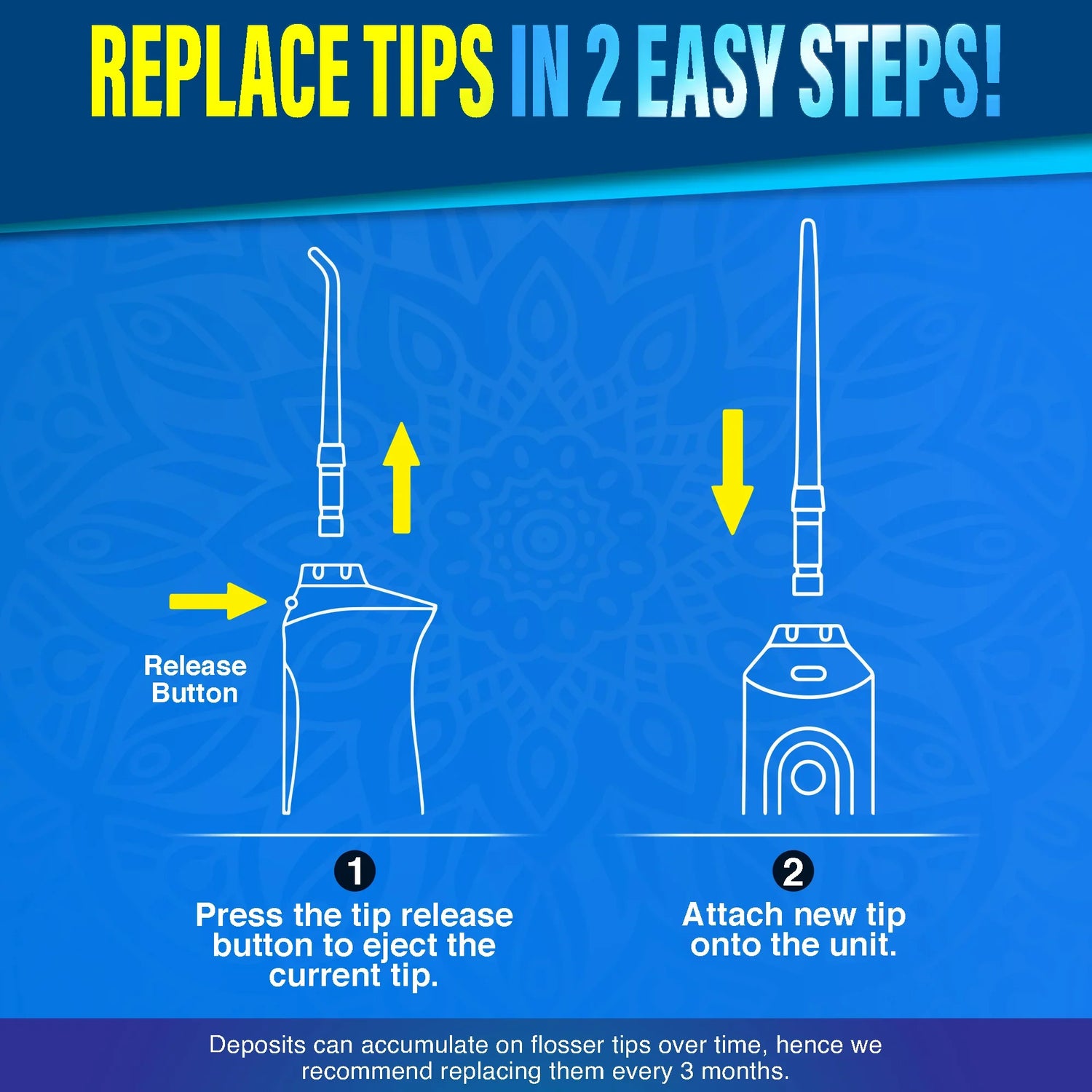
Many modern water flossers, like Waterpik and Vive models, feature a tip-ejection button near the spray head. With the unit powered off and unplugged, press this button while gently pulling the tip away from the handle. You should feel a release click. This mechanism prevents damage to internal seals and ensures smooth replacement.
Warning: Never yank the tip without pressing the button. Forcing it can crack the connector or dislodge internal parts.
Twist Off if No Button Is Available
On older or basic models without an ejection button, grasp the tip firmly and twist counterclockwise to unscrew it. Turn until it loosens completely and comes free. If resistance is high, check for mineral buildup. Soak the base in vinegar for 10 minutes to dissolve deposits before retrying.
Clean the Handle Connector
After removal, inspect the metal or plastic nozzle on the handle. Use a soft, damp cloth to wipe away debris, biofilm, or hard water stains. A cotton swab can help clean tight crevices. This step prevents clogs and ensures a tight seal with the new tip.
Install the New Water Flosser Head

Proper installation is critical for leak-free performance and consistent water pressure. Take your time to ensure the connection is secure before testing the device.
Align and Push Until It Clicks
For click-fit models like Vive and newer Waterpik units, align the new tip straight with the spray head and push it firmly until you hear a distinct click. This indicates the locking mechanism has engaged. Do not angle the tip during insertion because misalignment can damage the internal latch.
Pro Tip: Hold the flosser upright during installation to avoid tilting the tip.
Twist to Secure on Threaded Models
If your model uses a twist-on system, insert the tip and rotate clockwise until it is fully seated. It should feel snug with no wobble. Stop once resistance increases because over-tightening can strip the threads.
Test for Leaks and Stability
After installation, gently tug the tip to check for looseness. Fill the reservoir, power on the device at low pressure, and observe the connection. If water leaks from the base, remove and reattach the tip because misalignment is the most common cause.
Choose the Right Replacement Tip for Your Needs
Not all flosser tips are the same. Selecting the correct type improves cleaning efficiency and comfort while protecting your gums.
Classic Jet Tip for Daily Use
The standard jet tip is ideal for everyday plaque removal. It delivers a focused stream to flush out food particles and bacteria between teeth and along the gumline. Replace every 6 months with regular use.
Orthodontic Tip for Braces and Retainers
If you wear braces, bridges, or retainers, use an orthodontic tip. Its tapered, angled nozzle reaches under wires and around brackets. This design cleans hard-to-reach areas without snagging.
Plaque Seeker Tip for Deep Cleaning
Equipped with soft bristles around the nozzle, the plaque seeker tip scrubs away stubborn biofilm. It is best for users with gingivitis or tight gaps. Replace every 3 months due to bristle wear.
Periodontal Tip for Sensitive Gums
Made with soft rubber or silicone, periodontal tips gently flush deep gum pockets. They are ideal for those with gum disease or sensitivity. Use on low pressure settings to avoid irritation.
Note: Mysmile replacement tips offer universal fit for Waterpik, Vive, and other brands. Check compatibility before buying.
When to Replace Your Flosser Head
Timing replacement right keeps your flosser effective and hygienic. Don’t wait for problems to appear before changing the tip.
Follow the Recommended Schedule
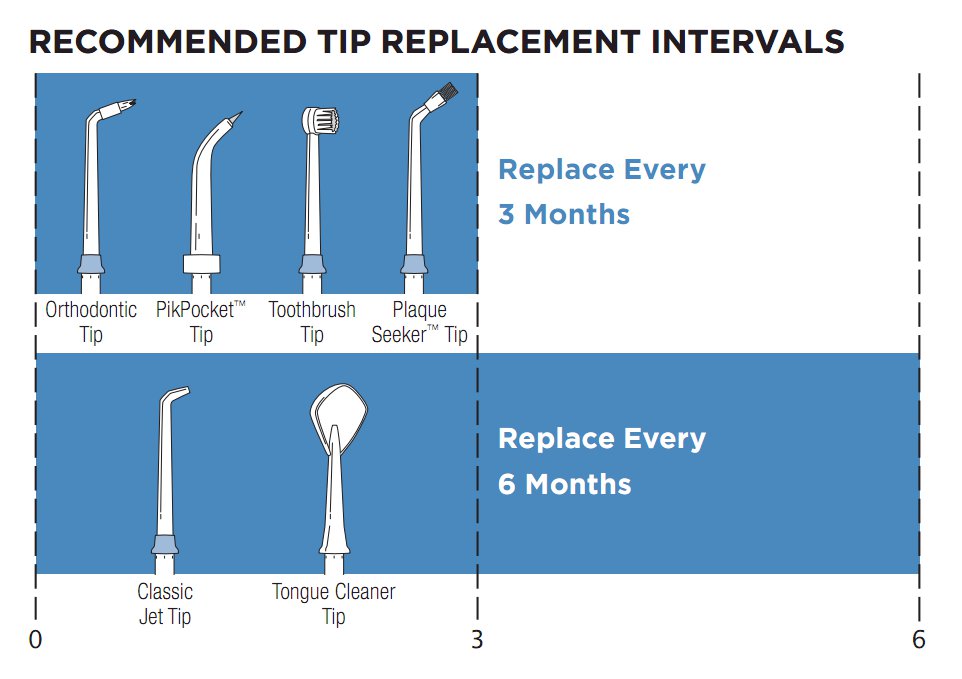
Replace tips based on type and usage frequency. Plaque seeker and pocket tips need replacement every 3 months because bristles degrade faster. Classic, orthodontic, and periodontal tips typically last 6 months. If you floss twice daily, consider replacing even sooner.
Watch for Signs of Wear
Don’t wait for the calendar. Watch for these red flags that indicate it’s time for a new tip. Frayed or bent nozzles, discoloration from hard water or staining, loose fit despite correct installation, reduced water pressure, and visible mold or buildup that won’t rinse out are all signs that replacement is needed.
Expert Insight: Worn tips lose up to 40% of their cleaning efficiency. Replacement is non-negotiable for gum health.
Maintain Your Tips for Long-Lasting Use
Proper care extends tip life and prevents bacterial growth. A few simple habits make a big difference in performance and hygiene.
Rinse After Every Use
Always rinse the tip under running water after flossing. This flushes out saliva, blood, and debris. Shake off excess water and store upright to dry in a clean location.
Deep Clean Weekly
Once a week, soak tips in a 1:1 vinegar-water solution for 15 to 30 minutes. This removes limescale and kills bacteria. Rinse thoroughly afterward and allow to air dry completely before storage.
Avoid: Boiling, bleach, or dishwashers unless the manufacturer approves. These methods can damage the tip material.
Store in a Dry Container
Use the included case or a ventilated tip holder. Damp, enclosed spaces encourage mold growth. Never leave tips in the bathroom sink or cup where they can collect moisture.
Fix Common Installation Problems
Even simple tasks can go wrong. Here is how to troubleshoot the most frequent issues when changing your water flosser head.
Tip Won’t Click Into Place
Ensure the tip is fully dry because moisture can prevent locking. Check for debris in the handle connector and remove it. Verify compatibility because third-party tips may not fit perfectly.
Leaking at the Base
Reinstall the tip, ensuring it is straight and fully seated. Inspect the O-ring or seal inside the handle. If cracked or missing, contact the manufacturer for a replacement. Avoid using excessive pressure settings that stress the connection.
Wobbly or Loose Fit
For twist-on models, tighten clockwise but do not overdo it. For click-fit models, press the ejection button and re-press the tip to reset the latch. If looseness persists, the handle mechanism may be damaged and need professional repair.
Buy Compatible Replacement Tips
Choosing the right replacement prevents damage and ensures performance. Not all tips work with all models, so verify before purchasing.
OEM Versus Universal Tips
Original Equipment Manufacturer tips, like Waterpik brand, guarantee fit and durability but cost more. Universal tips like Mysmile are affordable and often come in multi-packs, but verify fit through reviews or specifications before buying.
Check Your Model Number
Before buying, locate your flosser’s model number, usually on the base or reservoir. Search for compatible tips using this number. For example, Waterpik WP-660 uses standard jet tips, and Vive rechargeable flossers require click-fit tips.
Warning: Forcing an incompatible tip can crack the handle and void the warranty.
Extend Your Flosser’s Lifespan
A well-maintained device lasts years. Follow these habits to get the most from your water flosser.
Use Filtered or Distilled Water
Tap water, especially if hard, causes mineral buildup in tips and internal tubing. Use distilled or filtered water to reduce scaling and clogs. This simple change dramatically improves performance and extends tip life.
Flush the System Monthly
Run the flosser with white vinegar, no tip attached, for 30 seconds, then rinse with clean water. This clears internal deposits and maintains pump efficiency. It also helps prevent odors and bacterial growth in the water lines.
Store Upright and Dry
After use, empty the reservoir, store the unit upright, and keep it away from humidity. This prevents mold, leaks, and electrical issues. A clean, dry location extends the life of both the device and its tips.
Quick Checklist for Changing Your Flosser Head
Gather all necessary items before starting. Follow this checklist for a successful tip replacement every time.
Power off and unplug the unit before starting. Press the ejection button or twist the old tip counterclockwise to remove. Clean the handle connector with a cloth. Select the correct new tip for your needs. Push or twist the new tip on until secure. Test for leaks and wobbling. Replace every 3 to 6 months based on tip type. Rinse tips daily and deep clean weekly. Store in a dry, ventilated holder.
Frequently Asked Questions About Changing Water Flosser Heads
How often should I replace my water flosser head?
Replace classic jet tips every 6 months and plaque seeker or pocket tips every 3 months. Replace sooner if you notice wear, reduced pressure, or visible buildup. Twice-daily users may need more frequent replacement.
Can I use any brand of replacement tip on my water flosser?
Not all tips are universal. Some third-party tips offer broad compatibility, but always verify fit for your specific model. Forcing an incompatible tip can damage the handle connector and void your warranty.
Why is my water flosser leaking after I change the tip?
Leaking usually means the tip is not fully seated or is misaligned. Remove the tip and reinsert it carefully, ensuring it clicks into place or twists on straight. Check the O-ring inside the handle for damage if leaking continues.
Do I need to clean the handle when changing the flosser head?
Yes. Wipe the handle connector with a soft, damp cloth to remove debris, biofilm, or mineral deposits. A cotton swab helps reach tight areas. Clean connections ensure proper sealing and prevent clogs.
Can I use my water flosser while pregnant?
Yes, water flossers are generally safe during pregnancy. However, consult your dentist or healthcare provider if you have concerns about gum sensitivity or oral health during pregnancy. Use gentle pressure settings to avoid gum irritation.
Key Takeaways for Changing Your Water Flosser Head
Regularly changing your water flosser head is not just about cleanliness. It is a critical part of your oral care routine that protects your gums and maximizes cleaning effectiveness. Fresh tips deliver stronger, more targeted streams, remove plaque more efficiently, and reduce the risk of gum infection. The process takes only a minute once you know the steps, and following the recommended replacement schedule ensures consistent performance.
The most important points to remember are to always power off the device before changing the tip, use the ejection button or twist method appropriate for your model, and test for leaks after installation. Choose the right tip type for your oral health needs, whether it’s a classic jet tip for daily use or a periodontal tip for sensitive gums. Maintain your tips by rinsing after each use and deep cleaning weekly with a vinegar solution.
With just a few seconds of maintenance every few months, you protect your smile and extend the life of your device. Make tip replacement a habit, just like brushing your teeth, and get the most from your water flosser for years to come.