If your Nicwell water flosser isn’t delivering that crisp, clean rinse it once did, or if you’ve noticed an odd smell or visible buildup, you’re not alone. Over time, mineral deposits, bacteria, and even mold can accumulate inside the unit, especially if it’s not cleaned regularly. The good news is that a few simple, consistent steps can keep your Nicwell water flosser running smoothly, hygienically, and effectively for years. In this guide, you’ll learn exactly how to clean Nicwell water flosser properly, from daily drying routines to monthly deep cleans, plus how to sanitize tips, prevent mold, and extend your device’s lifespan.
Empty and Dry After Every Use
The foundation of a clean flosser starts with what you do after each use. Leaving water in the reservoir creates a breeding ground for bacteria and mold.
Remove Water Immediately
After flossing, empty the reservoir completely. Do not let water sit overnight. Stagnant water encourages microbial growth, especially in warm, humid bathrooms.
Run the Unit Dry
Turn on the flosser for 5 to 10 seconds without water. This forces residual moisture out of the internal tubing and nozzle, helping dry hard-to-reach areas.
Detach and Air-Dry the Tip
Pull off the flossing tip and place it upright in a clean, ventilated area. Avoid storing it in enclosed cases while damp. Moisture trapped in tips promotes bacterial growth.
Store in a Dry Location
Keep the entire unit away from sink splashes and high humidity. Place it on a dry counter or shelf, not inside a closed cabinet near the toilet or shower.
Pro Tip: Never charge the flosser if any part is wet. The USB charging port must be completely dry to avoid corrosion or electrical damage.
Weekly Surface and Tip Sanitizing
Once a week, go beyond basic drying with a deeper clean of external parts and accessories.
Power Down Before Cleaning
Always unplug or turn off the flosser before wiping or washing any part. Safety first.
Wipe the Exterior
Use a soft, damp cloth to clean the handle and base. For smudges or grime, lightly dampen the cloth with soapy water. Avoid harsh chemicals or abrasives that can damage seals or plastic.
Wash the Reservoir
Remove the water tank and wash it with warm, soapy water. Use your hands or a soft sponge. No steel wool or scrub brushes. Rinse thoroughly.
Dishwasher Note: If your model allows it, place the reservoir on the top rack only. Skip the heated dry cycle to prevent warping.
Sanitize the Flossing Tips
Prepare one of these safe disinfecting solutions:
• 2 parts water to 1 part white vinegar
• 3% hydrogen peroxide
• Or 1 part water and 1 part hydrogen peroxide (user-tested)
Submerge tips for 5 to 7 minutes, then rinse well under running water. Dry completely before reattaching.
Warning: Do not soak longer than 7 minutes. Extended exposure may degrade rubber seals or plastic over time.
Monthly Internal Vinegar Flush
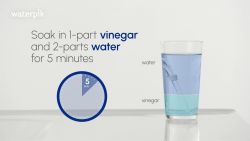
Mineral buildup and biofilm clog internal tubing, reducing water pressure and hygiene. A monthly deep clean keeps the system flowing cleanly.
Prepare the Cleaning Solution
Add 2 tablespoons (30 ml) of white vinegar to the reservoir. Fill the rest with warm (not hot) water. Hot water can damage internal components.
Run the Flush Cycle
Reattach the reservoir and turn on the flosser. Let it run until all the vinegar solution passes through the nozzle. This clears deposits from the pump and tubing.
Rinse Thoroughly
Refill the reservoir with clean water only. Run the flosser again to flush out any vinegar taste or residue. Repeat once more if needed.
Dry the Internal System
After rinsing, run the unit dry for 10 to 15 seconds. This removes leftover moisture and prevents mold.
Alternative Method: Some users report success using sugar-free mouthwash for internal flushes. However, avoid alcohol-heavy or sugared formulas. They can damage seals or feed mold.
Do not use bleach unless explicitly approved by the manufacturer. It can corrode internal parts and leave harmful residues.
Handle Mold and Stubborn Buildup

Even with regular cleaning, mold can appear, especially in hidden areas like the reservoir base or tubing.
Identify Mold Signs
Look for these warning signs:
• Black or green spots inside the reservoir
• Musty smell during use
• Cloudy residue in tubing
These are signs of trapped moisture and inadequate drying.
Safe Removal Techniques
For visible mold, follow these steps:
- Soak the reservoir in white vinegar or hydrogen peroxide for 5 to 7 minutes.
- Use a soft-bristled bottle brush to gently scrub corners.
- Avoid metal tools. They can scratch or puncture plastic.
User Hack: One user reported storing the flosser in the refrigerator between uses to slow mold growth. While effective, this may cause condensation. Dry thoroughly before charging.
Prevent Future Mold
• Never use sugared mouthwashes. Sugar feeds mold.
• Replace worn seals or O-rings if they trap water.
• Always air-dry fully before storage.
Note: If mold persists despite cleaning, consider replacing the unit. Chronic contamination can compromise oral health.
Maintain and Replace Flossing Tips
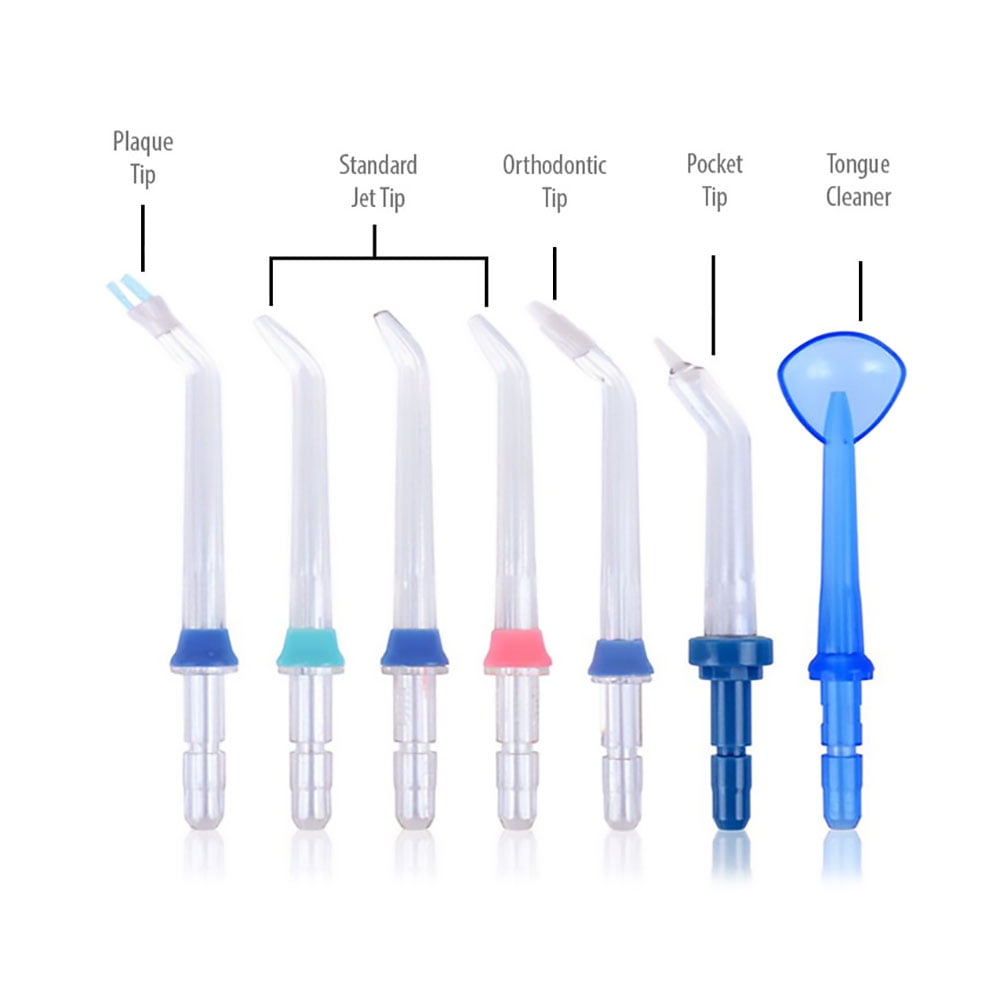
Clean, fresh tips are essential for effective plaque removal and gum health.
Clean After Each Use
Rinse tips under warm water immediately after use. Once a week, sanitize as described above.
Dry Completely
Store tips upright or in a ventilated case. Never cap them while wet.
Replace on Schedule
Different tips wear out at different rates:
| Tip Type | Replacement Frequency | Notes |
|---|---|---|
| Jet Tip | Every 6 months | Standard cleaning; most users |
| Ortho Tip | Every 3 months | Braces, implants; prone to debris buildup |
| Tongue Tip | Every 6 months | Ensure crevices are debris-free |
Worn tips reduce water pressure and cleaning efficiency.
How to Use Each Tip
• Jet Tip: Start at back teeth, follow gumline. Hold at 90-degree angle with slight gap for flow.
• Ortho Tip: Gently clean around brackets. Use light brushing motion.
• Tongue Tip: Place on tongue, start at lowest pressure, pull forward slowly.
Pro Tip: Always begin with the device off, then turn on after positioning.
Charge and Store Safely
Proper charging habits protect battery life and prevent damage.
Use Any USB Power Source
Nicwell flossers charge via USB-C or micro-USB (model-dependent). You can use a laptop USB port, phone wall adapter, or power bank.
Wall adapter not included. You must provide your own.
Charge Smart
• Full charge time: approximately 4 hours
• Battery life: up to 21 days (twice daily use)
• Avoid overcharging. Unplug once full to preserve battery health.
Never Charge a Wet Unit
Ensure the charging port and device are 100% dry before connecting. Moisture can cause corrosion or short circuits.
Maximize Performance and Lifespan
A well-maintained Nicwell flosser can last 2 or more years with strong water pressure and hygiene benefits.
Prevent Pressure Loss
Mineral buildup is the number one cause of weak spray. Monthly vinegar flushes keep tubing clear.
Stop Bacteria Reintroduction
A dirty flosser sprays bacteria back into your mouth. Regular cleaning ensures you’re improving, not harming, your oral health.
Extend Device Life
Follow this routine:
• Daily drying
• Weekly sanitizing
• Monthly deep cleaning
• Timely tip replacement
Users who skip cleaning often report early device failure or mold issues, leading to replacement within a year.
Real User Insight: One user ran peroxide through their flosser and was shocked by the visible debris that came out. This proves that even “clean” units harbor hidden buildup.
Complete Nicwell Flosser Cleaning Schedule
| Frequency | Task |
|---|---|
| After Every Use | Empty reservoir, run dry, remove and air-dry tip |
| Weekly | Wipe exterior, wash reservoir, sanitize tips (5-7 min), rinse, dry |
| Monthly | Flush with vinegar solution, rinse twice with water, run dry |
| As Needed | Inspect for mold, clean tight spots, replace damaged seals |
| Every 3-6 Months | Replace tips (Ortho: 3 mo; Jet/Tongue: 6 mo) |
Frequently Asked Questions About Cleaning a Nicwell Water Flosser
How often should I clean my Nicwell water flosser?
Clean the exterior and sanitize tips weekly. Perform a deep internal cleaning with vinegar monthly. Empty and dry the reservoir after every single use to prevent mold and bacteria buildup.
Can I use bleach to clean my water flosser?
No. Do not use bleach unless explicitly approved by the manufacturer. Bleach can corrode internal parts and leave harmful residues that may damage your device or irritate your gums.
Why does my water flosser smell bad?
A bad smell typically indicates mold or bacterial growth inside the reservoir or tubing. This happens when moisture is trapped. Run a vinegar flush, sanitize tips, and ensure thorough drying after each use.
Can I put my Nicwell water flosser parts in the dishwasher?
Only the reservoir may be dishwasher-safe, and only on the top rack. Skip the heated dry cycle. Always check your manual for model-specific instructions. Hand-washing is safer for most parts.
How do I know when to replace my flossing tips?
Replace jet tips and tongue tips every 6 months. Replace ortho tips every 3 months. Signs of wear include reduced water pressure, frayed bristles, or visible damage.
What is the best solution for monthly internal cleaning?
White vinegar is the safest and most effective option. Use 2 tablespoons (30 ml) mixed with warm water. Run through the system, then rinse twice with clean water. Sugar-free mouthwash is an alternative, but vinegar is preferred.
Key Takeaways for Cleaning Your Nicwell Water Flosser
By following this how to clean Nicwell water flosser routine, you’ll ensure a hygienic, high-performing device that supports your oral health every day. The most critical steps are daily drying after each use, weekly sanitizing of tips and reservoir, and monthly vinegar flushes to clear internal buildup. Always store your flosser in a dry location away from humidity, and replace tips on schedule to maintain optimal cleaning power. A clean flosser isn’t just about function. It is about safety, freshness, and long-term value. Stick to the schedule, and your Nicwell will keep delivering that satisfying, deep-clean feel every time.