You wake up with a fuzzy film coating your teeth—that’s dental plaque, already forming while you slept. This sticky, colorless biofilm is a mix of bacteria, food particles, and saliva that clings to tooth surfaces and along the gumline. Left unaddressed, plaque hardens into tartar within days, fueling cavities, gum disease, and persistent bad breath. The good news? Plaque can be removed at home with consistent, science-backed oral hygiene. Unlike tartar, which requires professional scaling, plaque responds well to daily care.
This guide breaks down exactly how to clean tooth plaque effectively using proven techniques, the right tools, and smart habits. You’ll learn how to disrupt plaque formation, target hidden buildup, and prevent long-term damage—all in under 10 minutes a day. Whether you’re dealing with bleeding gums, stained teeth, or just want to maintain a healthy smile, these actionable steps are grounded in current dental research and expert recommendations.
Brush Properly to Remove Plaque
Brushing is your first line of defense, but technique matters more than frequency. Poor brushing leaves behind plaque in critical areas like the gumline and between teeth, where decay and inflammation start.
Use the Right Brushing Technique
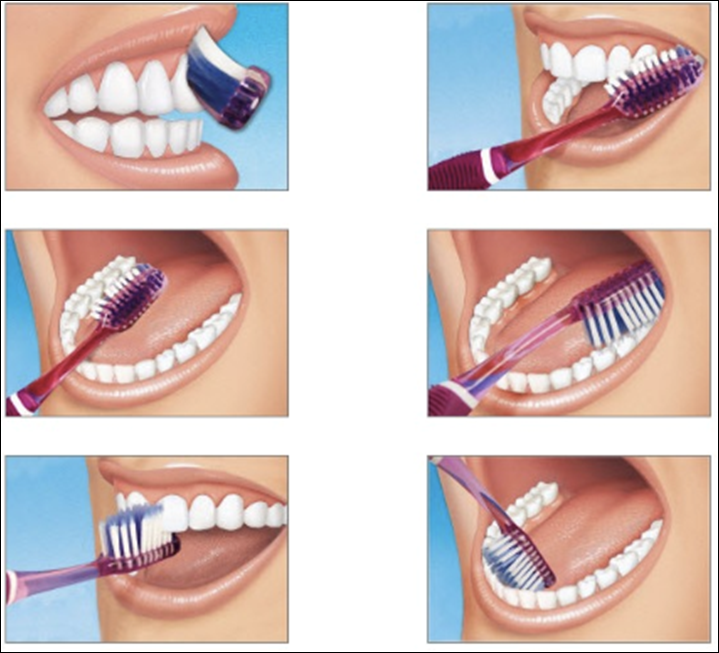
Forget vigorous scrubbing—it damages enamel and gums without removing more plaque. Instead, use the modified Bass technique, recommended by dental professionals:
– Hold your toothbrush at a 45-degree angle toward the gumline to clean the sulcus, the tiny pocket where plaque accumulates.
– Use short, gentle, circular motions rather than harsh back-and-forth strokes.
– Focus on two to three teeth at a time, ensuring every surface—outer, inner, and chewing—is cleaned.
– Start at the back molars and work forward to avoid missing spots.
This method is proven to reduce gingivitis by up to 30% compared to horizontal brushing, as it targets plaque beneath the gumline where it causes the most harm.
Choose an Electric Toothbrush
A 2017 Cochrane review found that oscillating-rotating electric toothbrushes remove 21% more plaque than manual brushes after three months of use. Their rotating heads provide consistent motion and optimal pressure, reaching tight spaces between teeth and along the gumline with minimal effort.
If you prefer a manual brush, ensure it has soft bristles and replace it every 3 months, or sooner if the bristles fray. Worn bristles lose cleaning power and can’t effectively disrupt biofilm.
Brush for Two Minutes, Twice Daily
Most people brush for just 45 seconds—far too short to clean all 32 teeth thoroughly. Dentists recommend brushing for a full 2 minutes, twice daily, especially before bed. Saliva flow drops during sleep, making your mouth more vulnerable to acid attacks from plaque bacteria.
Use a timer, or choose an electric toothbrush with a built-in quad-pacer that pulses every 30 seconds to guide you through each quadrant: upper right, upper left, lower left, and lower right.
Floss Daily to Clean Between Teeth
Brushing only cleans about 60% of tooth surfaces. The rest—especially between teeth—is where plaque hides and tartar forms, leading to 40% of adult cavities.
Floss Before Brushing for Better Results
Research shows flossing before brushing allows fluoride from toothpaste to penetrate between teeth more effectively. Here’s how to do it right:
– Use 18 inches of floss, winding most around one middle finger and the rest around the other.
– Gently slide between teeth using a sawing motion—never snap it down.
– Curve the floss into a C-shape around each tooth and move it up and down beneath the gumline.
– Use a fresh section for each tooth to avoid re-depositing bacteria.
Flossing once daily removes plaque from areas your brush can’t reach, significantly reducing your risk of interproximal decay and gum disease.
Try Water Flossers for Hard-to-Reach Areas
Water flossers (oral irrigators) use pulsating water to flush out plaque and debris from between teeth and below the gumline. A 2016 review found they’re 29% more effective than string floss when paired with a manual toothbrush.
They’re ideal for:
– People with braces, implants, or bridges
– Those with dexterity issues (e.g., arthritis)
– Patients with deep periodontal pockets
While not a complete replacement for traditional flossing, water flossers are an excellent adjunct that enhances plaque removal in complex dental situations.
Use Plaque-Fighting Toothpaste
Not all toothpastes are created equal. The best ones actively disrupt plaque while strengthening enamel.
Pick Toothpaste with Baking Soda
Toothpastes containing sodium bicarbonate (baking soda) are clinically proven to remove more plaque than non-baking soda formulas. Baking soda:
– Neutralizes oral acidity, protecting enamel from acid erosion
– Has mild abrasive action that breaks up biofilm
– Exhibits antimicrobial effects against Streptococcus mutans, a key cavity-causing bacterium
Studies show baking soda toothpaste can reduce plaque scores by up to 20% over six months, making it a powerful addition to your routine.
Never Skip Fluoride
Fluoride is the most effective ingredient for preventing tooth decay. It:
– Rebuilds weakened enamel through remineralization
– Inhibits bacterial acid production
– Strengthens teeth against future plaque attacks
The American Dental Association (ADA) and NHS recommend fluoride toothpaste for everyone over age 3. Use a pea-sized amount, brush for two minutes, and spit—don’t rinse—to keep fluoride active on your teeth longer.
Consider Therapeutic Options for Gingivitis
If your gums bleed or swell, your dentist may recommend prescription-strength toothpaste with:
– Stannous fluoride: Provides antibacterial and anti-inflammatory benefits
– Triclosan: Reduces plaque and gingivitis (available in some prescription formulas)
These are potent but should be used under supervision due to potential side effects like staining or microbial resistance.
Rinse with Mouthwash Strategically
Mouthwash doesn’t replace brushing or flossing, but it adds a valuable layer of protection.
Use Fluoride Mouthwash After Brushing
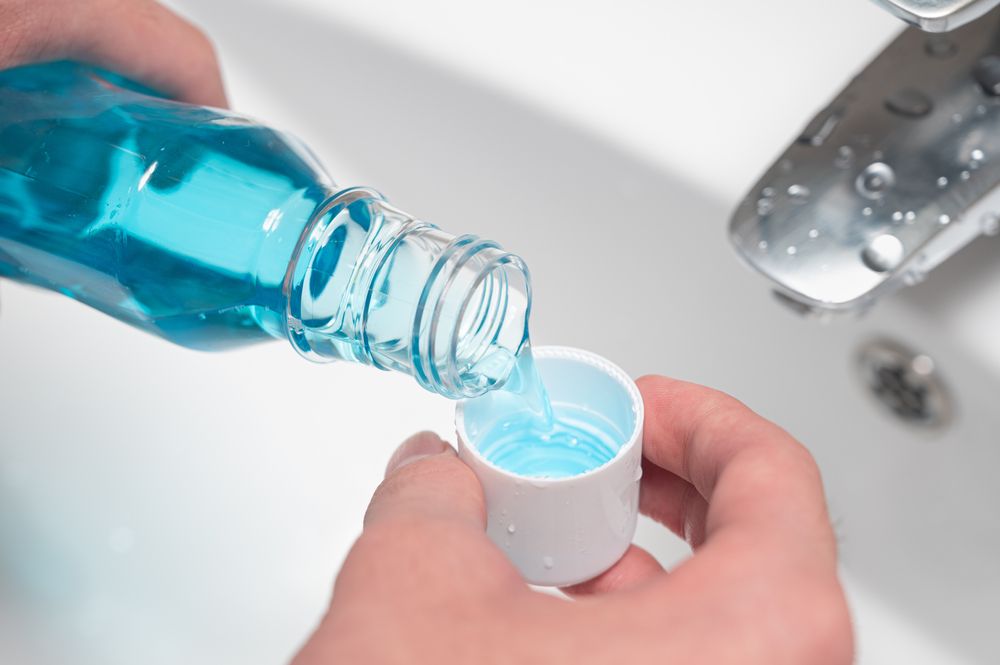
Rinsing with a fluoride-containing mouthwash after brushing boosts enamel strength and cavity prevention. Swish for 30 seconds, then spit—no water rinse. For daily use, choose alcohol-free formulas to avoid drying out your mouth, which can worsen plaque buildup.
Use Antiseptic Rinses for Gum Inflammation
If you have red, swollen, or bleeding gums, your dentist may prescribe chlorhexidine gluconate, a powerful antiseptic that reduces plaque by up to 55%. It’s typically used short-term (7–14 days) due to potential side effects like tooth staining.
Over-the-counter rinses with cetylpyridinium chloride (CPC) or essential oils (e.g., Listerine) also reduce plaque and bad breath but are less effective than mechanical cleaning.
Avoid long-term use of strong antiseptics—they can alter taste and disrupt your oral microbiome.
Try Natural Remedies as Supplements Only
Some natural methods may support oral health, but none replace brushing and flossing.
Try Oil Pulling with Coconut Oil
Swishing 1 tablespoon of coconut oil for 5–10 minutes daily may help reduce plaque. A 2015 study of 60 adolescents showed:
– 50% reduction in plaque index
– Improved gum health after 30 days
Coconut oil contains lauric acid, which has antimicrobial and anti-inflammatory properties. However, the ADA does not endorse oil pulling as a substitute for standard care.
Use it only as an add-on, preferably in the morning before brushing.
Avoid Apple Cider Vinegar
Despite viral claims, apple cider vinegar is harmful to enamel. With a pH of 2.5–3.0, it’s highly acidic and can dissolve calcium and phosphorus in tooth structure, leading to irreversible erosion. Occasional use might not cause damage, but regular swishing increases cavity risk.
Recognize When to See a Dentist
You can remove plaque at home—but not tartar. Once plaque hardens, only a professional can remove it.
Know the Signs of Tartar Buildup
Tartar (calculus) appears as:
– Yellow, brown, or black deposits near the gumline
– A rough texture that floss catches on
– Persistent bad breath despite good hygiene
Subgingival tartar (below the gumline) is especially dangerous—it fuels chronic gum disease and bone loss.
Get Professional Cleanings Every 6 Months
Dentists use:
– Ultrasonic scalers to break up tartar
– Hand instruments (curettes) to clean deep pockets
– Polishing to smooth surfaces and slow future plaque adhesion
Routine cleanings prevent periodontitis and catch cavities early. High-risk patients (e.g., diabetics, smokers) may need visits every 3–4 months.
Ask About Sealants and Prescription Rinses
For added protection:
– Dental sealants block plaque from settling in molar grooves.
– Prescription fluoride varnish or antimicrobial rinses help high-caries-risk individuals.
These are especially valuable for children and adults prone to decay.
Prevent Plaque with Smart Habits
Prevention beats treatment. Small lifestyle changes make a big difference.
Limit Sugar and Snacking
Plaque bacteria feed on sugars and starches. Every carb intake triggers 20–30 minutes of acid production. Frequent snacking means constant acid attacks.
Cut back on:
– Soda, juice, candy
– White bread, chips, pastries
– Sticky foods like dried fruit
Wait 30 minutes after eating before brushing—this gives saliva time to neutralize acid.
Eat Plaque-Fighting Foods
Include:
– Crunchy vegetables (carrots, celery) and apples with skin: Act like natural toothbrushes.
– Cheese and milk: Neutralize acid and provide remineralizing minerals.
– Green tea: Contains catechins that inhibit plaque bacteria.
Chewing sugar-free gum with xylitol also reduces S. mutans and boosts saliva.
Stay Hydrated and Quit Smoking
Saliva is your mouth’s natural defense. Drink water throughout the day, especially if on medications that cause dry mouth.
Smoking increases tartar buildup by 30–50% and masks early gum disease signs like bleeding.
Avoid Common Mistakes That Worsen Plaque
Even with good intentions, many people sabotage their efforts.
Don’t Use At-Home Tartar Removal Kits
Scalers sold online can damage gums and scratch enamel, leading to sensitivity and infection. Tartar removal requires professional training.
Don’t Brush Too Hard
Aggressive brushing causes gum recession and enamel wear. Use gentle pressure—think massaging, not scrubbing.
Don’t Skip Nighttime Brushing
It’s the most important brushing of the day. Skipping it lets plaque sit undisturbed for hours.
Final Note: Plaque is inevitable—but harmful buildup is preventable. With consistent brushing, daily flossing, fluoride use, and biannual dental visits, you can keep your teeth clean, strong, and disease-free. Natural remedies like oil pulling may offer minor benefits, but they’re no substitute for evidence-based care. Focus on the core routine: brush right, floss daily, eat smart, and see your dentist regularly. Your smile will stay healthy for decades.