If food keeps getting stuck under a flap of gum near your back tooth, you’re likely dealing with a partially erupted wisdom tooth. This small pocket of soft tissue—called an operculum—forms when a wisdom tooth doesn’t fully break through the gums, leaving a crevice where bacteria, plaque, and food particles trap easily. Without proper cleaning, this area can become inflamed or infected, leading to a painful condition known as pericoronitis. Symptoms like throbbing pain, swelling, bad breath, or even difficulty opening your mouth are common red flags.
Cleaning under this gum flap is tricky but absolutely essential. Standard brushing and flossing often fail to reach deep enough, making it easy for infections to take hold. The good news? With the right tools and technique, you can effectively clean under the flap, reduce discomfort, and prevent recurring infections—sometimes even avoiding extraction. This guide gives you a clear, step-by-step plan to keep the area clean, manage pain, and know when it’s time to see a dentist.
Essential Tools for Cleaning Under Wisdom Tooth Flap

Success starts with using the right tools designed to access tight, hard-to-reach spaces behind partially erupted molars.
Soft-Bristled Toothbrush with Small Head
Choose a soft-bristled toothbrush with a compact head—either manual or electric. Angle it toward the gumline and use gentle circular or vibrating motions to clean around the flap. Electric models with oscillating or sonic action are especially effective at disrupting plaque in confined areas without damaging sensitive tissue.
Interdental Brushes (Sulcabrush or Proxy Brush)
These small, cone-shaped brushes are made to clean below the gumline. Select a mini or conical size that fits snugly but comfortably under the flap. Gently move the brush in and out to remove debris and biofilm. Rinse it frequently during use and replace it when bristles wear down.
Floss Picks and Superfloss
Standard floss can be too flimsy to guide behind the last molar. Floss picks offer better control, while Superfloss—with its stiffened end, spongy middle, and regular floss tail—is ideal for variable gaps under gum flaps. Use the “C-shape” technique to wrap the floss around the tooth and slide it gently beneath the gumline.
Water Flosser or Irrigation Syringe
A low-pressure water flosser (like Waterpik) uses pulsating water to flush out trapped food. Set it to a gentle setting and aim the stream alongside the gum flap—not directly into it—to avoid pushing bacteria deeper. If you don’t have a water flosser, a plastic syringe with a curved blunt tip works just as well. Fill it with warm saltwater and gently irrigate the area.
Alcohol-Free Antibacterial Mouthwash
After cleaning, rinse with an alcohol-free mouthwash containing chlorhexidine, cetylpyridinium chloride, or essential oils. These ingredients reduce harmful bacteria without irritating inflamed tissue. Swish for 30 seconds and avoid eating or drinking for at least 30 minutes afterward to let the solution work.
How to Sterilize Your Cleaning Tools
Reusable tools like interdental brushes and syringes should be cleaned after each use. Soak them in effervescent denture cleaner or use a UV sterilizer to kill lingering bacteria and prevent reinfection.
Step-by-Step Cleaning Routine for Under the Gum Flap
Follow this daily protocol to keep the area clean and infection-free—especially after meals.
Start with a Warm Saltwater Rinse
Mix ½ teaspoon of non-iodized salt in 8 oz of warm water. Swish gently for 30 seconds, focusing on the back of your mouth. Spit it out—don’t swallow. This loosens trapped debris, soothes inflammation, and prepares the area for deeper cleaning.
Brush Gently Around the Wisdom Tooth
Use your soft-bristled toothbrush to clean all surfaces of the wisdom tooth and the adjacent molar. Angle the bristles beneath the gum flap and use short, vibrating strokes to dislodge plaque. Never scrub aggressively—this can worsen irritation or cause bleeding.
Floss Behind the Wisdom Tooth
Slide waxed floss or a floss pick between the second molar and wisdom tooth. Carefully guide it under the gum flap and move it up and down along the tooth surface. Replace the floss if it frays or becomes dirty during use.
Use an Interdental Brush for Deep Cleaning
Insert a properly sized interdental brush under the flap. Move it gently in and out several times to remove food and plaque. Rinse the brush as needed and store it dry.
Flush the Area with a Water Flosser or Syringe
Fill a water flosser or syringe with warm saline or antimicrobial rinse. Position the tip next to—not inside—the gum flap and flush the area thoroughly. Use low pressure to avoid tissue damage. Repeat until no debris comes out.
Finish with an Antiseptic Mouthwash
Rinse with an alcohol-free antibacterial mouthwash for 30 seconds. This kills residual bacteria and helps prevent reinfection. Avoid eating or drinking for 30 minutes afterward.
Post-Cleaning Tips
Avoid hard, sticky, or crunchy foods right after cleaning to prevent immediate re-trapping of food. Repeat the full routine after every meal if you frequently feel food stuck. Always dry your hands and tools before use for better grip and hygiene.
How to Manage Pain and Discomfort
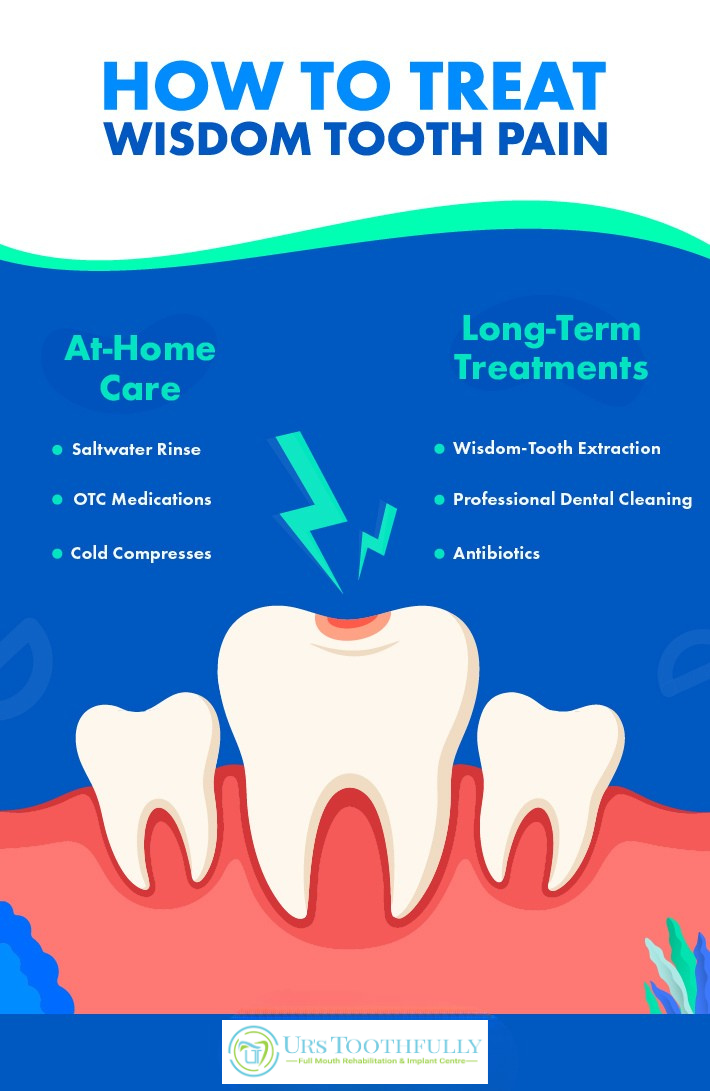
Cleaning under a gum flap can be uncomfortable, especially if the tissue is already inflamed.
Take Over-the-Counter Pain Relievers
Ibuprofen (Advil) is ideal because it reduces both pain and inflammation. If you can’t take NSAIDs, use acetaminophen (Tylenol) instead. Follow label instructions and don’t exceed the recommended dose.
Apply a Cold Compress
Place a cold pack on the outside of your cheek for 15 minutes on, 15 minutes off. This helps reduce swelling and numbs pain. Never apply ice directly to the skin—wrap it in a thin towel.
Use Clove Oil for Natural Relief
Dab a small amount of clove oil (eugenol) on a cotton swab and apply it to the area. It acts as a natural antiseptic and mild numbing agent. Use sparingly—too much can irritate the tissue.
Eat Cold, Soft Foods
Soothe the area with ice cream, yogurt, smoothies, or chilled applesauce. Avoid hot, spicy, or acidic foods that can aggravate sensitive gums.
Rinse with Saltwater Throughout the Day
Perform 3–4 warm saltwater rinses daily, especially after meals and before bed. This promotes healing, reduces odor, and keeps bacteria in check.
Preventing Infection and Serious Complications
Consistent hygiene is your best defense against pericoronitis and deeper infections.
Watch for Early Signs of Infection
Seek dental care immediately if you notice:
– Worsening or persistent pain
– Swelling spreading to the jaw or neck
– Pus discharge
– Fever
– Difficulty swallowing or opening your mouth (trismus)
Ignoring these signs can lead to abscess or life-threatening conditions like Ludwig’s angina.
When Antibiotics Are Necessary
Your dentist may prescribe amoxicillin or clindamycin (if allergic to penicillin) for active infections. Always complete the full course—even if symptoms improve—to prevent antibiotic resistance.
Protect the Blood Clot After Surgery
If you’ve had an operculectomy or extraction, avoid rinsing vigorously, using straws, or smoking. These actions can dislodge the blood clot and cause dry socket, a painful complication.
Stay Hydrated and Eat Nutrient-Rich Foods
Drink plenty of water and eat soft, healthy foods like mashed potatoes, scrambled eggs, and soups. This supports healing without irritating the area.
When to See a Dentist: Professional Treatment Options

If home care isn’t enough, professional treatment may be needed.
Operculectomy: Remove the Gum Flap
An operculectomy removes the excess gum tissue under local anesthesia. It’s done with a scalpel, laser, or electrosurgery device. Benefits include easier cleaning, reduced food trapping, and potential for further tooth eruption. Healing takes 3–7 days.
Wisdom Tooth Extraction
Extraction is recommended if the tooth is impacted, causes recurring infections, or risks cavities or gum disease. Removing the tooth eliminates the problem entirely. Recovery takes about 5–7 days.
Monitoring Instead of Immediate Treatment
Some dentists recommend watchful waiting in young adults (20–25) if the tooth shows signs of eruption and no infection is present. Regular X-rays help track progress and decide if extraction is needed later.
Budget-Friendly and Accessible Cleaning Alternatives
Not everyone can afford a water flosser or has the dexterity for flossing.
Use a Blunt-Tip Syringe
A plastic syringe with a curved blunt tip is inexpensive and highly effective. Fill it with warm saline and gently flush under the flap.
Try Floss Threaders or Superfloss
A floss threader helps guide floss into tight spaces. Superfloss combines stiffness, sponginess, and regular floss in one tool—perfect for gum flaps.
Use Flexible-Handle Proxy Brushes
These interdental brushes can be slightly bent for better access behind wisdom teeth. Ideal for those with braces or limited hand mobility.
Real-World Challenges and Pro Tips
Many patients report that cleaning behind wisdom teeth takes 10–15 minutes per side, with frequent floss breakage. Some prefer non-extraction solutions if their teeth are straight. Others notice their wisdom teeth erupt gradually every few months, suggesting delayed extraction may be reasonable with consistent hygiene.
Pro Tip: Consistency is key. Even with a persistent operculum, diligent cleaning can prevent infection long-term.
Frequently Asked Questions
Is bleeding normal when cleaning under the flap?
Yes—minor bleeding is common with inflamed tissue. Heavy or prolonged bleeding requires dental evaluation.
How often should I clean?
After every meal is best. At minimum, clean twice daily.
Can I use mouthwash?
Yes—use alcohol-free antibacterial rinse to boost protection.
What foods should I avoid?
Avoid popcorn, nuts, gum, and chips—they easily get trapped.
What home remedies help with pain?
Try clove oil, cold compress, saltwater rinses, and OTC painkillers.
Summary: Key Care Guidelines
| Category | Recommendation |
|---|---|
| Cleaning Frequency | After every meal; at least twice daily |
| Must-Have Tools | Soft toothbrush, floss, interdental brush, syringe or water flosser, alcohol-free mouthwash |
| Best Rinse | Warm salt water (½ tsp salt in 8 oz water) |
| Pain Relief | Ibuprofen, cold compress, clove oil, cold soft foods |
| Infection Warning Signs | Pain, swelling, pus, fever, trismus |
| When to See a Dentist | Recurrent pain, infection signs, hygiene difficulties |
| Professional Options | Operculectomy, extraction, antibiotics |
While avoiding extraction is possible with excellent hygiene, long-term success depends on your ability to consistently clean under the gum flap. If it remains difficult despite proper tools and techniques, operculectomy or extraction may be the safest solution. Always consult your dentist to create a personalized care plan.