Tooth decay doesn’t always mean a trip to the dentist for a filling. In its earliest stages—before a physical cavity forms—tooth decay can be reversed naturally through a biological process called remineralization. This isn’t alternative medicine; it’s science. When enamel loses minerals due to acid attacks from bacteria like Streptococcus mutans, the right conditions allow it to rebuild. The key lies in diet, oral hygiene, and targeted nutrients that support your body’s innate healing abilities.
Unlike traditional dentistry’s “drill and fill” model, natural reversal focuses on prevention and repair before structural damage occurs. You won’t regrow a missing tooth, but you can stop white spot lesions from progressing into full cavities. This guide reveals how to use nutrition, oral care, and lifestyle changes to naturally reverse early tooth decay, reduce sensitivity, and strengthen enamel—using only evidence-backed strategies. Whether you’re trying to avoid fillings or simply improve oral health, the solution starts in your kitchen and daily routine.
Reverse Early Decay with Remineralization
What Is Remineralization?
Remineralization is your teeth’s built-in repair system. After acid from plaque bacteria strips calcium and phosphate from enamel (a process called demineralization), saliva delivers minerals back to the surface. When your mouth stays neutral or slightly alkaline, this remineralization process repairs microscopic damage. Saliva contains calcium, phosphate, and proteins that help rebuild weakened enamel—especially when supported by proper nutrition.
This healing only works during the pre-cavitation stage, when decay appears as chalky white spots but hasn’t penetrated the enamel. At this point, no drilling is needed—just consistent support through diet and oral hygiene. Once a cavity forms, natural methods can’t close it, but they can still slow further decay and protect surrounding teeth.
Spot Early Decay Signs
Catch decay early and you can reverse it:
– White, chalky patches on the tooth surface (common near the gumline)
– Mild sensitivity to cold, sweet, or acidic foods
– Rough or pitted texture when touched with the tongue
– Persistent plaque that resists brushing
These are not just cosmetic issues—they’re early warnings. Act now, and you can heal the damage before it becomes irreversible.
When Natural Healing Fails
Natural reversal stops working once decay reaches the dentin, the softer layer beneath enamel. Dentin is more porous, so decay spreads quickly. At this stage, only a dentist can stop the damage.
Signs you need professional care:
– Visible holes or pits in teeth
– Lingering tooth pain or spontaneous aches
– Brown or black discoloration
– Bad breath or taste that won’t go away
Don’t wait: schedule checkups every six months. Early detection saves pain, money, and invasive treatment.
Eat These Foods to Reverse Tooth Decay
Calcium-Rich Foods for Enamel Repair
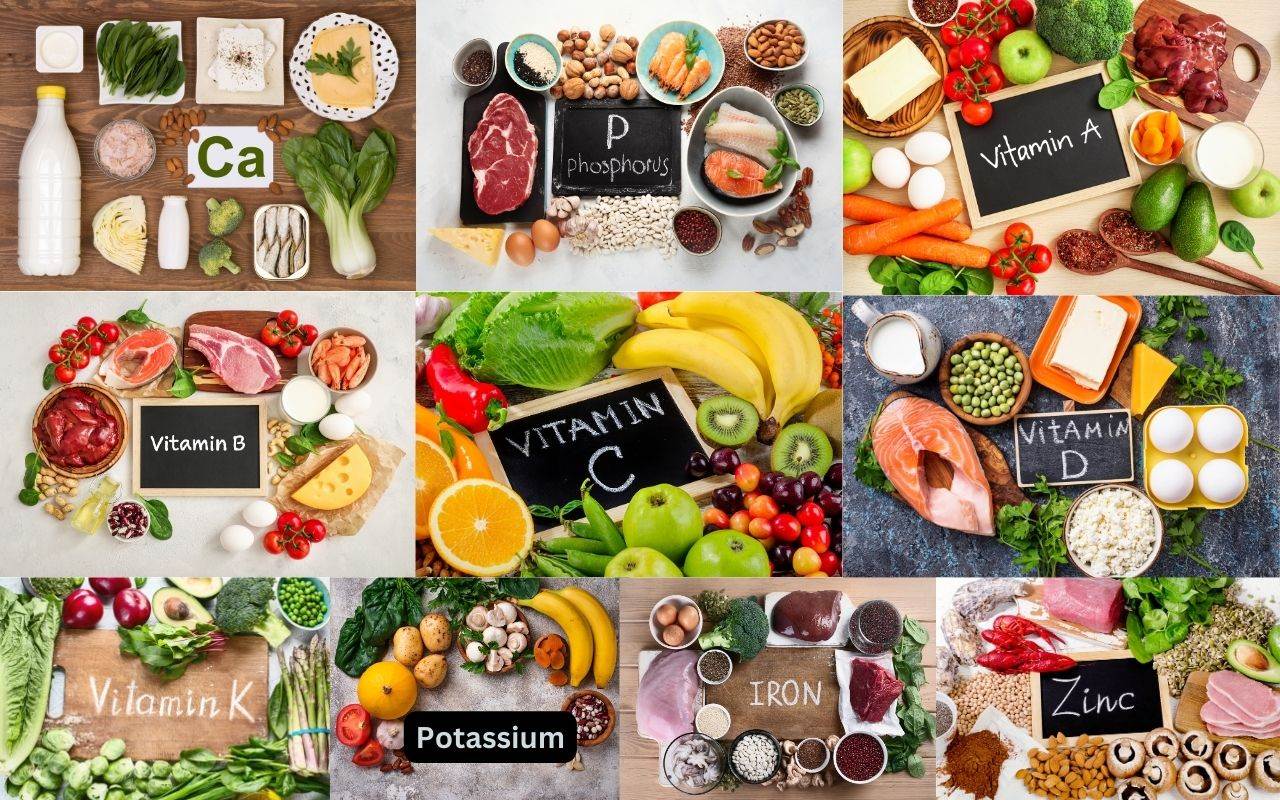
Calcium is the foundation of strong enamel. Without enough, remineralization stalls. Prioritize highly absorbable sources:
– Dairy: Cheese, yogurt, and milk (especially raw or fermented)
– Leafy greens: Kale, collard greens, and spinach
– Canned fish with bones: Sardines and salmon
– Bone broth simmered for 24+ hours
– Fortified plant milks (check labels for calcium)
Pro Tip: Pair calcium with vitamin D and K2 to ensure it’s absorbed and directed to your teeth—not your arteries.
Vitamin D3 and K2: The Healing Duo
Vitamin D3 boosts calcium absorption, while K2 activates proteins that deposit calcium into teeth and bones. Low levels of either increase cavity risk.
- Best D3 sources: Sunlight (15–30 min/day), fatty fish, egg yolks
- Best K2 sources: Natto (fermented soy), grass-fed butter, sauerkraut, chicken liver
If sun exposure is limited, consider a D3 + K2 supplement (1,000–5,000 IU D3 + 90–200 mcg K2 daily). Always consult your doctor first.
Magnesium and Phosphorus: Hidden Helpers
These minerals work behind the scenes:
– Magnesium activates vitamin D and balances calcium.
– Phosphorus partners with calcium to rebuild hydroxyapatite, the mineral structure of enamel.
Eat more:
– Pumpkin seeds, almonds, spinach (magnesium)
– Meat, fish, eggs, dairy, nuts (phosphorus)
Avoid processed foods—they deplete both.
Xylitol: The Smart Sweetener
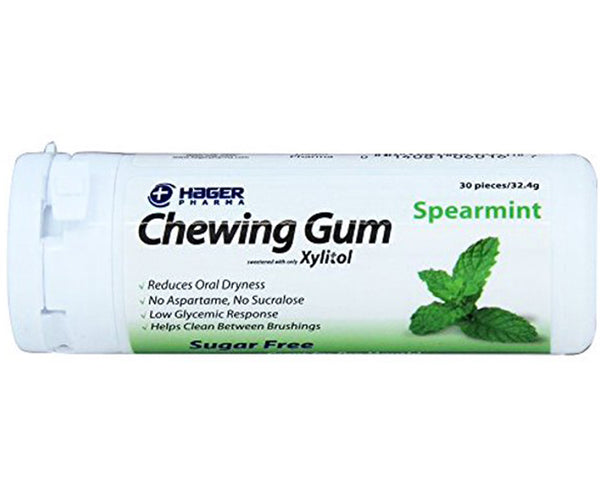
Xylitol starves S. mutans—bacteria can’t digest it, so they die off.
Benefits:
– Reduces plaque bacteria
– Raises oral pH
– Stimulates saliva flow
Use 5–10 grams daily, split into 3–5 doses:
– Chew xylitol gum after meals
– Use xylitol mints or toothpaste
– Try lozenges if prone to dry mouth
⚠️ Keep xylitol away from dogs—it’s toxic to them.
Avoid These Cavity-Causing Foods
Cut Sugar and Starch Immediately
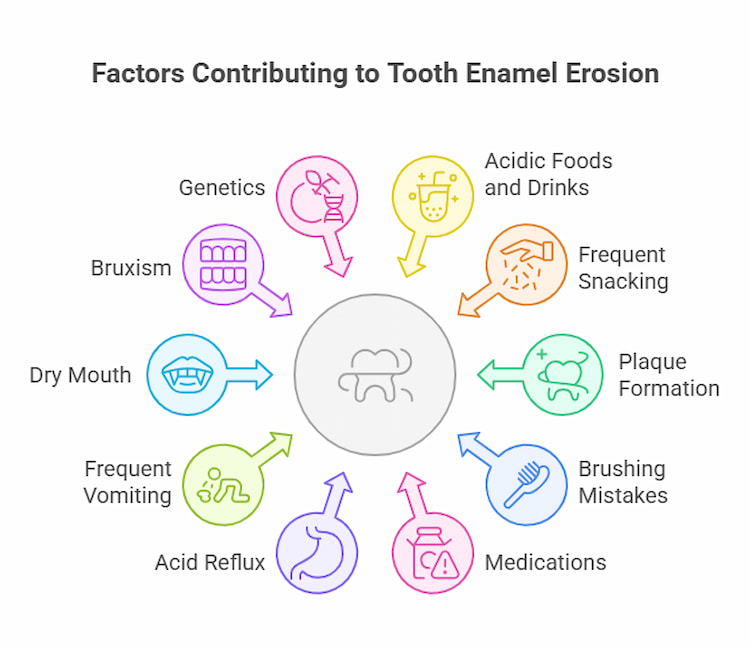
Sugar feeds S. mutans, triggering acid attacks within minutes. Even “natural” sugars like honey and maple syrup fuel decay.
Avoid:
– Candy, soda, pastries
– Flavored yogurts and cereals
– White bread, crackers, chips
WHO guideline: Limit added sugar to under 10% of daily calories (ideally 5%).
Dried Fruits Are Sticky Traps
Raisins, dates, and dried cranberries stick to teeth and ferment into acid. Even organic versions are risky.
Better choice: Fresh fruit. Apples, pears, and berries come with fiber and water that help clean teeth.
Acidic Drinks Erode Enamel Fast
Citrus juices, wine, soda, and sports drinks dissolve enamel directly, even without sugar.
Minimize:
– Lemon water (use a straw, rinse after)
– Orange juice
– Energy drinks
– Carbonated beverages
Wait 30 minutes before brushing after acidic intake—brushing too soon wears down softened enamel.
Reduce Phytic Acid in Your Diet
Phytic acid in raw grains, nuts, and legumes binds to minerals, blocking absorption and undermining remineralization.
Sources:
– Whole wheat bread
– Brown rice
– Unsoaked beans
– Raw almonds
Fix it: Soak, sprout, or ferment:
– Soak grains/nuts for 12–24 hours
– Choose sprouted bread
– Eat fermented soy like natto or tempeh
This unlocks nutrients and reduces anti-nutrients.
Use Natural Oral Care Daily
Oil Pulling with Coconut Oil
This Ayurvedic practice reduces plaque and harmful bacteria. Coconut oil contains lauric acid, which kills S. mutans.
How to do it:
1. Swish 1 tbsp coconut oil for 10–20 minutes
2. Spit into trash (not sink—oil clogs pipes)
3. Rinse with water, then brush
Frequency: 3–5 times per week.
Results: Studies show reduced plaque and gingivitis in 1 month.
Brush with Fluoride or Hydroxyapatite
Fluoride strengthens enamel by forming fluorapatite, which resists acid better than natural enamel.
Options:
– Fluoride toothpaste (ADA-approved, most effective)
– Hydroxyapatite toothpaste (fluoride-free alternative, mimics natural enamel)
Both support remineralization. Choose based on preference and sensitivity.
Floss and Use Mouthwash Smartly
Brushing misses between teeth—flossing doesn’t. Plaque hides there, leading to hidden decay.
- Floss once daily, preferably at night
- Use water flossers if traditional floss is hard
Mouthwash options:
– Chlorhexidine (prescription, strong antibacterial)
– Essential oil rinses (e.g., Listerine)
– Natural alternatives: Green tea, saltwater, diluted hydrogen peroxide (1.5%)
Avoid alcohol-based rinses long-term—they dry the mouth.
Chew Gum with CPP-ACP
Look for CPP-ACP (Casein Phosphopeptide-Amorphous Calcium Phosphate), a milk-derived compound that delivers calcium and phosphate directly to enamel.
Best in:
– Trident White gum
– MI Paste (professional product)
– Recaldent-containing products
Chew for 20 minutes after meals to neutralize acid and boost remineralization.
Boost Saliva to Heal Teeth
Why Saliva Matters
Saliva is your mouth’s natural defense. It:
– Neutralizes acid
– Washes away food particles
– Delivers calcium and phosphate
– Contains antibacterial proteins
Low saliva (dry mouth) increases decay risk. Stay hydrated and stimulate flow daily.
Stimulate Saliva Naturally
Ways to increase protective saliva:
– Chew xylitol gum after eating
– Eat crunchy veggies like carrots, celery, cucumbers
– Stay hydrated—drink water all day
– Avoid mouth breathing—breathe through nose
– Limit antihistamines and decongestants if possible (they dry mouth)
Rinse After Acid Exposure
If you eat or drink something acidic:
1. Rinse with baking soda water (1/2 tsp in water) to neutralize pH
2. Wait 30 minutes before brushing
3. Chew gum to boost saliva
Brushing too soon worsens enamel erosion.
Try Science-Backed Herbal Remedies
Green Tea as Mouth Rinse
Green tea contains polyphenols that suppress S. mutans and reduce plaque.
How to use:
– Drink 2–3 cups daily (unsweetened)
– Swish cooled tea for 30 seconds, then spit
– Try matcha for higher potency
Also contains natural fluorine—great for prevention.
Licorice Root Against Bad Bacteria
Glycyrrhiza uralensis kills S. mutans.
Use safely:
– Chew small pieces of dried root (not candy)
– Look for sugar-free licorice lozenges
– Available in health food stores
⚠️ Caution: Long-term use may raise blood pressure. Limit to short cycles.
Clove Oil for Pain and Protection
Eugenol in clove oil is a natural anesthetic and antiseptic.
For toothaches:
– Dip cotton swab in clove oil
– Apply to painful tooth or gum
– Repeat every 2–3 hours as needed
Also helps prevent infection and supports healing.
Neem: Nature’s Toothbrush
Used for centuries in India, neem fights plaque, gingivitis, and bad breath.
Forms:
– Neem sticks (chew one end to create bristles)
– Neem powder for brushing
– Neem toothpastes
Highly effective against oral pathogens—try it if you struggle with gum disease.
Optimize Lifestyle for Strong Teeth
Drink Fluoridated Water
Tap water (in most U.S. cities) contains optimal fluoride levels (0.7 ppm) that strengthen enamel daily.
If you only drink bottled water:
– Switch to tap occasionally
– Or use a filter that retains fluoride
Best beverage for teeth: Water—especially after meals.
Manage Acid Reflux
Stomach acid from GERD erodes enamel, especially on the back of teeth.
Signs:
– Thinning, translucent edges
– Increased sensitivity
– Smooth, shiny tooth surfaces
Solutions:
– See a doctor for treatment
– Rinse with baking soda water after acid episodes
– Wait 30 minutes before brushing
Use Dental Sealants Preventively
Sealants block food and bacteria from hiding in deep molar grooves.
- Reduces cavity risk by up to 80%
- Painless, quick application
- Lasts years
Best for: Children and teens, but adults can benefit too.
Ask your dentist during routine visits.
Know When to See a Dentist
Natural Methods Have Limits
You can reverse early decay, but you can’t:
– Fill a cavity naturally
– Heal infected pulp
– Restore broken teeth
Once a hole forms, only a dentist can stop it from getting worse.
Get These Treatments Early
| Condition | Professional Fix |
|---|---|
| White spots | Fluoride varnish, sealants |
| Small cavity | Filling (composite or amalgam) |
| Deep decay | Crown or root canal |
| Lost tooth | Implant or bridge |
Delaying care only increases cost and complexity.
Prevent With Regular Checkups
See your dentist every 6 months, even if you feel fine. Many cavities show no symptoms until they’re large.
What to expect:
– X-rays to spot hidden decay
– Professional cleaning
– Fluoride treatment if needed
– Sealant application
Prevention is always cheaper and easier than repair.
Final Note: You can cure early tooth decay naturally—but only with consistency. Focus on a nutrient-dense diet, reduce sugar, use xylitol and fluoride, and practice daily oral care. Combine nature’s wisdom with science’s precision, and you’ll build stronger teeth for life. And when in doubt? See your dentist. Natural healing and professional care work best together.