A broken front tooth can happen in an instant—whether from a fall, biting into something hard like ice or popcorn kernels, or even from grinding your teeth at night. While it might seem like just a cosmetic issue, even a small chip can expose the inner layers of your tooth, leading to sensitivity, pain, and long-term damage. The sooner you act, the better your chances of preserving the tooth’s structure and appearance.
The good news is that modern dentistry offers a range of effective solutions tailored to the severity of the break. From quick fixes like dental bonding to long-lasting restorations like crowns and veneers, there’s a treatment option for nearly every case. This guide walks you through exactly what to do immediately after a break, how dentists diagnose the damage, and which professional treatments are available—so you can make informed decisions and restore your smile with confidence.
Immediate Steps After a Break
When your front tooth cracks or chips, taking the right steps within the first hour can protect your oral health and improve the chances of a successful repair.
Rinse and Assess the Damage
Start by gently rinsing your mouth with warm water to remove debris and get a clear view of the break. Look in a mirror to determine how much of the tooth is missing and whether the edge is sharp. If there’s bleeding from the gums or lip, apply light pressure with a clean piece of gauze. Avoid poking the area with your tongue to prevent further irritation or infection.
Manage Pain and Swelling
Over-the-counter pain relievers like ibuprofen can help reduce discomfort and inflammation. Apply a cold compress to the outside of your cheek for 15 minutes at a time to minimize swelling. Do not place ice directly on the tooth—extreme cold can worsen sensitivity, especially if the dentin or pulp is exposed.
Protect the Tooth and Soft Tissues
If the broken edge is sharp, cover it with dental wax, sugarless gum, or temporary dental filling material (available at most pharmacies). This prevents cuts to your tongue, cheek, or lips. Avoid chewing on that side of your mouth to prevent the crack from spreading.
Save Any Tooth Fragments
If a piece broke off, retrieve it if possible. Store it in milk, saline solution, or your own saliva (spit into a clean container with the fragment). Bring it to your dentist—some clinics can reattach the original piece using bonding techniques, preserving the natural color and texture of your tooth.
⚠️ Never try to glue the fragment back yourself. Only a dentist should handle reattachment to avoid infection or improper alignment.
Assessing the Severity of the Break

Not all broken teeth are the same. The right treatment depends on how deep the damage goes and whether the nerve is involved.
Minor Chips in Enamel Only
If only the outer enamel is chipped and there’s no pain, the issue is mostly cosmetic. These can often be smoothed or repaired with dental bonding. Since the nerve isn’t exposed, the risk of infection or sensitivity is low.
Visible Cracks or Dentin Exposure
Cracks that reach the dentin—the layer beneath enamel—may cause sensitivity to hot, cold, or sugary foods. A sharp pain when biting down could indicate a vertical crack. These require prompt dental attention to prevent progression.
Pulp Exposure or Tooth Discoloration
A pink, red, or dark spot inside the tooth means the pulp (nerve and blood vessels) is exposed. Discoloration—such as gray or brown—may signal pulp death. These signs require immediate treatment to prevent infection and abscess formation.
Tooth Mobility or Gum Swelling
If the tooth feels loose or your gums are swollen and tender, the root or surrounding bone may be damaged. This could indicate a vertical root fracture or trauma to the supporting structures, which often leads to extraction if not addressed quickly.
🔍 Even painless breaks should be evaluated. Cracks can spread over time, especially under the pressure of chewing, leading to more serious damage.
Emergency Dental Evaluation
See a dentist within 24–48 hours. Early diagnosis improves treatment outcomes and may save the tooth.
What the Dentist Will Check
Your dentist will examine the tooth for mobility, rough edges, and bite alignment. They may perform a bite test—asking you to close on a cotton roll—to see if pain occurs when you release the pressure, a telltale sign of cracked tooth syndrome.
Diagnostic Tools Used
- Transillumination: A bright light is shined through the tooth to reveal hidden cracks.
- Dye staining: A special dye highlights fractures not visible to the naked eye.
- Dental X-rays: Used to check for root involvement, bone loss, or abscesses.
- CBCT scan: In complex cases, a 3D image helps detect root fractures that don’t show on standard X-rays.
❗ Cracks don’t always appear on X-rays. Clinical judgment and patient symptoms are crucial for accurate diagnosis.
Dental Bonding for Small Chips
Bonding is the fastest, most affordable fix for minor front tooth damage.
How Bonding Works
The dentist lightly etches the tooth surface, applies a tooth-colored composite resin, shapes it to match your natural tooth, and hardens it with a blue light. The final step is polishing for a seamless finish.
Best For
- Small chips on the front or side edges
- Closing minor gaps
- Covering surface stains
Pros and Cons
- ✅ Completed in one visit
- ✅ Minimal tooth removal
- ✅ Natural appearance
- ❌ Less durable than porcelain (lasts 5–10 years)
- ❌ Can stain with coffee, wine, or smoking
💡 Ideal if you want a quick, low-cost fix and don’t grind your teeth.
Veneers for Moderate to Severe Damage

When a chip is too large for bonding, veneers offer a stronger, longer-lasting solution.
Porcelain vs. Composite Veneers
- Porcelain: Custom-made in a lab, requires two visits. More stain-resistant and lifelike. Lasts 10–15 years.
- Composite: Shaped directly on the tooth in one visit. Less expensive but less durable.
The Veneer Process
- A thin layer of enamel is removed from the front of the tooth.
- An impression is taken and sent to a lab (for porcelain).
- A temporary veneer may be placed.
- The final veneer is bonded during the second visit.
⚠️ Veneers are not reversible—enamel removal is permanent.
💡 Excellent for restoring both form and function when the tooth root is healthy.
Dental Crowns for Major Breaks
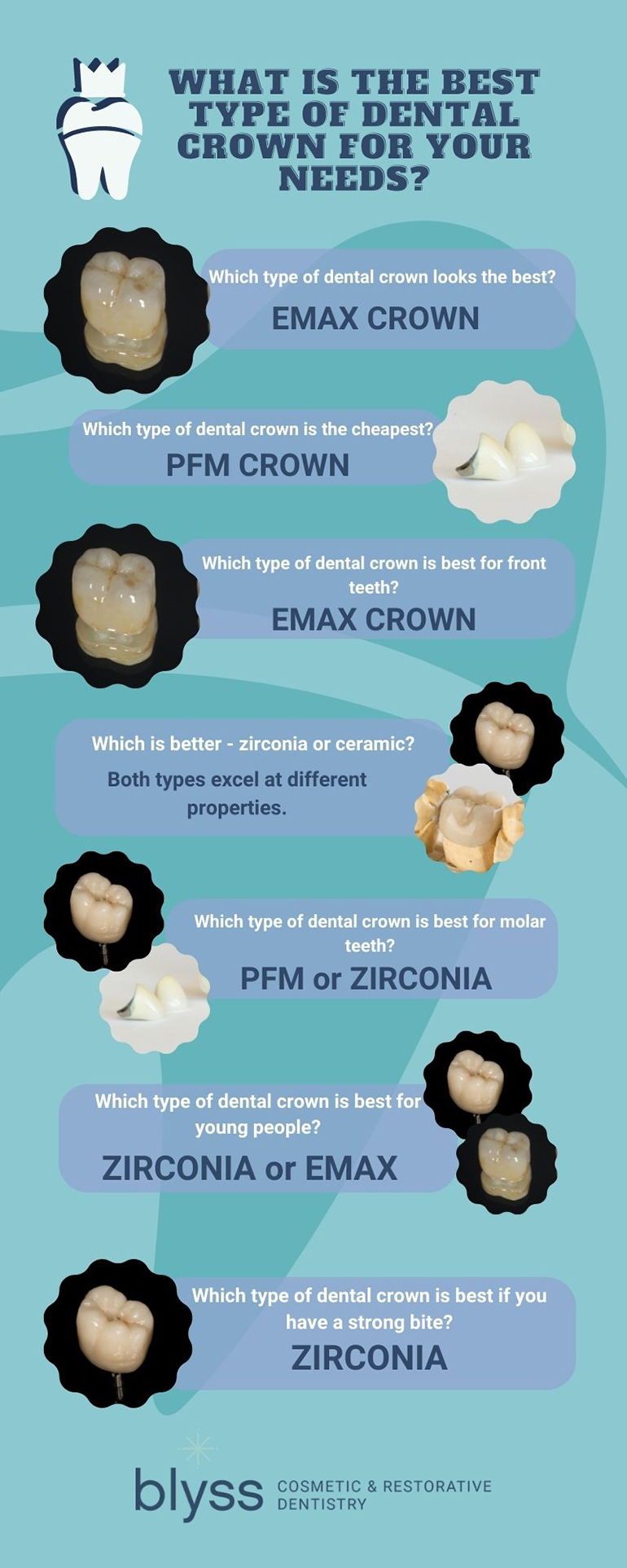
If more than half the tooth is damaged, a crown is often the best protection.
When a Crown Is Needed
- Large fractures
- After root canal treatment
- Weakened tooth structure
Materials for Front Teeth
- All-ceramic or zirconia: Most natural-looking, ideal for front teeth.
- Porcelain-fused-to-metal (PFM): Strong but may show a dark line at the gum.
Procedure Timeline
- The tooth is reshaped to fit the crown.
- An impression is taken; a temporary crown is placed.
- The permanent crown is cemented in 1–2 weeks.
💡 A crown restores strength and appearance—critical for front teeth that endure daily use.
Root Canal When Nerve Is Exposed
If the break reaches the pulp, a root canal may be necessary.
Signs You Need a Root Canal
- Persistent pain
- Lingering sensitivity to hot or cold
- Swelling or a pimple-like bump on the gum
- Tooth darkening in color
The Root Canal Process
- The infected pulp is removed.
- The root canals are cleaned, shaped, and sealed.
- A crown is placed to protect the now-brittle tooth.
⚠️ Skipping the crown after a root canal greatly increases the risk of tooth fracture.
Can the Tooth Be Reattached?
Yes—in some cases, the original fragment can be reattached.
Conditions for Reattachment
- The broken piece is intact and clean
- It’s stored properly (in milk, saline, or saliva)
- Treatment happens quickly (within 24 hours)
How It’s Done
The dentist bonds the fragment back using composite resin, often achieving a seamless match. This preserves the natural enamel texture and color better than artificial materials.
💡 Ask your dentist if reattachment is possible—this rare option can deliver the most natural-looking result.
Extraction and Replacement Options
If the crack extends below the gum line, extraction may be unavoidable.
When Extraction Is Necessary
- Split tooth
- Vertical root fracture
- Severe infection with no salvageable structure
Replacement Choices
| Option | Description | Lifespan | Cost (USD) |
|---|---|---|---|
| Dental Implant | Titanium post fused to jawbone; supports a crown | 20+ years | $3,000–$5,000 |
| Bridge | Artificial tooth anchored to adjacent teeth | 10–15 years | $1,500–$3,000 |
| Partial Denture | Removable appliance | 5–10 years | $300–$1,500 |
💡 Implants are the gold standard—they look and function like natural teeth.
Prevention Tips to Avoid Future Breaks
Protect your front teeth before another accident happens.
Avoid Risky Habits
Stop chewing ice, hard candy, popcorn kernels, pens, or fingernails.
Wear a Mouthguard
- Sports: Use a custom-fitted mouthguard.
- Sleep: A night guard protects against bruxism.
Strengthen Your Enamel
Brush with fluoride toothpaste twice daily. Consider enamel-remineralizing products.
Limit Temperature Extremes
Avoid switching rapidly between hot and cold foods.
Schedule Regular Checkups
Visit your dentist every six months.
✅ Early detection can prevent minor cracks from becoming major breaks.
Final Takeaways
- A broken front tooth won’t heal on its own. Professional treatment is required.
- Treatment depends on severity: Bonding for small chips, crowns or veneers for larger damage, root canal if the nerve is involved.
- Act fast: Immediate care improves outcomes and may save the tooth.
- Cosmetic results matter: Porcelain veneers and all-ceramic crowns offer the most natural look.
- Prevention is key: Wear mouthguards, avoid hard foods, and maintain strong enamel.
- Cost varies widely: Insurance often covers restorative work but not cosmetic options.
✅ Bottom Line: Don’t ignore a broken front tooth. Early treatment preserves your smile, prevents pain, and avoids costly future procedures. Call your dentist today.