A chipped tooth is more common than you might think—whether from biting down on hard candy, a sports injury, or nighttime teeth grinding, enamel can crack or break at any time. While some chips are minor and barely noticeable, others can cause pain, sensitivity, or even affect your smile and confidence. The good news? Most chipped teeth can be effectively repaired with modern dental treatments.
Ignoring a chipped tooth—even a small one—can lead to bigger problems. Exposed dentin increases sensitivity, rough edges can cut your tongue or cheeks, and damaged areas are more prone to decay. Left untreated, a minor chip may progress into a deep crack or infection, requiring more invasive procedures like root canals or extractions. This guide walks you through everything you need to know: immediate care steps, professional treatment options, costs, prevention tips, and when to seek emergency help. Whether your chip is tiny or severe, there’s a solution to restore both function and appearance.
Immediate First Aid Steps After Chipping a Tooth
Taking the right action right after chipping a tooth can reduce discomfort and improve treatment outcomes. Quick response helps protect your mouth and preserves options like reattaching the broken fragment.
Rinse and Assess the Damage
Start by gently rinsing your mouth with warm water to remove debris and get a clear view of the chip. Use a mirror to inspect the tooth and check for sharp edges, exposed layers, or missing pieces. Avoid probing the area with your fingers or tongue to prevent irritation or cuts.
If you feel pain, it may indicate that the inner dentin or pulp is exposed. Note whether the discomfort is constant or only triggered by chewing, temperature, or pressure—this information helps your dentist determine the severity.
Save Any Broken Pieces
If you find the chipped fragment, handle it carefully. Do not wash it with soap or scrub it. Instead, place it in a container of milk, saline solution, or saliva to keep it moist. These fluids help preserve the tooth structure and increase the chance of successful reattachment.
Even small fragments can sometimes be bonded back into place, especially if brought to the dentist within hours of the injury. This option is most effective for clean breaks on front teeth.
Manage Pain and Protect Soft Tissues
Apply a cold compress to the outside of your cheek for 10–15 minutes at a time to reduce swelling and numb pain. Over-the-counter pain relievers like ibuprofen (Advil) or acetaminophen (Tylenol) can also help manage discomfort.
If the chipped tooth has a sharp edge, cover it with dental wax, sugar-free gum, or orthodontic wax to prevent it from cutting your tongue, lips, or cheeks. These temporary coverings are safe and easy to apply until you see a dentist.
When to Seek Emergency Dental Care
Not every chipped tooth is an emergency, but certain signs mean you should call your dentist immediately or visit an urgent care clinic.
Signs of Severe Damage
Seek emergency treatment if:
– The chip exposes a pink or red area, indicating pulp exposure.
– You experience throbbing pain or spontaneous toothache.
– There’s bleeding from the tooth or surrounding gum.
– The tooth feels loose or mobile.
– You have swelling in the gums or face, which could signal infection.
– The break affects your ability to chew, speak, or smile normally.
Pulp exposure increases the risk of infection and often requires root canal therapy. Delaying care can lead to abscess formation or tooth loss.
Timeframe for Treatment
Ideally, see a dentist within 24–48 hours of chipping your tooth. Minor chips without pain may allow a short delay, but prompt evaluation prevents complications. The sooner you’re seen, the more treatment options are available—including reattaching the original fragment.
Professional Diagnosis and Evaluation

Your dentist will conduct a thorough assessment to determine the extent of damage and the best course of action.
Visual and Tactile Examination
Using a dental mirror and probe, your dentist will examine the chipped tooth for:
– Structural integrity
– Sensitivity to touch
– Sharp or unstable edges
– Changes in bite alignment
They’ll also check nearby teeth and gums for additional injuries, especially if trauma caused the chip.
Dental X-Rays and Imaging
X-rays are essential to:
– View root health and bone support
– Detect hidden cracks extending below the gumline
– Check for signs of infection or abscess
– Evaluate remaining healthy tooth structure
Digital imaging helps determine whether the pulp is affected and whether restorative procedures like crowns or root canals are needed.
Repairing Minor Chips with Enamel Polishing
For tiny flaws or rough edges, simple polishing may be all that’s needed.
Enamel Recontouring Procedure
The dentist uses a fine drill or abrasive tool to gently smooth the chipped area. No anesthesia is required, and the procedure takes just minutes.
This option works only for superficial enamel damage. It preserves natural tooth structure and eliminates sharp spots that irritate soft tissues. Results are immediate and permanent, though the tooth remains vulnerable if underlying habits (like teeth grinding) aren’t addressed.
Fixing Small to Moderate Chips with Dental Bonding
Bonding is ideal for small to moderate chips, especially on visible front teeth.
Apply Tooth-Colored Composite Resin
The process involves:
1. Etching the tooth surface with a conditioning gel.
2. Applying a moldable, tooth-colored composite resin.
3. Shaping the material to match the natural contour.
4. Hardening it with a UV light.
5. Polishing for a seamless finish.
Completed in one visit, bonding restores aesthetics and function. It’s affordable and minimally invasive, though it may stain over time or chip under heavy biting forces.
Cost: $100–$400 per tooth.
Durability: Lasts 3–10 years with proper care.
Covering Flaws with Porcelain or Composite Veneers
For larger chips or cosmetic enhancement, porcelain or composite veneers offer long-lasting results.
Custom-Fit Veneer Placement
The procedure requires two visits:
1. Preparation: A thin layer of enamel (0.3–1.2 mm) is removed.
2. Impression: Taken and sent to a lab for custom fabrication.
3. Bonding: At the second visit, the veneer is cemented and cured.
Porcelain veneers resist staining and mimic natural enamel beautifully. They’re strong enough for front teeth and can correct multiple flaws at once—chips, gaps, discoloration.
Cost: $500–$1,500 per tooth.
Lifespan: 10–15+ years.
Restoring Strength with a Dental Crown
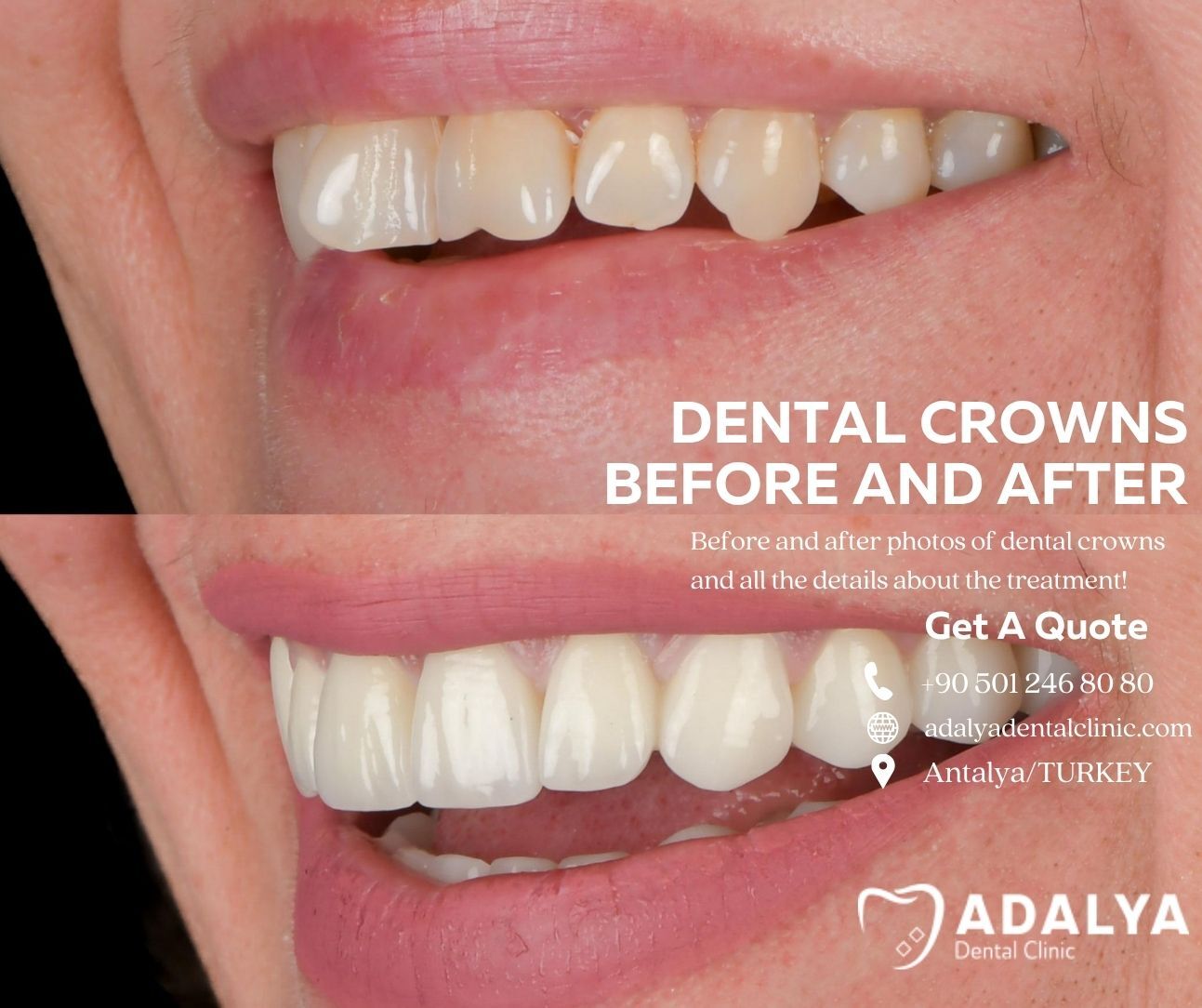
When a large portion of the tooth is missing, a crown (or cap) restores full function and protection.
Full Coverage Crown Procedure
Steps include:
1. Reshaping the damaged tooth to fit the crown.
2. Taking an impression (digital or physical).
3. Placing a temporary crown while the permanent one is made.
4. Cementing the final crown at a follow-up visit.
Same-day crowns are possible with CEREC technology, which uses digital scans and in-office milling to complete the process in one appointment.
Crowns are recommended after root canals or for molars that endure heavy chewing forces. Materials include porcelain, zirconia, or porcelain-fused-to-metal.
Cost: $800–$1,500 per tooth.
Durability: 10–15+ years.
Treating Decay from a Chipped Tooth with Fillings

Sometimes a chip creates a pocket where bacteria accumulate, leading to decay.
Composite or Amalgam Fillings
If decay is present:
– The damaged area is cleaned and prepared.
– A filling restores the shape and strength.
Composite (tooth-colored) fillings blend in naturally and are used for front and back teeth. Amalgam (silver) fillings are durable and often used for molars.
Cost: $50–$150 per tooth.
Best for: Small to medium-sized cavities resulting from chipped areas.
Addressing Nerve Damage with Root Canal Therapy
If the chip exposes the pulp—the inner core containing nerves and blood vessels—root canal therapy may be necessary.
Remove Infected Pulp Tissue
The procedure involves:
1. Numbing the tooth.
2. Creating a small access hole.
3. Removing infected pulp.
4. Cleaning and sealing the root canal.
5. Placing a temporary filling, followed by a permanent crown.
Contrary to myths, most patients report minimal discomfort, similar to getting a filling. The goal is to save the tooth and prevent extraction.
Cost: $700–$1,200 per tooth.
Follow-up: A crown is almost always required afterward.
Reattaching the Original Tooth Fragment
In rare cases, your dentist can reattach the broken piece.
Bonding Back the Natural Piece
If the fragment is intact and brought promptly:
– The tooth surface is prepared.
– Dental adhesive bonds the fragment in place.
This method preserves the natural color, texture, and translucency of your tooth—something even the best restorations can’t perfectly replicate.
Success depends on:
– Time elapsed since injury
– Condition of the fragment
– Location and size of the chip
Not all cases qualify, but when possible, it’s the most biologically ideal solution.
Choosing the Right Treatment Based on Your Situation
Your dentist will consider several factors before recommending a repair method.
Size, Location, and Depth of the Chip
- Front teeth: Aesthetics are key—bonding or veneers are preferred.
- Back teeth: Function matters more—fillings or crowns handle chewing pressure better.
- Enamel-only: Minimal treatment needed.
- Dentin exposure: Leads to sensitivity—requires bonding or filling.
- Pulp exposure: Risk of infection—needs root canal.
Budget and Insurance Coverage
While insurance often covers medically necessary treatments (fillings, crowns, root canals), cosmetic procedures (veneers, elective bonding) may not be fully covered. Always check with your provider for pre-authorization and out-of-pocket estimates.
Cost of Fixing a Chipped Tooth
Treatment prices vary widely based on complexity and materials used.
| Treatment | Average Cost Per Tooth |
|---|---|
| Polishing / Recontouring | $50–$150 |
| Dental Bonding | $100–$400 |
| Dental Fillings | $50–$150 |
| Dental Veneers | $500–$1,500 |
| Dental Crowns | $800–$1,500 |
| Root Canal Therapy | $700–$1,200 |
Additional fees may apply for X-rays, anesthesia, or lab work. CEREC same-day crowns may cost more but save time and eliminate temporary restorations.
Prevent Future Chips with These Proven Tips
Protecting your teeth helps prevent chipping and extends the life of dental work.
Wear Protective Mouthguards
- Sports guard: Essential for contact sports like football, basketball, or martial arts.
- Nightguard: Worn during sleep to protect against bruxism (teeth grinding).
Custom-fitted guards from your dentist offer superior comfort and protection compared to over-the-counter versions.
Avoid Chewing Hard Objects
Common culprits include:
– Ice
– Hard candy
– Nuts
– Popcorn kernels
– Pens or fingernails
These place excessive force on enamel and significantly increase fracture risk.
Maintain Strong Enamel
- Brush twice daily with fluoride toothpaste.
- Floss once a day to prevent decay.
- Limit acidic foods and drinks (soda, citrus) that erode enamel.
- Visit your dentist every six months for cleanings and checkups.
Early detection of weak spots or small cracks allows preventive treatment before major damage occurs.
Risks of Delaying Treatment for a Chipped Tooth
Ignoring a chipped tooth can turn a minor issue into a major dental problem.
Increased Sensitivity, Decay, and Infection
Exposed dentin reacts painfully to hot, cold, or sweet stimuli. Damaged areas trap food and bacteria, accelerating decay. Pulp exposure may lead to tooth abscesses—painful, pus-filled infections that can spread to surrounding bone and tissues.
Progressive Cracking and Tooth Loss
A small chip can develop into a cracked tooth or split tooth, especially under chewing pressure. Once a tooth splits, it often cannot be saved and requires extraction.
Higher Treatment Costs
Minor bonding today could prevent a $1,500 crown tomorrow. Addressing chips early saves money, time, and discomfort.
Expert Insights: What Dentists Want You to Know
Dental professionals emphasize that early intervention is critical.
- “A chipped tooth doesn’t have to be permanent. With modern techniques, we can restore strength and beauty—no matter the severity.” – Prosthodontist Statement
- Root canals are not painful—thanks to anesthesia and advanced tools, most patients feel little to no discomfort.
- Same-day crowns using CEREC technology eliminate multiple visits and temporary restorations.
- Natural tooth preservation is always the priority—dentists aim to save your tooth whenever possible.
Even if the chip happened months ago, restorative options still exist. However, the longer you wait, the more complex and costly treatment becomes.
Final Note: A chipped tooth is a common but fixable issue. From simple polishing to advanced restorations, effective solutions exist for every case. Immediate care, professional evaluation, and preventive habits ensure your smile stays strong, healthy, and confident for years to come.