You bite down on a piece of ice or a hard nut, and suddenly—pain. It’s sharp, localized, and doesn’t go away. When you inspect your teeth in the mirror, you spot a thin line running down a molar. Your heart sinks. You’re not ready for a dental visit, so you search: “how to fix a cracked tooth naturally.” You’re hoping for a miracle—something you can do at home to heal it without drilling, fillings, or costly procedures.
Here’s the truth: a cracked tooth cannot heal itself. Unlike cuts on your skin or broken bones, tooth enamel has no blood supply and no living cells. It doesn’t regenerate. Once a crack forms—especially beyond surface-level craze lines—professional dental care is essential. But that doesn’t mean natural methods are useless.
While no home remedy can truly repair a cracked tooth, certain natural strategies can help manage pain, reduce infection risk, and support oral health while you arrange to see a dentist. This guide cuts through the misinformation, offering science-backed insights on what works, what doesn’t, and when natural care ends and professional treatment must begin.
You’ll learn which remedies provide real relief, how nutrition supports tooth resilience, and what holistic dentists offer beyond conventional options. Most importantly, you’ll understand when to act fast—because delaying treatment could mean losing the tooth.
Immediate Symptom Relief Options
A cracked tooth often causes sudden pain, sensitivity, or discomfort when chewing. While these natural methods won’t repair the damage, they can offer fast, temporary relief.
Use a Cold Compress for Pain
Apply a cold pack wrapped in a thin cloth to the outside of your cheek near the affected tooth. Use it in 15-minute intervals—15 minutes on, 15 minutes off. This helps reduce inflammation and numb nerve endings, easing acute pain or swelling.
Avoid placing ice directly on the tooth, as extreme cold can worsen sensitivity. The cold compress works best for external inflammation and jaw pain linked to grinding or trauma.
Try Clove Oil for Natural Numbing
Clove oil contains eugenol, a compound widely used in dentistry for its natural anesthetic and antiseptic properties.
– Mix 1–2 drops of clove oil with a carrier oil like coconut or olive oil.
– Dip a cotton swab and gently dab it onto the cracked area.
– Leave it for 5–10 minutes, then rinse thoroughly.
This provides noticeable numbing relief that can last for hours.
Caution: Never use clove oil undiluted—it can burn gum tissue. Not safe for children or those with bleeding disorders.
Rinse with Warm Salt Water
One of the safest and most effective home remedies, a saltwater rinse cleans the area, reduces bacteria, and soothes irritated gums.
– Dissolve ½ to 1 teaspoon of salt in a cup of warm water.
– Swish gently for 30 seconds, focusing on the cracked tooth.
– Spit out and repeat 2–3 times daily.
Salt creates an alkaline environment that discourages bacterial growth—critical when a crack exposes inner layers to infection.
Natural Antibacterial Strategies

A crack in your tooth is like an open door for bacteria. These natural methods help keep the area clean and reduce the risk of infection.
Apply Garlic Paste to Fight Bacteria
Garlic contains allicin, a powerful natural antibiotic with proven antimicrobial effects.
– Crush a fresh clove and mix it with a pinch of salt.
– Apply gently to the affected tooth for 1–2 minutes.
– Rinse thoroughly.
Warning: Garlic is potent—overuse can irritate or even burn gum tissue. Test on a small area first and avoid prolonged contact.
Use Turmeric for Inflammation Control
Turmeric’s active compound, curcumin, has strong anti-inflammatory and antimicrobial properties.
– Mix turmeric powder with water or mustard oil to form a thick paste.
– Apply to the tooth and surrounding gum.
– Leave for 5–10 minutes before rinsing.
May temporarily stain teeth—brush gently afterward. Some studies suggest curcumin supports gum healing and reduces oral pathogens.
Try Peppermint Tea for Soothing Relief
Peppermint contains menthol, which provides a cooling, numbing sensation.
– Steep a tea bag, let it cool slightly, then press it against the tooth.
– Hold for 5–10 minutes.
Alternatively, chew a thin slice of fresh ginger. The gingerol compound helps reduce pain and inflammation naturally.
Support Healing with Diet and Nutrition
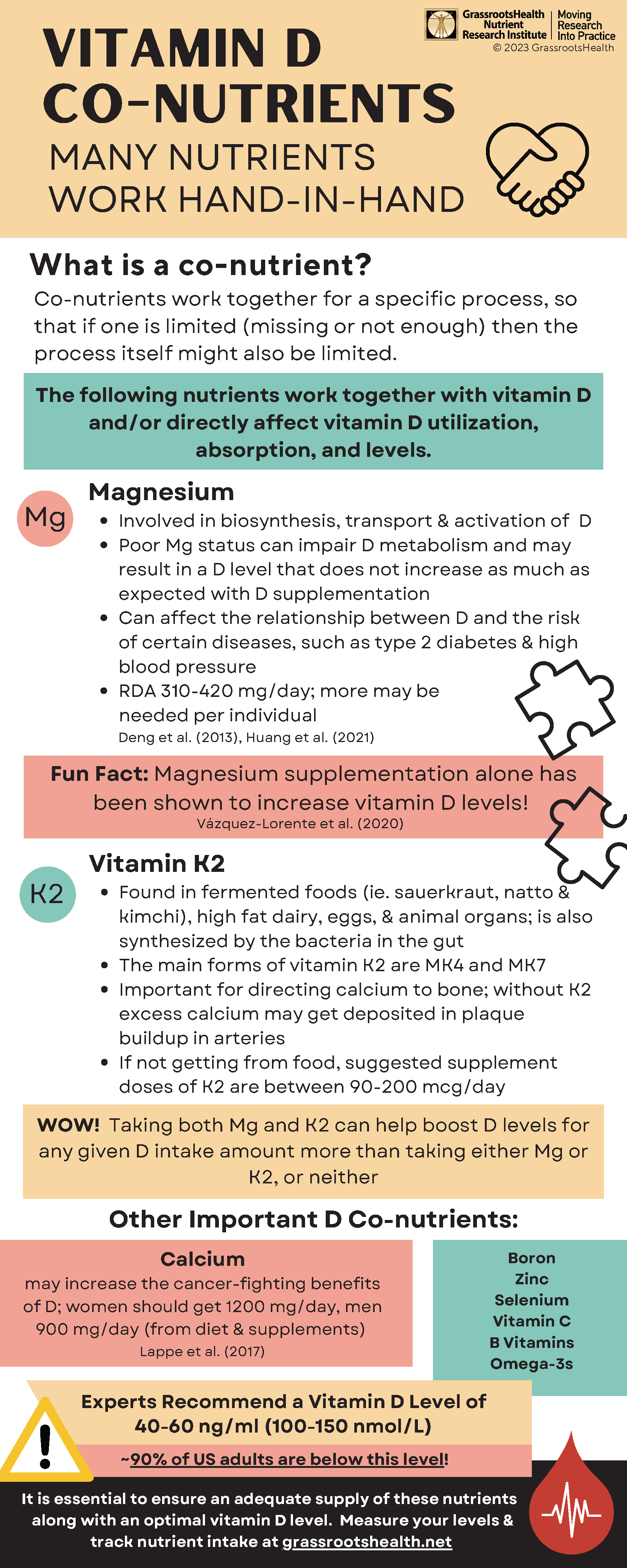
You can’t grow new enamel, but you can strengthen what remains. Proper nutrition supports overall oral health and may help prevent further damage.
Prioritize Tooth-Strengthening Nutrients
Focus on these key nutrients to support enamel and dentin integrity:
| Nutrient | Role | Best Sources |
|---|---|---|
| Calcium | Builds enamel and dentin | Dairy, leafy greens, fortified plant milks |
| Vitamin D3 | Boosts calcium absorption | Sunlight, fatty fish, supplements |
| Vitamin K2 | Directs calcium to teeth, not arteries | Natto, grass-fed butter, egg yolks |
| Magnesium | Supports enamel crystal structure | Nuts, seeds, whole grains |
| Vitamin A | Maintains mucosal health, aids dentin production | Liver, sweet potatoes, carrots |
Pro Tip: Pair vitamin D with K2—many holistic dentists recommend this combo to optimize calcium use and prevent calcification in soft tissues.
Avoid Sugar and Acidic Foods
Sugar feeds harmful oral bacteria that produce acid, weakening already compromised enamel. Acidic foods (citrus, soda, vinegar) further erode tooth structure. Stick to low-sugar, nutrient-dense meals while managing a cracked tooth.
Use Xylitol to Balance Oral pH
Xylitol, a natural sweetener, reduces cavity-causing bacteria like Streptococcus mutans. Use xylitol gum or mints after meals to neutralize acids and support remineralization.
Holistic Dental Approaches Worth Considering
If you prefer less invasive, body-friendly options, holistic dentistry offers alternatives that support natural defenses without synthetic chemicals.
Try Ozone Therapy for Disinfection
Ozone (O₃) is a powerful oxidizing agent used in integrative dentistry to kill bacteria, viruses, and fungi.
– Applied as gas or ozonated water directly into the crack.
– Helps sterilize micro-fractures and reduce infection risk.
– Non-invasive and safe when administered professionally.
Some holistic dentists use ozone before bonding or sealing minor cracks.
Consider Biocompatible Bonding
For small cracks or chips, BPA-free dental bonding can seal the area using tooth-colored resin. Unlike metal crowns, this conservative method preserves more natural tooth structure and avoids toxic materials.
– Quick, painless procedure.
– Often completed in one visit.
– Not a permanent fix for deep cracks—but effective for surface-level damage.
Wear a Night Guard to Prevent Further Damage
Teeth grinding (bruxism) is a major cause of cracked teeth. A custom-fitted, non-toxic night guard absorbs pressure and protects weakened teeth during sleep.
– Made from BPA-free, phthalate-free materials.
– Prevents progression of existing cracks.
– Reduces jaw pain and headaches.
Ask a holistic dentist for a biocompatible option tailored to your bite.
Can Oil Pulling Help a Cracked Tooth?
Many claim oil pulling with coconut oil can “heal” cracked teeth. Let’s clarify:
– What it does: Swishing coconut oil for 10–20 minutes helps remove bacteria, reduce plaque, and improve gum health due to lauric acid’s antimicrobial properties.
– What it doesn’t do: It cannot seal cracks, repair enamel, or reverse structural damage.
Best use: As a daily oral hygiene practice—not a treatment for cracks. Do it in the morning before eating, then brush after spitting out the oil.
When Natural Care Isn’t Enough: Signs You Need a Dentist
Natural remedies are temporary aids—not cures. Ignoring a cracked tooth can lead to infection, abscess, or tooth loss. Seek professional help immediately if you experience:
- Persistent or severe pain, especially when biting
- Sensitivity to hot, cold, or sweet foods lasting more than a few seconds
- Swelling in the gums or face
- Visible deep crack or missing tooth fragment
- Pus or bad taste—signs of infection
- Loose tooth
Critical Insight: Even if pain goes away, the crack remains. The nerve may have died, creating a silent infection that can spread.
Professional Treatments Based on Crack Severity
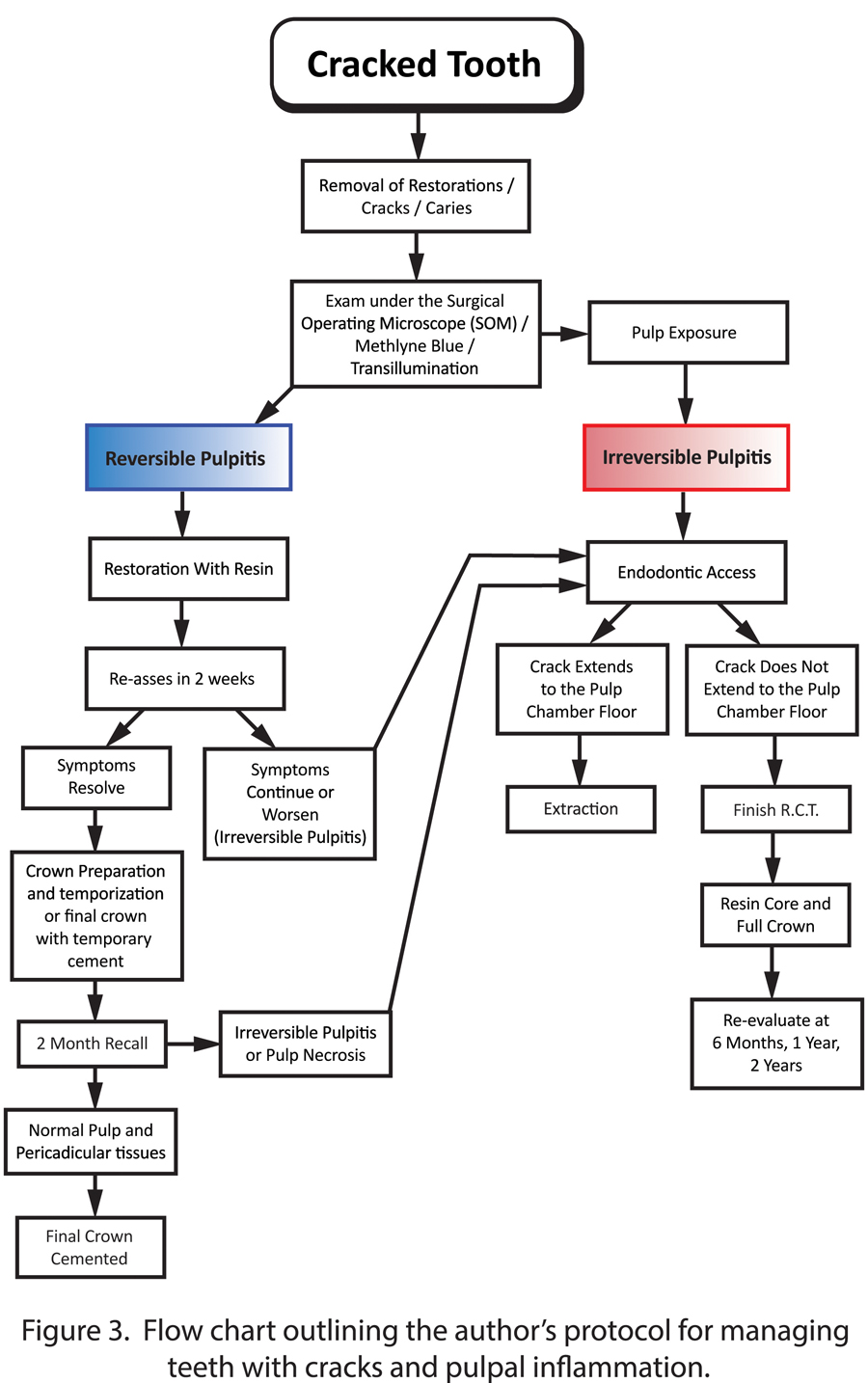
Your treatment depends on how deep the crack goes. Here’s what dentists typically recommend:
Superficial Craze Lines
- Treatment: Monitoring, improved hygiene, optional bonding
- Outcome: Usually harmless; may need cosmetic attention only
Minor Chip or Surface Crack
- Treatment: Dental bonding with tooth-colored resin
- Purpose: Seal the crack, prevent food trapping, restore appearance
Crack Into Dentin
- Treatment: Porcelain or ceramic crown
- Why: Protects the tooth from splitting under chewing pressure
Crack Reaching the Pulp
- Treatment: Root canal therapy + crown
- Goal: Remove infected nerve, save the tooth structure
Split or Vertical Root Fracture
- Treatment: Extraction (partial or full)
- Reason: Tooth cannot be saved; removal prevents bone infection
Dentists use tools like X-rays, bite tests, and transillumination to assess crack depth and plan treatment.
Prevent Future Cracks: Proven Strategies
Once you’ve addressed the current issue, prevention becomes key. Most cracked teeth result from avoidable habits.
Avoid High-Risk Behaviors
- Don’t chew ice, hard candy, or popcorn kernels
- Stop using teeth to open packages or bottles
- Avoid clenching or grinding (manage stress, consider therapy)
Protect Your Teeth
- Wear a night guard if you grind your teeth
- Use a sports mouthguard during contact activities
- Choose soft-bristled toothbrushes to avoid enamel wear
Maintain Preventive Dental Care
- Brush twice daily with fluoride or hydroxyapatite toothpaste
- Floss carefully around vulnerable teeth
- Visit your dentist every 6 months for checkups and cleanings
Final Takeaways: What Works, What Doesn’t
| Reality Check | Truth |
|---|---|
| Teeth can self-heal | ❌ False—no regeneration in enamel or dentin |
| Natural remedies fix cracks | ❌ False—they only manage symptoms |
| Clove oil numbs pain | ✅ True—effective short-term |
| Saltwater rinses prevent infection | ✅ True—safe and supportive |
| Diet strengthens teeth | ✅ True—supports overall oral health |
| Oil pulling heals cracks | ❌ False—it helps hygiene but doesn’t repair |
| Early dental care saves teeth | ✅ True—prevents worse outcomes |
Bottom Line: Act Fast, Use Nature Wisely
There is no natural way to fix a cracked tooth. Claims otherwise are misleading and risky. But that doesn’t mean natural care has no role.
Use clove oil, saltwater rinses, cold compresses, and soft diets to manage discomfort and protect your mouth—while doing one essential thing: calling your dentist.
Natural methods are bridges to professional care, not replacements. The sooner you get treatment, the more likely you’ll keep your natural tooth, avoid root canals, and prevent serious health issues.
For a gentler approach, consult a holistic or biocompatible dentist who uses non-toxic materials and focuses on root causes like nutrition and bite stress. But remember—even in holistic dentistry, a crack is a structural problem that needs a structural solution.
Your tooth won’t heal on its own. But with smart, timely action, you can save it.