You’ve started noticing small, smooth dents on your back teeth—bowl-shaped hollows that weren’t there before. Maybe they’re making your molars sensitive to cold drinks or sweets. This isn’t normal wear. It’s tooth cupping, a progressive form of enamel erosion that doesn’t heal on its own. Unlike cavities caused by bacteria, cupping results from acid exposure and grinding, weakening your teeth over time. Left unchecked, it can lead to fractures, chronic sensitivity, and even tooth loss.
The good news? You can stop the damage—and restore your smile—with the right approach. This guide walks you through exactly how to fix tooth cupping, from identifying the root cause to choosing the best treatment and preventing future damage. Whether your cupping is just starting or already advanced, you’ll learn practical steps to protect your teeth now and for years to come.
Stop Acid Erosion Before It Worsens
Acid is the silent destroyer of enamel. When your mouth’s pH drops below 5.5, enamel begins to dissolve. Once softened, even normal chewing can wear it down into cup-like depressions. To fix tooth cupping, you must first eliminate acid exposure—especially at night when saliva flow slows.
Manage Stomach Acid Reflux
If you wake up with a sour taste, bad breath, or a sore throat, stomach acid could be attacking your teeth while you sleep. Conditions like GERD or bulimia expose your teeth to highly corrosive gastric acid, often causing widespread cupping on the inner surfaces of teeth.
- See a gastroenterologist for proper diagnosis and treatment.
- Take prescribed proton pump inhibitors (PPIs) to reduce acid production.
- Elevate your head while sleeping using an extra pillow or adjustable bed to prevent nighttime reflux.
- Avoid eating within 3 hours of bedtime and skip acidic or spicy foods in the evening.
Even one episode of nighttime reflux can cause significant erosion over time—act early to protect your enamel.
Fix Harmful Dietary Habits
Sipping soda, juice, or wine throughout the day keeps your mouth in a constant acidic state. Each sip triggers a 20–30 minute acid attack, preventing enamel from remineralizing.
- Limit acidic drinks like sports drinks, citrus juices, and carbonated beverages.
- Use a straw when drinking acidic liquids to bypass your teeth.
- Rinse your mouth with water immediately after consuming anything acidic to neutralize pH.
- Wait at least 30 minutes before brushing—brushing softened enamel accelerates wear.
Swap soda for water or milk, and enjoy acidic foods only during meals. Cheese is especially protective—it neutralizes acid and boosts calcium for remineralization.
Treat Dry Mouth to Restore Natural Protection
Saliva is your mouth’s built-in defense system. It washes away acids, buffers pH, and helps rebuild enamel. If you have dry mouth due to medication, mouth breathing, or health conditions like Sjögren’s syndrome, your risk of cupping skyrockets.
- Chew sugar-free gum with xylitol to stimulate saliva and reduce harmful bacteria.
- Stay well-hydrated throughout the day.
- Use over-the-counter saliva substitutes or prescription products if needed.
- Talk to your doctor about switching medications that cause dry mouth.
Even minor dehydration can reduce saliva flow—make hydration a daily priority.
Control Bruxism and Nighttime Grinding
Teeth grinding exerts up to 10 times the force of normal chewing, flattening and cupping molar cusps into smooth, bowl-shaped indentations. Most grinding happens during sleep, so you might not realize it’s happening—until your dentist spots the damage.
Wear a Custom-Fitted Night Guard
Over-the-counter boil-and-bite guards don’t fit well and can actually worsen grinding by altering your bite. A dentist-made occlusal splint, however, evenly distributes pressure and protects vulnerable cusps.
- Get a hard acrylic night guard precisely molded to your teeth.
- It should cover all upper or lower teeth and prevent direct contact.
- Replace it every 1–2 years if heavily worn.
Bring your guard to dental visits so your dentist can check for wear patterns and adjust as needed.
Rule Out Sleep Apnea
Bruxism is often linked to obstructive sleep apnea. If you snore loudly, gasp at night, or feel tired despite sleeping enough, you may be experiencing repeated airway blockages that trigger grinding.
- Ask your doctor for a sleep study—either in-lab or at home.
- Treating apnea with CPAP therapy or a custom oral appliance can dramatically reduce grinding.
Addressing sleep apnea doesn’t just protect your teeth—it improves heart health, energy, and focus.
Reduce Stress and Daytime Clenching
Anxiety and stress fuel both daytime clenching and nighttime grinding. If you catch yourself clenching your jaw during work or while driving, it’s a red flag.
- Try cognitive behavioral therapy (CBT) or biofeedback to break the habit.
- Practice mindfulness, yoga, or deep breathing exercises daily.
- Avoid alcohol and caffeine in the evening—they worsen grinding.
Simple jaw relaxation techniques—like keeping your teeth slightly apart and tongue on the roof of your mouth—can reduce muscle tension.
Repair Mild to Moderate Cupping

If cupping is caught early, treatment is quick and minimally invasive. The goal is to restore shape, block sensitivity, and shield exposed dentin from further damage.
Restore with Dental Bonding
For shallow cups on molars or front teeth, bonding is a fast, effective solution.
- The tooth is cleaned, etched, and coated with a tooth-colored composite resin.
- The material is shaped to fill the indentation and hardened with a curing light.
- Final polishing blends it seamlessly with your natural tooth.
Benefits: No drilling, done in one visit, improves both function and appearance.
Tip: Avoid chewing ice or hard nuts on bonded teeth—they can chip or wear down over time.
Use Composite Fillings for Deeper Defects
Slightly larger cups may need a more durable filling. While similar to bonding, composite fillings involve more preparation and provide stronger support for chewing surfaces.
Ideal for molars with moderate wear where long-term durability matters.
Apply Sealants for Early Protection
In the earliest stages, a dental sealant can cover exposed dentin and slow progression.
- Quick, painless, and often covered by insurance.
- Best for younger patients or as a temporary shield while you correct diet or grinding habits.
- Not a permanent fix—but buys time for behavior change.
Restore Severe Cupping with Inlays, Onlays, or Crowns
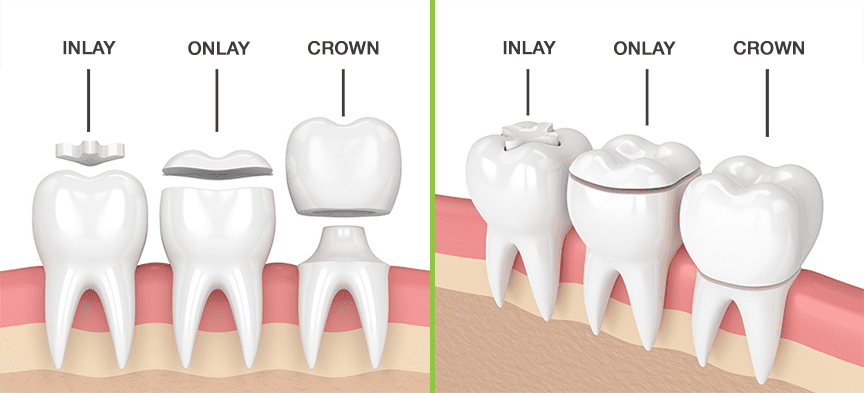
When cupping is deep and cusps are weakened, stronger restorations are needed to prevent tooth collapse.
Choose Inlays or Onlays for Major Repairs
- Inlays fit inside the tooth’s chewing surface—perfect when the center is deeply cupped but cusps are intact.
- Onlays cover one or more cusps—ideal when structural support is compromised.
Made from durable porcelain or composite, they’re custom-fabricated in a lab and cemented in place. Stronger than bonding and more conservative than crowns, they typically last 10+ years.
Get a Crown for Maximum Protection
If a cusp is fractured or the tooth is at risk of breaking, a crown is the best defense.
- The tooth is reshaped, a temporary crown placed, and a final one (zirconia, E.max, or PFM) cemented after 1–2 weeks.
- Provides full coverage, restores strength, and prevents further damage.
- Lasts 10–15 years or longer with proper care.
For front teeth with cupping from grinding or acid, veneers offer a cosmetic and protective solution.
Stop Sensitivity Fast
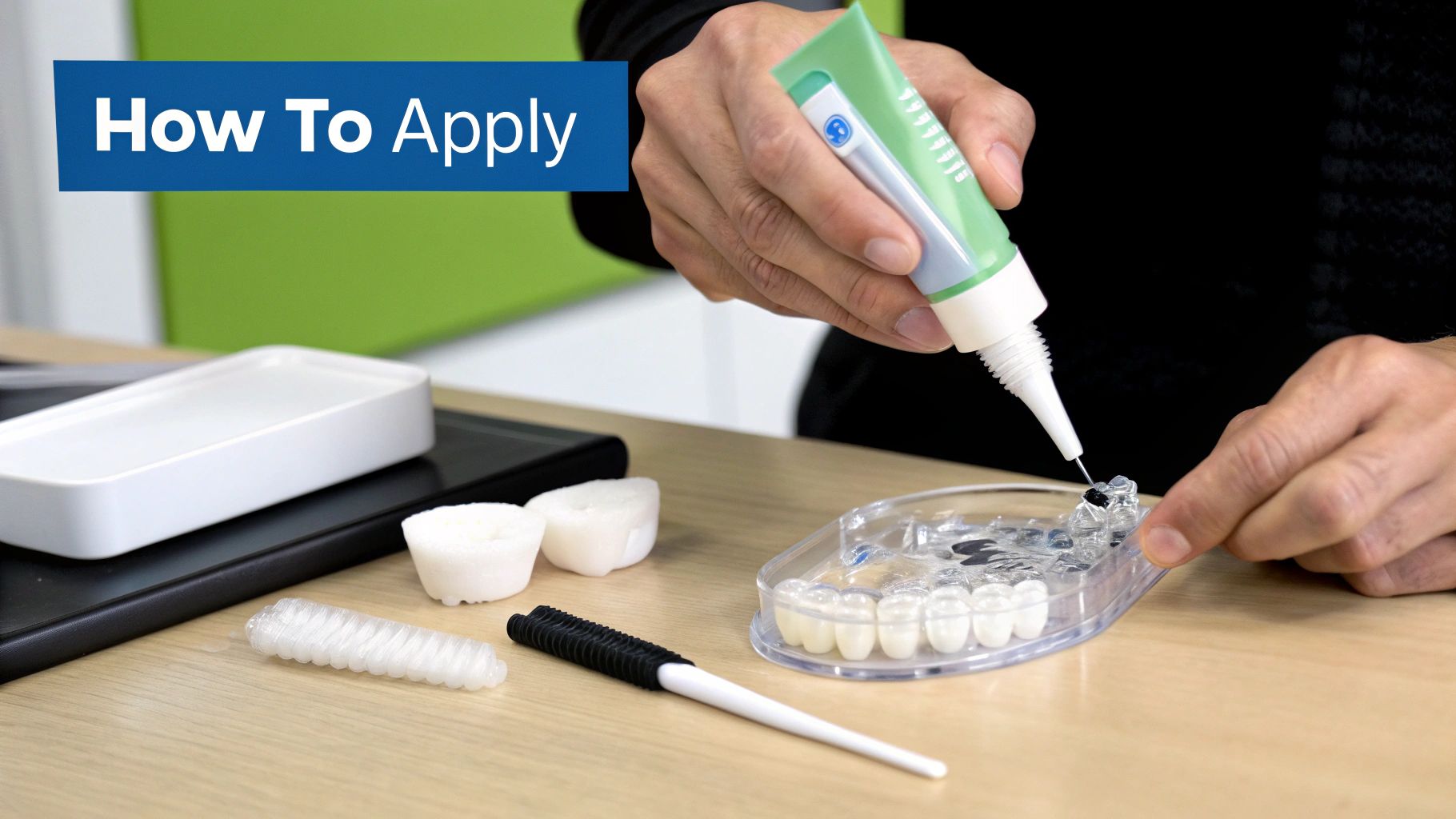
Exposed dentin causes sharp pain with cold, sweet, or acidic foods. Don’t ignore it—treat it now.
- Use desensitizing toothpaste with potassium nitrate or stannous fluoride—apply it directly to sensitive areas before bed.
- Get professional fluoride varnish every 3–6 months to strengthen enamel.
- Ask your dentist for a bonding agent or sealant to cover open dentin tubules—often provides immediate relief.
Prevent Future Damage
Once you’ve repaired cupping, prevention keeps your restorations intact and your teeth strong.
- Avoid sipping acidic drinks—consume them only with meals.
- Brush gently with a soft-bristled toothbrush and fluoride toothpaste—wait 30 minutes after acid exposure.
- Chew xylitol gum after eating to boost saliva.
- Wear your night guard every night—clean it daily and store it properly.
- Visit your dentist every 6 months for check-ups and wear assessments.
Final Word: Act Early, Save Your Smile
Tooth cupping won’t heal itself—but you can stop it. By treating acid reflux, controlling grinding, and restoring damaged teeth early, you preserve your natural smile and avoid costly repairs. Remember: cupping is often a warning sign of deeper health issues. Address both your mouth and your body for lasting results. See your dentist at the first sign of wear—your future self will thank you.